


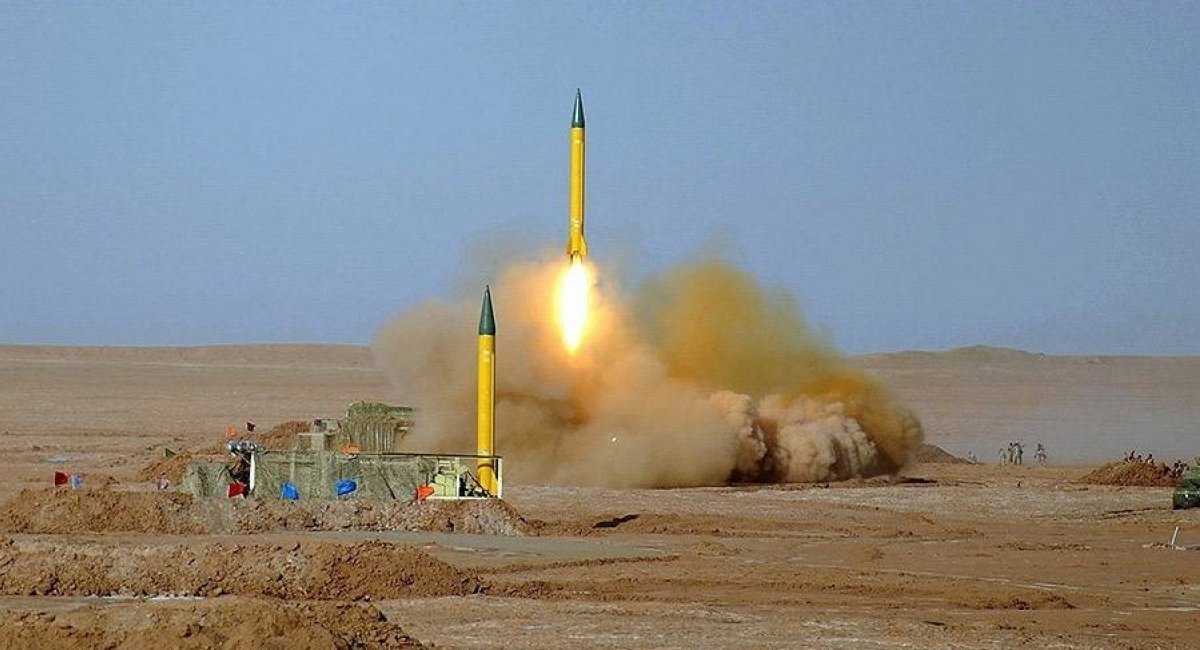
Iran is actively firing ballistic missiles at all its neighbors. Iraq, Kuwait, Bahrain, Qatar, the UAE, Saudi Arabia, Jordan, and Israel itself have all been targeted. At the same time, American bases are not the only targets of Iranian strikes on Arab countries.
Several hundred missiles were fired by the Iranians. This will worsen the shortage of Patriot anti-aircraft missiles, as Defense Express wrote about even before the U.S. and Israel struck Iran.This figure is not final, since different countries have released their counts at different times, some have not reported at all, and Iran continues its strikes.
Read more: How Far Can Iranian Ballistic Missiles, Cruise Missiles, Drones Reach, What Parts of Europe Could Be Targeted?
As of Monday morning, March 2, the UAE reported tracking 165 Iranian ballistic missiles, 152 of which were intercepted and 13 fell into the sea, with none hitting their targets. Out of 541 drones launched, 506 were shot down and 35 hit the country.
As of Monday morning, March 2, Bahrain announced that it had neutralized 61 Iranian ballistic missiles and 34 strike UAVs. The number of weapons used by Iran to attack Bahrain is unknown.
As of Sunday, March 1, Kuwait intercepted 97 Iranian ballistic missiles and 283 drones. As of Sunday, March 1, Qatar intercepted 65 Iranian ballistic missiles and 12 drones. As of Saturday evening, February 28, Jordan reported intercepting 13 ballistic missiles and 36 drones, with no further updates.
Iraq did not disclose the number of missiles but confirmed the strikes. Saudi Arabia confirmed Iranian attacks but gave no numbers, stating they were successfully repelled. Oman was also under drone attack. Israel was also hit by medium-range ballistic missiles. Israeli media, citing its own sources, reported that more than 370 ballistic missiles had been fired as of Sunday evening, March 1.
In total, Iran launched at least 771 ballistic missiles at neighboring Arab countries and Israel. For Ukraine, the key is counting only Iranian missiles intercepted by Patriot systems, whether belonging to Arab countries or the U.S. It is also known that Iran has launched more than 906 drones.
At the same time, missiles headed for Israel were intercepted by American SM-3 missiles or by the IDF using Arrow and David's Sling systems. American systems intercepted medium-range missiles targeting Jordan, which has no anti-missile capabilities.
At least 388 Iranian tactical and operational-tactical ballistic missiles were launched at the UAE, Kuwait, Qatar, and Bahrain. These figures do not include Saudi Arabia, which has become the target of fairly strong attacks by Iran. Eventually, the Iranians managed to hit some really important targets in the country, including the Ras Tanura oil refinery.
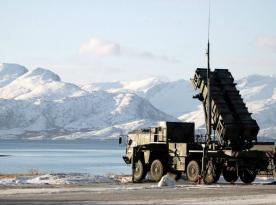
Regarding interception capabilities, the UAE has 6–9 Patriot PAC-3 batteries, Bahrain 1–2, Kuwait 7–8, and Qatar 4–6. Saudi Arabia has 18-25 Patriot PAC-2 and PAC-3 batteries, as well as an already deployed THAAD battery.
Approximately 400 ballistic missiles were fired by Iran at countries armed with Patriot air defense systems. That would require 800 interceptor missiles to neutralize them. It is worth noting that Patriot often fires four interceptors at especially challenging targets.
It is also possible to estimate how much it cost to shoot Iranian missiles down and how long it will take to replenish Patriot missile stocks. An MSE interceptor for the Patriot PAC-3 costs the U.S. military $5.17 million each. They are sold to Arab countries at $12 million each, as in the Saudi Arabia deal.
The cost of intercepting 400 Iranian missiles with Patriots was over $2 billion, based on MSE prices for the U.S. Army, and $4.8 billion at export prices, assuming minimum standard missile consumption.
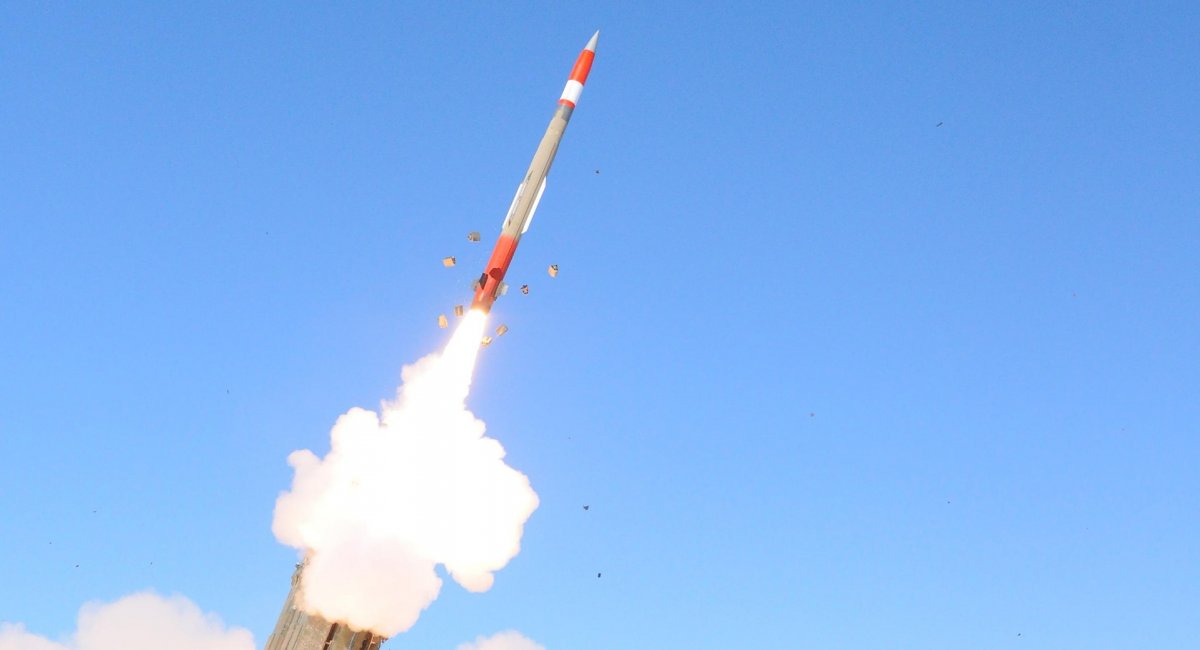
However, the main problem isn't money. At the current pace, Lockheed Martin would need 15.5 months to rebuild a stock of 800 MSE Patriot PAC-3 missiles. Only 620 missiles were produced in 2025, which is why expanding production through licensing, as Ukraine urges, is essentially the only option.
Read more: Why Even Unlimited Patriot Interceptors Cannot Guarantee Full Protection for Ukraine from russian Ballistic Missiles