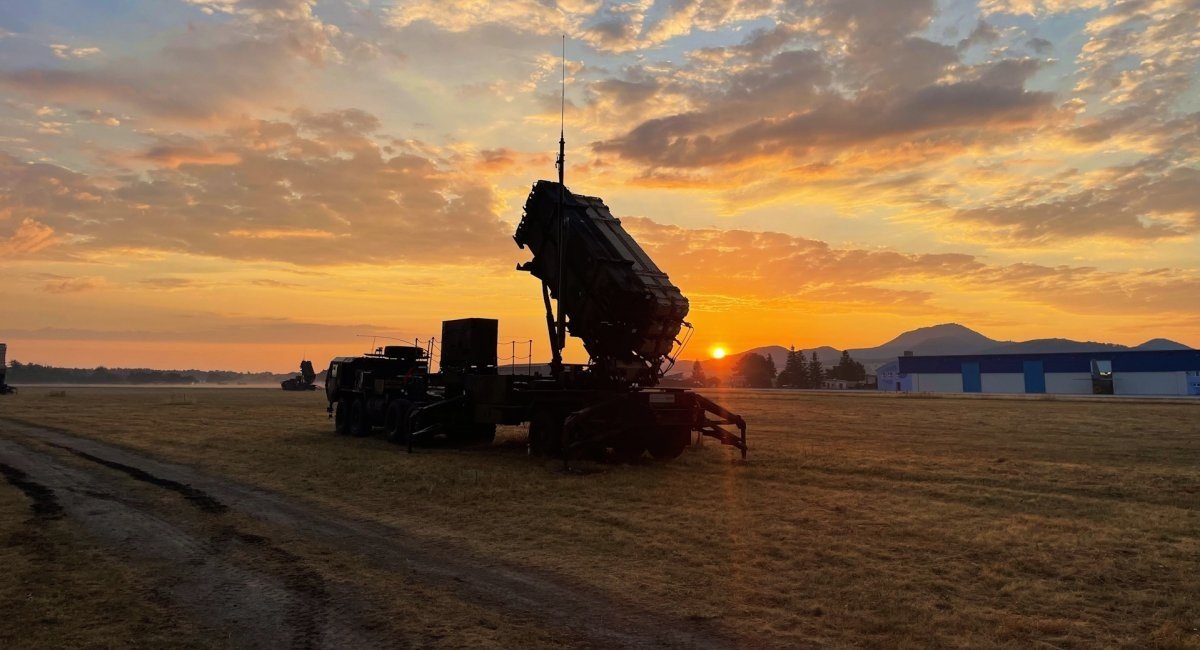
Ukraine is actively urging its Western allies to approve licenses for producing anti-aircraft missiles, according to Ukrainian President Volodymyr Zelenskyy. It may seem an optimistic hope, given that weapons production is very profitable, but this is ultimately a matter of survival—not only for Ukraine.
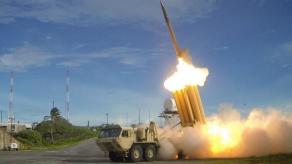
The production of anti-ballistic interceptors is falling short of actual demand. In particular, Lockheed Martin has announced that it will produce 620 Patriot PAC 3-MSE anti-aircraft missiles in 2025, which is 20 units more than planned. This corresponds to an average of 51.6 MSE missiles per month.
Читать далее: russians Upgrade Muravey UGV Into Mobile FPV Drone Launch Platform
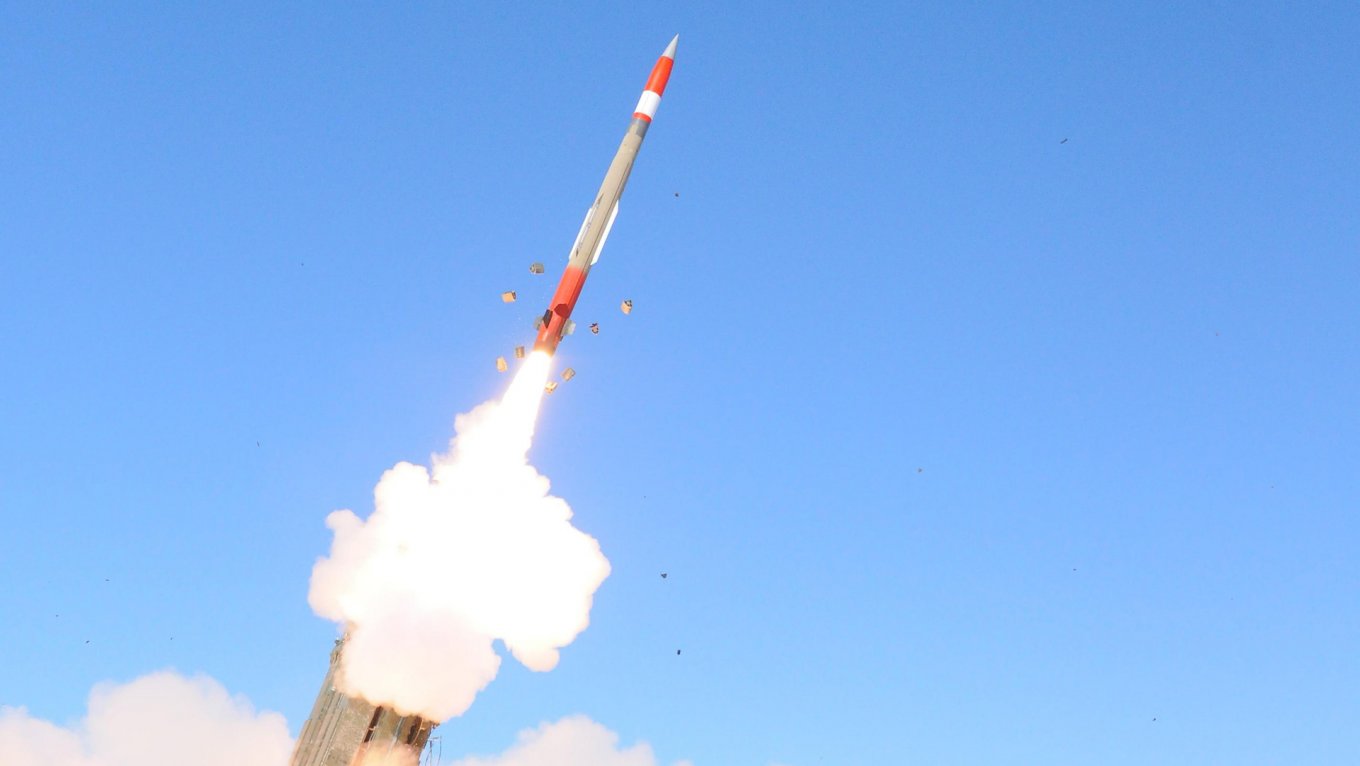
There is no point in adding figures from Japan's Mitsubishi Heavy Industries, the only licensed MSE manufacturer. This is because it assembles up to 30 units per year using American components, exclusively for Japan's Self-Defense Forces.
At the same time, according to reports from the Ukrainian Air Force command, the number of ballistic and aeroballistic missiles launched by the russian federation against Ukraine in January amounted to 75 units. As of the morning of February 23, 2026, 117 ballistic, aeroballistic, and hypersonic missiles had been launched in February alone.
In other words, there is a shortage of MSE missiles produced at Lockheed Martin facilities and globally. This considers that Ukraine uses only one anti-missile per threat, rather than the usual two, or up to four in difficult cases.
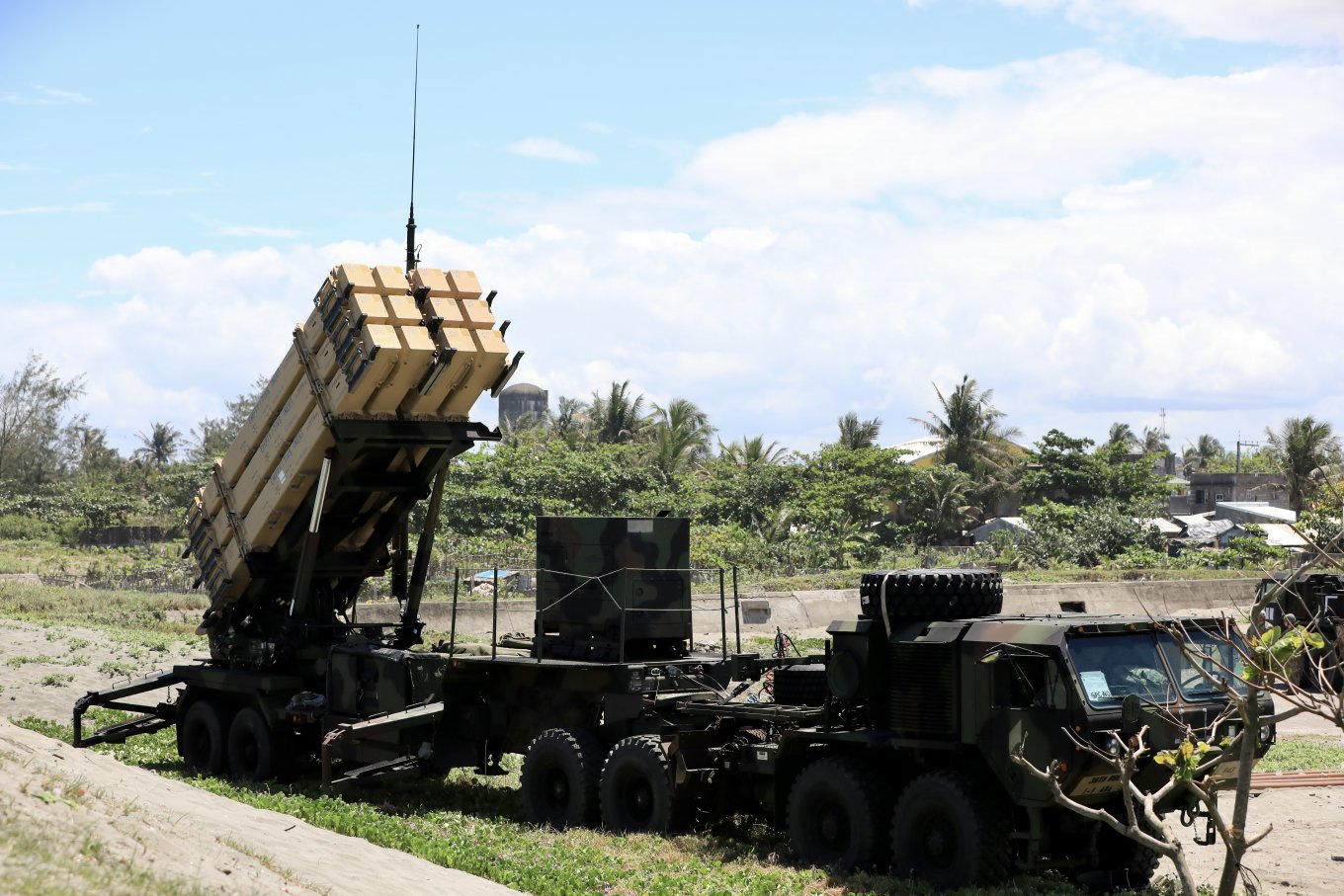
In other words, expanding the production of anti-ballistic weapons is crucial, and this can only be achieved by increasing production lines and scaling up supply chains. This issue concerns not only Ukraine, but the entire Western world. Only russia, Iran, and North Korea allow free movement of missile technology and missiles themselves. Adding China makes the situation extremely critical.
Germany's efforts to secure partners to deliver 35 MSE missiles for Ukraine's Patriots, sufficient for just a few days, already represent a critical verdict—not for Ukraine, but for Germany and NATO. This should trigger a different approach that needs to be adopted immediately.
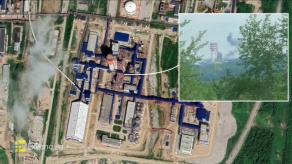
Ultimately, the only bright spot is that Ukraine managed on its own to carry out long-range strikes on russian ballistic missile production. That is why the fact that the FP-5 Flamingo struck the russian Votkinsk Plant, where ballistic missiles are produced, is truly of strategic importance.
Читать далее: IRIS-T Maker Upgrades KDV Counter-Drone System Supplied to Ukraine, Now Claiming 70 km Range