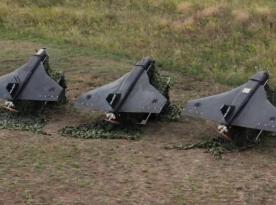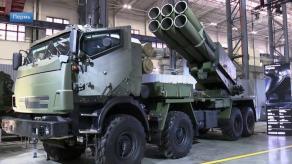



russian defense industry has launched mass production of the Geran series of jet-powered drones and cruise missiles. As of today, the Geran-4 jet-powered drone and the Geran-5 cruise missile are already in serial production, while serial production of the Geran-3 jet-powered drone is scheduled to begin in the second half of this year.
The Defense Intelligence of Ukraine provided this information to the Oboronka project by Ukrainska Pravda and Mezha.Media. According to the Defense Intelligence of Ukraine, as of today, the enemy has the capacity to produce up to 500 Geran drones per month, or 6,000 per year.
Read more: 1,400 Drones in One Day: How Long Can russia Sustain This Scale of Attacks on Ukraine?
Overall, russia plans to increase the production of jet-powered drones to account for 50% of its total long-range strike drone fleet. Under current plans, russia intends to produce 60,000 long-range kamikaze drones and another 50,000 decoy drones this year — 110,000 in total, according to the Defense Intelligence of Ukraine. This implies potentially tens of thousands of jet-powered drones per year, which would require russia to significantly expand its production capacity.
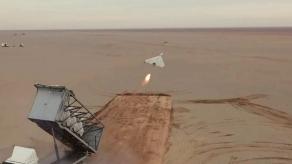
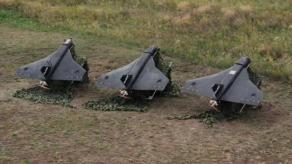
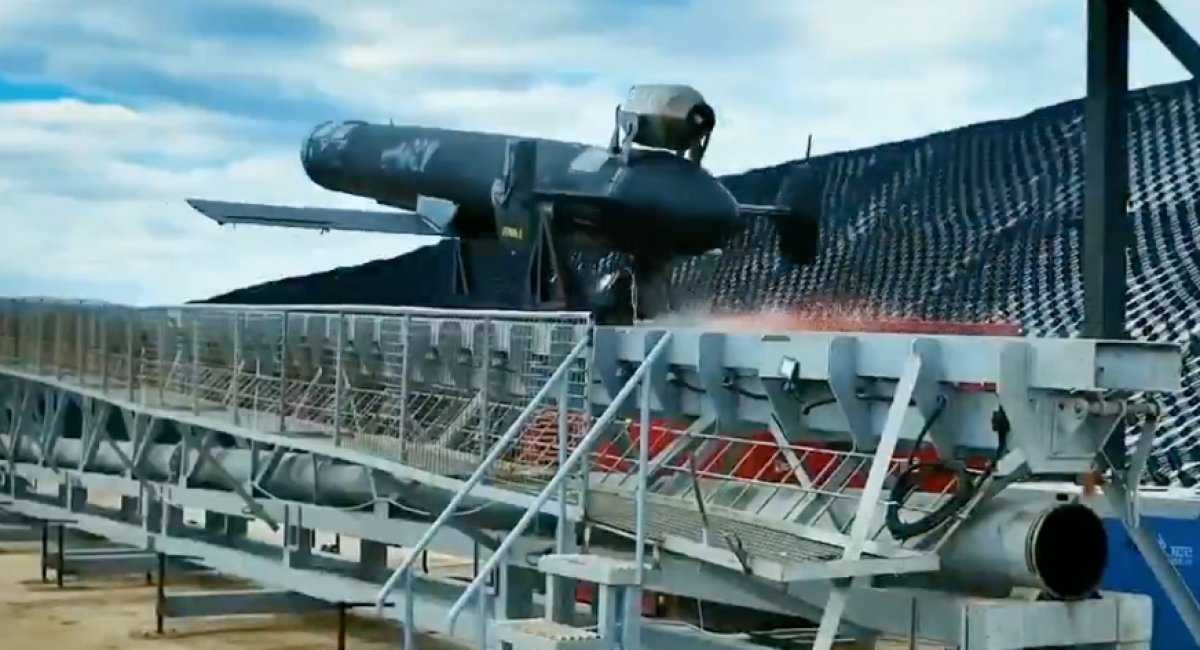
It appears that Geran drones make up a relatively small share of russia's total attack drone production. Ukraine's Defense Intelligence notes that russia's use of jet-powered drones is currently largely experimental. To operate them, the enemy uses droneports, one of which is located in the Oryol region. Last year, it became known that a similar facility was being built in the temporarily occupied Donetsk region near the airport, quite close to the front line.
The main advantage of the Geran jet-powered drones is their significantly higher speed, which makes it difficult to intercept them. This is particularly dangerous for frontline and border regions, where russia can make the most effective use of jet-powered drones, whereas for deep strikes, this advantage is partly offset by the fact that Geran drones cannot travel the entire route at maximum speed.
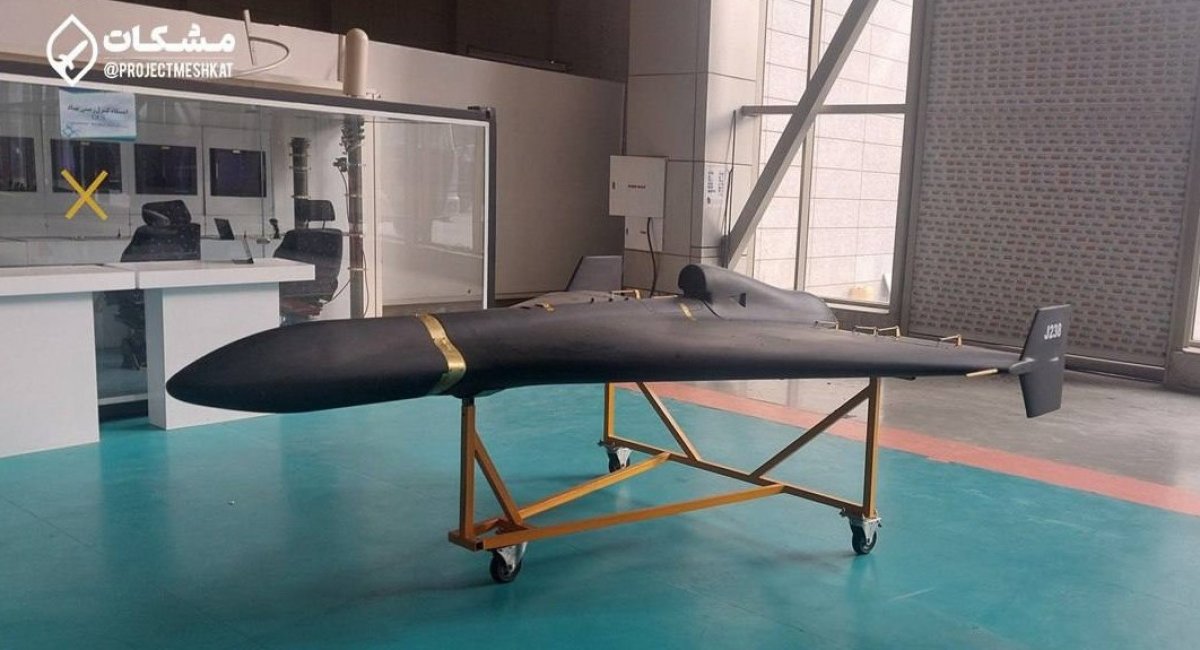
The history of russia's Geran drones traces back to the Iranian Shahed-238, which did not gain traction with the russian military. In 2025, the existence of the russian Geran-3 model had already become known. Its first recorded use was during the attack on Kyiv in June of last year.
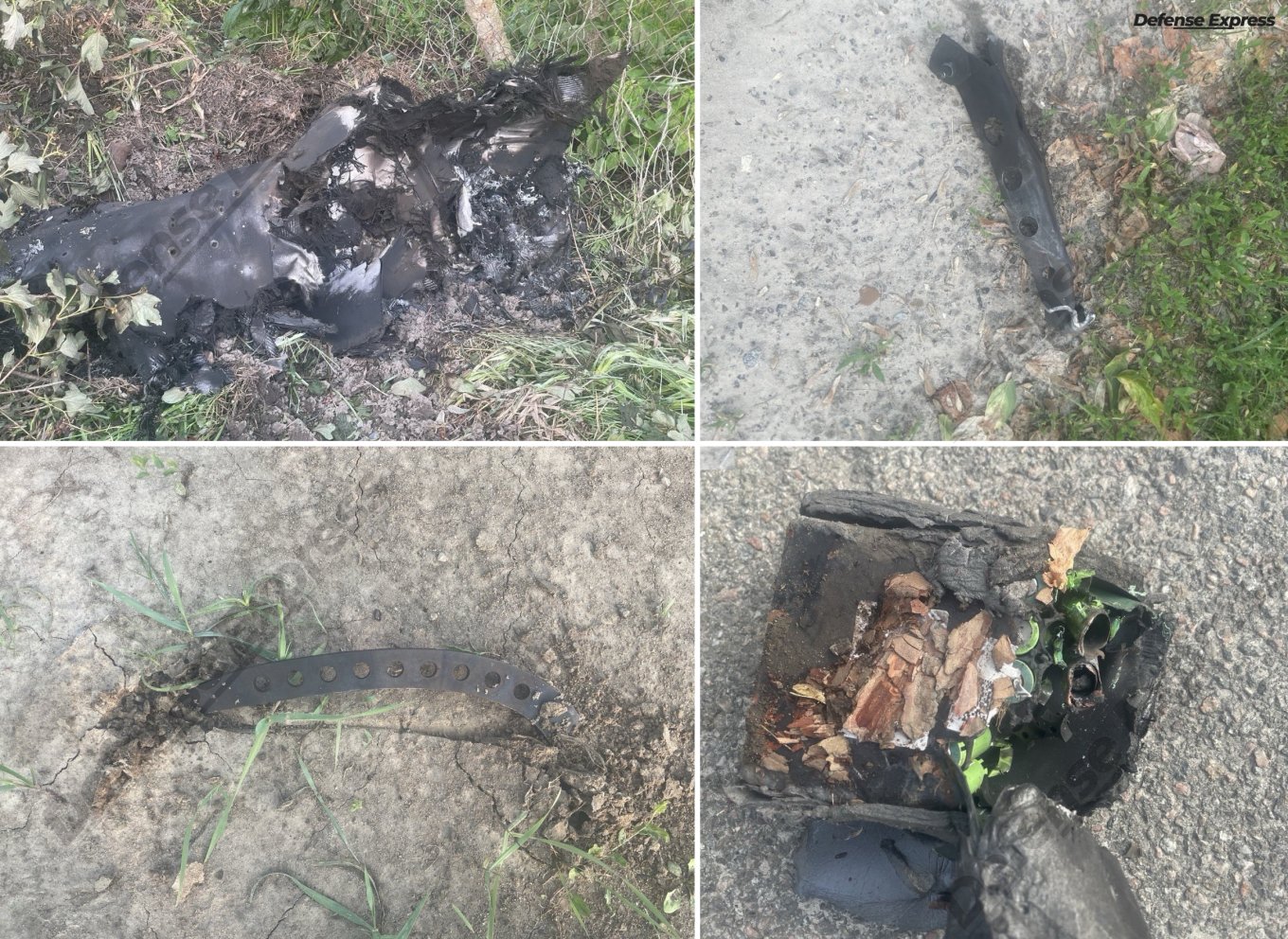
According to the Defense Intelligence of Ukraine, Equipped with the Chinese Telefly JT80 turbojet engine, the Geran-3 has a cruising speed of 300 km/h, compared to 180 km/h for the propeller-driven Shahed, and a maximum speed of 370 km/h, used when approaching targets or flying through air defense–saturated zones. It has a range of 1,000 km.
The Geran-4 jet-powered drone has been upgraded for higher speeds and can fly at up to 500 km/h. russia has also experimented with equipping this drone with an R-60 air-to-air missile.
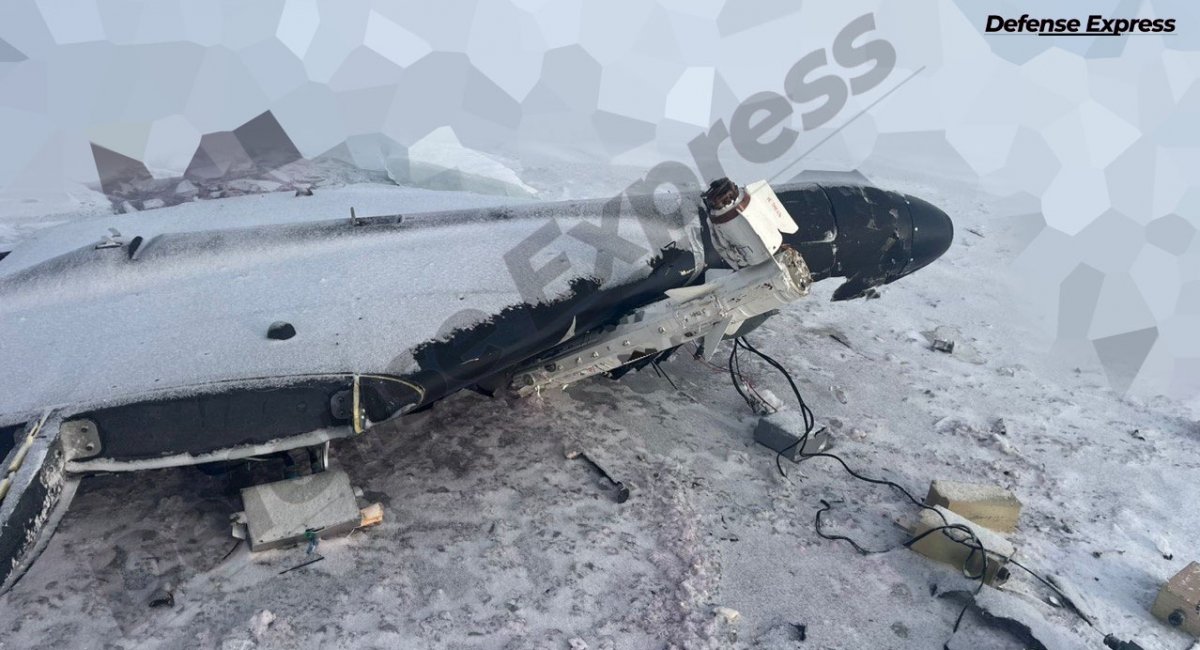
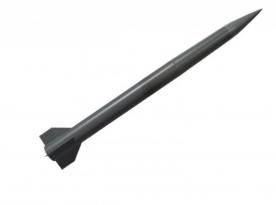
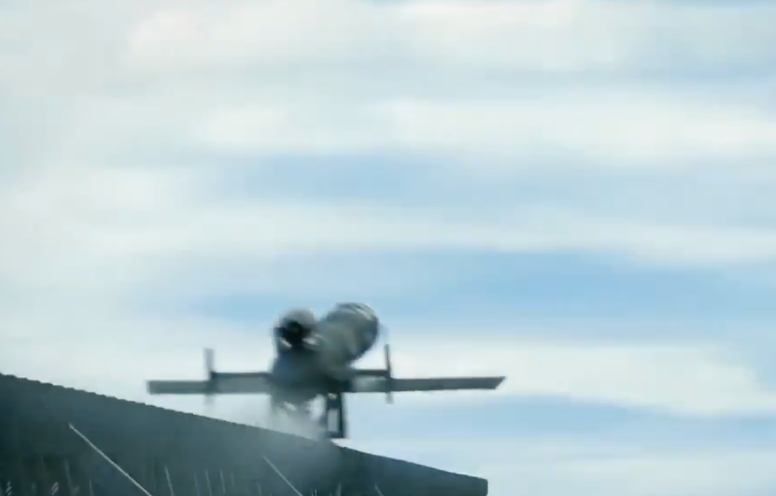
As for the Geran-5, it can be described as a fully-fledged, low-cost, and compact cruise missile. russians unveiled it for the first time on May 9. It can reach speeds of up to 600 km/h and has a range of up to 1,000 km. Earlier reports indicated plans to launch this cruise missile from Su-25 attack aircraft.
Read more: russia Keeps Promising Sarmat ICBM "Will Enter Combat Duty Soon" — Here's Why It Still Hasn't Happened