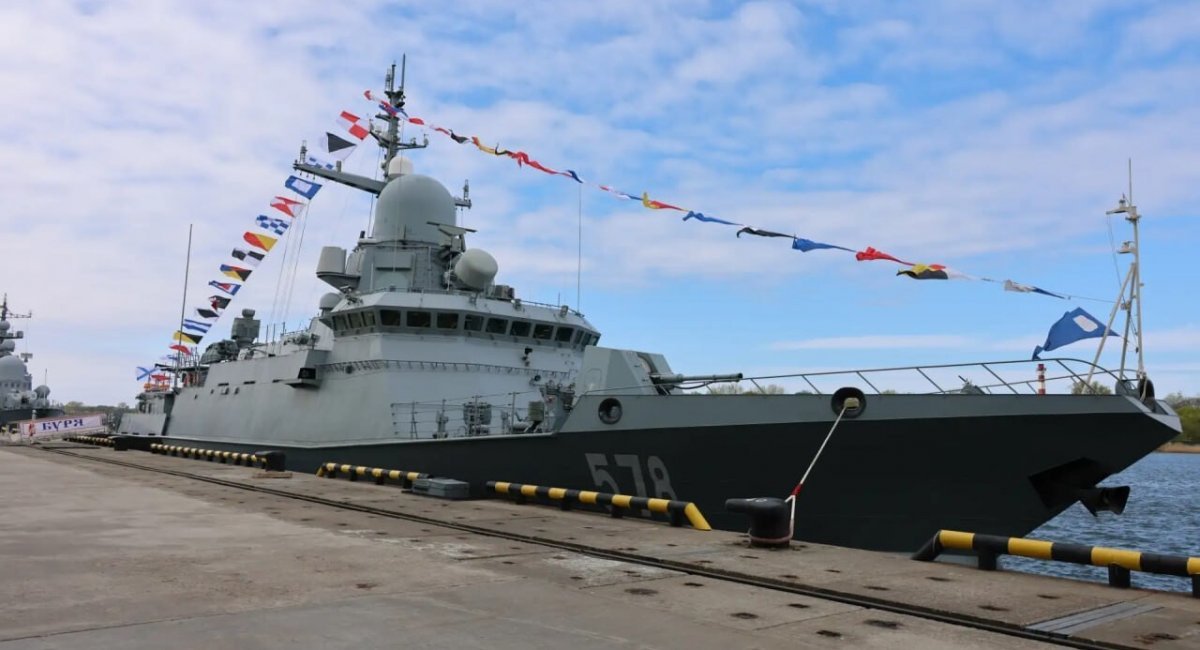
On May 8, 2026, russia officially commissioned the Project 22800 Karakurt missile corvette Bureya into the Baltic Fleet. The ceremony took place in Baltiysk in russia's Kaliningrad region.
The vessel is one of russia's Kalibr cruise missile carriers and can carry up to eight Kalibr missiles.
Read more: Ukraine's Defense Forces Hit russian Karakurt-Class Missile Ship Carrying Kalibr Missiles
The move may be intended to partially offset recent losses suffered by the russian Baltic Fleet. On May 3, another Karakurt-class corvette was struck during a Ukrainian attack on the port of Primorsk.
At the same time, russia continues facing major difficulties in expanding the class due to chronic problems with propulsion systems. Reliability issues and limited engine production capacity have delayed some ships by several years.
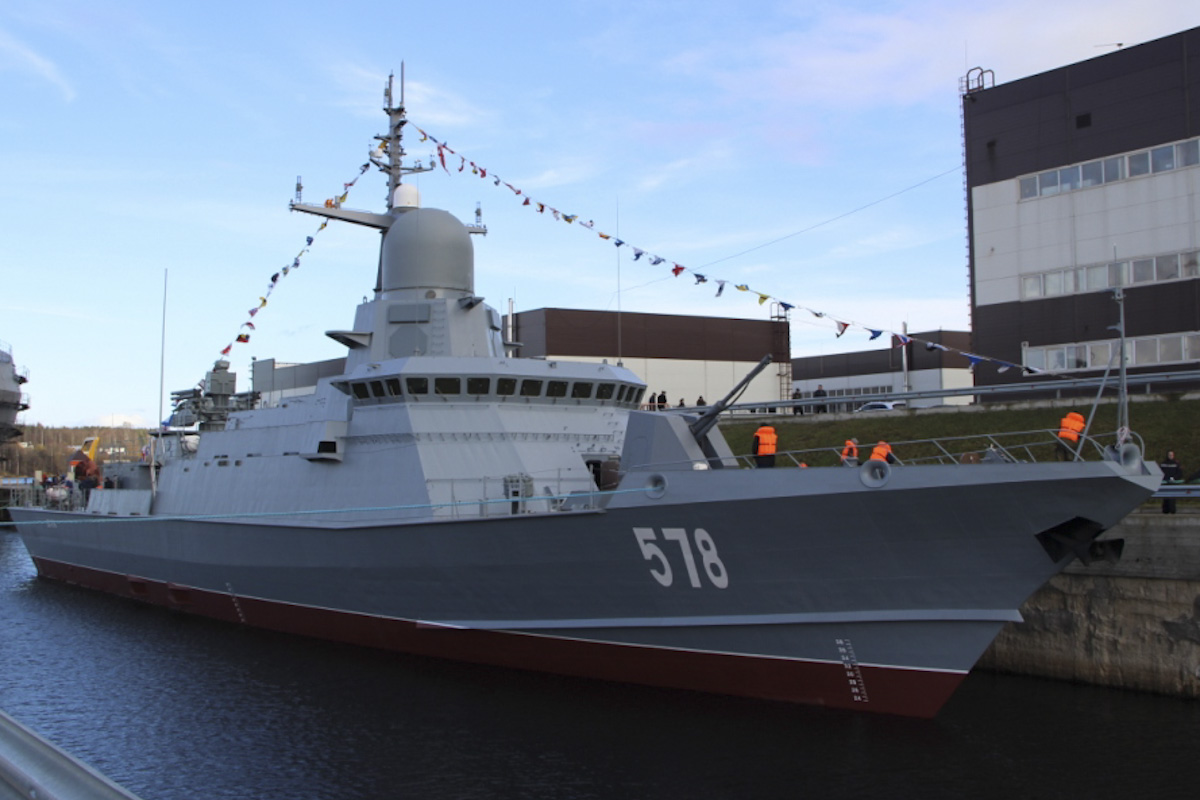
Construction of the Bureya began in December 2016, and the corvette was launched in October 2018. However, sea trials only started in October 2022, while official entry into service took place roughly three and a half years later.
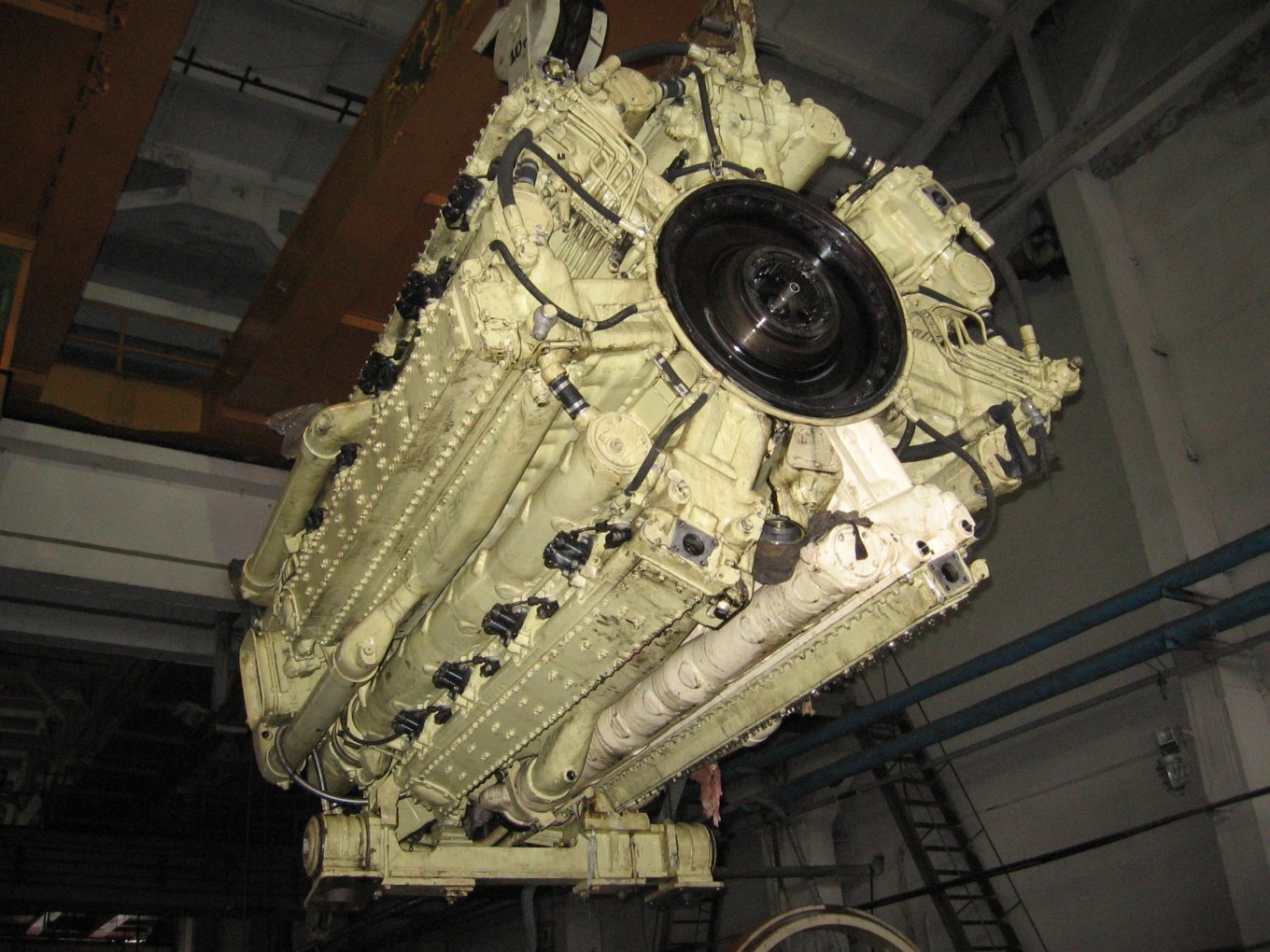
The core problem lies in the M507-1D diesel engines produced by Zvezda. In addition to reliability concerns, the manufacturer reportedly cannot produce enough engines to meet shipbuilding demand.
As a result, at least three additional Karakurt-class corvettes (Kozelsk, Okhotsk, and Vikhr) remain unfinished.
These ships were originally laid down at the More shipyard in temporarily occupied Feodosia, Crimea. Between 2019 and 2020, they were transferred through russia's inland waterways to the Pella shipyard in Saint Petersburg for completion.
All three vessels are also intended for the Baltic Fleet. However, their commissioning has reportedly been postponed indefinitely because of engine shortages and irregular financing.
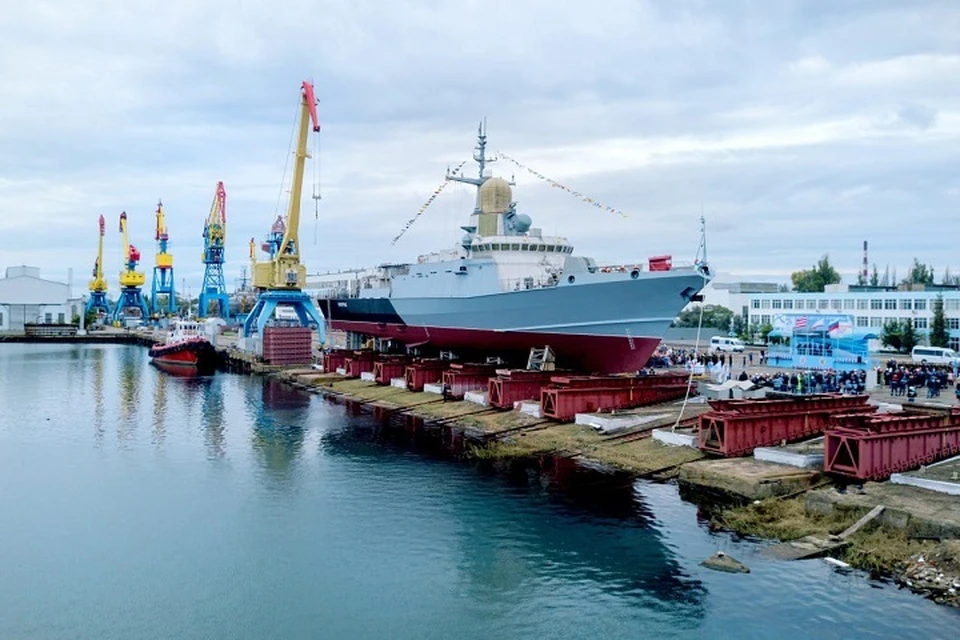
russia originally planned to build 16 Project 22800 Karakurt missile corvettes.
Five were assigned to the Black Sea Fleet. One of them, Tsyklon, was sunk. Another vessel, Askold, suffered heavy damage before entering service. A third ship was reportedly struck during a Ukrainian attack on Kaspiysk on May 7, 2026.
At the same time, the extent of damage sustained by the Karakurt-class corvette hit during the Ukrainian strike on Primorsk on May 3 remains unclear.
Ivan Kyrychevskyi, serviceman of the 413th Raid Regiment of the Unmanned Systems Forces of Ukraine and weapons expert at Defense Express.
Read more: Ukrainian Forces Strike russian Karakurt Missile Ship, Command Posts and Fuel Depots