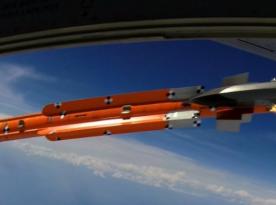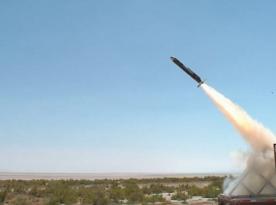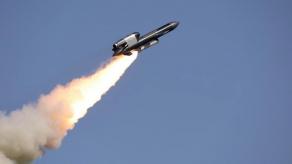



During recent attacks on Iraq, Kuwait, Bahrain, Qatar, the UAE, Saudi Arabia, Jordan, and Israel, Iran reportedly launched more than 771 ballistic missiles and over 906 drones. The pace of launches remains high. Tehran has also reportedly used drones to strike a British Royal Air Force base in Cyprus.
Against this backdrop, it is important to assess Iran's long-range strike capabilities not only in the Middle East but also in terms of potential risks to Europe.
Read more: Why Even Unlimited Patriot Interceptors Cannot Guarantee Full Protection for Ukraine from russian Ballistic Missiles
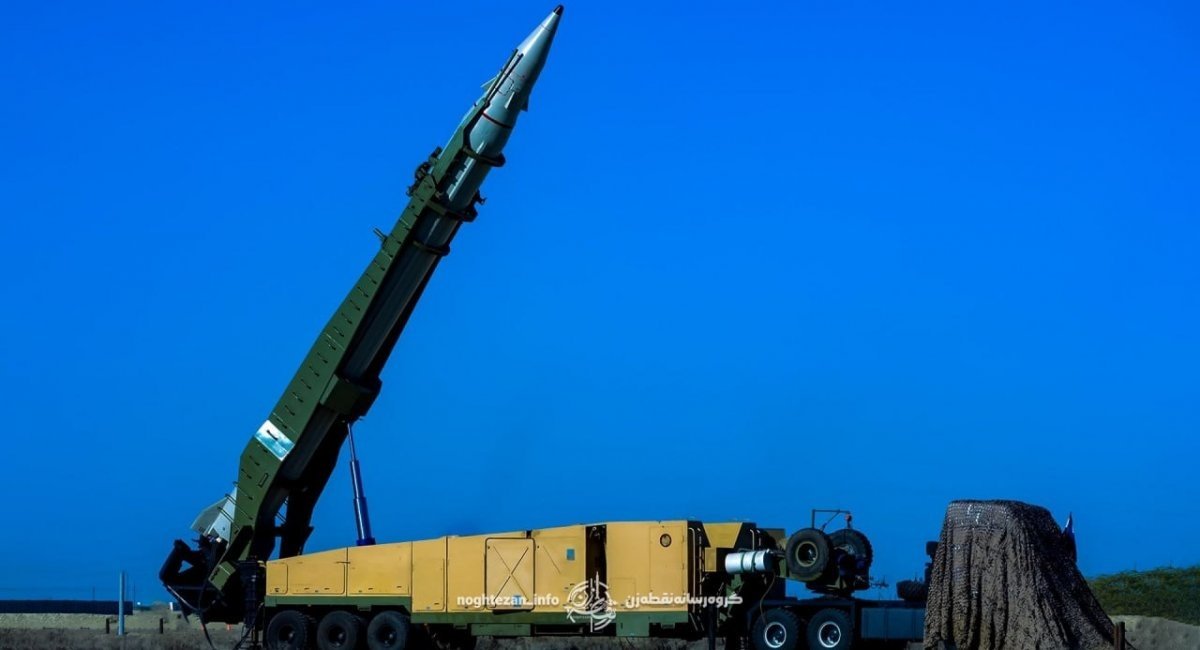
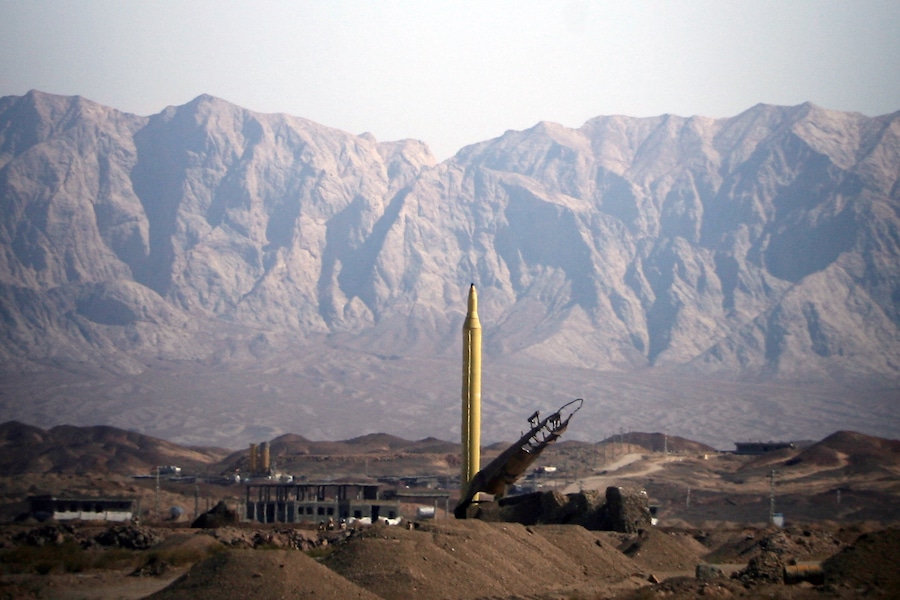
Iran’s longest-range ballistic systems are generally considered to include the liquid-fueled Khorramshahr, Sejjil, Ghadr, and Emad.
Public data on their range and payload largely comes from Iranian official sources and may be overstated. Nevertheless, these missiles are assessed to have ranges of around 2,000 km.
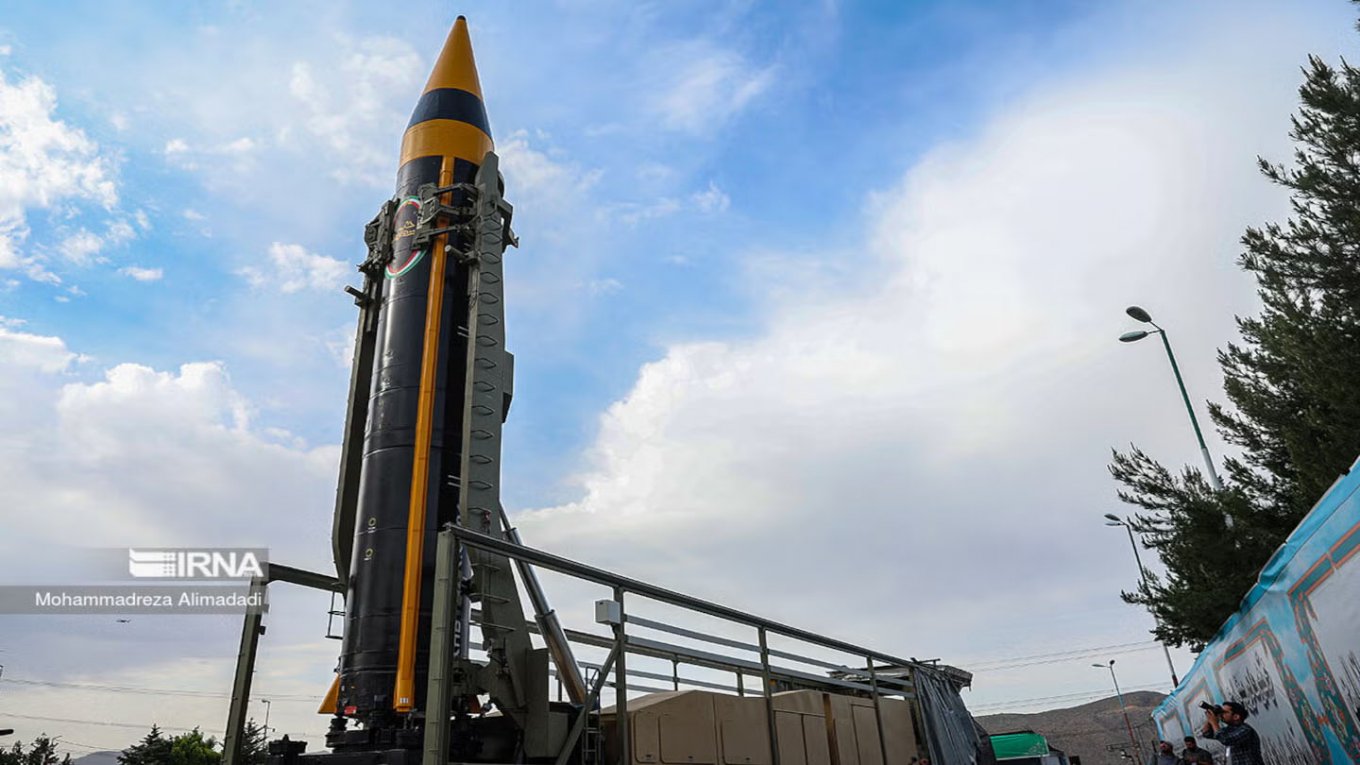
Khorramshahr is claimed to carry a 1,800 kg warhead at a range of 2,000 km. With a reduced payload, its range is reportedly extended to as much as 3,000 km. The Emad, Ghadr, and Sejjil missiles are said to carry warheads weighing between 750 and 850 kg, with operational ranges of approximately 1,700 to 2,000 km.
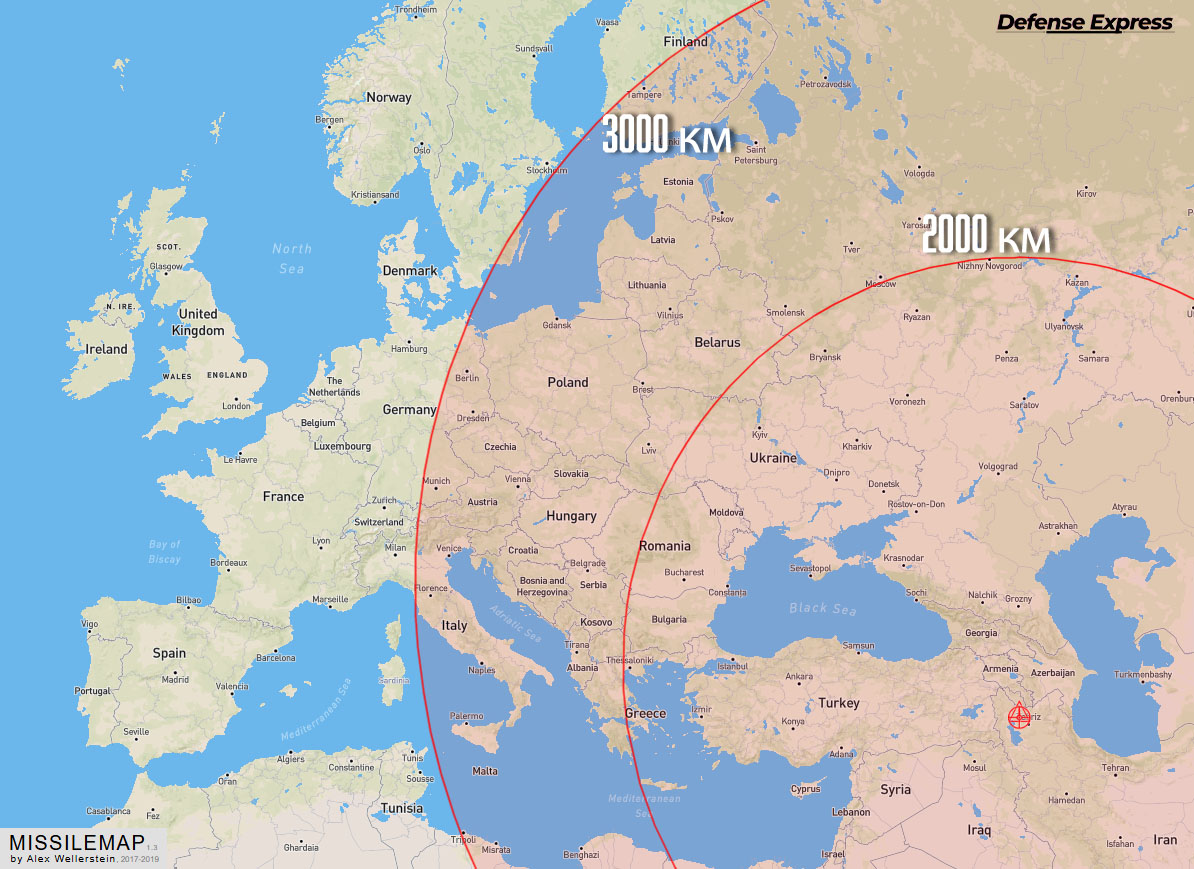
From northwestern Iran, medium-range ballistic missiles could theoretically reach Greece, Bulgaria, and Romania, where U.S. military facilities are located, as well as Ukraine and Moldova.
If Khorramshahr can indeed reach 3,000 km with a lighter payload, a significant portion of Europe could fall within range, including Germany, potentially Berlin, and Italy, including Rome.
However, the number of such long-range missiles in Iran's arsenal is unlikely to be large.
Their interception in Europe would rely primarily on the U.S. missile defense architecture, particularly the Aegis Ashore site in Deveselu, Romania, equipped with SM-3 interceptors. Additional coverage could be provided by Arleigh Burke-class destroyer vessels deployed in the Mediterranean. In the event of a direct threat, Germany could also rely on its newly acquired Arrow 3 system, which reached initial operational capability in late 2025.
Iran also fields long-range cruise missiles, although their operational use appears limited, or interception rates have been high enough that they rarely approach the borders of Middle Eastern states. One example is the Soumar, which is estimated to have a range of 2,000 to 3,000 km.
Long-range drones may ultimately represent Iran’s most flexible strike tool.
The Shahed 136 has a claimed range of up to 2,500 km and is among the longest-range UAVs in Iran's inventory. The Arash-2, also known as Kian 2, is estimated to have a range of 1,000 to 1,600 km. The jet-powered Karrar has a range of approximately 1,000 km.
For drones to reach Europe directly from Iran, they would need to cross airspace over Iraq, Syria, and Jordan, where many drones have reportedly been intercepted en route to Israel. Alternatively, flight paths via Armenia, Georgia, and Turkey could theoretically allow enough remaining range to threaten parts of the Balkans.
In practical terms, while parts of Europe are theoretically within range of certain Iranian systems, actual strike feasibility would depend on missile availability, payload configuration, flight routes, and the effectiveness of regional missile defense networks.
Read more: Day Two of the U.S.-Israeli Attacks on Iran: Khamenei Dead, Tehran Under Air Siege, Region on Edge