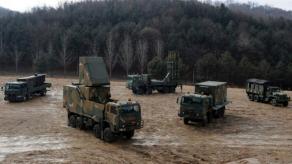
The Ukrainian company Fire Point has revealed details of its missile defense system under Project Freya, designed to intercept ballistic missiles including russia's Iskander-M. The system will be assembled from off-the-shelf components and open-source software.
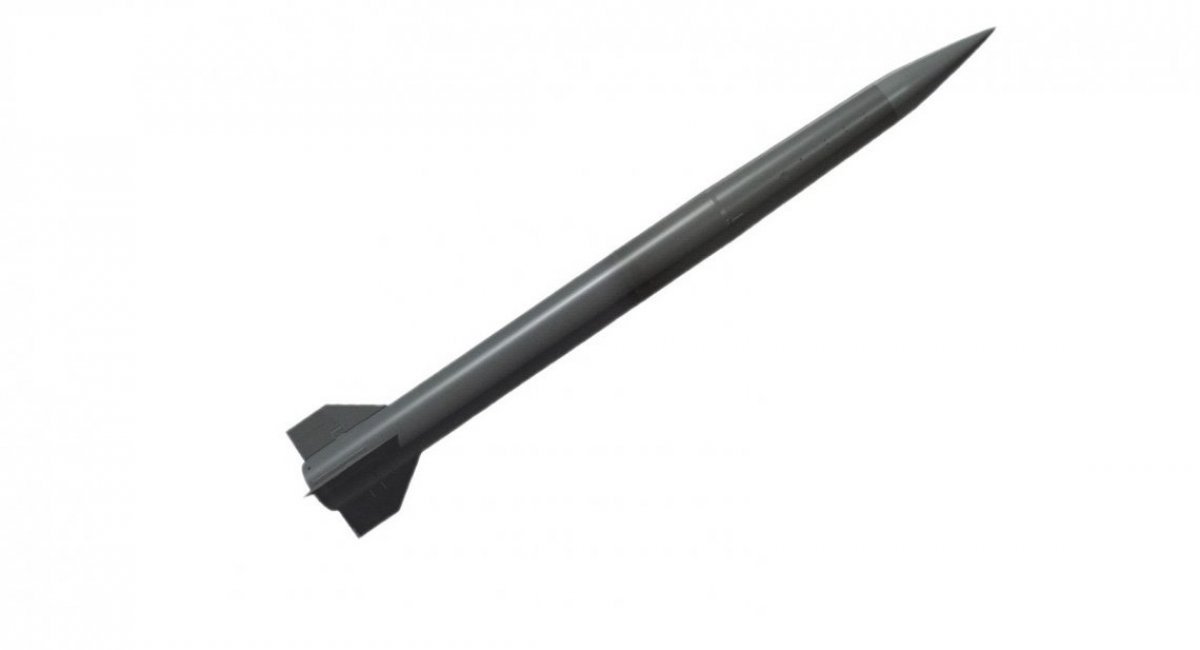
According to a presentation published by the company's co-founder, Denys Stilerman, the FP-7.x missile will form the core of the system. This is not surprising, given that it is based on the Soviet-russian 48N6 anti-aircraft missile used in the S-400 air defense system.
Read more: After Costly Losses Against iran, U.S. Air Force Is Moving to Replace the MQ-9 Reaper
The new interceptor will have a speed of 1,500–2,000 m/s, a length of 7.25 m, and a diameter of 0.53 m. Like the ballistic strike variant, the airframe will be made of composite materials, which is expected to reduce costs. Price is an important factor in the procurement and production of foreign counterparts such as the Patriot PAC-3 MSE.
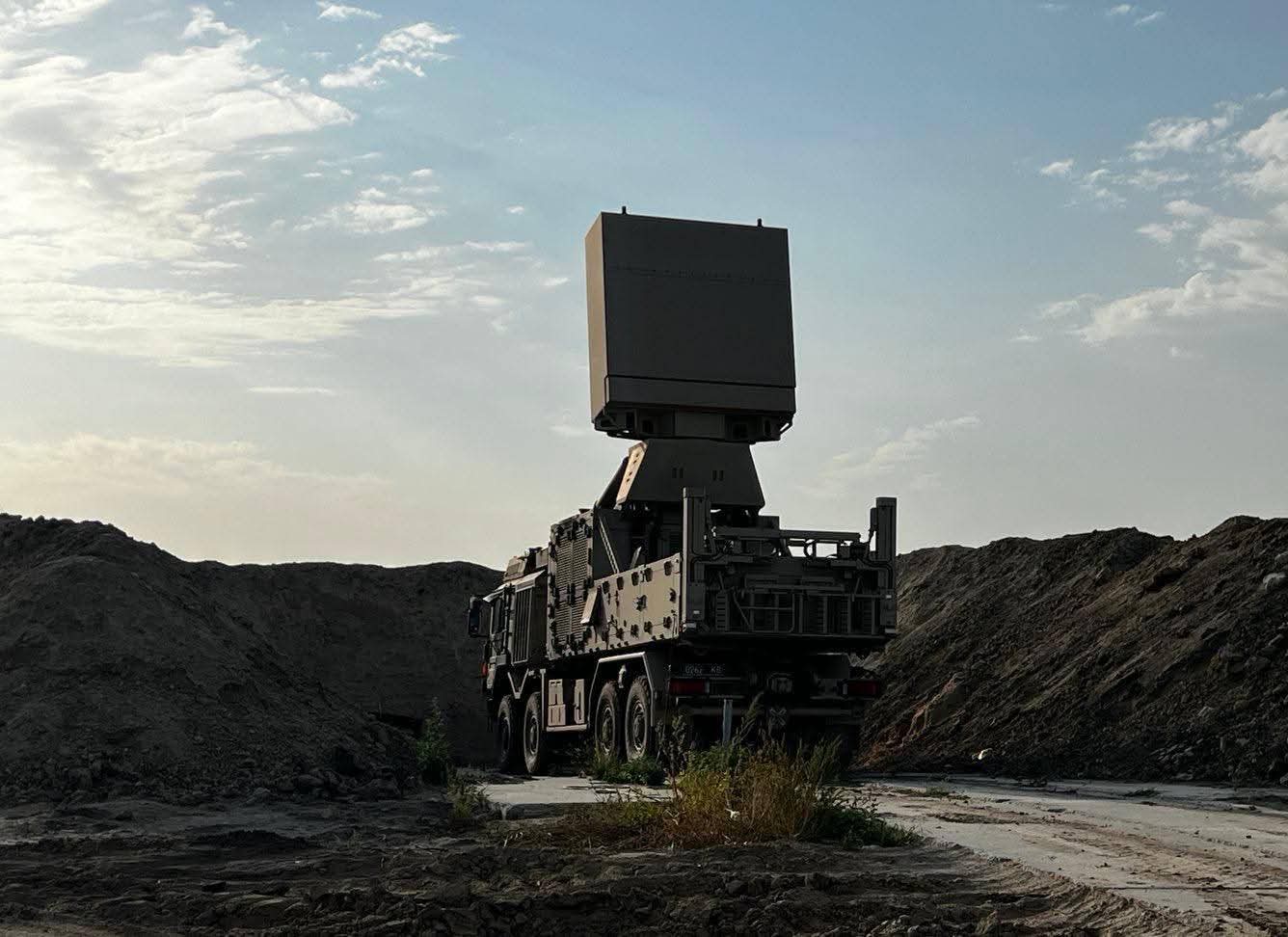
The SAAB Giraffe 8A/4A, Thales Ground Master 400, and Hensoldt TRML-4D are being proposed as long-range detection radars. Target designation will be provided by either the Leonardo KRONOS Land radar or the Weibel GFTR-2100/48. All of these are modern systems, some of which are already in service with the Armed Forces of Ukraine, including the TRML-4D.
The command post is based on the Norwegian Kongsberg FDC solution, with network modules. The NATO Link 16 protocol will be used for integration and information exchange. This includes ASTERIX for connecting radars and DataLink for missile course correction.
As for the guidance system, there is an interesting detail: one slide mentions infrared homing, while the next refers to semi-active homing from Germany's Diehl Defence. The latter recently signed a technology cooperation agreement with Fire Point.
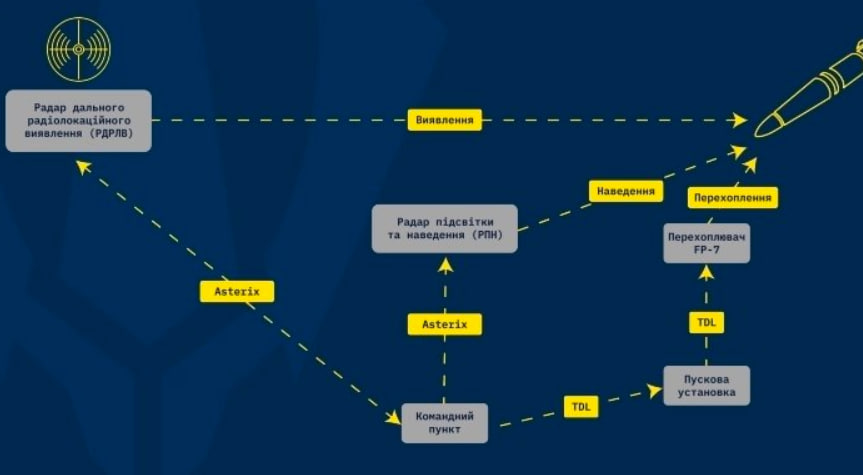
The system may employ a similar principle to Germany's IRIS-T SLM and other air defense systems, where the missile is guided by ground-based data and uses infrared homing in the final phase. This is supported by the earlier mention of DataLink for trajectory correction.
As we can see, Fire Point proposes developing its system based on existing solutions. This approach will help accelerate the system's development. The key question is whether the plan can be implemented, as combat performance may differ from paper specifications and lab results.
Read more: Why Losing to Ukrainian Forces in Exercises Is a Learning Opportunity for NATO Drone Warfare