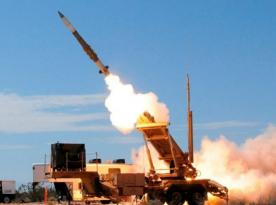



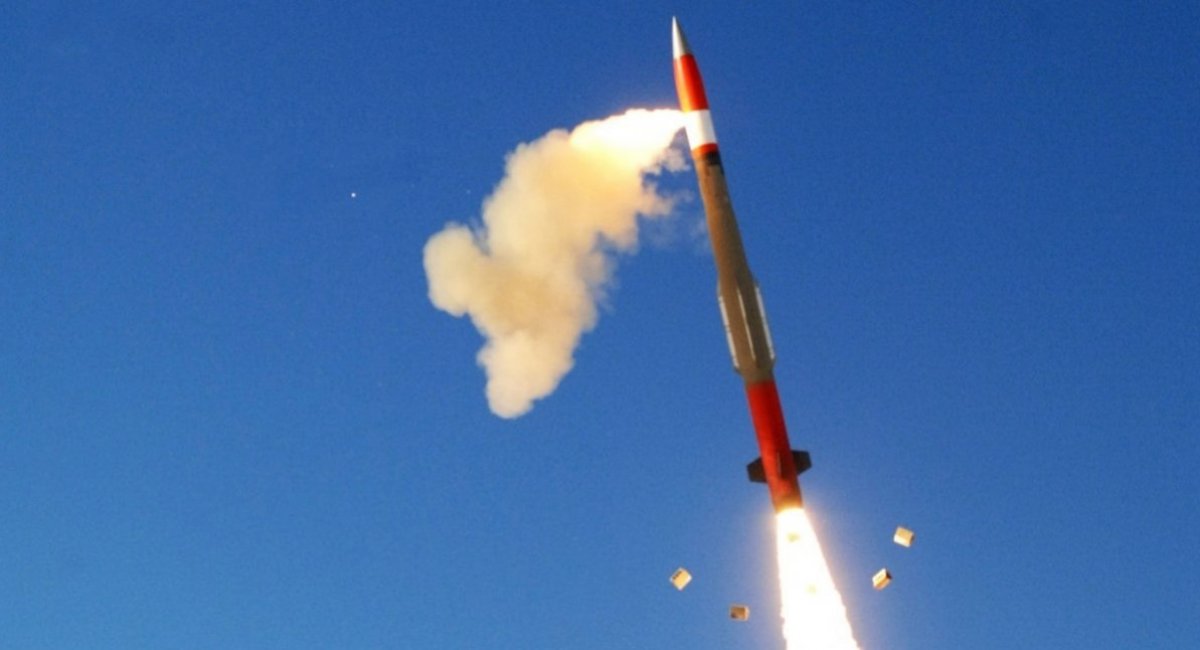
Lockheed Martin has announced the signing of a framework agreement with the U.S. Department of Defense aimed at rapidly expanding production capacity for PAC-3 MSE interceptor missiles used by Patriot air and missile defense system. These interceptors are specifically designed to counter ballistic missile threats, making them a critical component of U.S. and allied missile defense architectures.
Under the plan, Lockheed Martin intends to increase annual MSE production to as many as 2,000 missiles within the next seven years. This represents a dramatic surge compared to historical output levels. For context, the company reported producing around 620 PAC-3 MSE interceptors in 2025, exceeding its own target of 600 units. By 2033, current production volumes are expected to more than triple.
Read more: White House Drops the Mask: "it's OUR Hemisphere" Arctic Resources, Not Security, Drive Greenland Grab

The scale of this expansion highlights the growing demand for missile defense interceptors amid rising global threats. According to plans announced in mid-2025, Lockheed Martin aimed to reach a production level of 750 missiles per year by 2027, a goal that already required the company to seek additional subcontractors across Europe. Notably, this effort was intended to increase output by only about 130 missiles annually, underscoring how challenging further expansion will be.
Reaching a sustained output of 2,000 interceptors per year will therefore require far more extensive industrial mobilization. Lockheed Martin has stated that over the past two years it has already increased production by roughly 60 percent, including a 20 percent rise in 2025 alone. Even so, scaling up further will place significant pressure on the entire supply chain.
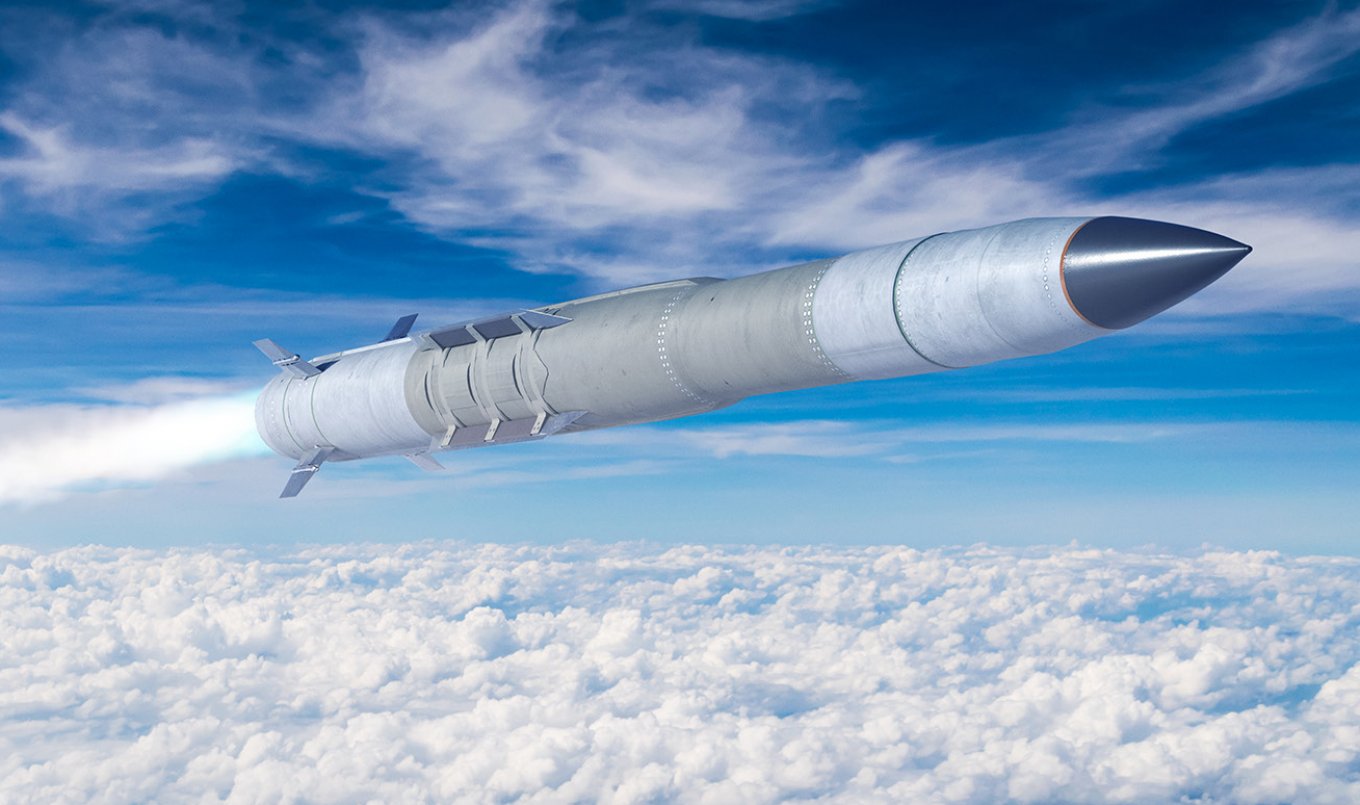
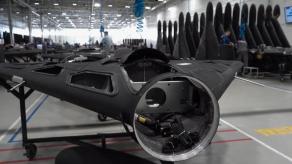
One of the most critical bottlenecks lies in the active radar seekers used by PAC-3 MSE interceptors. Boeing, which currently manufactures these seekers, previously announced plans to produce about 3,000 units by 2030. Given that each interceptor requires one such seeker and that Boeing is currently the sole producer, this output level would be insufficient to support Lockheed Martin's long-term production targets unless capacity is significantly expanded.
There is a possibility that Lockheed Martin could bring an additional supplier into the program, which would help meet rising demand. Beyond seekers, many other components are already produced by a network of subcontractors spread across multiple countries. Japan, notably, is currently the only country licensed to assemble PAC-3 MSE missiles outside the United States, suggesting that production growth will likely be distributed across several international partners.
This expansion is intended not only to meet U.S. military requirements but also to support allied nations operating Patriot systems. However, even a production rate of 2,000 interceptors per year does not translate into the ability to defeat 2,000 ballistic missiles. Standard engagement doctrine typically requires firing at least two interceptors per target, and in some cases up to four, a level of expenditure that only the United States and a handful of European countries can realistically sustain.
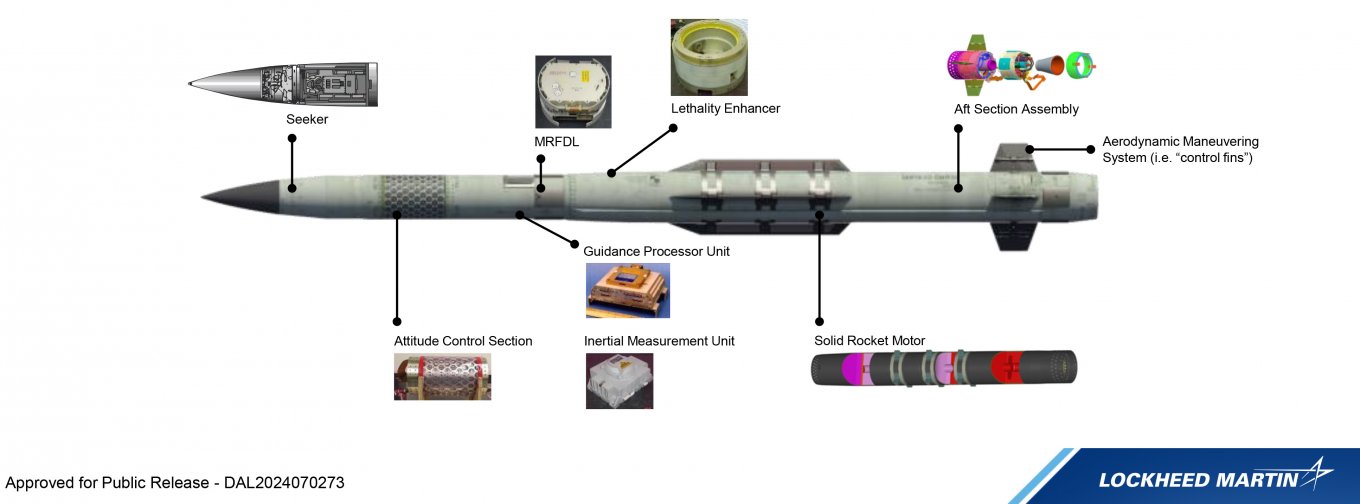
Given the rapid proliferation of ballistic and hypersonic missile capabilities in countries such as Iran, China, and North Korea, future conflicts may force even well-resourced militaries to rethink how they employ expensive interceptors like PAC-3 MSE. Mass production may improve availability, but it also underscores the growing need for more cost-effective air and missile defense strategies.
Read more: €45M to Find Leopard 2 Successor: Spain Faces Limited Options as MGCS Excludes Them, Allies Diverge