


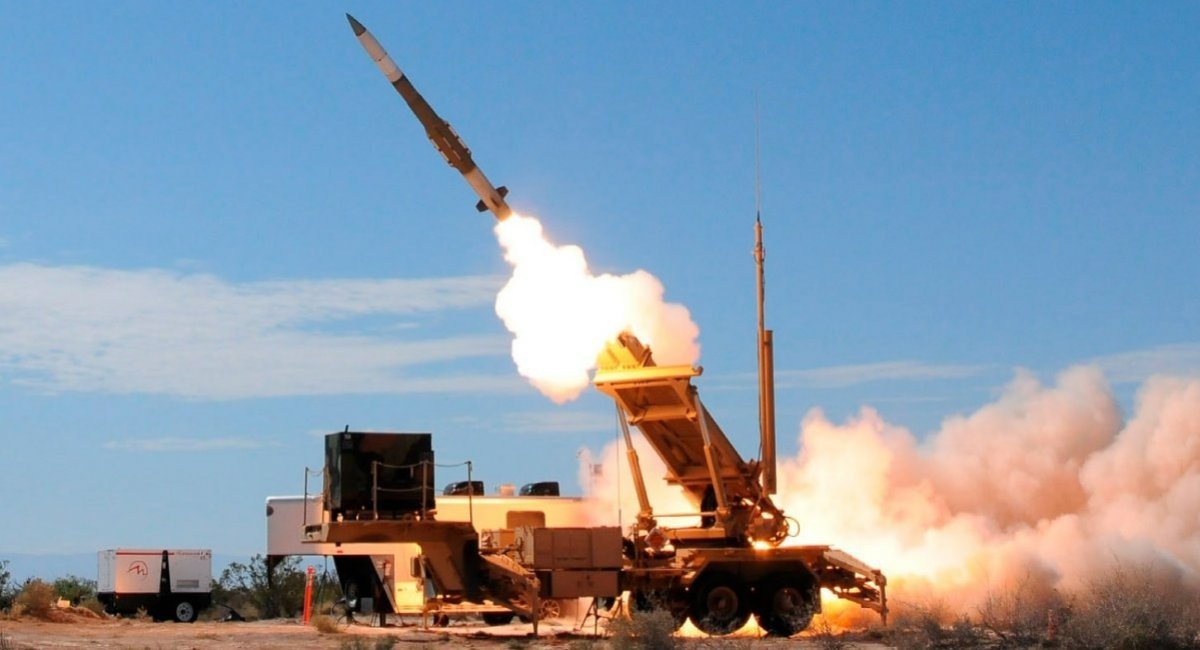
In the Middle East, as in Ukraine, Patriot plays a central role in countering ballistic threats. The U.S. operation Epic Fury and Israel's Roar of the Lion began only days ago, yet within this short period Iran has reportedly launched more than 771 ballistic missiles at neighboring countries.
In Ukraine, Patriot is effectively the only system specifically designed to intercept this class of targets. There is currently a significant shortage of interceptors, both the older PAC-3 CRI and the newer PAC-3 MSE variants capable of engaging ballistic missiles. As a result, some missiles aimed at Ukrainian cities, including those protected by Patriot batteries, still reach their targets.
Read more: A Growing Gap Between russian Ballistic Missiles and U.S. Patriot Interceptors May Make Licensing the Only Viable Option
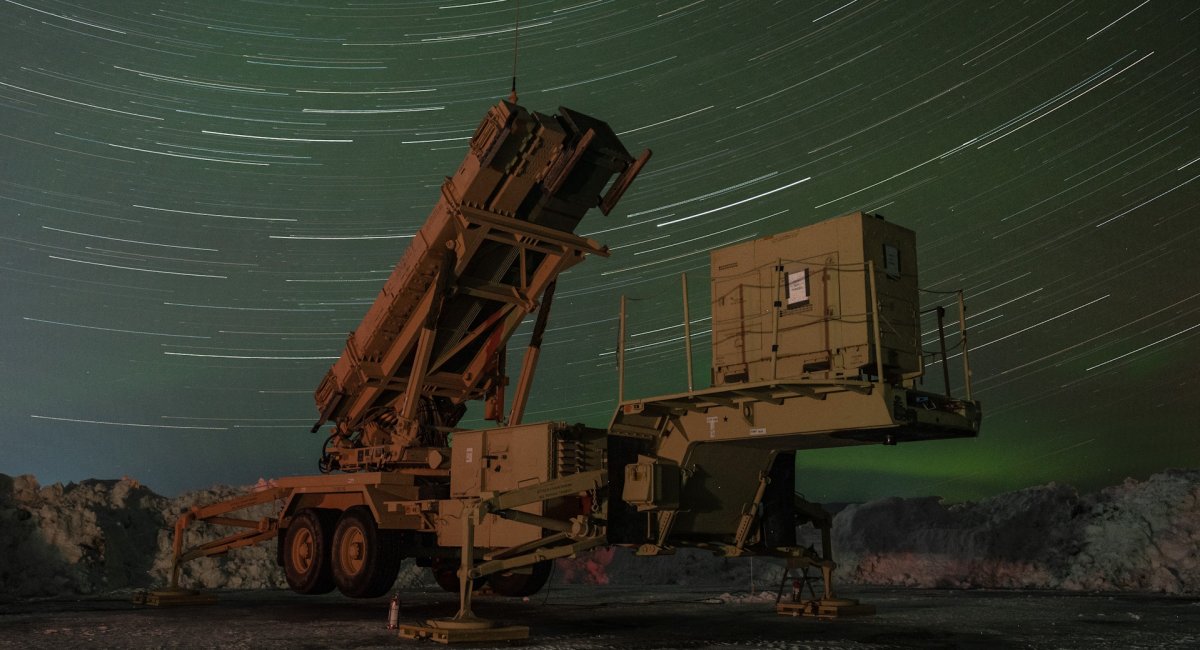
At first glance, the solution appears straightforward: increase production of PAC-3 MSE interceptors or secure licensed manufacturing to overcome the deficit. Current output remains lower than the rate at which russia launches ballistic missiles, not to mention Iran. Expanding production would significantly reduce the number of successful strikes.
However, even that would not ensure complete protection.
A recently published video of another Iranian missile strike on Al Udeid Air Base in Qatar demonstrates why.
3 Patriot missiles trying to intercept an Iranian ballistic missile, but failed.Al Udeid Air Base in Qatar. pic.twitter.com/tWaTEm95xe
— Zhao DaShuai 东北进修 (@zhao_dashuai) February 28, 2026
The footage shows a Patriot battery launching two PAC-3 interceptors, either CRI or MSE, at a single ballistic missile. This is a standard engagement procedure. Depending on target complexity, operators may fire three or even four interceptors at one incoming missile. In Ukraine, due to shortages, only one interceptor is often used per target.
The video shows both interceptors missing. Their detonation after passing the target likely indicates activation of the lethality enhancer. Although the PAC-3 MSE primarily relies on a hit-to-kill mechanism, destroying the target through direct kinetic impact, it still carries a small warhead of approximately 8 kg to increase the probability of damage.
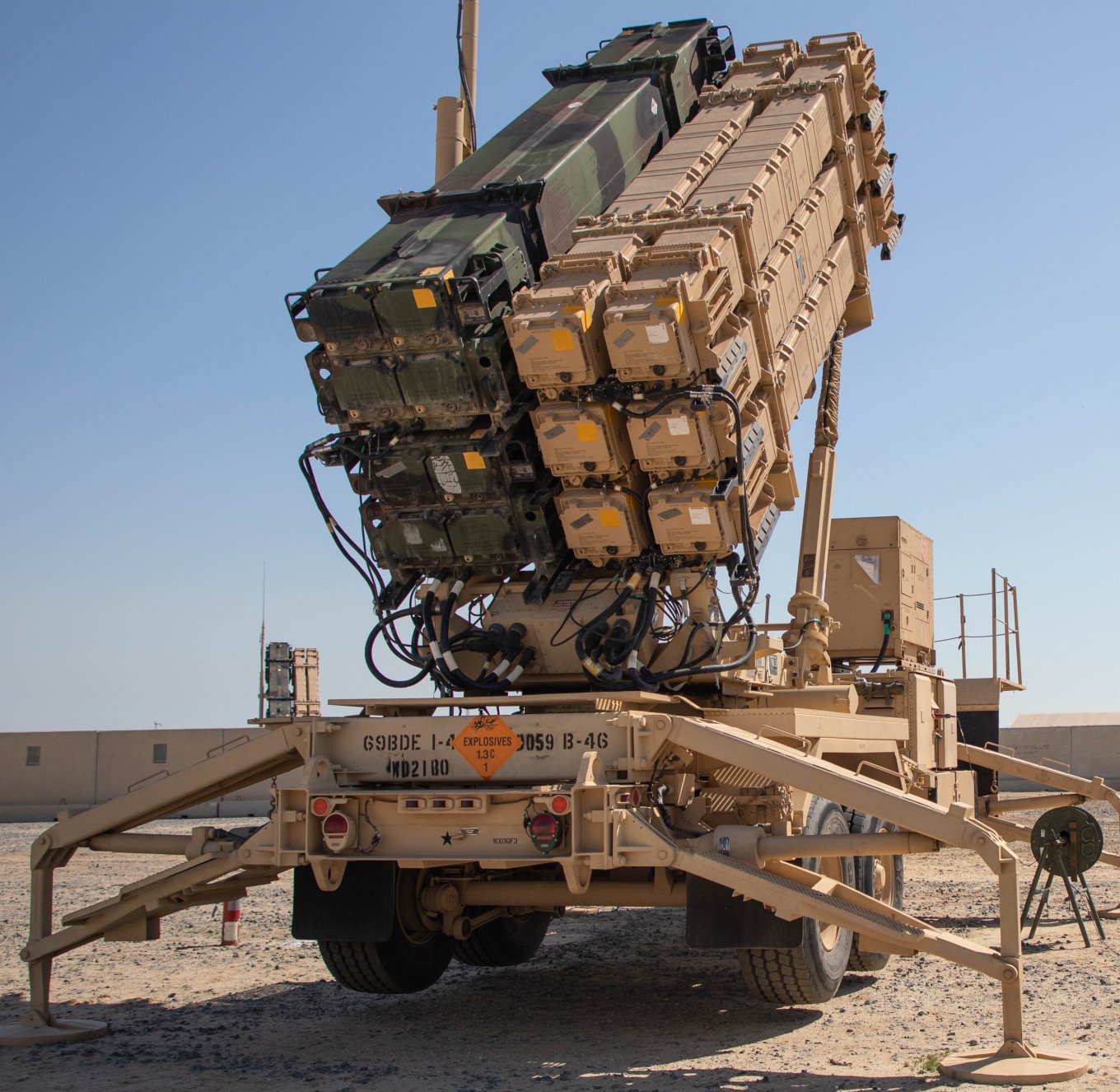
After the initial miss, the battery launches a third interceptor. It also fails, and the Iranian ballistic missile strikes the air base. In practical terms, three Patriot interceptors were unable to stop a single ballistic missile.
This occurred despite the high probability of kill associated with both CRI and MSE interceptors. The likelihood of such a failed engagement is low. However, even when multiple interceptors are fired from a highly capable system like Patriot, the probability of failure is never zero.
russian ballistic missiles used against Ukraine are likely more demanding targets than many Iranian systems due to their higher technological sophistication. For example, missiles from the 9K720 Iskander system are capable of terminal maneuvering and deploying decoys, among other countermeasures.
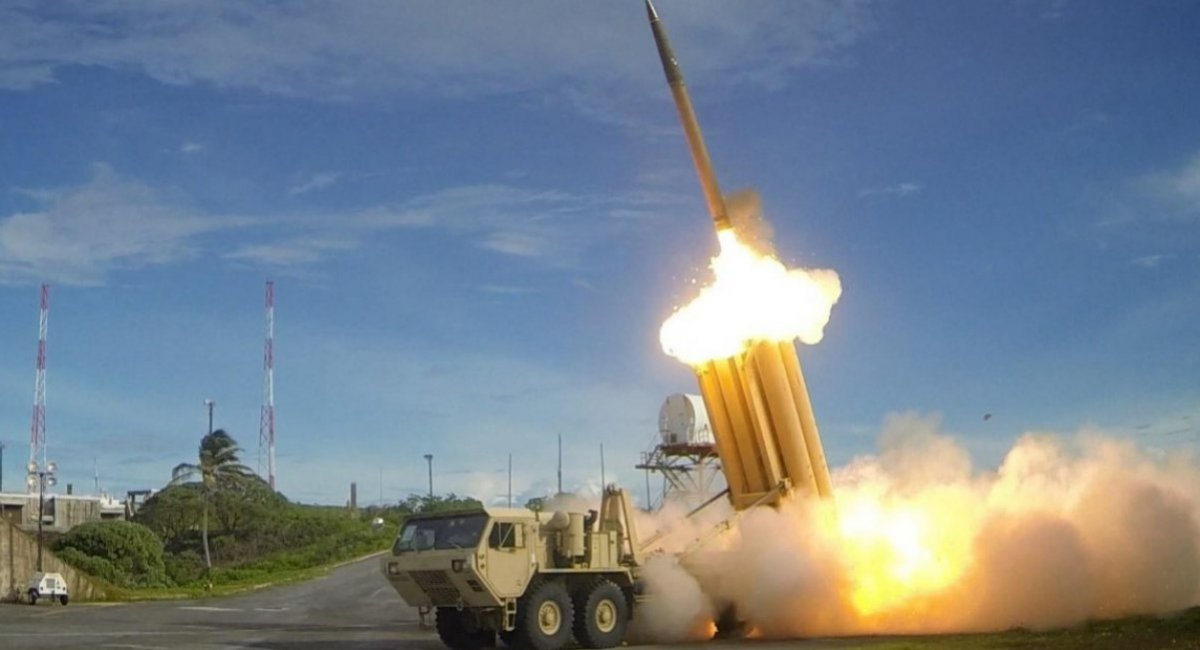
All of this underscores a key conclusion: Patriot alone is insufficient to reliably protect Ukraine's major cities from ballistic and hypersonic missile threats. A credible solution would require a layered missile defense architecture incorporating higher-tier systems such as Arrow 3 or Terminal High Altitude Area Defense. Even these systems, however, cannot guarantee perfect interception rates.
At the same time, it remains highly unlikely that Ukraine will be able to obtain such strategic-level missile defense systems in the foreseeable future.
Read more: How a U.S. Strike on Iran Could Deepen Shortages of Patriot Missiles, APKWS Rockets Ukraine Uses Against Shahed Drones