


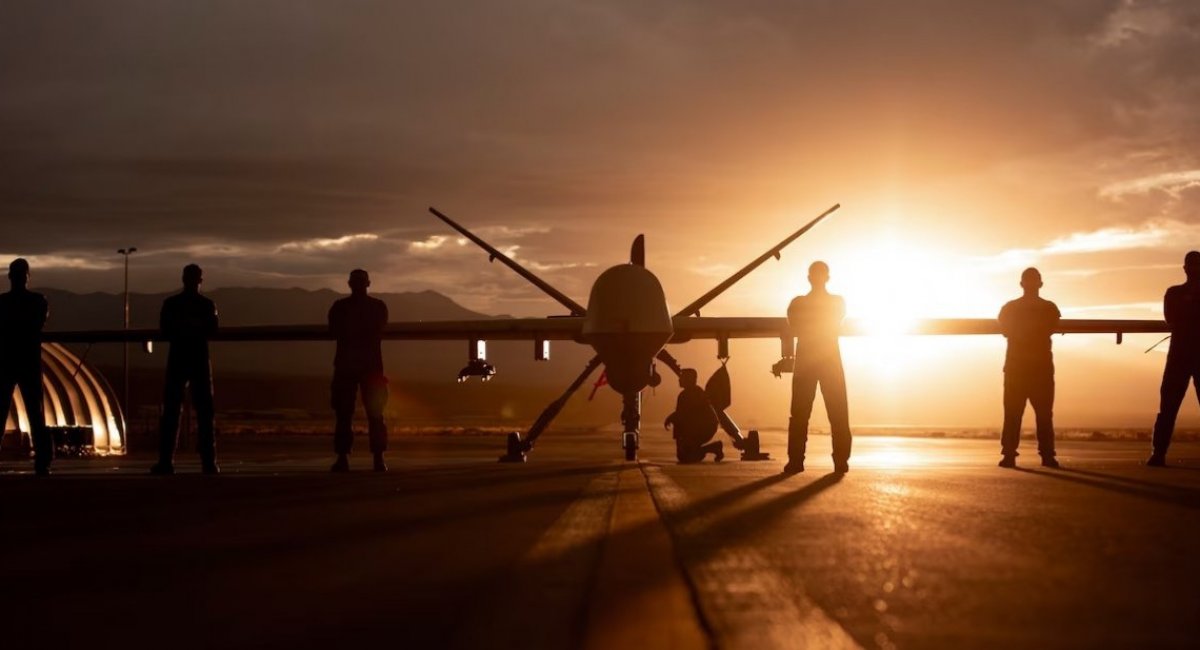
The U.S. Air Force has approved requirements for a new aircraft to replace the legendary MQ-9A Reaper drone by General Atomics Aeronautical Systems (GA-ASI), which has faced growing criticism following significant losses during the war against iran. Acting head of the U.S. Air Force’s advanced development division Major General Christopher J. Niemi disclosed this to legislators, as reported by Aviation Week.
In the view of Air Force officials, the United States should leverage the advantage of modern technologies to ultimately arrive at a flexible yet simple, mass-producible, and more cost-effective solution.
Read more: Israel's Defense Ministry Makes Very Telling Decision to Build Own Factory Rather Than Order FPV Drones From Private Manufacturers
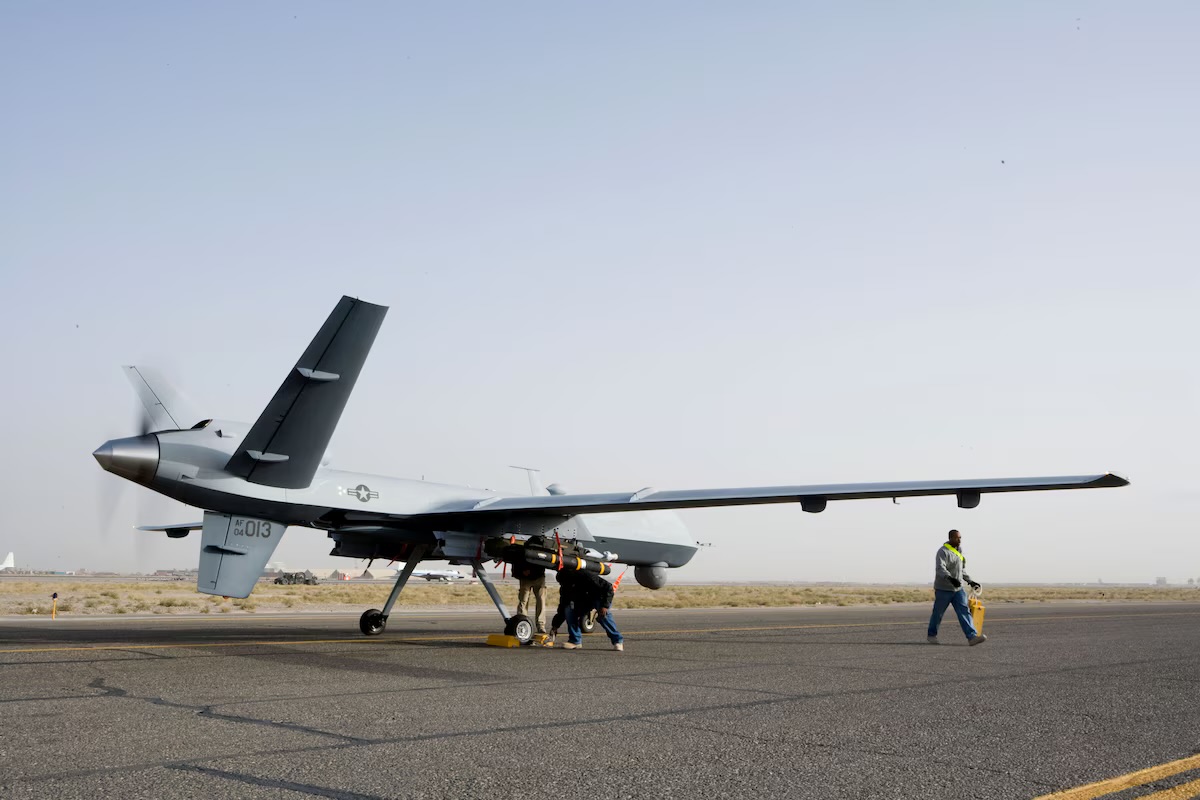
The approval of requirements for the new UAV opens the path to beginning a procurement process for a Medium Altitude Long Endurance (MALE) drone to replace the MQ-9 Reaper whose intensive use during recent combat operations against iran starkly exposed its primary weakness.
That weakness is cost. The reconnaissance-strike drone proved an easy target for an adversary with far from exceptional air defense capabilities though with the caveat that MQ-9s were assigned fairly high-risk missions, meaning the scale of losses was to some degree a conscious acceptance of risk.
During Operation Midnight Hammer, which officially lasted just over two months, the U.S. Air Force lost up to 24 MQ-9 Reaper drones representing nearly $1 billion at $40 million per aircraft, which as of mid-April accounted for approximately 26% of all U.S. military losses in iran by monetary value.
The probable technical requirements for a new MQ-9 replacement, as indicated in an industry survey conducted by the Air Force, are currently known.
These include a range of up to 1,500 km and an endurance of 20 hours less than the MQ-9A Block 5, which offers between 26 and 40-plus hours depending on configuration. When developing a cheaper alternative, trade-offs are inevitable. Today, a single MQ-9 Reaper can cost $50 million or more depending on configuration.
How much cheaper the Air Force wants the new drone to be remains unknown, as do most other details of the program. It is reasonable to assume the MQ-9 replacement will retain strike capabilities particularly given that the Reaper recently gained the ability to serve as an APKWS missile carrier, a capability that is highly relevant in modern conflicts where an adversary may launch hundreds of low-cost long-range strike drones against targets.
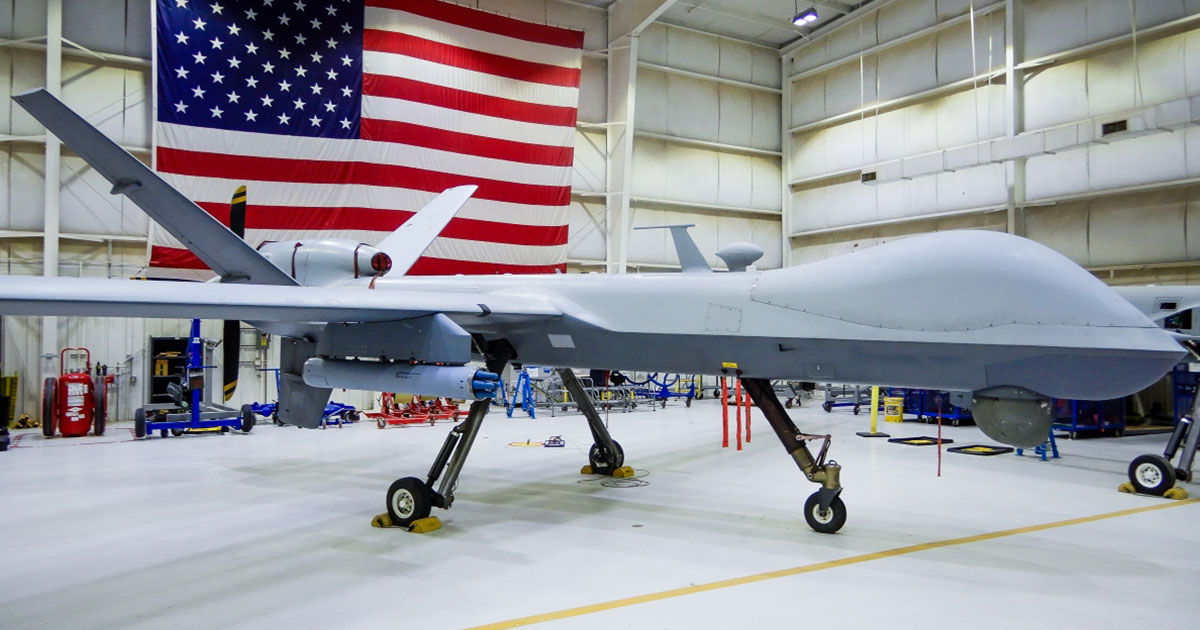
It is worth noting that this is not the first U.S. attempt to find a replacement for the MQ-9 Reaper. The MQ-Next program was discussed as far back as 2020, at which point the focus was on a low-observable platform something closer in concept to modern Collaborative Combat Aircraft unmanned fighters. The idea of developing an entire family of drones tailored to different mission sets was also considered at the time.
Read more: Golden Dome May Become the Most Expensive Defense Project in History Yet Still Fail Against russia or China