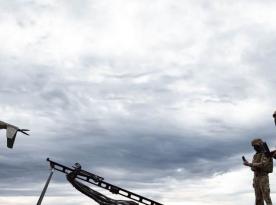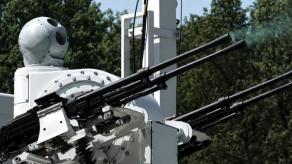



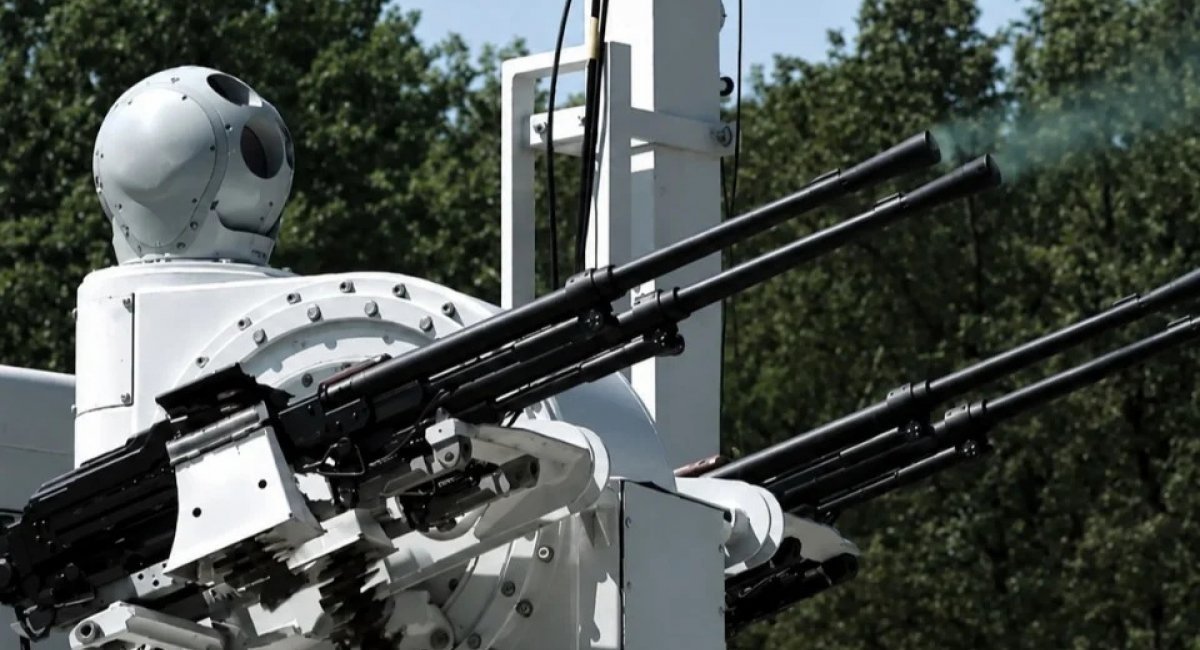
russians are seeking ways to protect their oil refineries, defense facilities, and other strategic sites from Ukrainian drones. To that end, they have demonstrated the Zubr air defense system, which has been in service for six months.
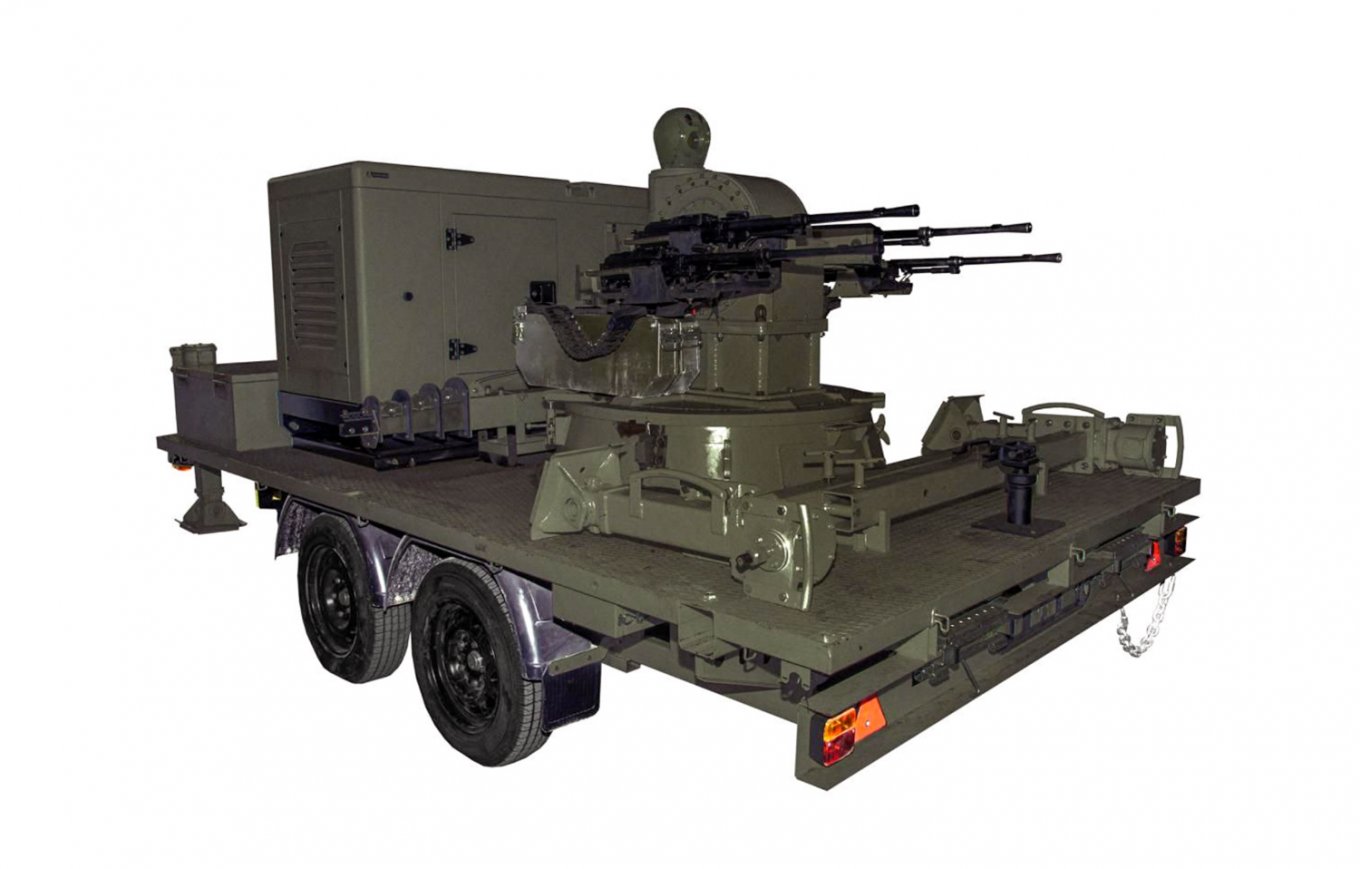
The anti-aircraft system is based on four trailers equipped with fire control modules, each of which is armed with four 7.62-mm PKT machine guns and its own electro-optical targeting system. They are integrated into a single automated system with a command post and its own radar.
Read more: russia Replaces High-Power Explosives in Artillery Shells With Weaker TA-20 — How Much Firepower It Stands to Lose
Detection and tracking are performed automatically, while the decision to fire is made by a human operator. russian State Corporation Rostec claims that the operational range of this air defense system is 1.5 km. Furthermore, in January 2026, the company announced the start of deliveries of the Zubr system to the russian Armed Forces.
From Defense Express we would like to note that each of these fire modules can be considered an automated mobile fire group. In other words, it would be more effective than a pickup truck-mounted 7.62mm machine-gun operated by a person, while offering broadly similar range and firepower, the latter being partially offset by a multi-barrel configuration.
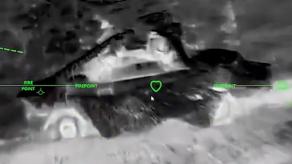
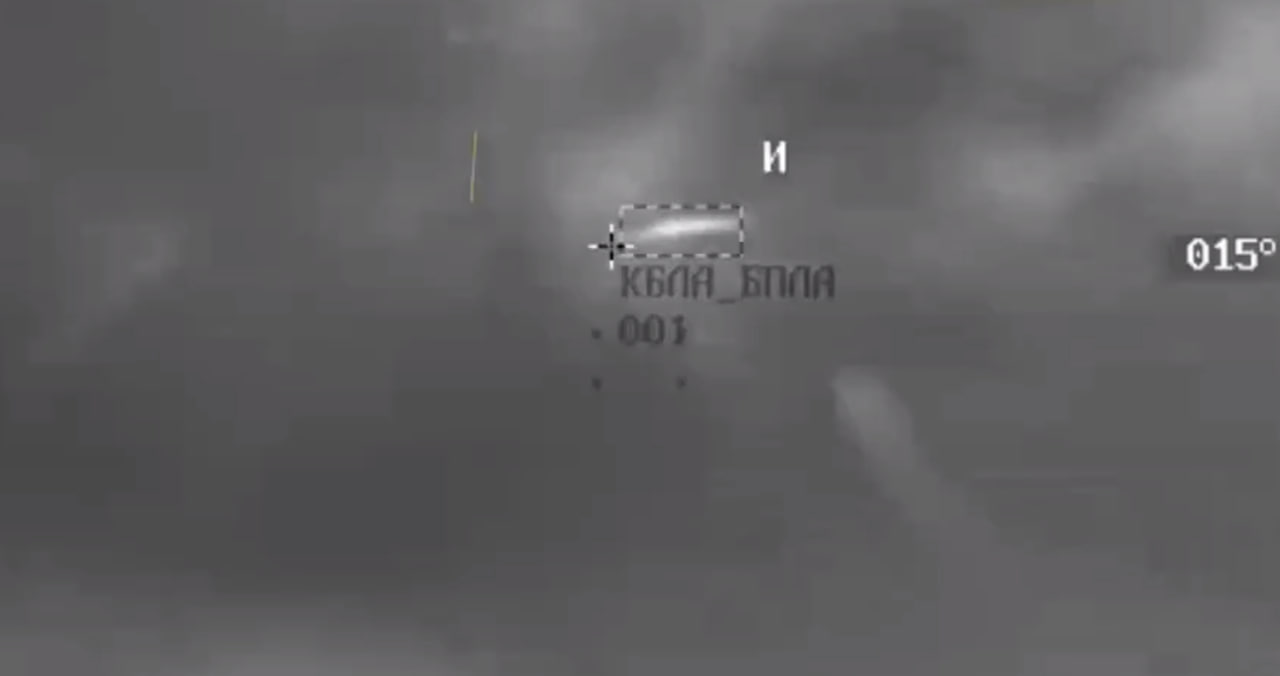
In the video, the Zubr appears to be quite sophisticated, featuring stable firing and a modern command post. Footage from the electro-optical targeting system also shows several aircraft-type UAVs being intercepted.
Overall, russia appears to have taken this issue seriously and developed an air defense system well suited to current battlefield realities, with Ukrainian drones conducting an increasing number of strikes deep into russian territory as their operational range steadily expands. Therefore, the idea of automating a mobile fire group equipped with a machine gun seems reasonable. Although mobility would be somewhat reduced, this is not a critical drawback for a system intended primarily for stationary operation.
However, for the Zubr system to have a meaningful impact on the battlefield, it would need to be deployed in large numbers, as limited deployments are unlikely to significantly affect the situation, particularly given the system's short engagement range. This depends on both the size of the order and the industry's manufacturing capacity.
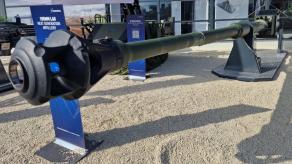
In general, russia has recently stepped up its efforts to develop additional air defense systems. While a naval variant of the TOR-M2KM is being proposed for fleet use, the 30 mm ZAK-30 Citadel has been unveiled for the protection of strategic facilities.
Read more: russia Still Wants to Build Lider-Class Nuclear Destroyers, Worth $1.5 Billion Each, But Lacks Funds and Technology