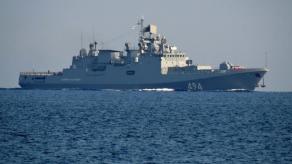


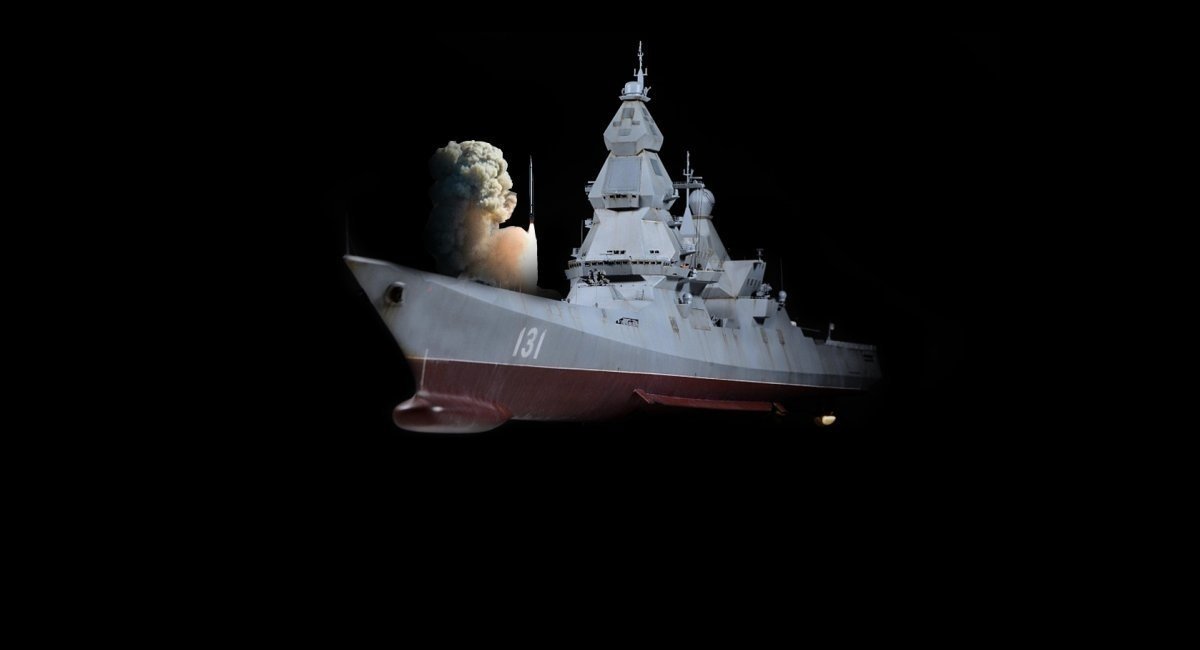
During the Armiya-2026 propaganda forum in Kronstadt, another demonstration was held of the model of the advanced Project 23560 Lider nuclear-powered destroyer, which has been under discussion since 2015.
It turns out that for over a decade, russia has planned to build 200-meter-long ships of the Lider class, each costing about $1.5 billion, despite lacking the necessary technological and resource capabilities.
Read more: What Is Point of Bombing Bridges on Crimea’s Border by Strike UAVs, If Even HIMARS, Storm Shadow Could Not Destroy Them
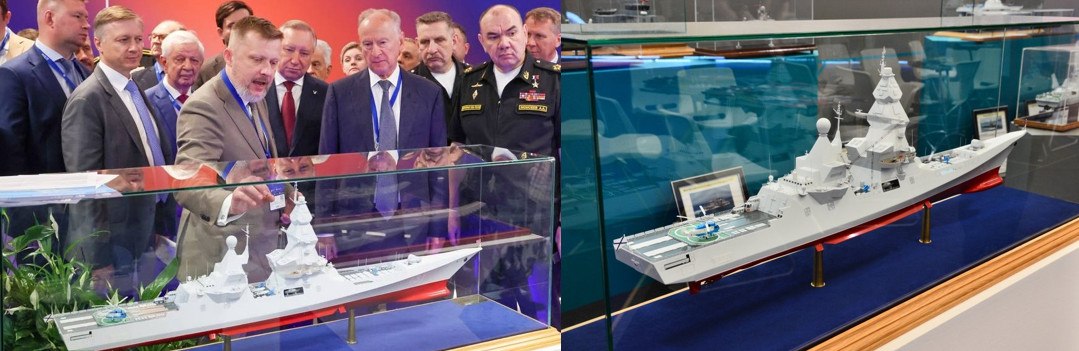
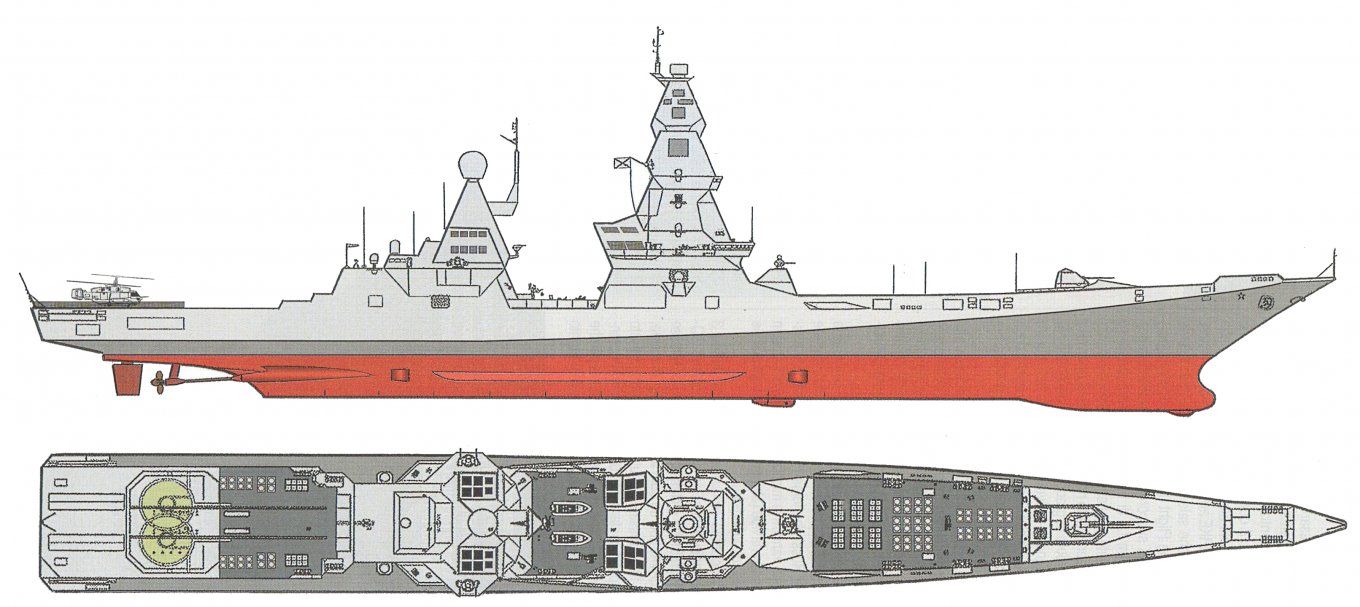
The specifications for Project 23560 Lider call for the construction of six ships, each with a hull length of up to 200 meters, a hull width of up to 23 meters, a full load displacement of up to 19,000 tons, a crew of up to 500, and an endurance of 60–90 days. At $1.5 billion per ship, the six planned vessels would cost a total of $9 billion to build.
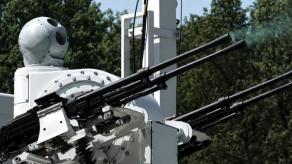
The armament would include 64 launchers for Kalibr, Oniks, and Zircon missiles, 56 launchers for the naval variant of the S-400 air defense system, 16 launchers for the Redut air defense system, one 130-mm gun and three Pantsir systems in naval variant, 12 Paket-NK torpedo tubes, as well as two Ka-27PL or Ka-32 helicopters.
If built, the Project 23560 Lider nuclear-powered destroyers would have replaced three classes of ships: Project 1164 Atlant missile cruisers (including the sunk cruiser Moskva), Project 956 destroyers, and Project 1144 Orlan nuclear-powered missile cruisers (including the Northern Fleet's nominal flagship Pyotr Velikiy and Admiral Nakhimov, which is currently undergoing sea trials after nearly three decades of modernization).
An interesting detail is that, according to the original plans, the keel-laying ceremony for the first ship of the Lider-class was supposed to take place back in 2022, but it never happened. russian naval plans envisioned construction of Project 23560 Lider nuclear-powered destroyers beginning after ten Project 22350 Admiral Gorshkov frigates were completed, nine of which have been laid down, with only two currently in service.
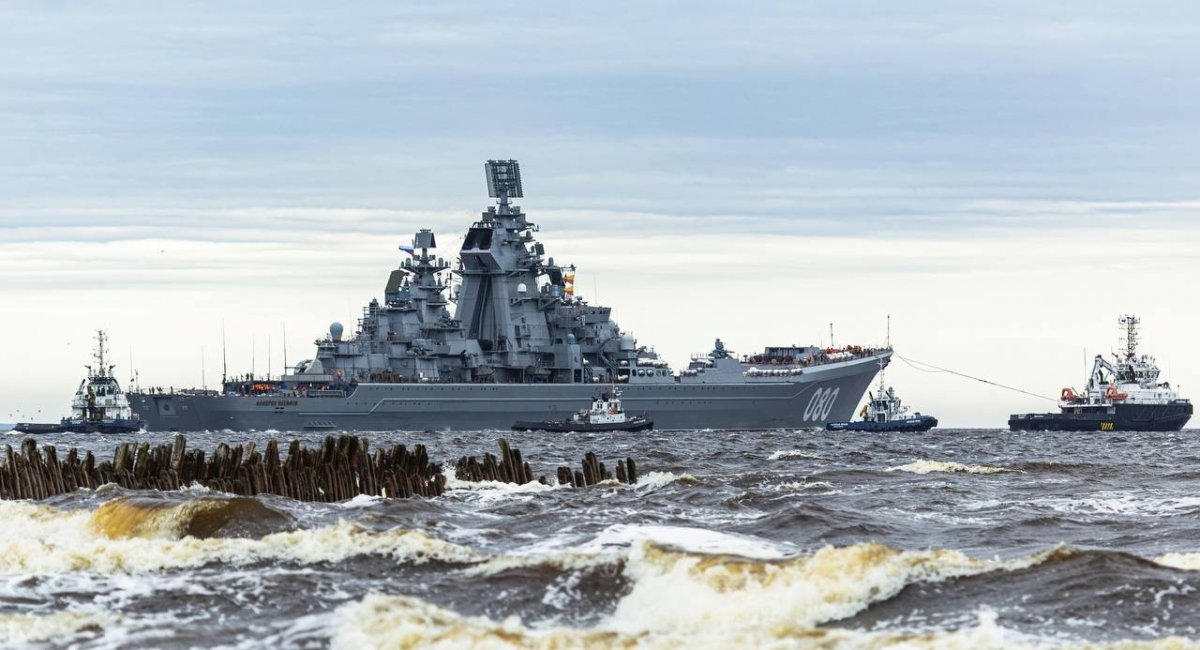
Furthermore, russia is unlikely to allocate $9 billion for the construction of six nuclear-powered ships, as military spending and economic pressures linked to the war in Ukraine continue to grow.
Against this backdrop, russia's military and political leadership has focused on larger-scale naval projects, which are considered more feasible under current conditions.
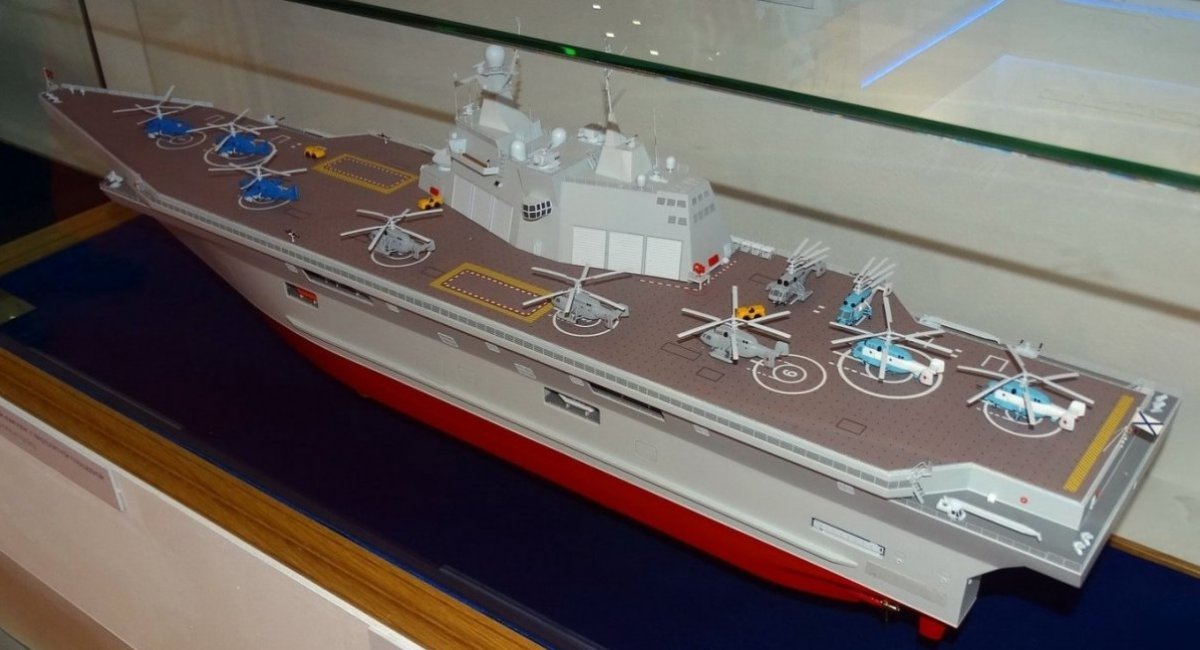
This includes the return to service of the nuclear-powered cruiser Admiral Nakhimov, on which around $5 billion has already been spent, as well as the construction in Kerch of the Project 23900 Priboy amphibious assault ship Ivan Rogov, which is expected to carry an air group of up to 15 helicopters.
Ivan Kyrychevskiy, serviceman of the Raid 413th Unmanned Systems Regiment, Defense Express expert.
Read more: Ukrainian Drones Halt Operations at Crimea Titan Plant, Key Supplier for russian Explosives, Rocket Fuel (Video)