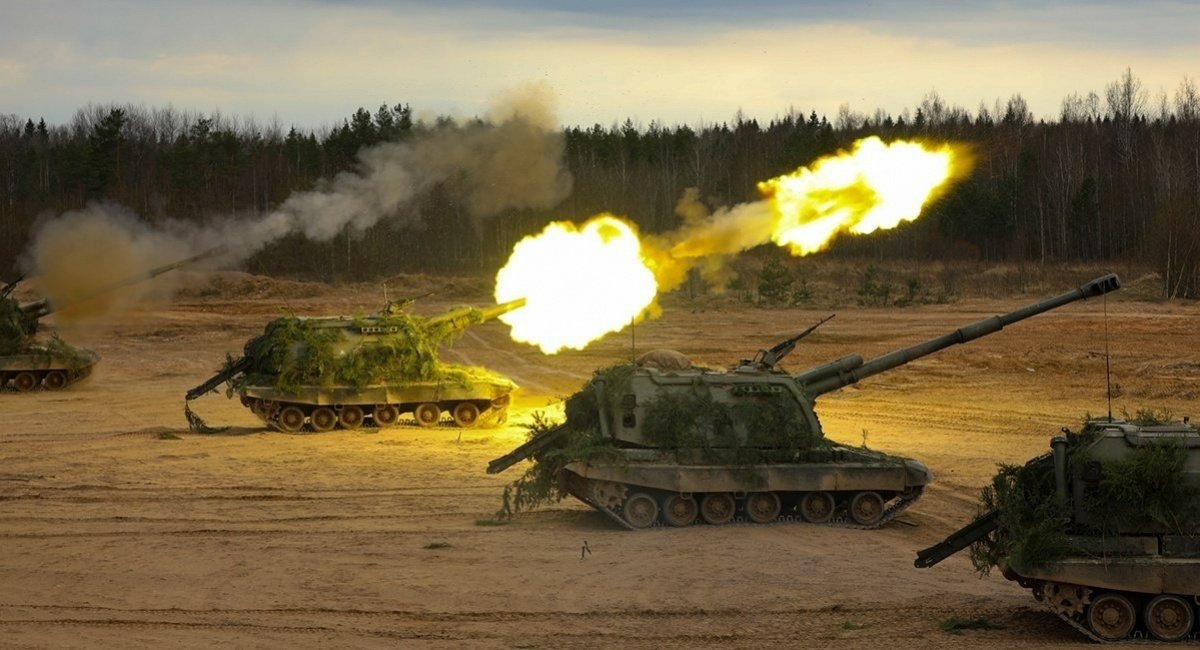
The russian defense industry is shifting en masse to filling artillery and tank shells with weaker explosives. In particular, russians are replacing the A-IX-2 explosive with the weaker TA-20, which has been used in combat for quite some time.
This was noted on X by @Helvegen29. It is known that the following shells have already been replaced: 100-mm 3OF70, 122-mm OF56, 152-mm 3OF64, 125-mm 3OF26, 152-mm 3OF25, 152-mm 3OF29, 152-mm OF59, and 122-mm 9M22U rockets.
Read more: Ukrainian Drones Halt Operations at Crimea Titan Plant, Key Supplier for russian Explosives, Rocket Fuel (Video)
To understand this development, it is necessary to take a closer look at the two explosives involved. A-IX-2 consists of 73% hexogen, 23% aluminum powder, and 4% wax or paraffin phlegmatizer, which makes the hexogen safer to handle and use.
TA-20 consists of 80% TNT and 20% aluminum powder. In both explosives, the aluminum powder is intended to enhance the high-explosive and incendiary effects by raising the detonation temperature.
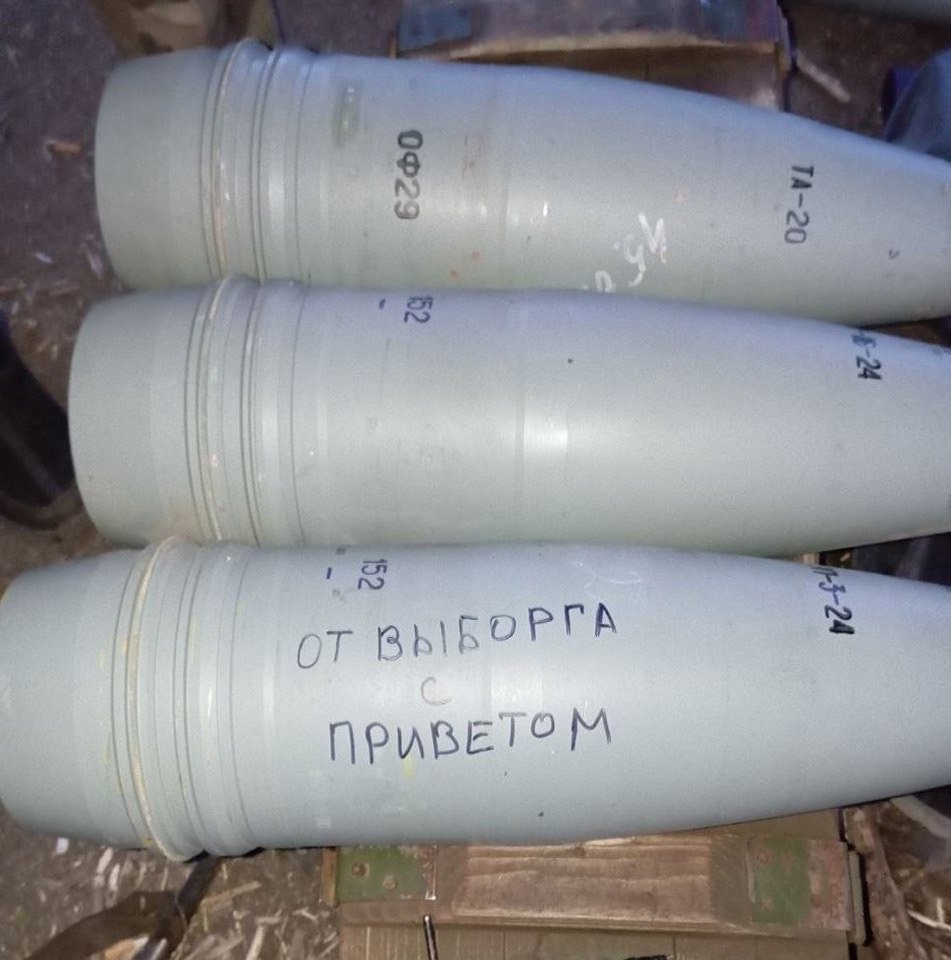
Hexogen is significantly more powerful than TNT, making the A-IX-2 mixture over 30% more powerful than TA-20. For comparison, TA-20 has a detonation velocity of about 6,000 m/s, while A-IX-2 reaches about 8,400 m/s, resulting in significantly higher explosive power and improved fragmentation.
This raises the question of why russia would replace a powerful explosive with a weaker one. The production of hexogen is significantly more complex and expensive than that of TNT. Its synthesis is complex, requiring specific raw materials, time-consuming processes, and expensive production facilities. Even loading shells with it is more difficult than with TNT or TNT-based explosive mixtures.
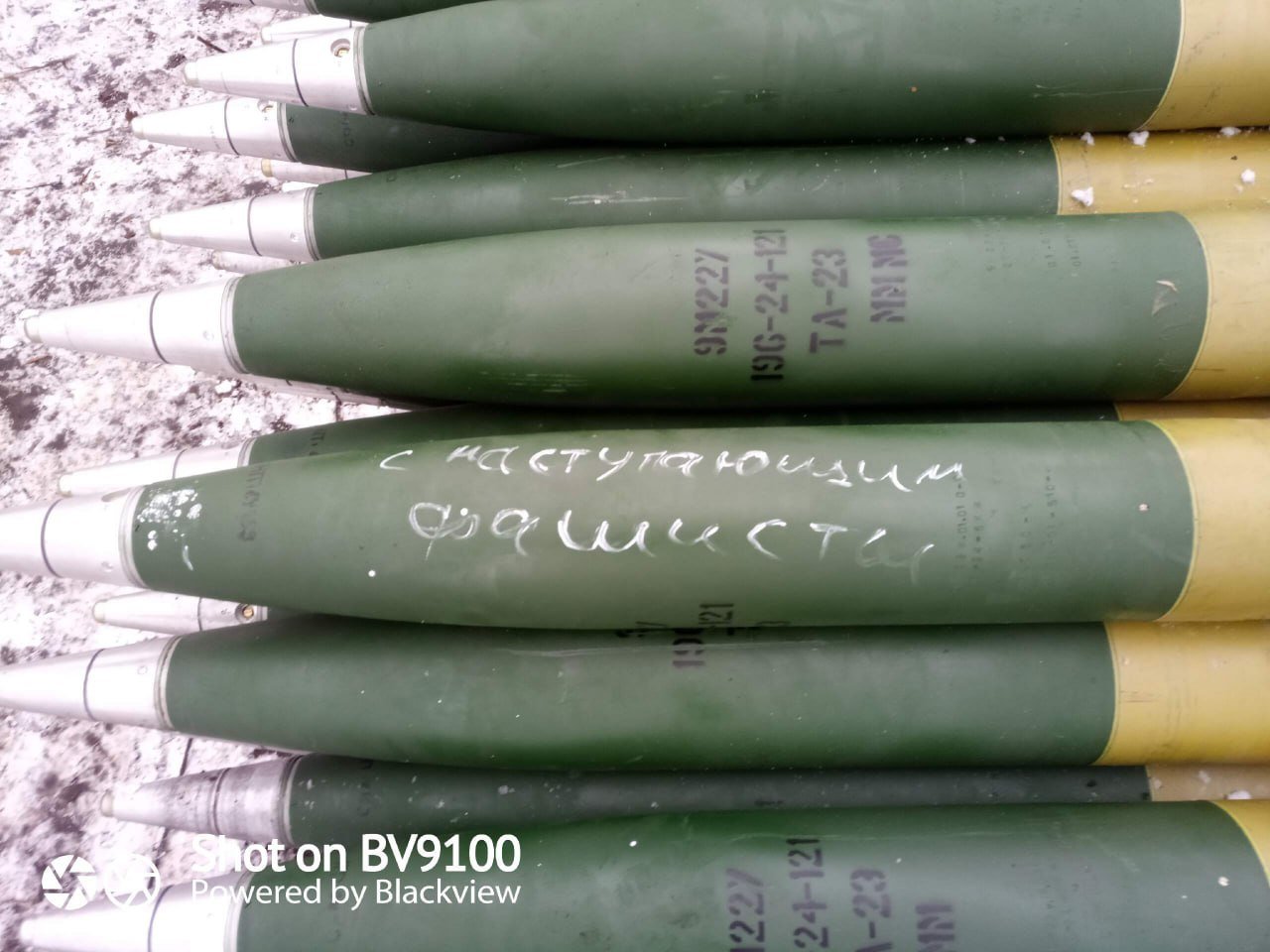
When there is an urgent need for large quantities of inexpensive shells, the defense industry shifts to cheaper explosives such as TGA (a mixture of TNT, hexogen, and aluminum powder in varying proportions) or to TA-20, which contains no hexogen.
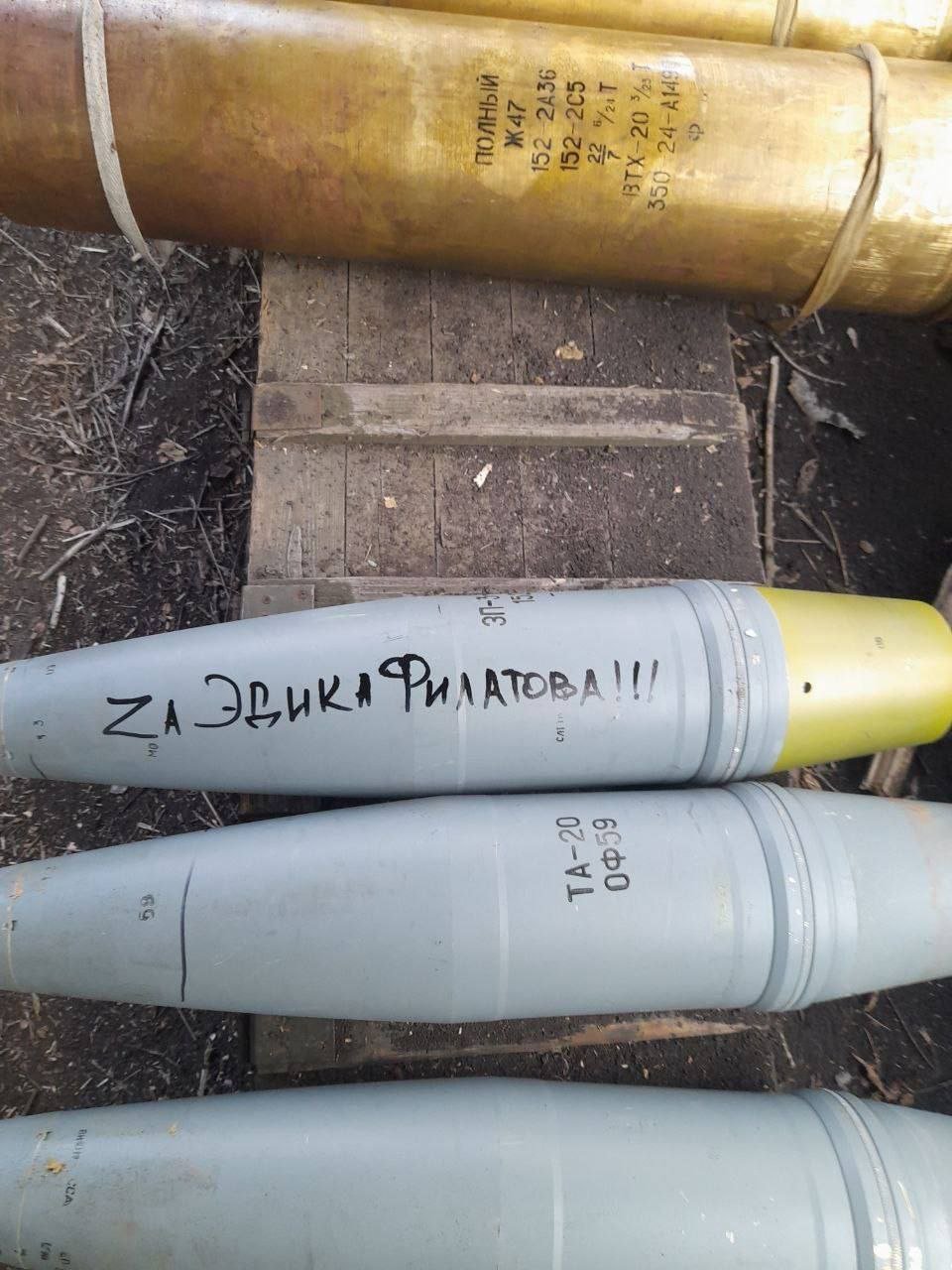
Shells loaded with A-IX-2 are typically produced in peacetime, when there is no need to minimize costs or accelerate production. Therefore, it is not surprising that russia has shifted from A-IX-2 to the cheaper TA-20, a transition that has likely been taking place gradually since the start of the full-scale invasion of Ukraine.
Read more: russia Unveils Naval Tor-M2KM Air Defense Module to Protect Warships From Ukrainian Drones, But Will It Actually Help?