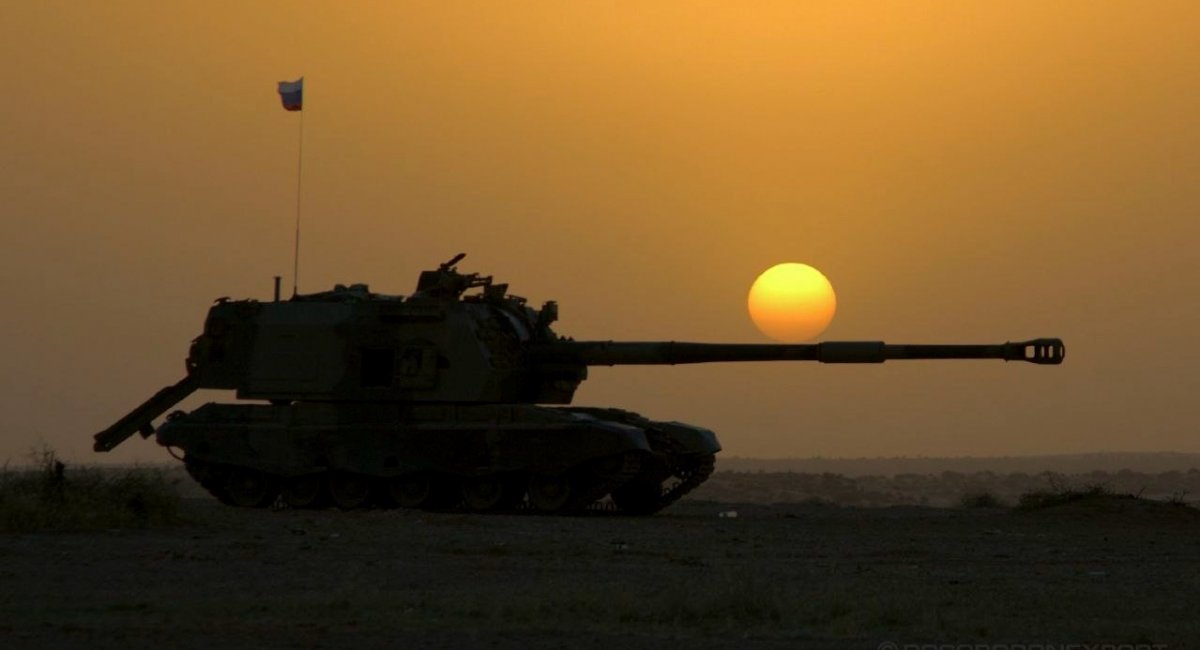
The story behind India's selection of the K9 is particularly noteworthy because, in 2015, the South Korean system convincingly defeated its russian competitor, the export version of the 2S19 Msta-S, in a long-running procurement competition.
India’s search for a tracked self-propelled artillery system lasted for years and went through several unsuccessful attempts before reaching a final competition between two contenders. One was the K9 Thunder, produced by Samsung Techwin (now Hanwha Defense) in partnership with India’s Larsen & Toubro. The other was russia’s 2S19M1 Msta-S, offered in cooperation with Indian state-owned companies OFB and BEML.
Read more: India Plans to Buy 300+ More K9 Vajra-T Howitzers in $2.75bn Deal, Pushing Its Fleet Past 500 Systems
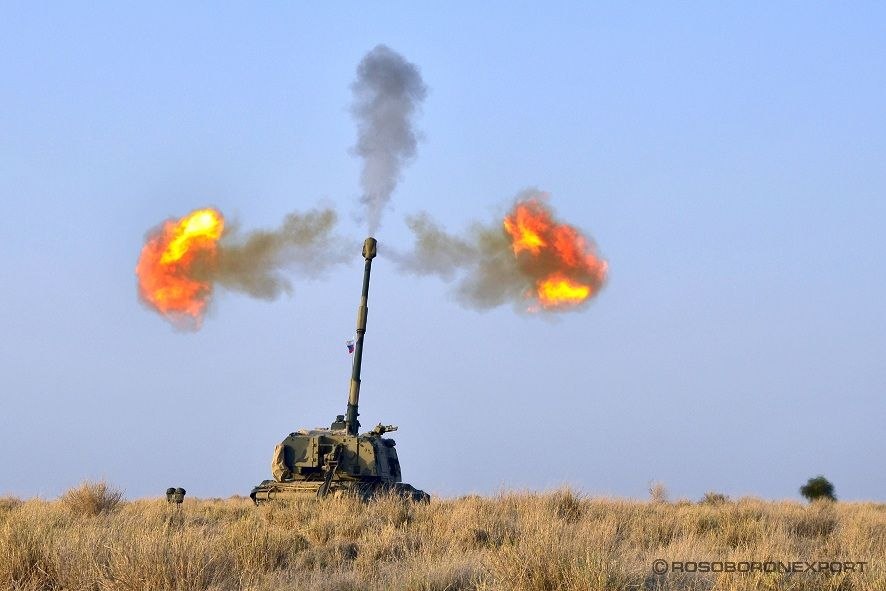
To meet India’s artillery modernization requirements, russia proposed an export version chambered for 155 mm ammunition with a 52-caliber barrel, as India had standardized its artillery procurement around NATO-compatible ammunition.
The evaluation process lasted nearly two years, and the outcome proved highly disappointing for russia. The Msta-S failed several key trials that were particularly important to Indian requirements, ultimately losing to the South Korean K9.
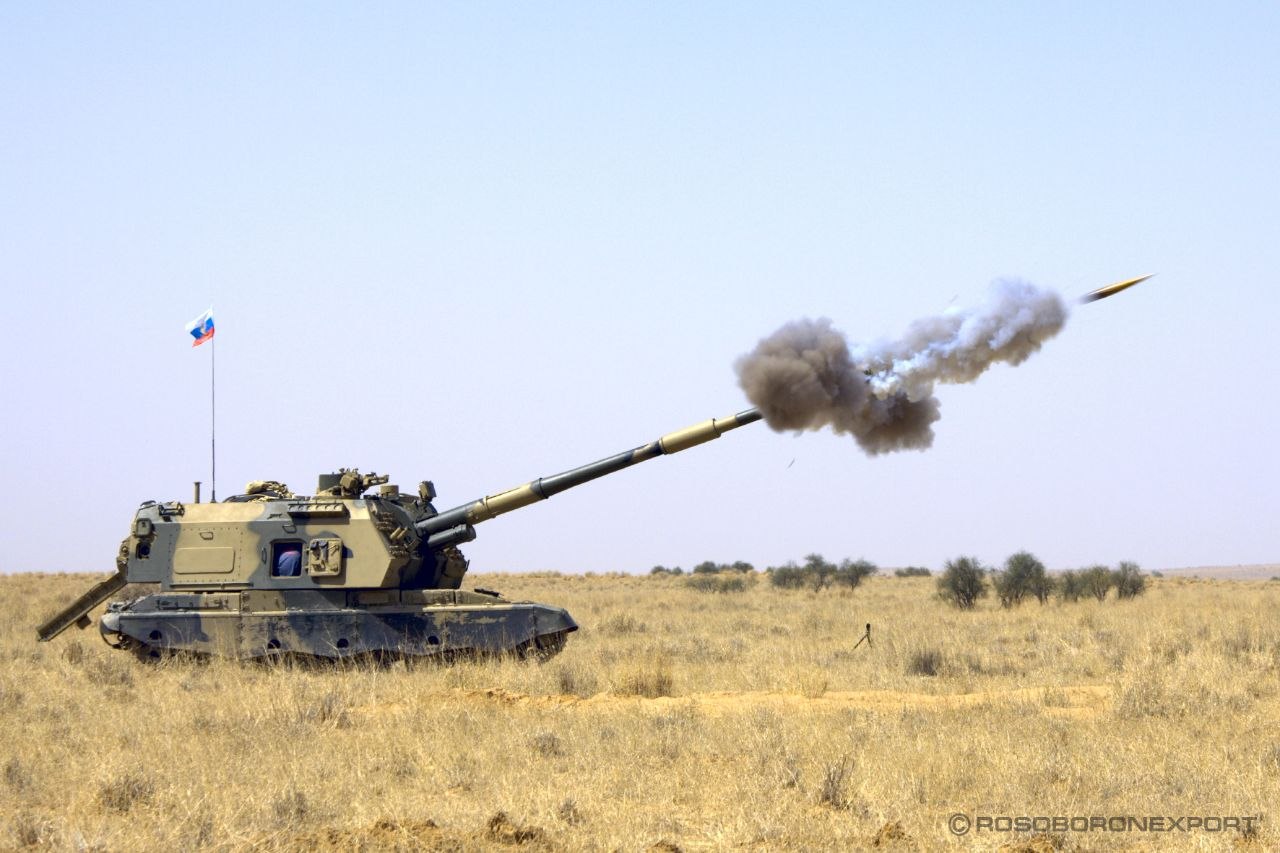
One of the most significant shortcomings involved operations in extreme environmental conditions. During testing in hot-weather and high-altitude environments, where thinner air reduces engine performance, the Msta-S demonstrated inferior mobility. The vehicle also experienced difficulties negotiating steep slopes.
The K9, by contrast, performed considerably better under the same conditions. Its automatic engine-management system allowed it to adapt more effectively to challenging terrain and environmental factors. South Korea also offered India a customized version of the system featuring an upgraded air-conditioning system, enhanced dust protection, and locally integrated communications equipment.
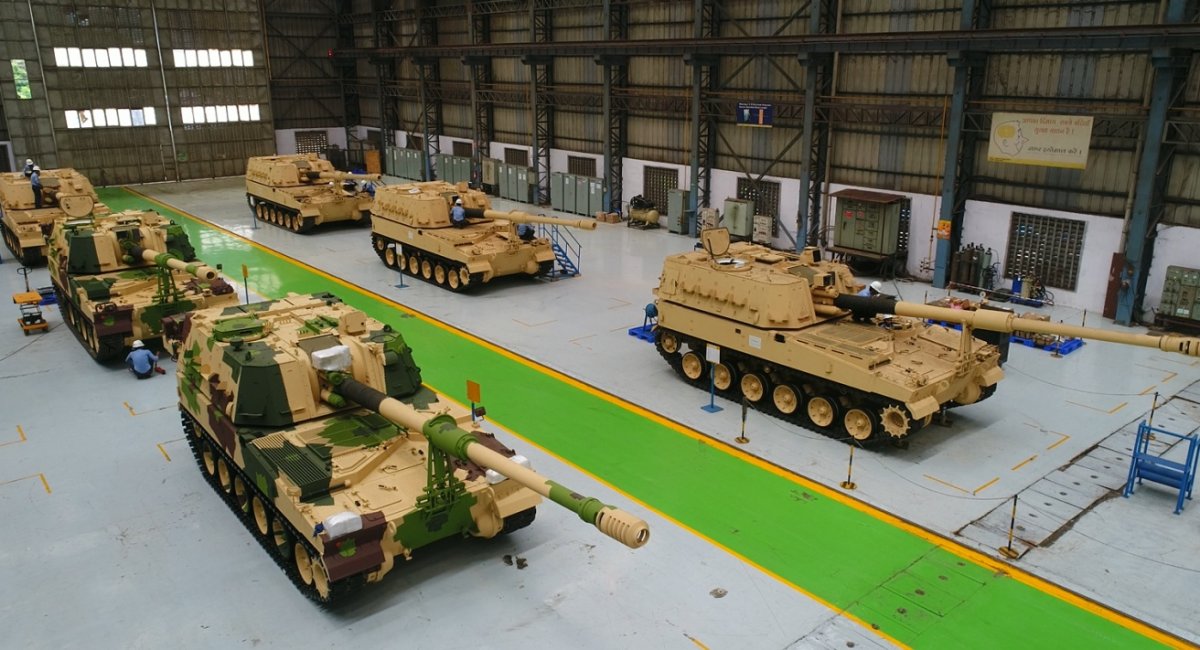
Additional details from the trials further highlighted the K9’s performance. The South Korean howitzer reportedly fired 587 rounds during testing, including Indian-made ammunition, and completed approximately 1,000 km of mobility trials.
The results ultimately led India to select the localized K9 Vajra-T, which has since become one of the country's primary self-propelled artillery platforms and is now poised for further expansion.
Earlier, Defense Express reported that the Czech Republic has not received a single Caesar self-propelled howitzer in five years, with no end in sight to the delays despite having already paid almost the full contract value.
Read more: Ukrainian Buvala Battalion Strikes russian Msta-S, Gvozdika and Tyulpan Systems in Belgorod Region (Video)