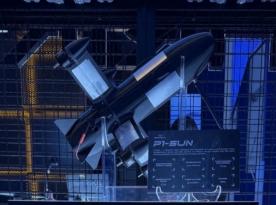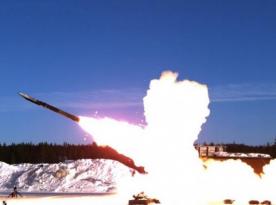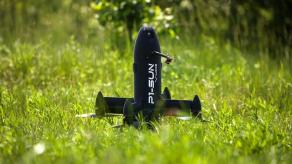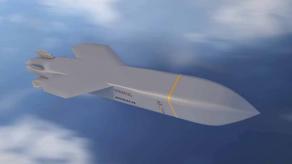



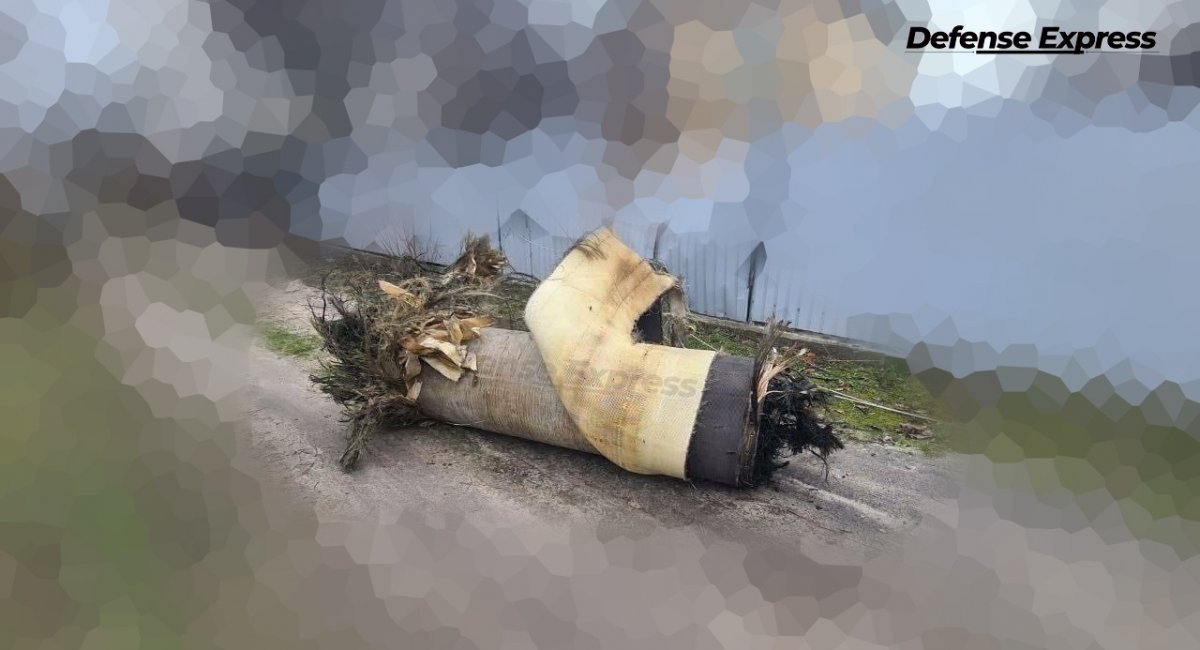
russia has begun systematically employing Zircon hypersonic missiles in large-scale combined strikes against Kyiv. Two weeks ago, on June 2, the enemy launched eight such missiles. During the latest attack on the night of June 15, six more were reportedly used.
At the same time, the Zircon appears noticeably louder than other russian missiles. Even residents sheltering underground reported hearing distinctive double blasts associated with these weapons. During the June 2 attack, for example, Zircon missiles that were not intercepted produced a particularly characteristic sound signature.
Read more: russian Airstrike on Ukraine Includes Oreshnik, Kinzhal, Zircon, Ballistic, Cruise Missiles and Shahed UAV Swarms
The intensity of that sound does not seem consistent with the size of the missile's warhead. Available information indicates a warhead weighing approximately 90 kg, although some estimates put it at 120 kg. Of that weight, only about 50 kg consists of explosive filler, reportedly Okfol.
In other words, the Zircon's warhead is roughly four to five times smaller than those carried by the 9M723 Iskander-M ballistic missile, the Kh-101 cruise missile, or the Kalibr cruise missile. In terms of destructive payload, it is closer to a doubled Shahed warhead, which is also estimated at around 90 kg.
That said, the effects of a roughly 100 kg warhead are amplified by the missile's enormous kinetic energy at impact. In addition, residual liquid fuel may still be present when the missile reaches its target. The Zircon is powered by a scramjet (supersonic combustion ramjet) engine, and any remaining fuel can contribute to the overall destructive effect.
However, this still does not fully explain why Zircon strikes are often perceived as significantly louder than impacts from other russian missiles.
The key factor is that the Zircon approaches its target at supersonic speed, generating a Mach cone. Because sound waves cannot propagate ahead of a supersonic object, they accumulate into a shock wave that forms a cone-shaped pressure front.
The same phenomenon can be heard when a supersonic fighter aircraft flies overhead or when an air-launched ballistic missile such as the Kh-47M2 Kinzhal passes through the atmosphere.
As a result, one of the two "explosions" people hear during a Zircon attack is often not an explosion at all, but rather the missile's sonic boom. The second loud sound is typically the detonation of the warhead itself or the missile's destruction after being intercepted by a Patriot air-defense missile.
In some cases, observers may also mistake the launch of an interceptor missile and its own transition to supersonic speed for an additional explosion, as that process generates another Mach cone and accompanying shock wave.
It is worth recalling that, according to Ukraine's Defense Intelligence, russia's monthly production of Zircon missiles is estimated at only three missiles per month, while the accumulated stockpile reportedly stood at up to 230 missiles as of May.
Read more: Missiles Capable of Intercepting Iskander, Kinzhal, Zircon to Be Produced 50% Faster After Raytheon Expansion