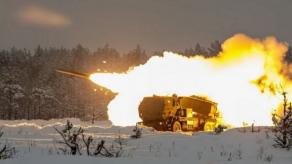



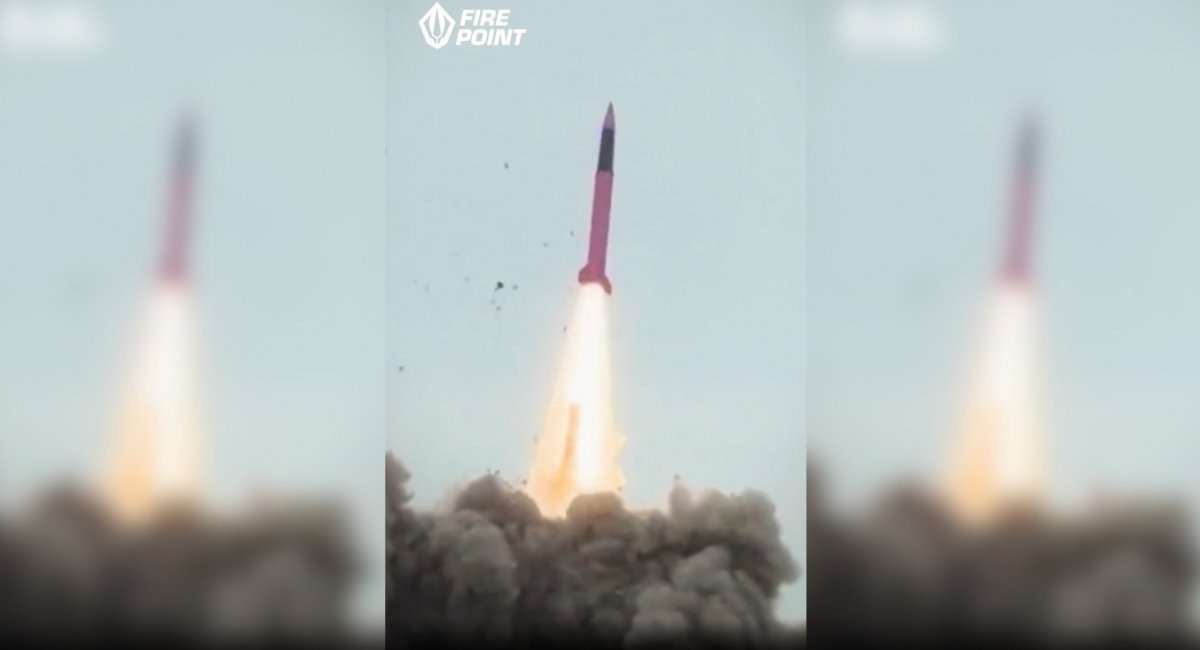
The video was published by Fire Point Chief Technical Officer and CEO Iryna Terekh. It shows the FP-7 completing its second successful flight test and, notably, its first fully guided flight. The missile's first known launch took place in late February this year.
This second test is especially important because the missile involved was not the baseline FP-7, but the FP-7.x variant, which is expected to form the technological basis for the future Freya interceptor.
Read more: Fire Point Demonstrates FP-7 System: 200 km Ballistic Missile with 150 kg Warhead (Video)
According to Terekh, the FP-7.x performed a fully guided maneuvering flight during the test. The published footage shows the missile correcting its trajectory shortly after launch. Additional maneuvering phases likely occurred outside the visible portion of the video.
One of the key factors determining Freya's ability to intercept ballistic threats such as the Iskander-M will be the maneuverability and controllability of the FP-7.x platform. To reliably defeat a ballistic target, it is not enough for an interceptor to detonate nearby. It must achieve a direct hit on the target's warhead using the so-called hit-to-kill principle.
Such precision must be maintained even when the incoming ballistic missile is actively maneuvering at hypersonic speeds. The interceptor's ability to rapidly adjust its trajectory will therefore be critical for the overall effectiveness of the system.
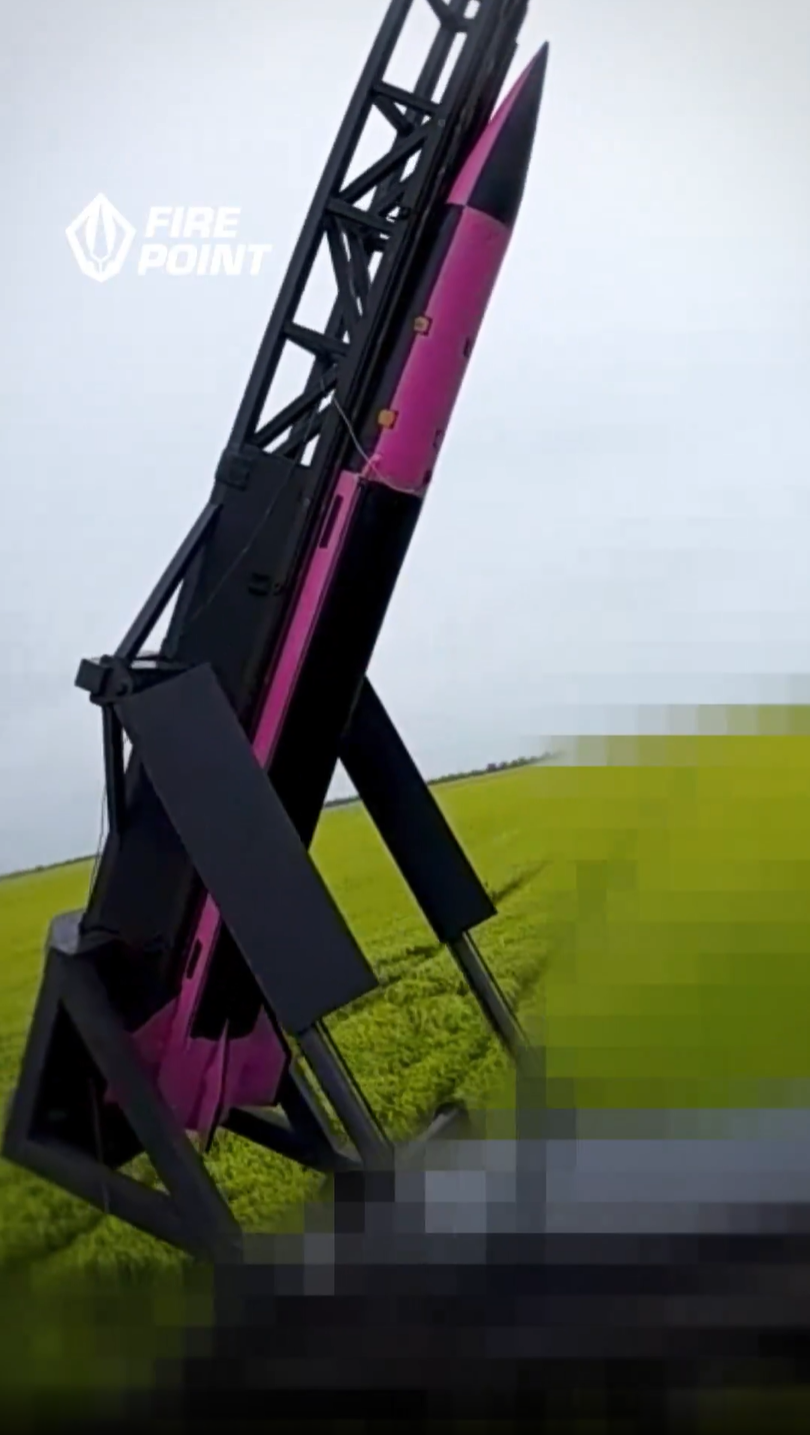
An interesting detail of this test was the appearance of several FP-7.x components painted pink, unlike in the previous launch. This may reference the FP-5 Flamingo missile, which received its nickname after being painted pink during early test campaigns.
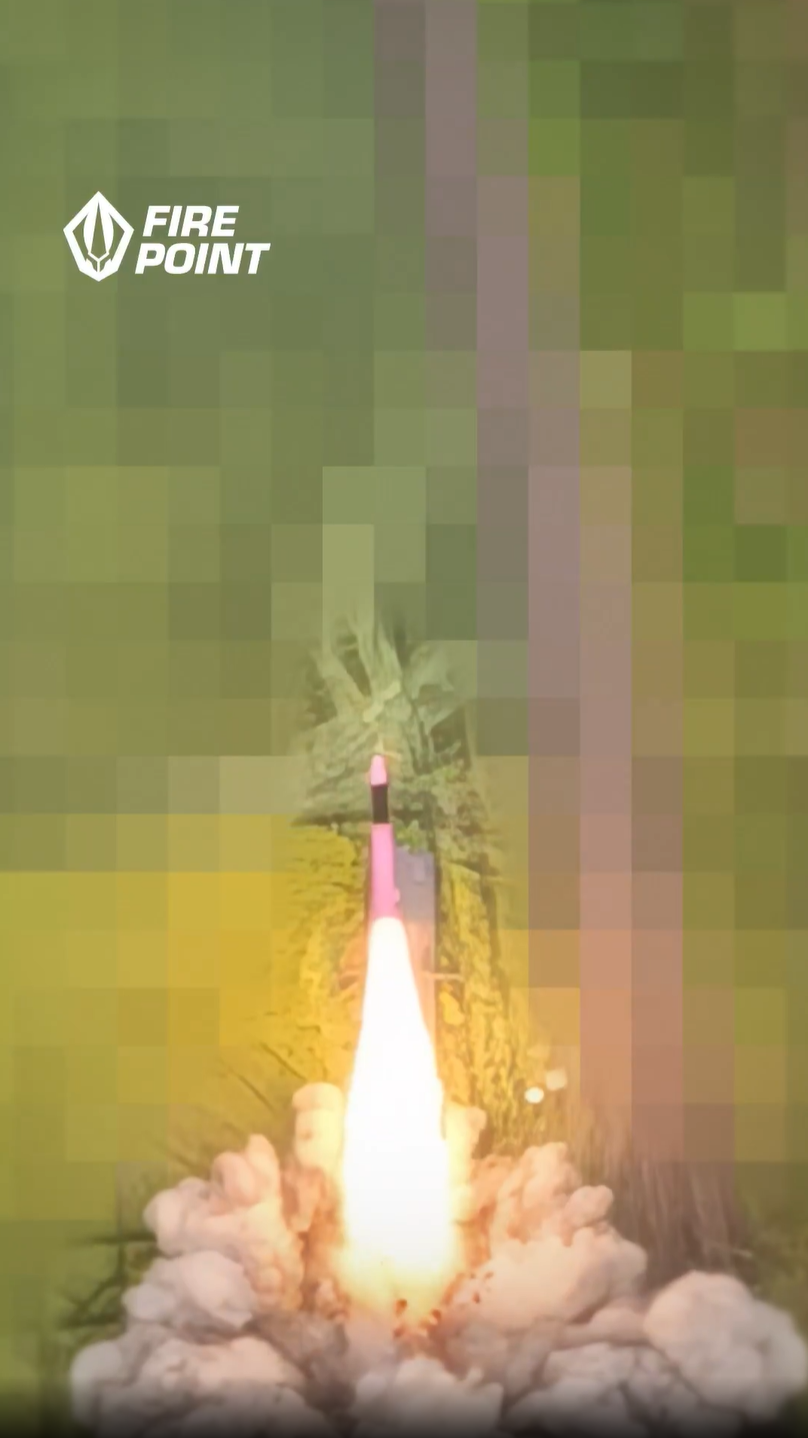
However, as was likely the case with the FP-5, the pink paint on the FP-7.x likely serves a practical role as well, improving visual tracking and assisting recovery teams in locating debris after impact.
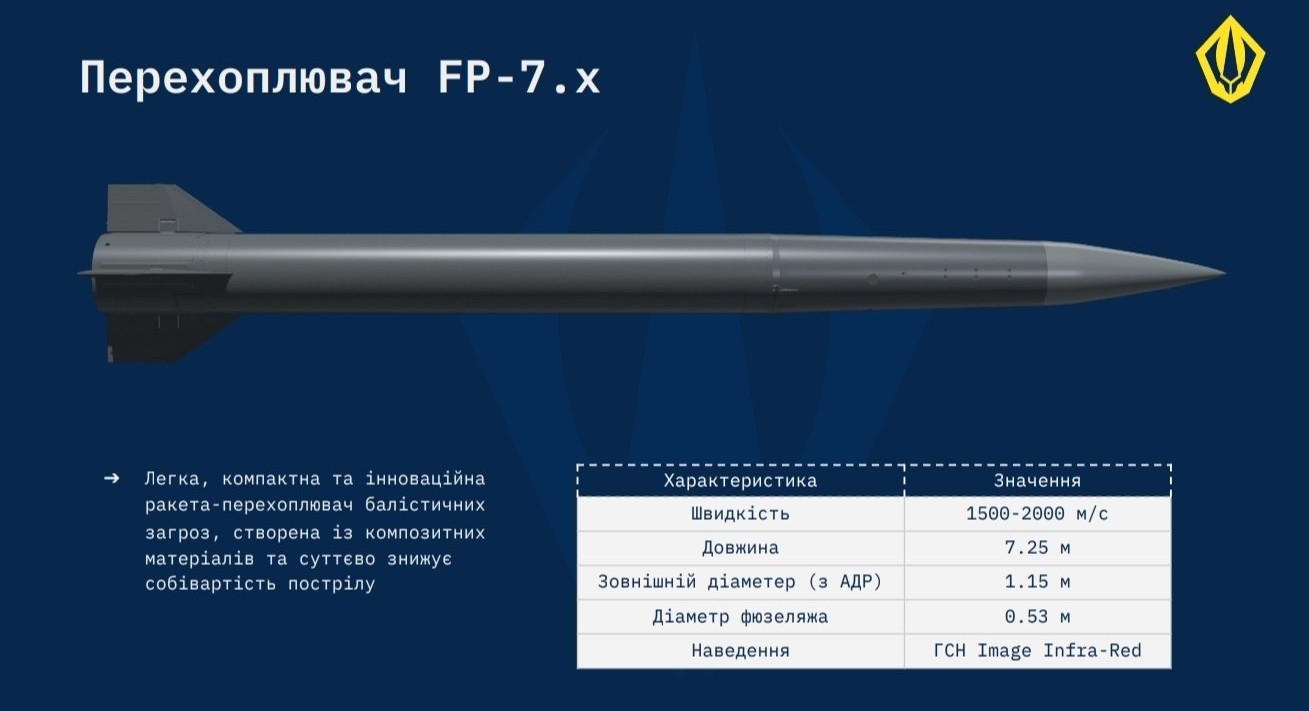
According to current plans, the Freya interceptor will have a speed of 1,500–2,000 m/s, a length of 7.25 meters, and a fuselage diameter of 0.53 meters. Like the baseline FP-7 ballistic missile, it will use a composite airframe designed to reduce production costs.
The broader air-defense system is expected to integrate existing technologies and components already available in Ukraine and across Europe. This approach should significantly reduce both development time and program costs, which remains a critical factor for Ukraine.
Earlier, Defense Express examined the key differences between the future FP-7.x-based Freya interceptor and the PAC-3 MSE missile used in the Patriot air-defense system, a highly effective but limited-availability solution for ballistic missile defense.
Read more: Is Pentagon Considering Ukrainian FP-7.x as New Cheap Anti-ballistic Missile for Patriot SAM to Replace PAC-3 MSE