


Tracking russian activity and responding in time to threats such as strike drones is becoming more important by the day. Finland, Norway, Denmark, and Sweden are therefore exploring a possible joint procurement of new airborne early warning and control (AEW&C) aircraft, the last two of which in the region were transferred to Ukraine.
The option was outlined by a Finnish parliamentary working group in a report on national defense requirements for the 2030s. The report notes that the possibility is currently only being studied, with neither the number of aircraft nor their type specified.
Read more: Canada Quietly Signed $1.87bn HIMARS Deal, Then Got Caught After Pledging to Buy Canadian
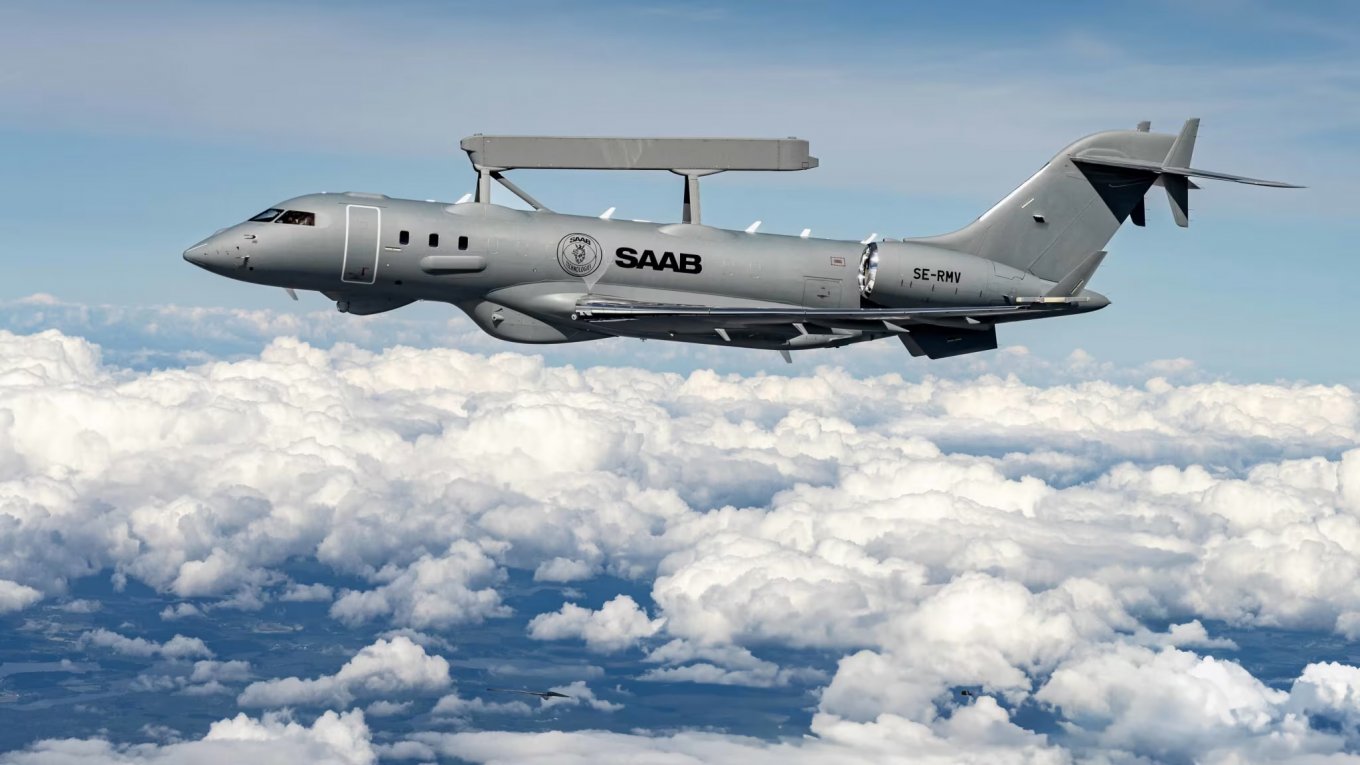
The primary role of the new aircraft would be countering low-altitude targets. Janes added that this development comes approximately 25 months after Saab announced it was expecting a deal of this kind for its GlobalEye.
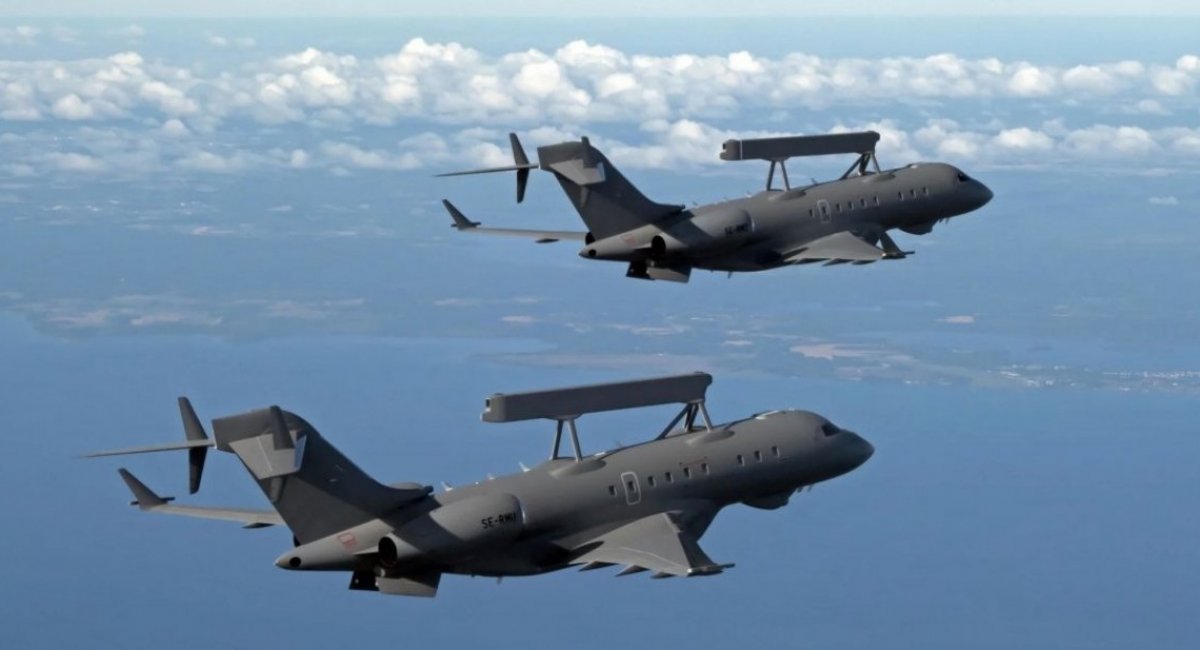
Defense Express notes that if a joint procurement does go ahead, the Saab GlobalEye would in all likelihood be the chosen platform. The reasoning is straightforward: it is the only European AEW&C aircraft in production, is already manufactured and on order for Sweden, and therefore makes obvious sense.
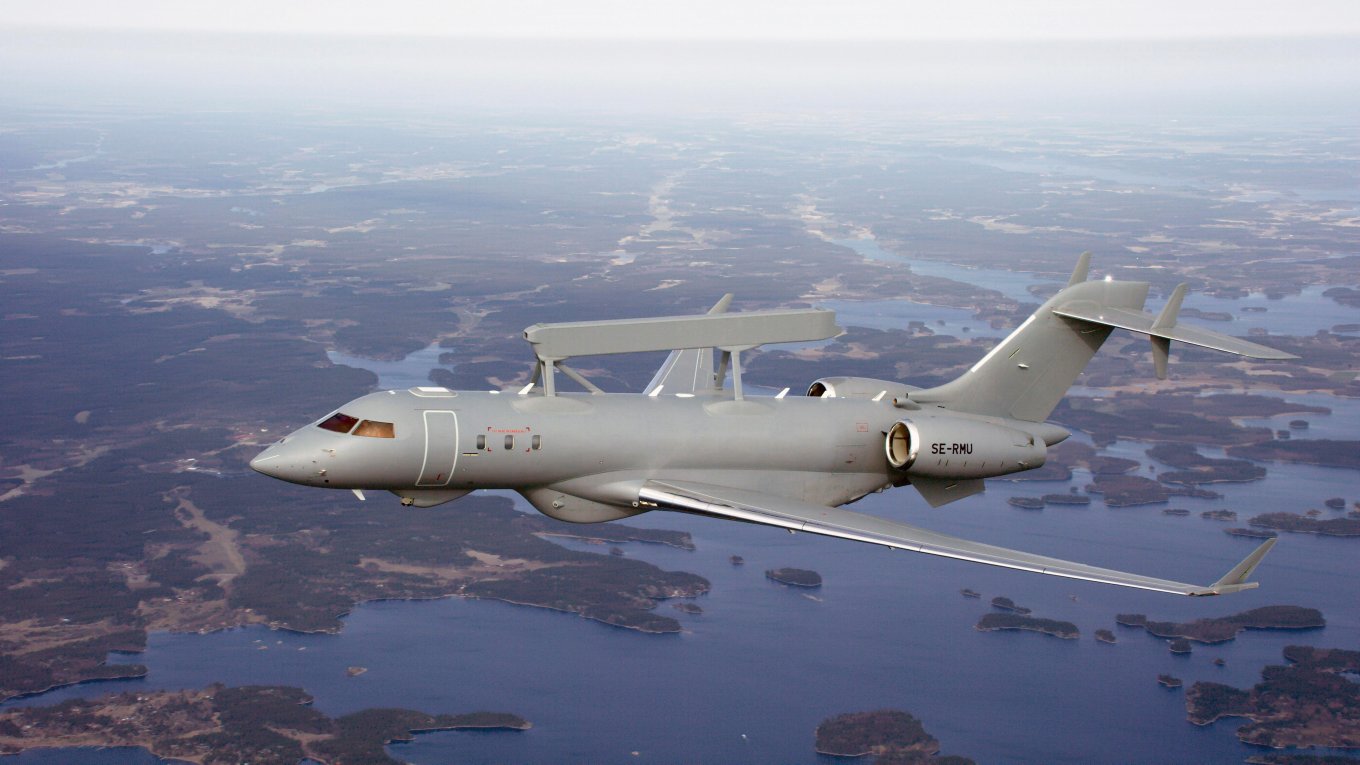
It is worth bearing in mind that airborne platforms are not a silver bullet for detecting low-altitude targets such as strike drones, due to ground clutter interference. They would, however, significantly strengthen overall air defense capability, provide intelligence on activity within russian territory, and extend the effective range of friendly fighters.
Finland, Norway, and Denmark currently have no dedicated AEW&C aircraft, only patrol and electronic warfare platforms. Sweden is also without active airframes in this role, having transferred its last two ASC 890s to Ukraine, though it has ordered three new GlobalEyes and is awaiting delivery.
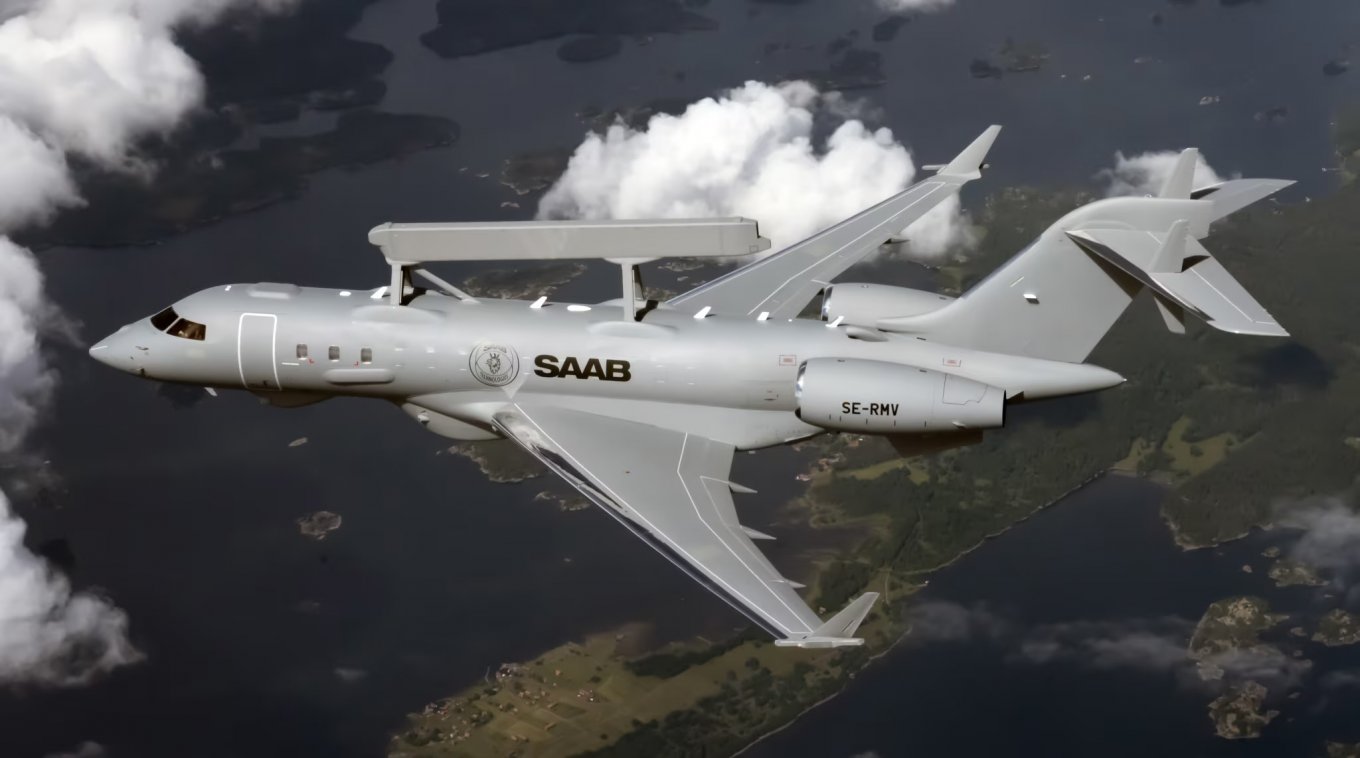
In April 2025 it emerged that Denmark was planning to acquire AEW&C aircraft from Sweden and had even submitted a formal request. A joint procurement with other Nordic countries could therefore help reduce unit costs and increase the scale of the contract.
Across Europe more broadly, other countries are also looking to acquire this capability. Germany is considering the same GlobalEye, while France has already ordered two to replace its ageing E-3 Sentries. Regional standardisation could therefore prove very favourable.
A similar decision may be taken for a joint NATO fleet following the abandonment of the American E-7 Wedgetail option. Canada is also worth noting, it has been moving closer to European partners and has also selected the Saab aircraft, though without a firm contract as yet.
Read more: Four Ukrainian Sea Drones Self-Destruct After russian EW Interference in Romania (Video)