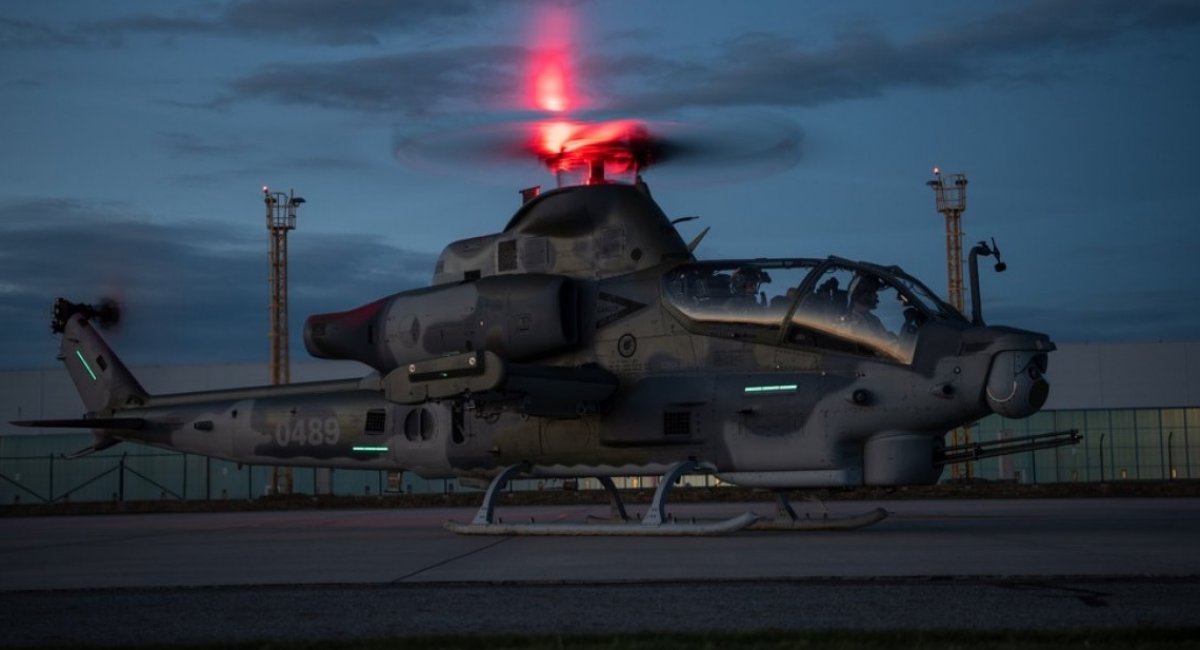
Czech Armed Forces are deploying their AH-1Z Viper attack helicopters on a foreign operation for the first time, two aircraft that will replace the UH-1Y Venom currently in theatre. The Czech machines will support Polish armed forces in defending the country's airspace and NATO's eastern flank more broadly, according to a press release from the Czech Republic's Ministry of Defence dated 2 June.
The primary mission of the Czech helicopter detachment in Poland is to engage low-altitude targets, meaning, above all, russian long-range strike drones such as the Shahed/Geran and Gerber types that have been violating NATO airspace.
Read more: From An-28 to Ultralights: Ukraine Deploys Small Aircraft to Launch Interceptor Drones Against Shaheds Over Kyiv Region
Defense Express notes that it is difficult to predict at this stage whether Czech AH-1Z Vipers will actually get the chance to record their first drone kills, but should that happen it would be a valuable experience first and foremost for the Czech military itself.
Given that helicopters are generally an effective tool against Shaheds, this mission should not present any serious difficulty for the AH-1Z Viper. The upcoming deployment, scheduled for this month, June was also preceded by intensive preparation culminating in VORTEX certification exercises, during which the unit was evaluated against NATO's standardised TACEVAL procedure.
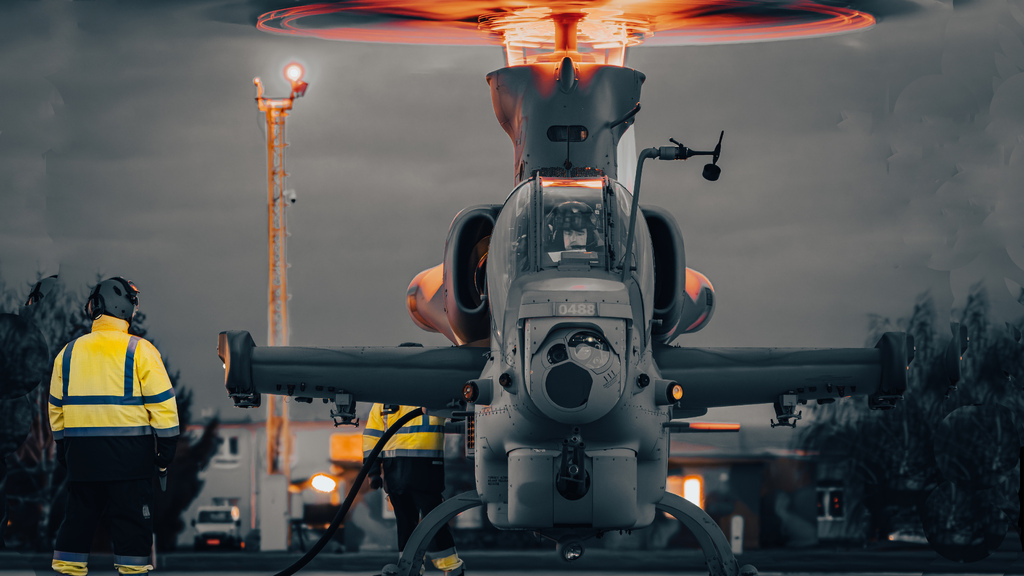
Counter-UAV training has furthermore been integrated into Czech helicopter crew curricula since September 2025.
For drone engagement, the AH-1Z Viper can carry APKWS precision-guided rockets, which have proven effective against this threat in Ukraine and are currently being integrated onto a wide range of platforms including fighters and heavy drones. The helicopter's 20mm cannon and AIM-9 air-to-air missiles round out its anti-drone toolkit, though using AIM-9s against Shaheds is not cost-effective.
It is worth recalling that AH-1Z Vipers could also reinforce Ukraine's Defense Forces. Last year it emerged that Ukraine had officially begun procurement of Bell AH-1Z Viper attack helicopters and UH-1Y Venom utility helicopters following the signing of a letter of intent.
This April, Bell Textron Ukraine, a local subsidiary, was established to handle maintenance, repair, and eventual in-country assembly of the aircraft.
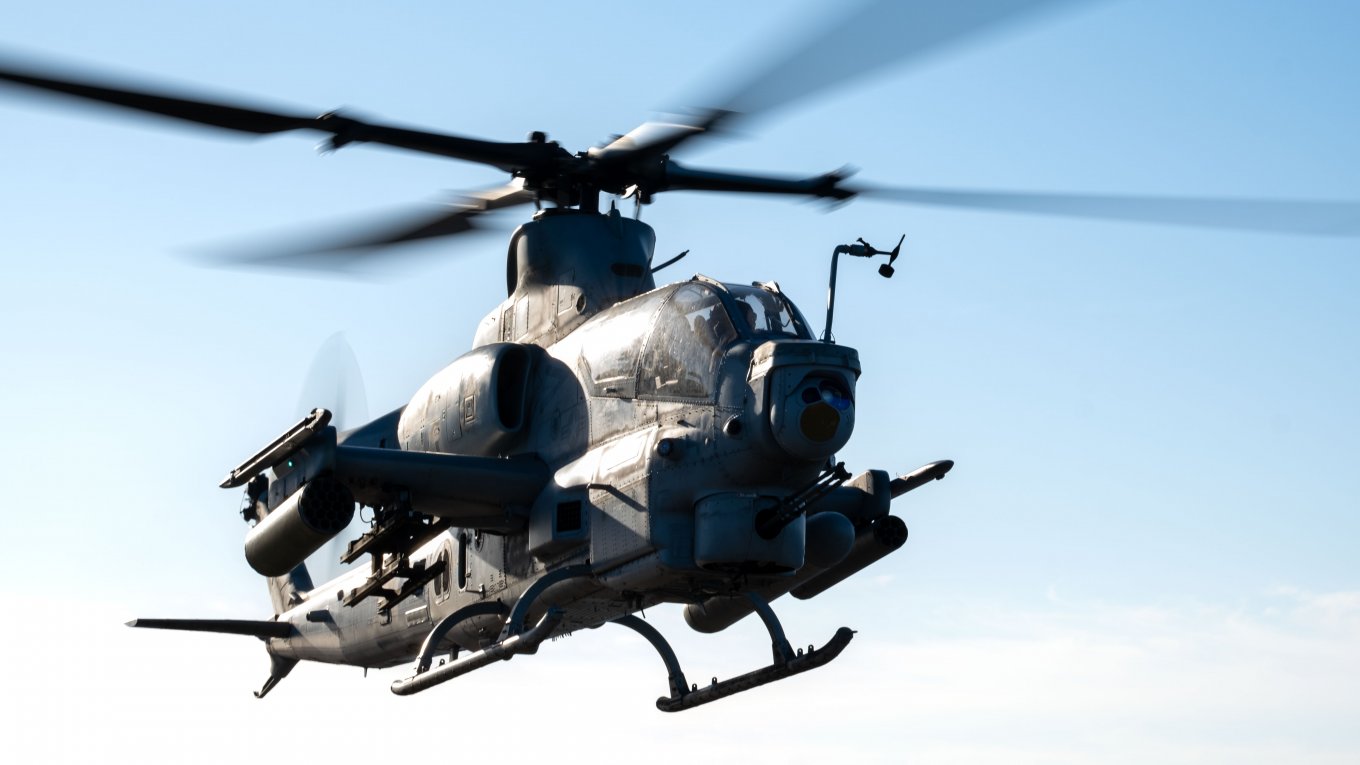
That said, no firm delivery contract for Vipers or Venoms has been signed with Ukraine, at least not publicly. The potential number of helicopters, financing arrangements, and delivery timelines all remain unknown, though Bell has previously indicated it could deliver the helicopters to Ukraine relatively quickly.
Read more: Egypt to Bulgaria to Czech Republic: How D-30 Howitzers Are Quietly Reaching Ukraine Through Two-Step Chain