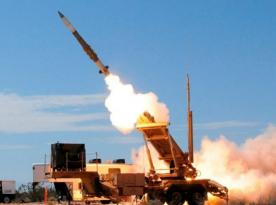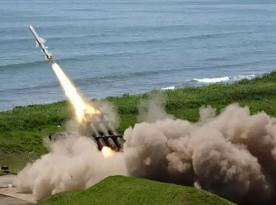



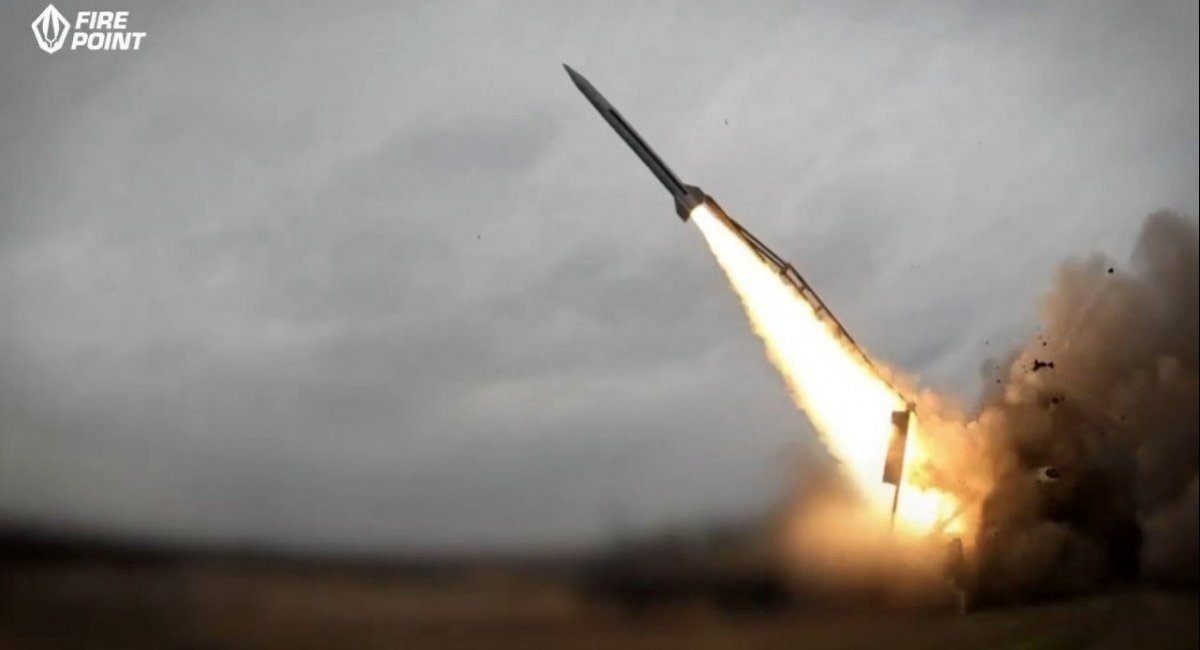
As it became known, the U.S. has begun developing a new cheap Low-Cost Interceptor (LCI) anti-aircraft missile for the Patriot SAM system, which will be able to intercept ballistic missiles as well as aerodynamic targets. This missile should replace or supplement the PAC-3 MSE (Missile Segment Enhancement) missiles.
Commenting on the U.S. Army’s search for suppliers for components of the future LCI missile, Major General Frank Lozano, who works at the U.S. Department of War and specializes in defense procurement for the U.S. Army, published an image of the Ukrainian FP-7 ballistic missile in his post on LinkedIn.
Read more: Ukraine's Much-needed PAC-3 MSE Missiles Will Be Fewer as Greece Wants Saudi Arabia to Pay for Modernization of All its Patriot
It is on its basis that the FP-7.x anti-aircraft missile designed to intercept ballistic missiles will be created. The choice of this particular image looks extremely interesting, since the U.S. Army in its request, in addition to cheap missile engines with a readiness level of TRL-4 (tested in the laboratory) or higher, accepts applications with entire anti-aircraft missiles with a readiness level of TRL-6 (Beta prototype) or higher.
It is not known at this time exactly what stage of development the Ukrainian FP-7.x by Fire Point is currently at, but a few months ago, in February of this year, test launches of the FP-7 ballistic missile were already carried out.
So, could all this mean that the Ukrainian FP-7 missile is being considered as one of the options or components within the framework of the LCI anti-ballistic missile program for the Patriot?
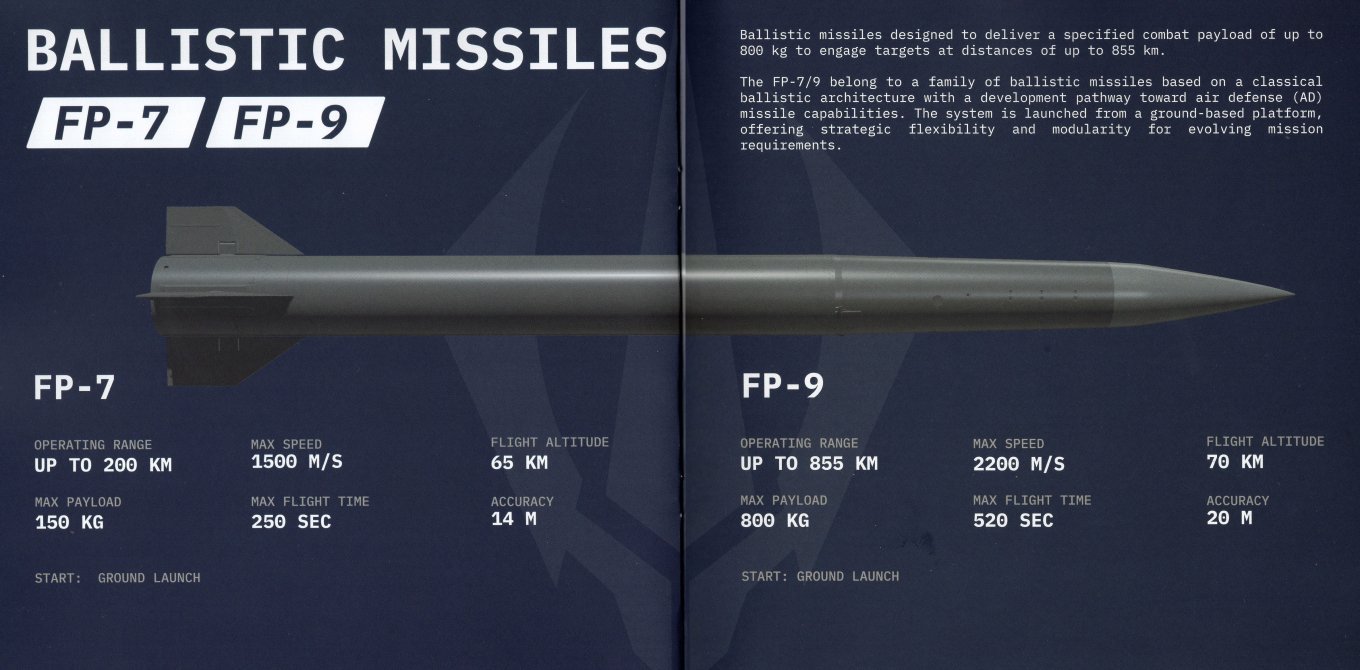
It seems that the situation here may be somewhat different. Probably, Major General Frank Lozano used the image of the Ukrainian FP-7 only as an illustrative photo of a cheap anti-ballistic anti-aircraft missile. Although, the choice of the image of the Ukrainian FP-7 itself looks somewhat incomprehensible.
Probably, the Ukrainian FP-7 will simply not be able to participate in the program, since U.S. law requires that weapons for the U.S. Army be produced locally in the country, and the requirements for those components supplied from abroad are quite strict. Even if Fire Point wants to participate in the program, they will have to create their own local enterprise, for which they need to have time, resources, as well as sufficient confidence in the feasibility of such investments.
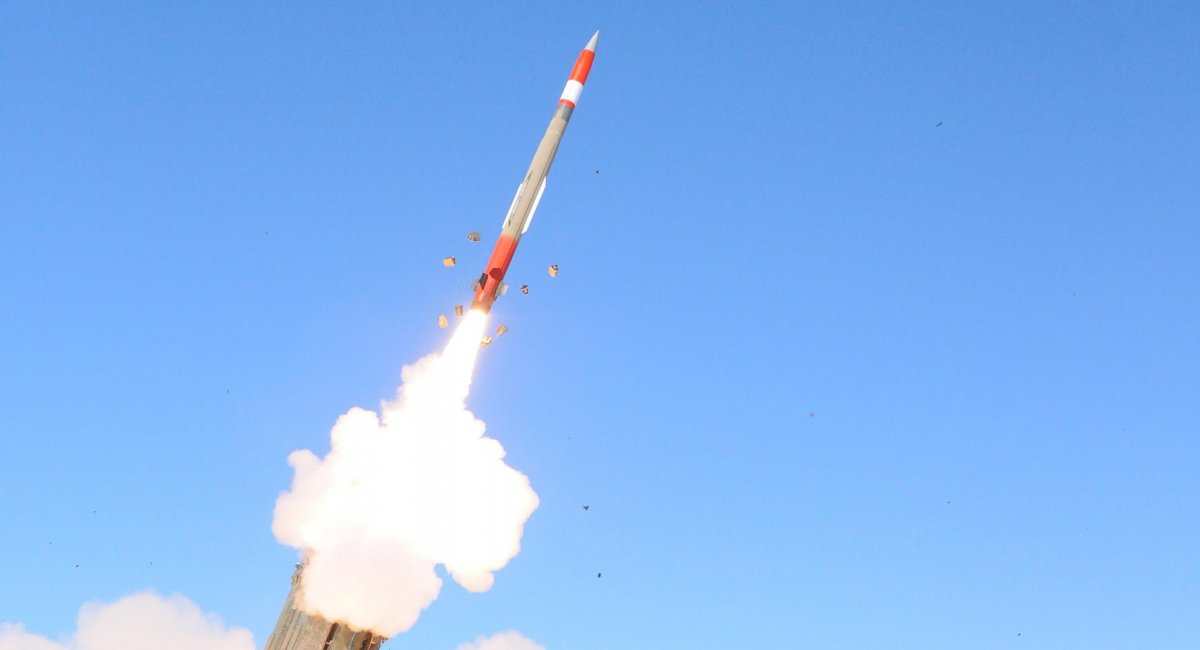
It seems that there is no time for this now, since the collection of applications ends on May 29 of this year. In June of this year, the U.S. Army will select the best component proposals, and in July-September of this year, the first tests of the elements will take place, such as burning a solid-fuel jet engine and testing a homing head.
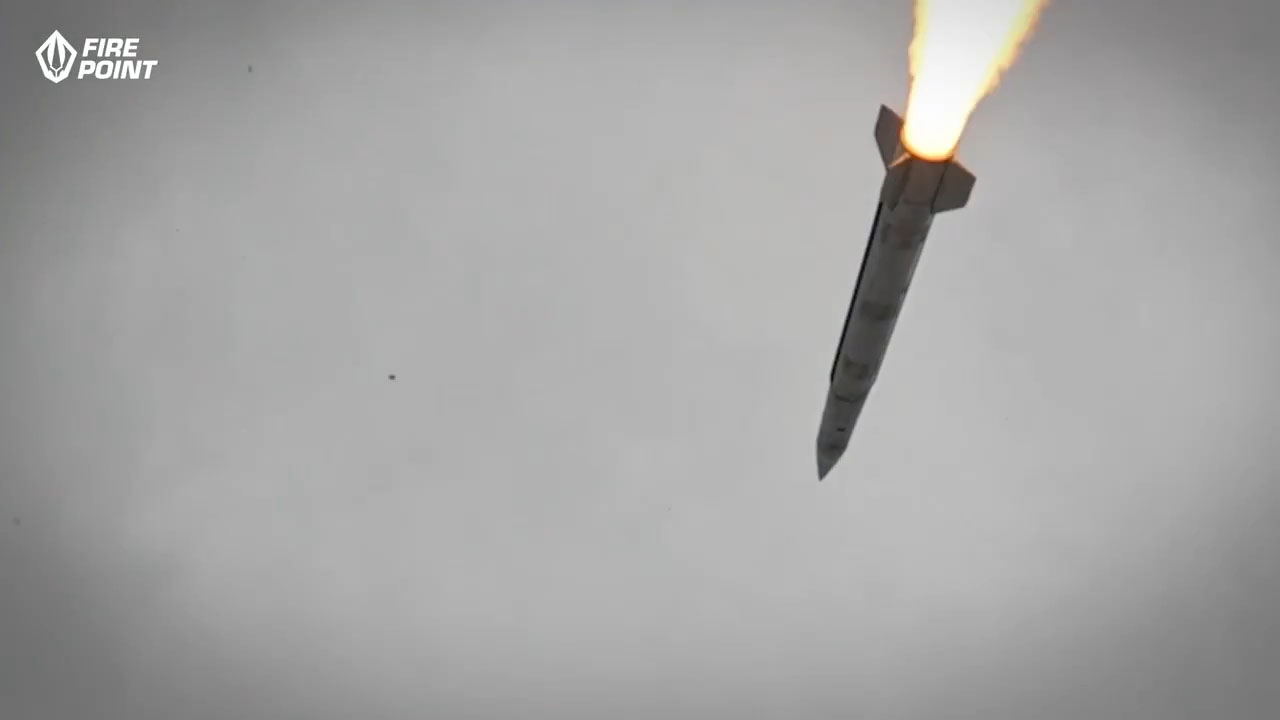
It is worth recalling that the FP-7 was created on the basis of the Soviet 48N6 missile, which is used in the S-300, S-350 and S-400 SAM systems. This may look quite curious if the new American cheap LCI anti-aircraft missile for the Patriot SAM system has Soviet-russian roots...
Read more: U.S. Forces in Europe to Deploy Ukrainian-Origin Stork UAVs for Reconnaissance Missions, Produced by Czech U&C UAS