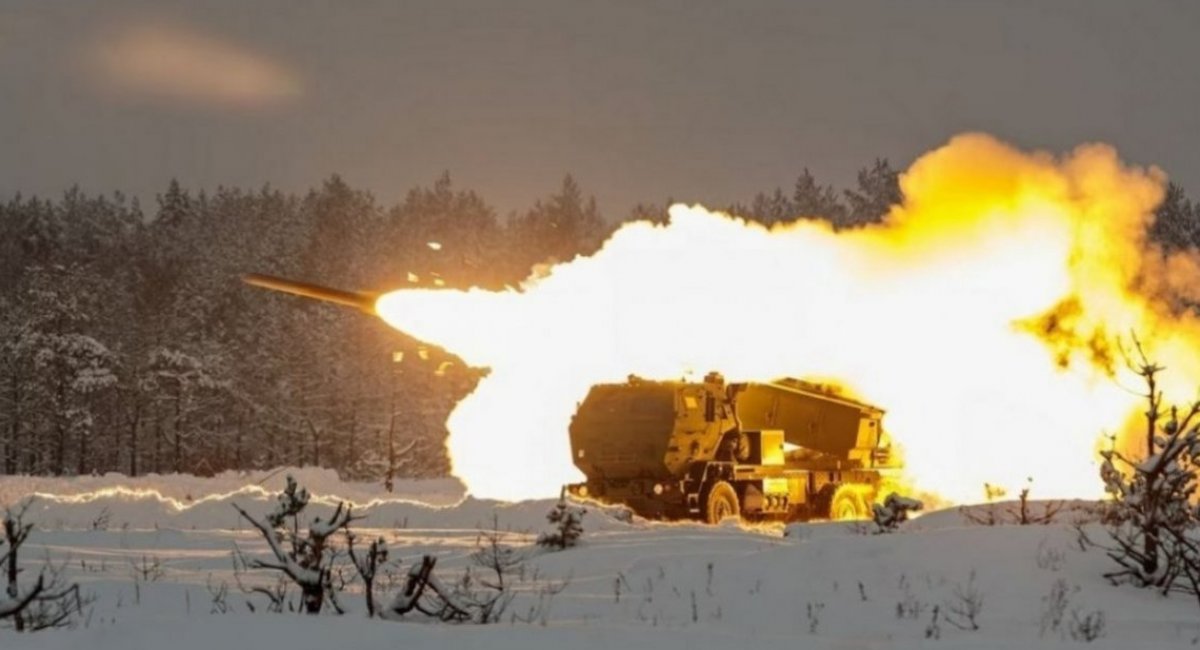
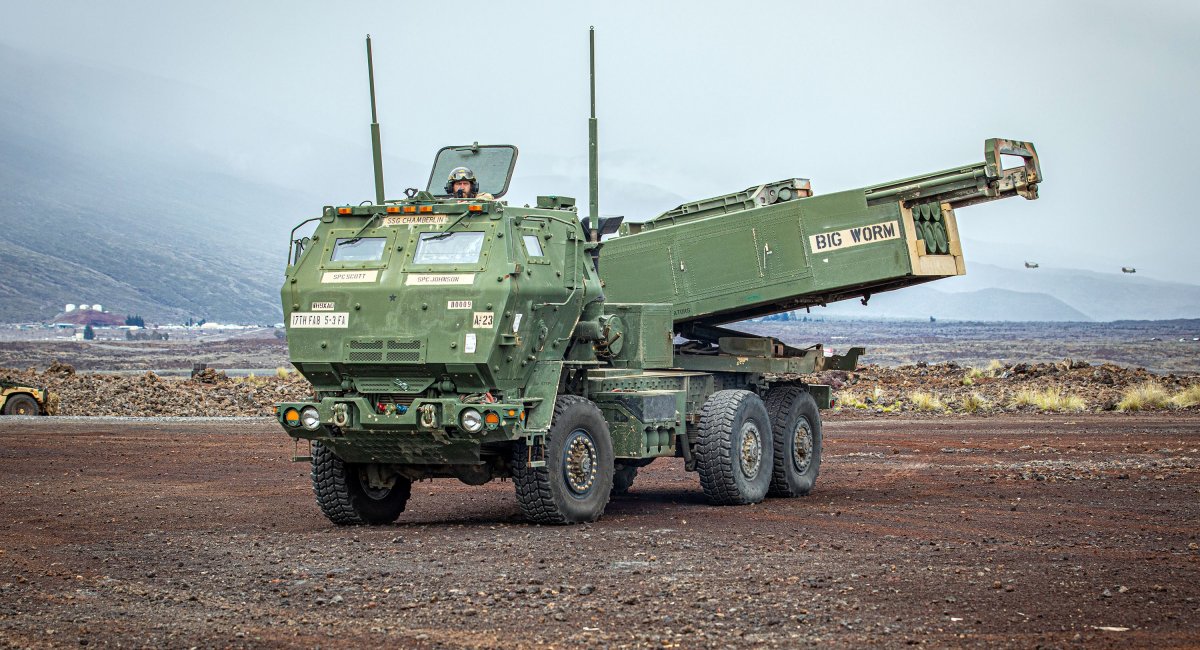
Canada's Department of National Defense has announced a contract with the United States for the supply of 26 HIMARS multiple launch rocket systems along with a stockpile of various missile types. The procurement is valued at CAD 2.6 billion (approximately USD 1.87 billion).
The contract appears to have been signed as far back as this past winter, though U.S. approval was granted in autumn 2025. It seems the Canadian government initially intended to announce the deal publicly but ultimately chose to keep it under wraps, because the government had recently published a new defence industrial strategy calling for the procurement of Canadian-made weapons and equipment.
Read more: NATO's Eastern Flank Gets Czech Attack Helicopters Armed With APKWS, Specifically to Hunt Shaheds
Announcing a billion-dollar HIMARS contract with the U.S. immediately after that call would have looked decidedly awkward. Canada failed to keep it quiet even temporarily, however, and was apparently forced into a belated public announcement.
It is worth noting that Canada had little choice among precision multiple launch rocket systems, as no Canadian equivalent exists. The selection of HIMARS is therefore entirely justified, even if politically inconvenient given the current climate.
Canada's Department of National Defense sought to soften the optics by noting that Lockheed Martin plans to integrate Canadian companies into its global supply chain, support growth of Canada's defense sector, and invest in Canadian industry.
On the specifics of the procurement: as previously reported, the contract covers 1,500 missiles of various types, including GMLRS, GMLRS-ER, and ATACMS. Deliveries are scheduled to run through 2029.
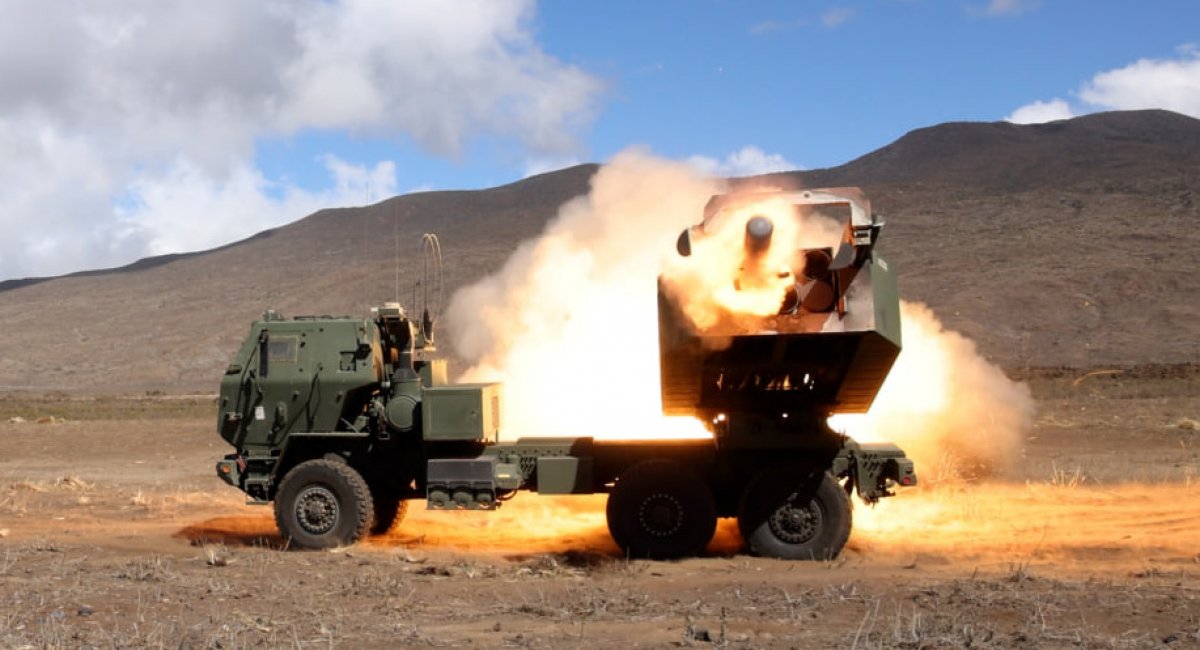
Notably, the contract completion date had previously been cited as 2028, implying the entire order would be fulfilled in just two years. It has now emerged that deliveries will in fact span three years, which is still a fairly tight timeline given the volume of global orders for the system following its strong performance in Ukraine.
Read more: Why Second Known Launch of FP-7 Ballistic Missile Matters So Much, What Ukraine Was Really Testing