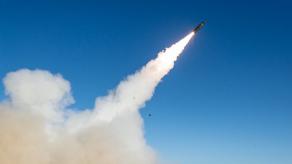



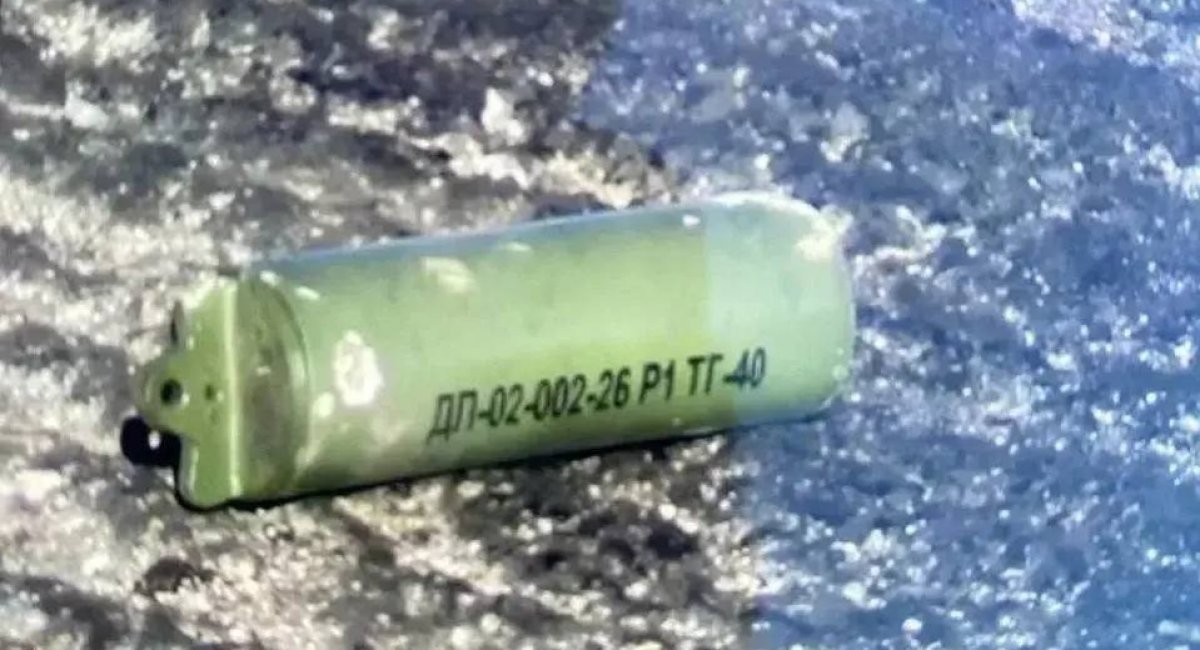
Ukraine's Defense Forces are employing FP-2 mid-strike drones and other unmanned systems for aerial remote mining of russian supply routes, significantly increasing the risk for enemy logistics movements across rear areas.
Over recent months, Ukrainian forces have systematically degraded russian logistics through deep strikes carried out by drones operating far behind the frontline. The pressure has become so significant that russian troops have reportedly begun experimenting with improvised protective measures for transport vehicles, including the use of World War I-era dazzle camouflage, apparently without fully understanding its original purpose or limitations.
Read more: Ukraine Hits Saratov Oil Refinery, Caspian Military Base and Other Targets Deep Inside russia
Recent imagery circulating online suggests that Ukraine is not only relying on AI-enabled strike drones in deep operations but is also actively deploying aerial mining capabilities to complicate russian movement along logistics routes located approximately 100–150 km from the frontline.
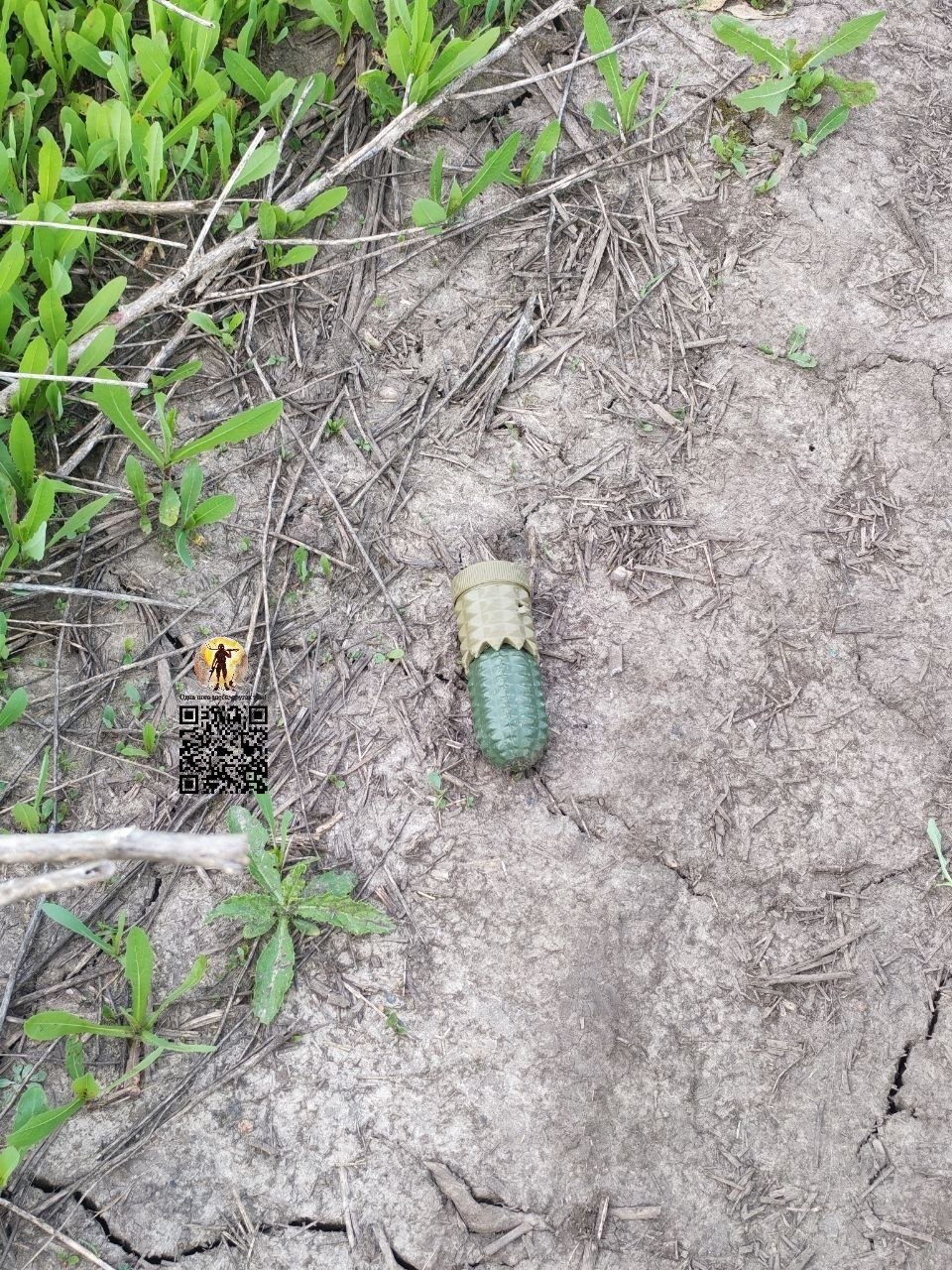
From the Defense Express perspective, drone-based remote mining is not a new concept. Earlier this year, reports indicated that russia also used long-range strike drones, including Shahed/Geran-type systems, for similar tasks. However, the current scale and intensity of Ukrainian operations highlight the growing role of so-called mid-strike platforms such as the FP-2 in shaping the battlefield in enemy rear areas. russian sources have also inadvertently disclosed additional details about these systems.
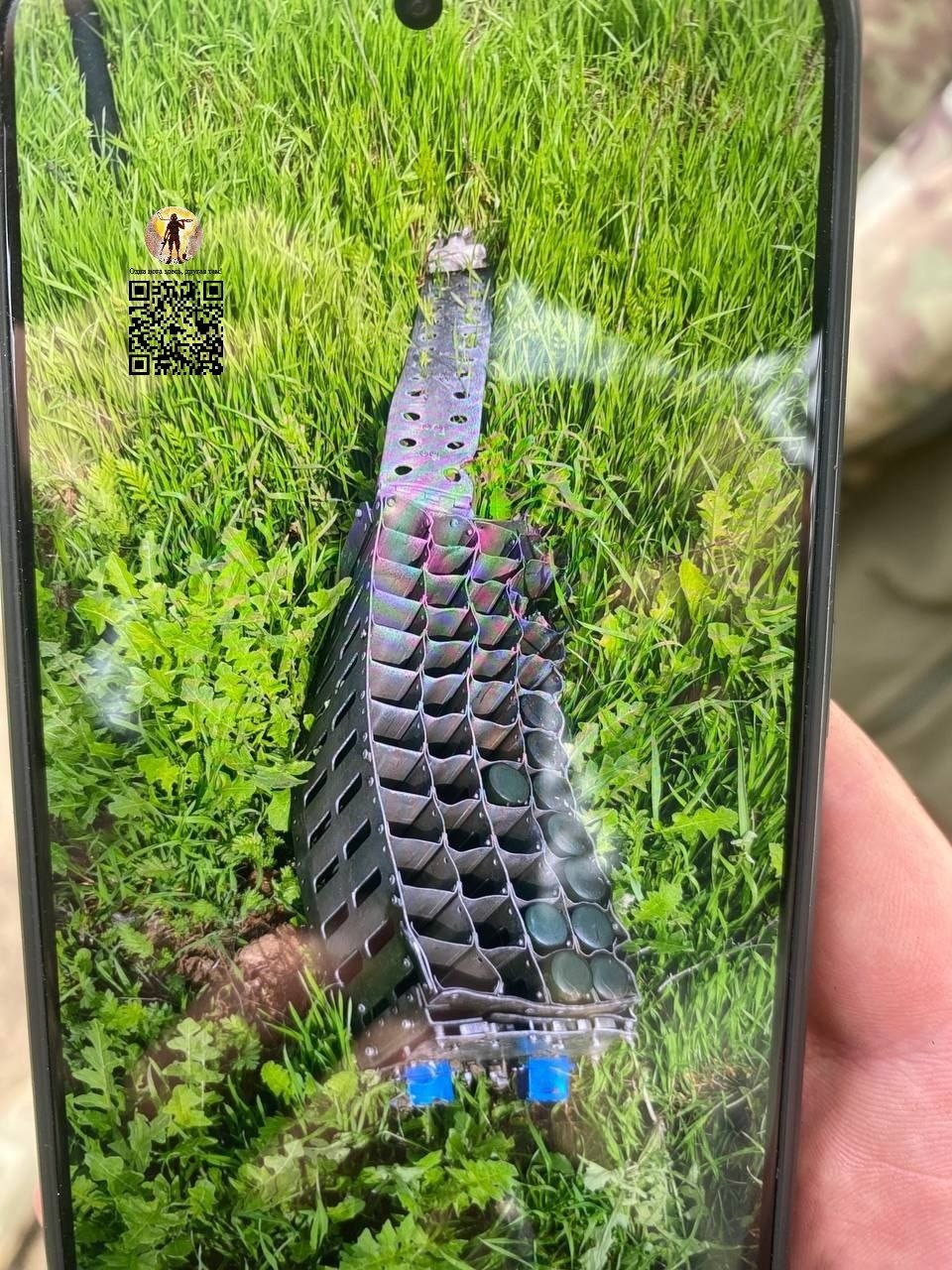
According to russian claims, two types of aerial mine dispensers have been identified. One larger container reportedly carries up to 48 mines, while a smaller version is designed for around 10. These systems are said to be deployed from different UAV types, including heavy multicopter platforms such as the Baba Yaga class (Ukrainian Vampire-type systems), as well as fixed-wing drones.
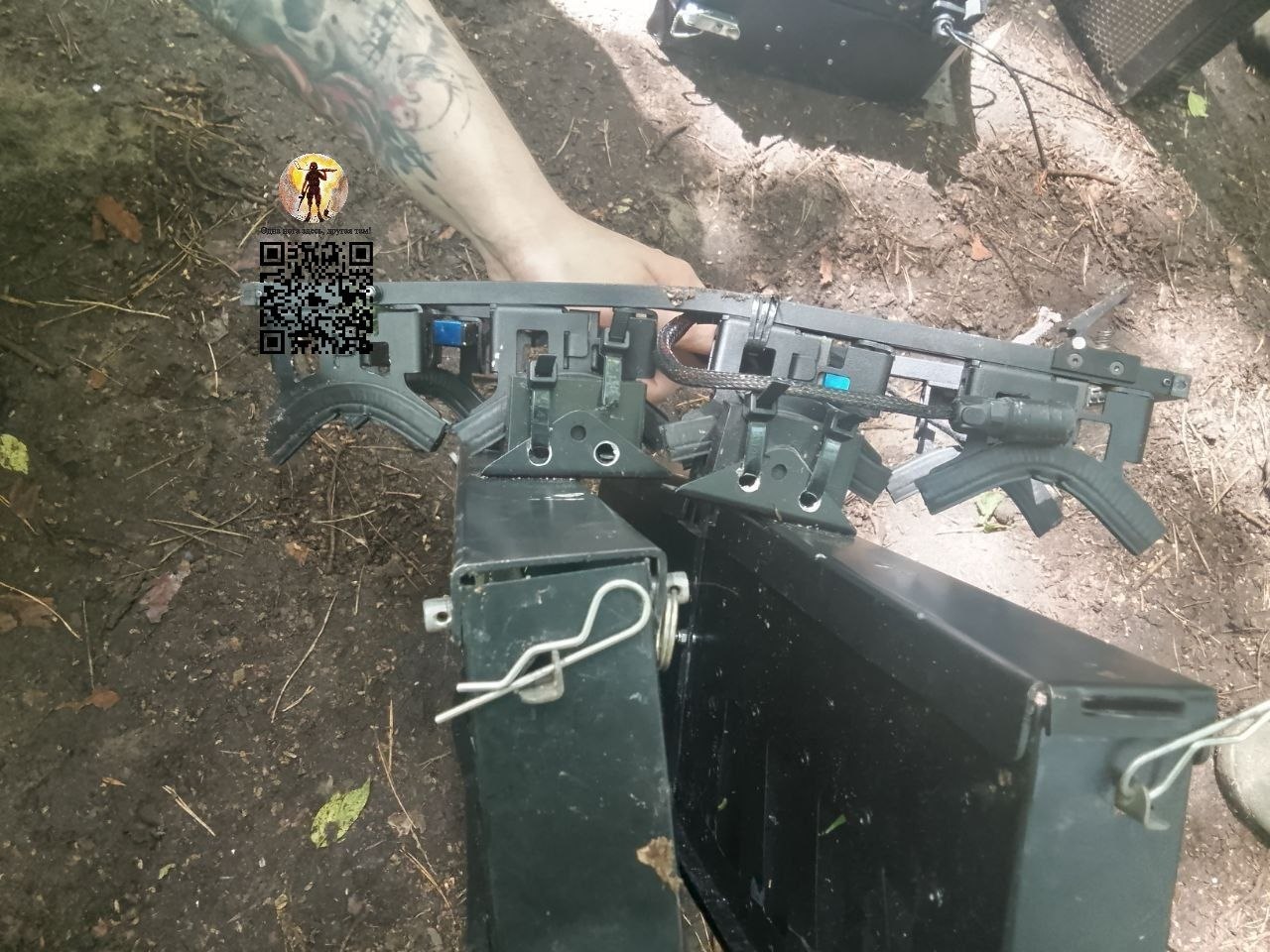
The use of FP-2 mid-strike platforms for such missions was indirectly acknowledged in a post on X (formerly Twitter) by Denys Shtilierman, co-founder and chief designer of Fire Point.
russian sources have also circulated details on previously unknown mines allegedly used in these operations. However, such information should be treated with caution, as it may include deliberate disinformation.
Among the reported munitions is the IBM-series mine family, which allegedly includes three to five variants. One example is the IBM-1 Houston, which russian sources claim has an effective blast radius of around one meter and is deployed from Vampire-type UAVs.
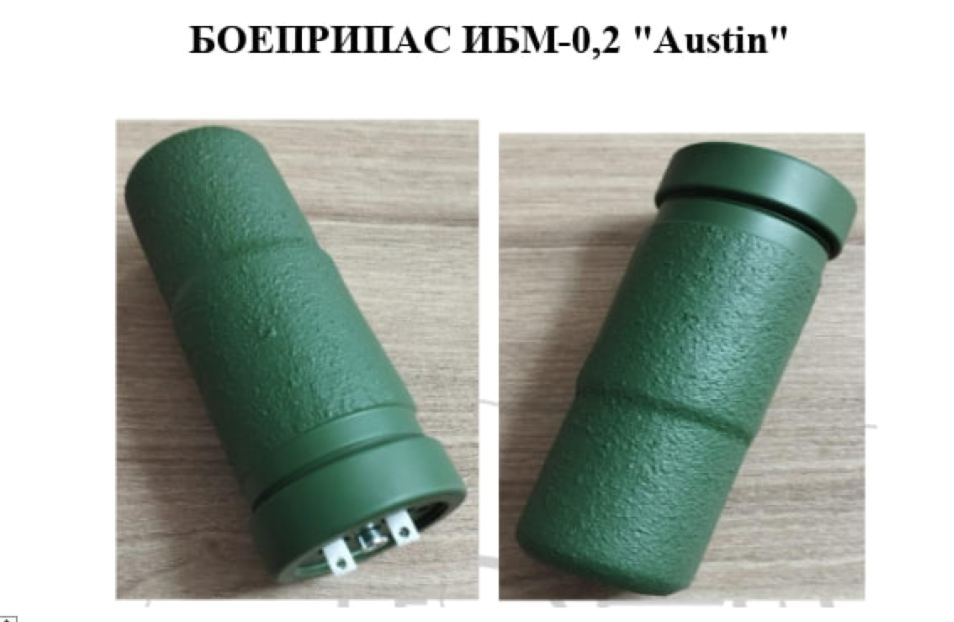
Another variant, the IBM-0.5, is reportedly equipped with a magnetic target sensor and a motion-triggering system. It is said to weigh around 750 grams, including approximately 80 grams of explosive charge. Reported explosive compositions vary, with some examples marked TG-40, a mixture of 40% TNT and 60% RDX.
Earlier, Defense Express analyzed whether anti-aircraft interceptor drones could reach speeds of up to 700 km/h and what this could mean for the future viability of the interceptor drone concept.
Read more: WolfStorm for Modern Battlefield: The Third Assault Brigade Got Ukrainian Electric Scooters