


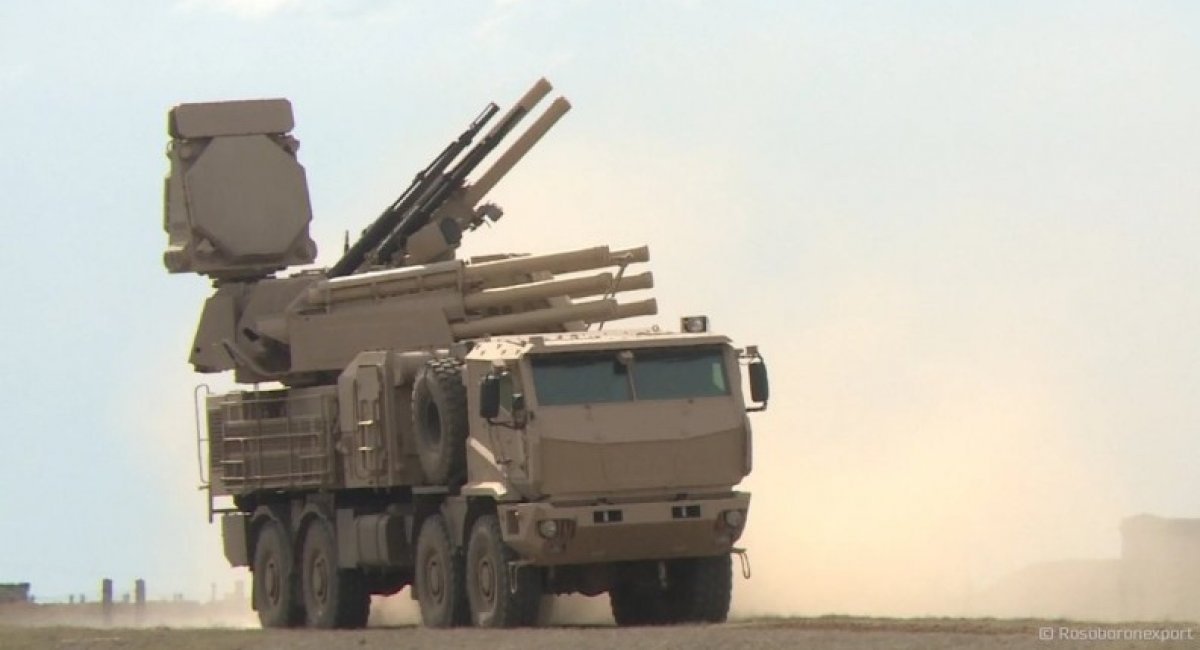
The modernized Pantsir-S1M air-defense system was observed moving along a highway, likely toward Yevpatoria or Saky.
Distinguishing the Pantsir-S1M from the older Pantsir-S1 is relatively easy: it uses the KamAZ-53958 chassis and a new, distinctively square tracking radar. The system has been seen in Crimea before, previously deployed to protect the Crimean Bridge.
Read more: Ukraine Destroys russian Command Post, Orion Drone Depot, Tor-M2 and Pantsir-S1 Systems at Saky Airbase (Video)
It is entirely possible that the system spotted now is the same one relocated from the bridge, given that only a very small number of Pantsir-S1M units have been produced. A closer examination of the imagery shows launch tubes of different diameters — suggesting the system may have been loaded with two types of missiles.
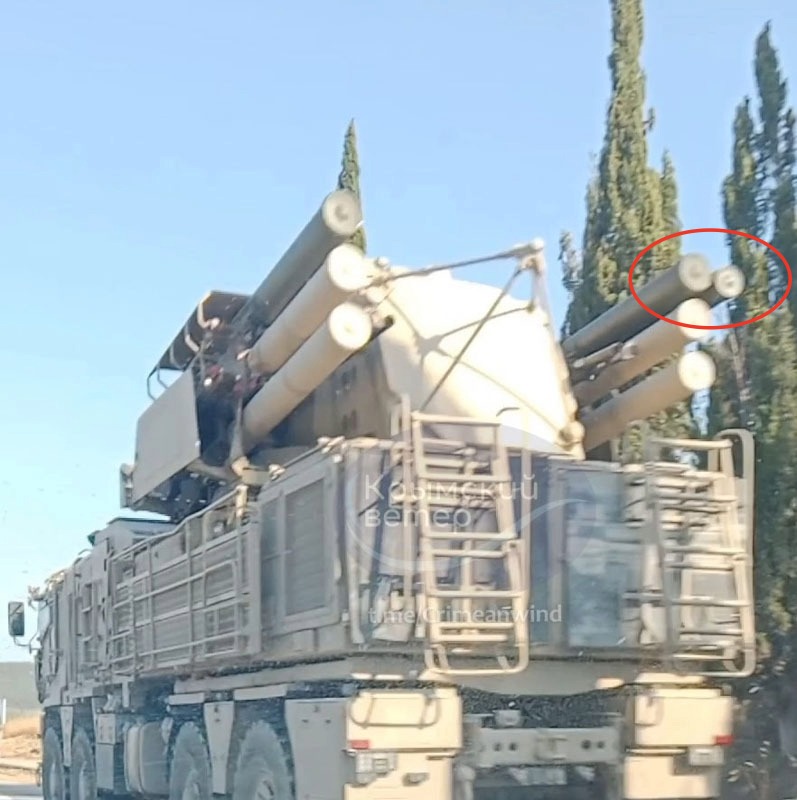
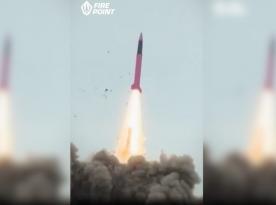
The smaller tubes likely contain the standard 57E6-E missiles, while the larger ones appear to house the new 57E6M-E interceptors. The 57E6M-E reportedly reaches speeds of around 1,700 m/s (Mach 5), has a range of about 30 km, and uses a hit-to-kill guidance method.
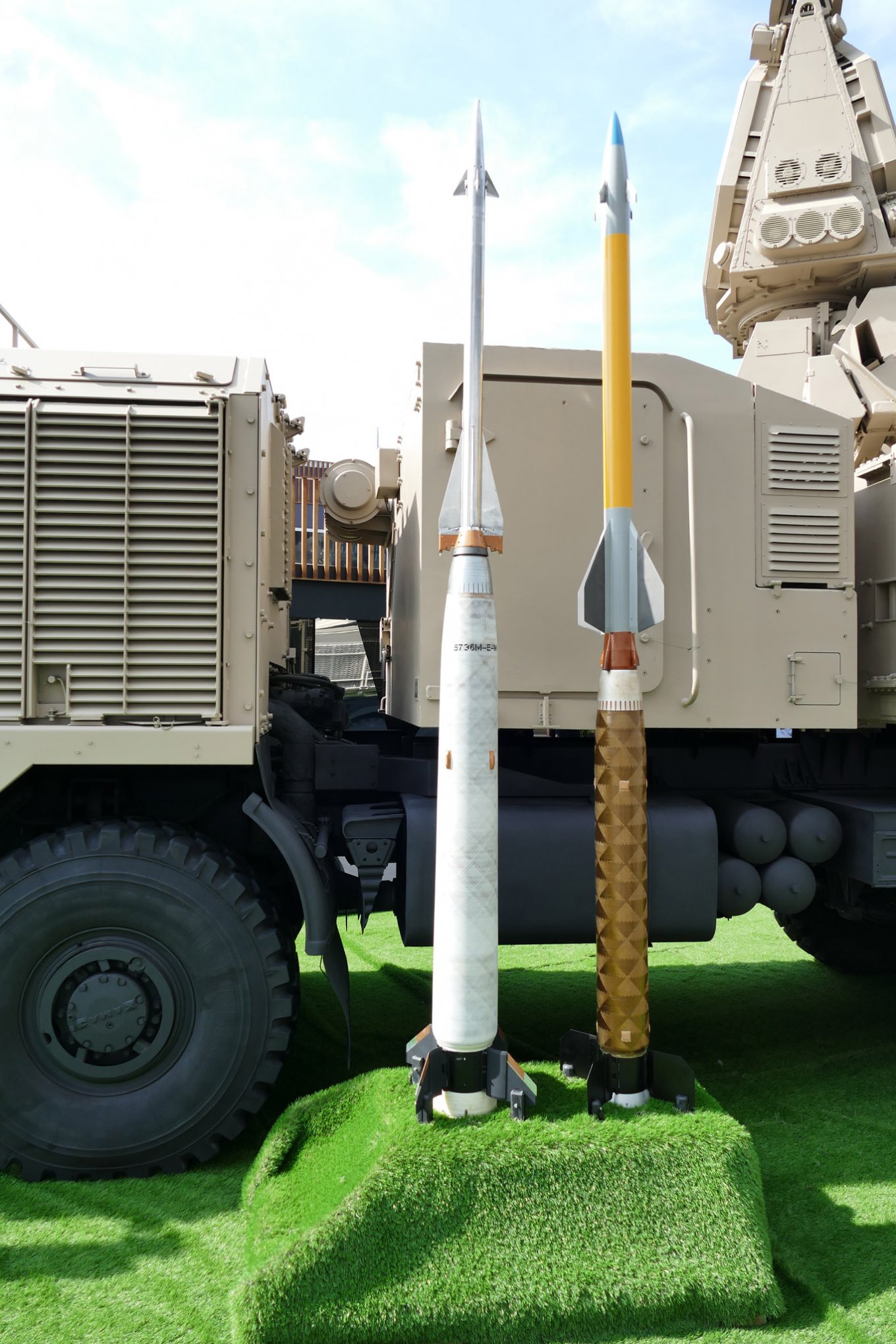
By comparison, the older 57E6-E has a 20 km range and a maximum speed of roughly 1,300 m/s. The higher velocity of the new missile required a redesign: a smaller kill vehicle paired with a significantly larger booster, resulting in a thicker launch tube despite the overall similar length.
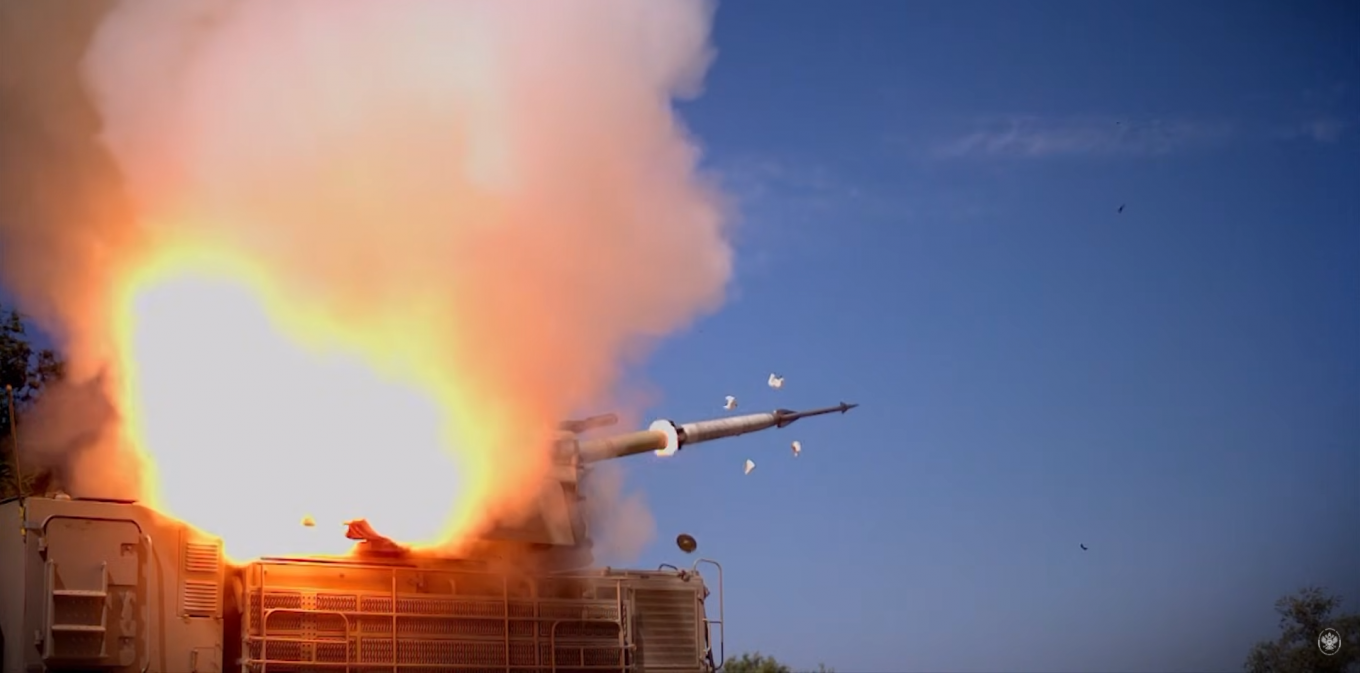
Still, this remains an informed assumption — the apparent difference in tube diameter could also be a camera-angle artifact.
If the Pantsir-S1M has indeed been removed from the Crimean Bridge, this speaks volumes about the strained state of russian air defenses in occupied Crimea. Continued Ukrainian drone strikes may have forced russia to reallocate even its highest-value systems from the heavily fortified bridge, once protected by dense air-defense coverage.
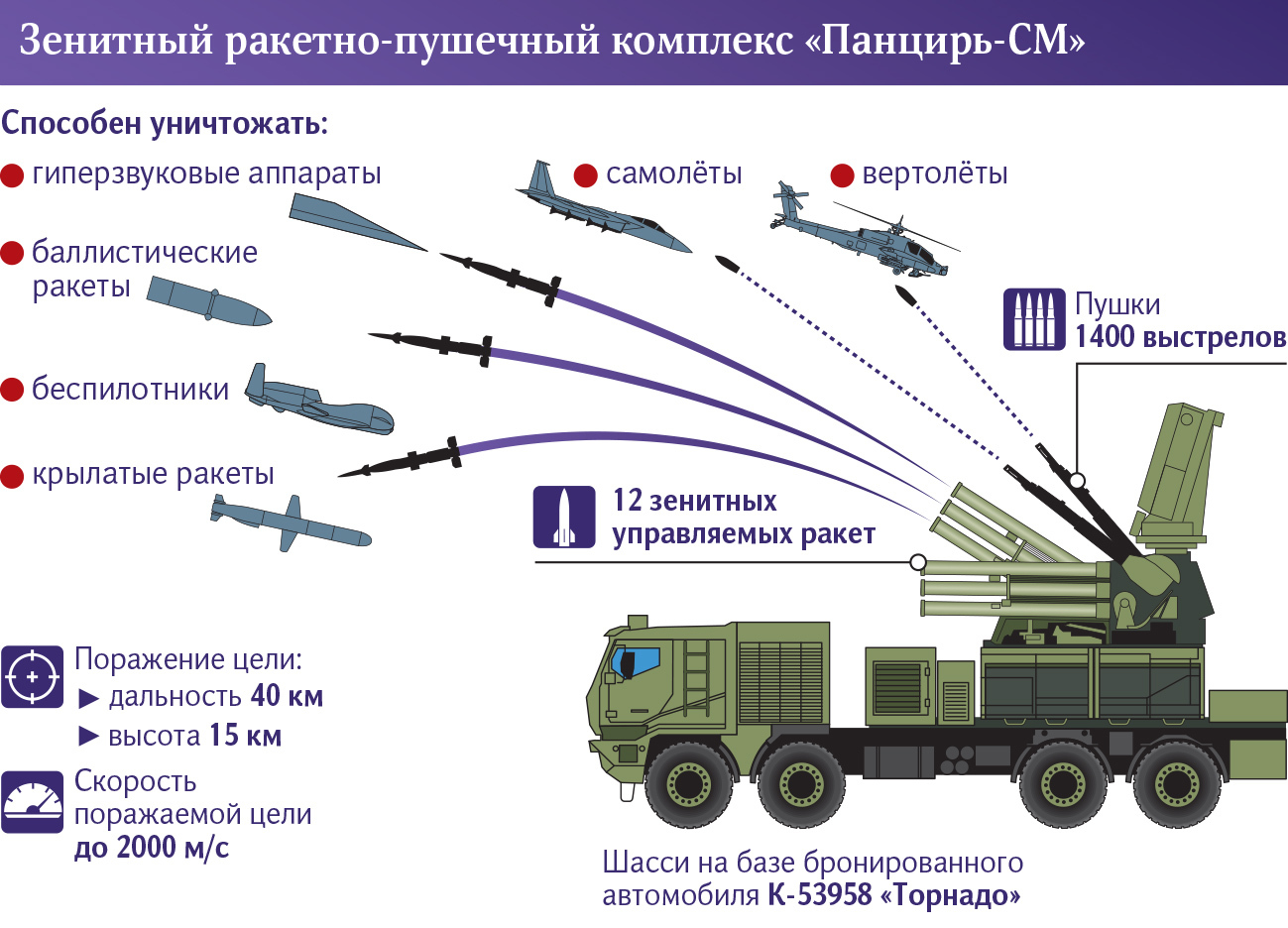
The Pantsir-S1M is also nominally capable of carrying russia's dedicated anti-drone missiles, the TKB-1055 (19Ya6). However, their production appears to have stalled, as they have yet to be observed on any operational russian Pantsir units.
For context, in March russia released the first real-world images of the Pantsir-SM-SV — essentially a tracked variant of the Pantsir-SM, likely developed in response to the shortcomings of the KamAZ wheeled chassis.
Read more: russian Pantsir-S Air Defense Systems Production Plant Targeted by Ukrainian Partisan Reconnaissance