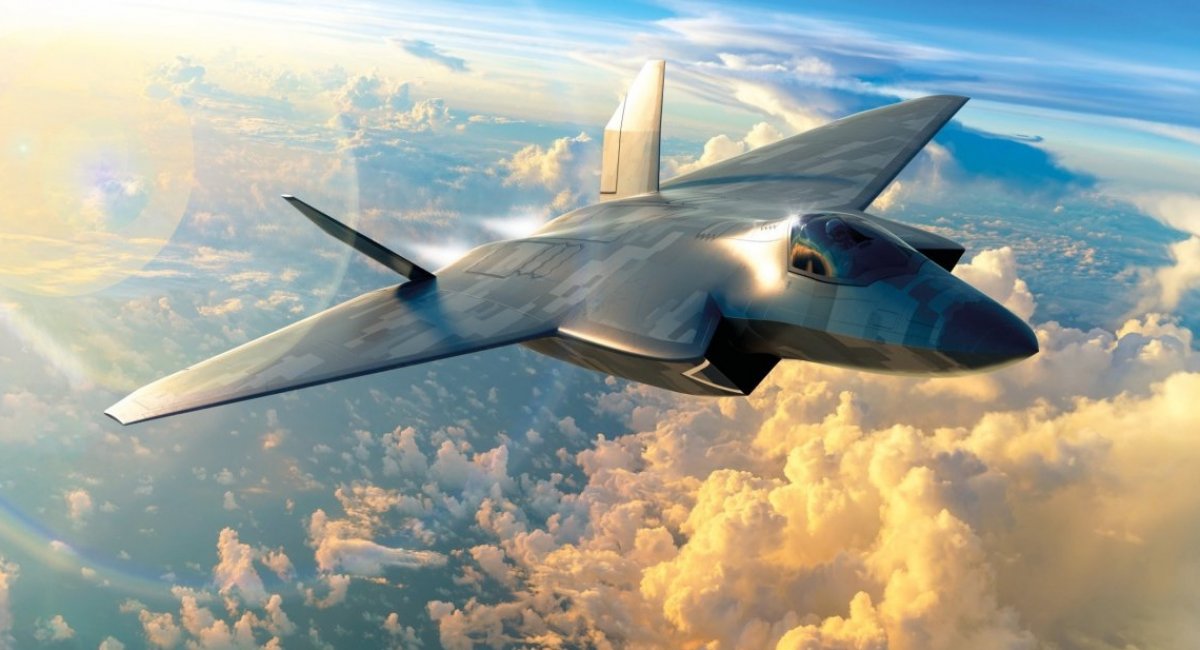
British government will nevertheless fully finance joint Global Combat Air Programme (GCAP) with Japan and Italy for creating Tempest sixth-generation fighter in necessary volumes and established timelines, despite threat of delaying financing somewhere to 2030s.
Joint company Edgewing is expected to receive first international contract already in coming weeks, by end of June, Janes writes. Such decision was made against backdrop of British and Japanese Prime Ministers Keir Starmer and Sanae Takaichi meeting recently held in London.
Read more: Ukraine's Vyrivnyuvach Glide Bomb Kit Publicly Revealed for First Time at Eurosatory 2026, Already Purchased by Defense Ministry
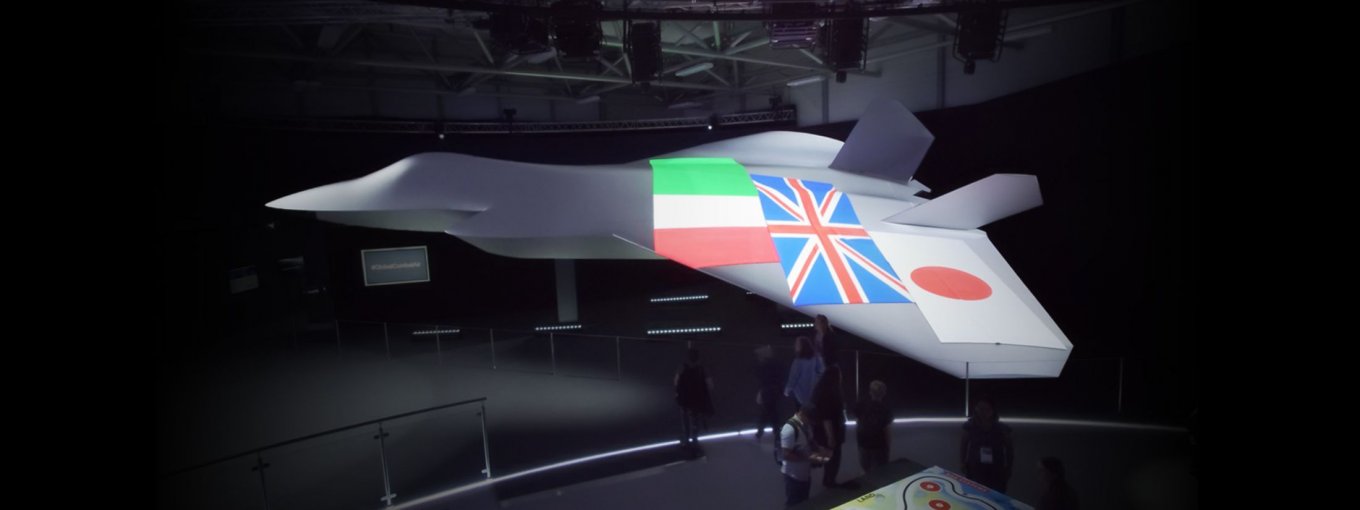
Defense Express notes that in joint government declaration of both countries, one of 16 points is devoted to GCAP project cooperation. It enshrines GCAP as defense cooperation catalyst which parties intend to actively deepen.
However, before this London in April managed to scrape together money for only 3 months of GCAP development £686 million (€787 million). At the same time, real development costs are measured in tens of billions of euros, specifically Italy alone allocates €18.6 billion for GCAP. Its contribution should comprise only equal third, together with Japan and Britain.
At the same time, London's decision to fully finance Tempest development was made against backdrop of John Healey’s decision to resign as defense minister. In open letter to British Prime Minister Keir Starmer dated June 11, he expressed protest over insufficient defense financing threatening country's defense capability. Therefore defense minister's political demarche could indeed become another catalyst.
Ultimately, GCAP is now only European sixth-generation fighter creation project after final French-German-Spanish FCAS collapse.
At the same time, Italian Leonardo already confirmed readiness to consider possibility of German industry joining project if this does not shift Tempest service entry timeline of 2035.
Ultimately, expanding GCAP program participant circle is quite expected process. Poland and Canada already voiced interest, with Ottawa's participation being U.S. betrayal since 1946. More participants smaller financial development cost burden per participant. However, one pays for this with other countries' aircraft component production participation and technology access opening.
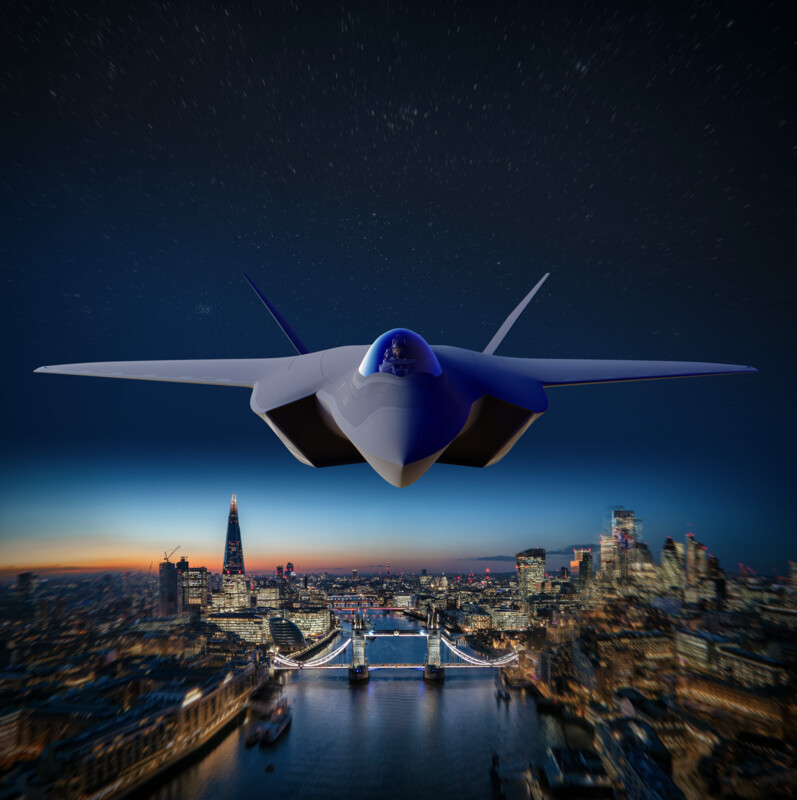
Although overall F-35 and Eurofighter example quite demonstrates finding balance in such project is entirely possible. At the same time, Italy is already actively criticizing British for refusing to share technologies, so besides financing question, real project test will be all participants' readiness for open cooperation and compromise willingness.
Read more: Since 2022, russia May Have Lost More Than 70% of Its Combat-Ready Tu-22M3 Bombers, So How Many Could Still Remain?