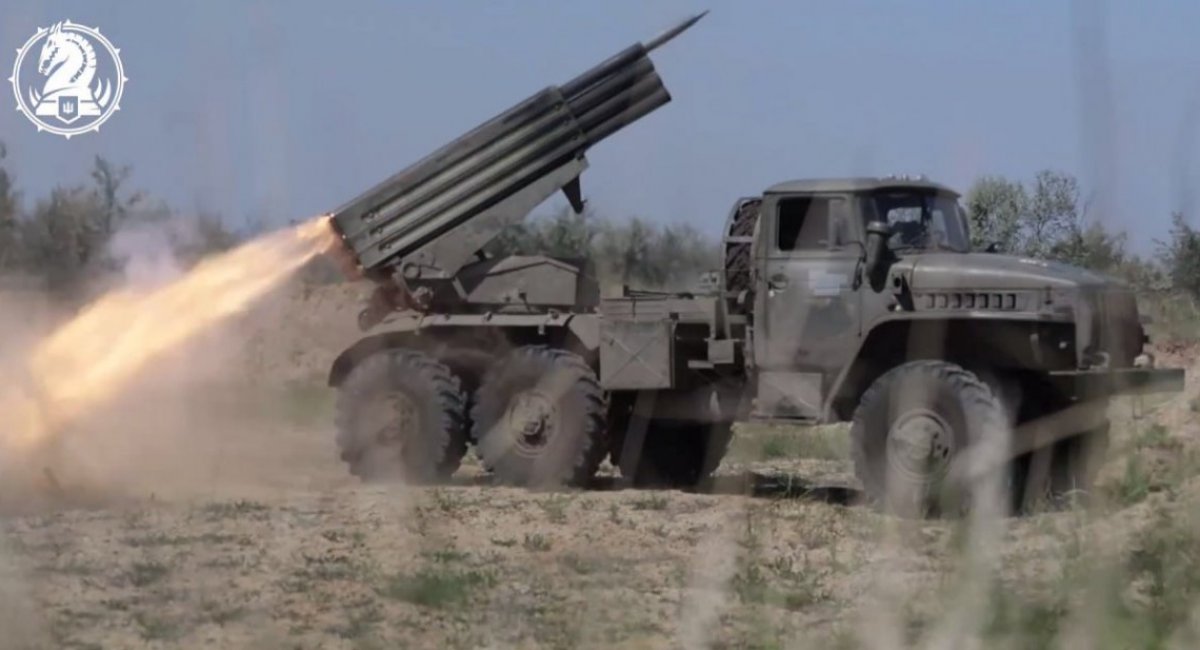
Ukraine is receiving kits from Spanish company EM&E to convert 122mm BM-21 Grad MLRS rockets from unguided to precision-guided munitions using satellite and inertial navigation. Over 10,000 such systems have been delivered since 2023.
Company representatives shared this information with analyst Jeff21461 at the Eurosatory 2026 defence exhibition. According to them, the circular error probable of munitions equipped with GNSS/INS guidance is 15 metres, a significant improvement over the baseline unguided variants.
Read more: Renault Will Build Drones After All, This Time With Thales, Targeting 1,000 Toutatis Units Month
A laser-guided variant was also developed at Ukraine's request, achieving accuracy of under 3 metres even under active electronic warfare and jamming conditions. By the first quarter of 2026, 1,000 kits in this configuration had been delivered.
Both versions are universal, ITAR-free, compatible with single launch tubes, and have a range of 20 to 40 km depending on the base rocket. The laser variant is somewhat longer than the GNSS/INS version and features four independently controlled forward fins rather than two.
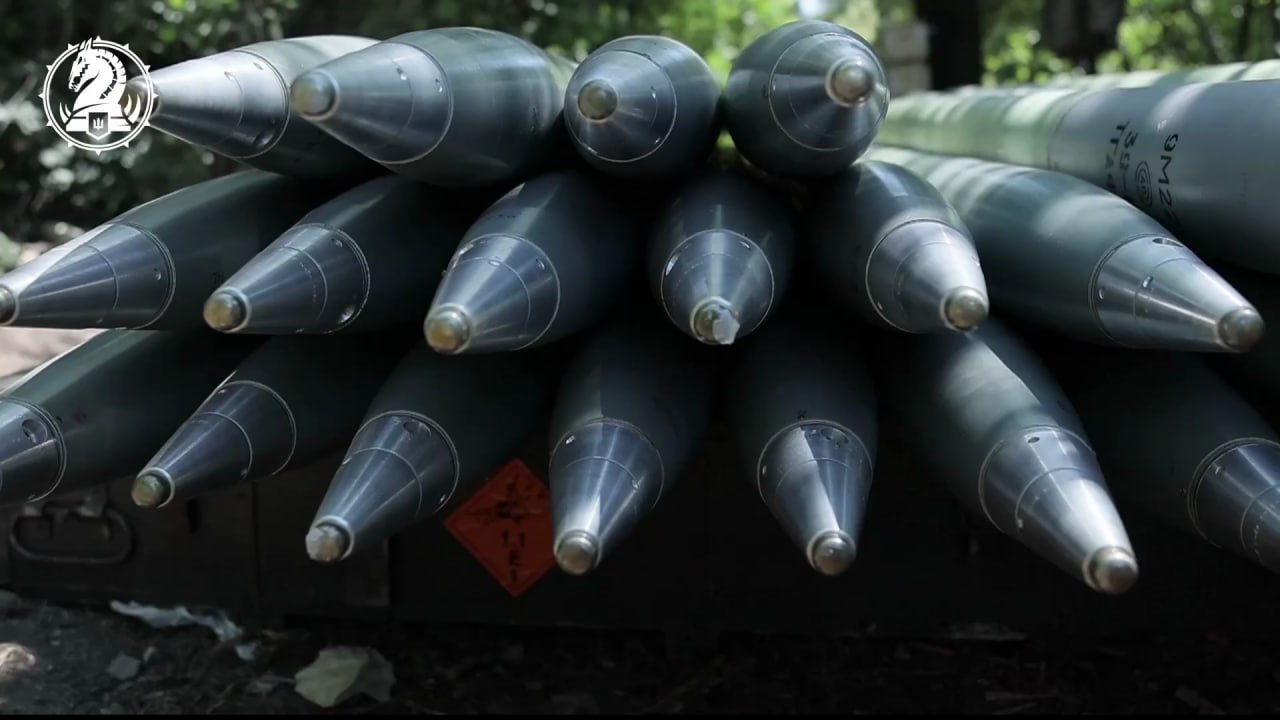
Defense Express notes that since 2023, Ukraine's Defense Forces have gained the ability to conduct precision strikes using Grad MLRS systems and compatible 122mm rocket artillery. Virtually any compatible munitions can be used, avoiding dependence on a single supplier.
This is particularly valuable for rockets with ranges of 20 to 40 km, as dispersion naturally increases with range. Even a 15-metre CEP therefore represents a meaningful improvement.
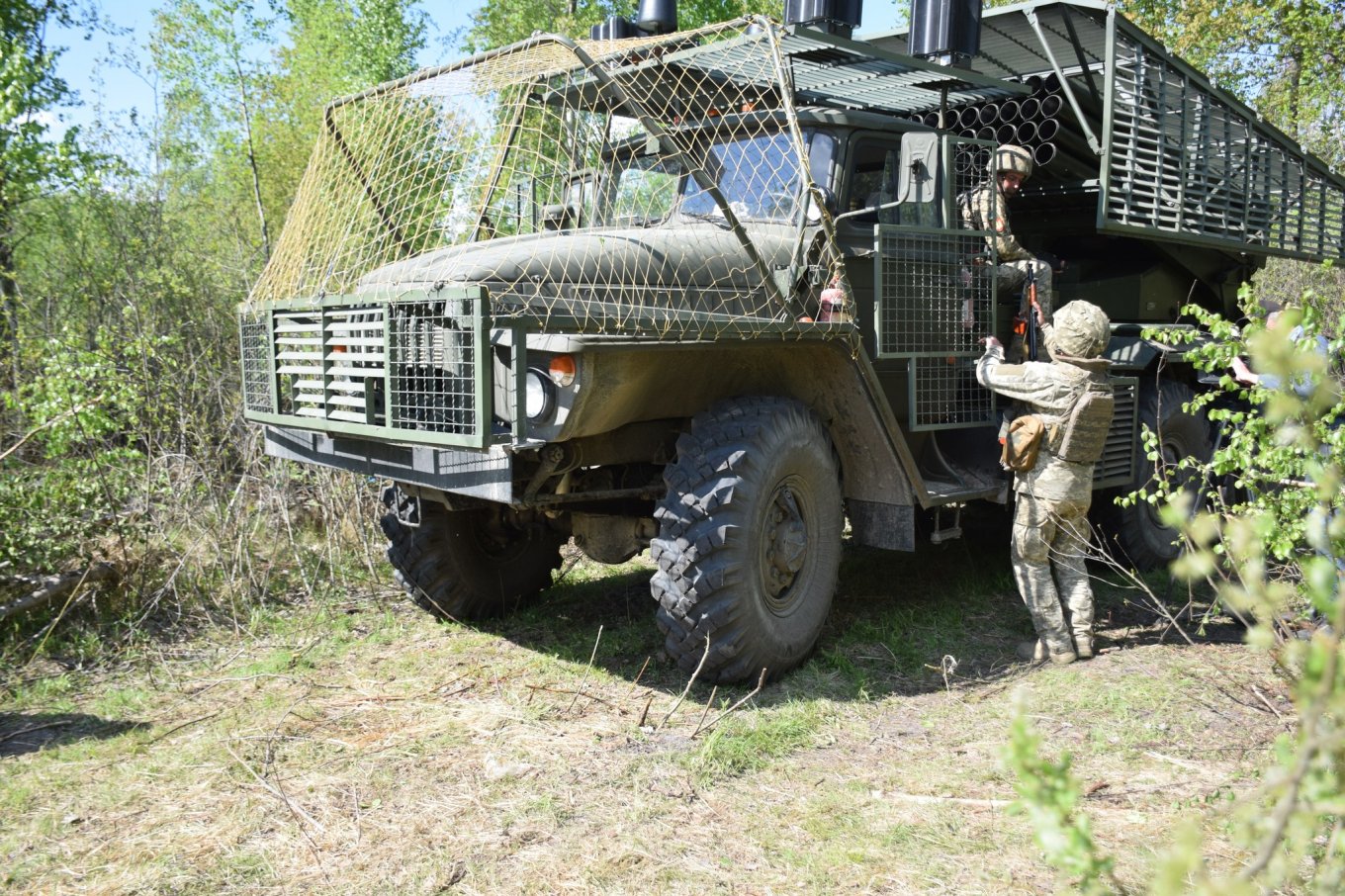
Despite their age and relatively limited range, Grad systems remain in service with a large number of countries worldwide due to their sheer numbers, low cost, and simplicity — including both russia and Ukraine's Defense Forces, where they are being actively modernised with counter-drone protection and even new chassis.
As for EM&E's production capacity: deliveries of 11,000 kits across both variants over three years suggest an approximate output of 3,700 per year, which could increase if demand from customers proves sufficient.
Read more: What to Expect From New Neptune 2 Cruise Missile if Ukraine Cooperates With MBDA