


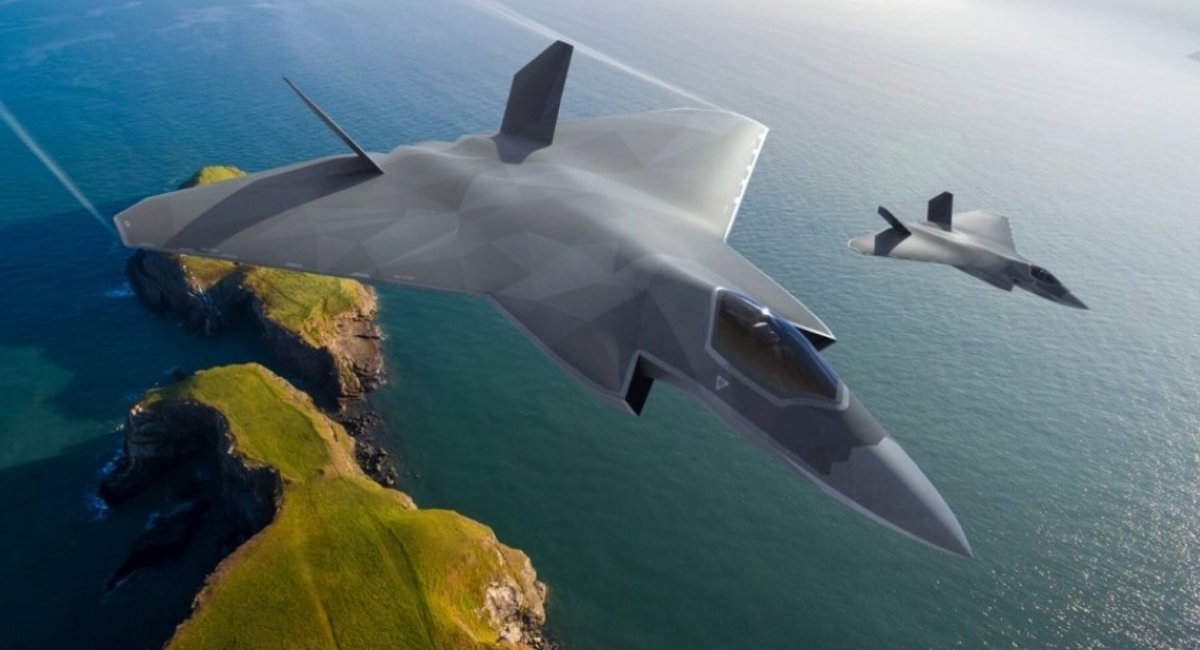
Sixth-generation Tempest fighter under the Global Combat Air Programme (GCAP) had fairly promising timelines when announced, especially compared to FCAS. However, it too is running into trouble, this time over finances.
According to The Telegraph, the United Kingdom plans to direct funding toward the new aircraft's development closer to the mid-2030s. This is expected to be confirmed by the long-awaited 10-year Defence Investment Plan (DIP).
Read more: Can Ukraine Really Get 62 Used F/A-18 Hornet Fighters as russians Write About It
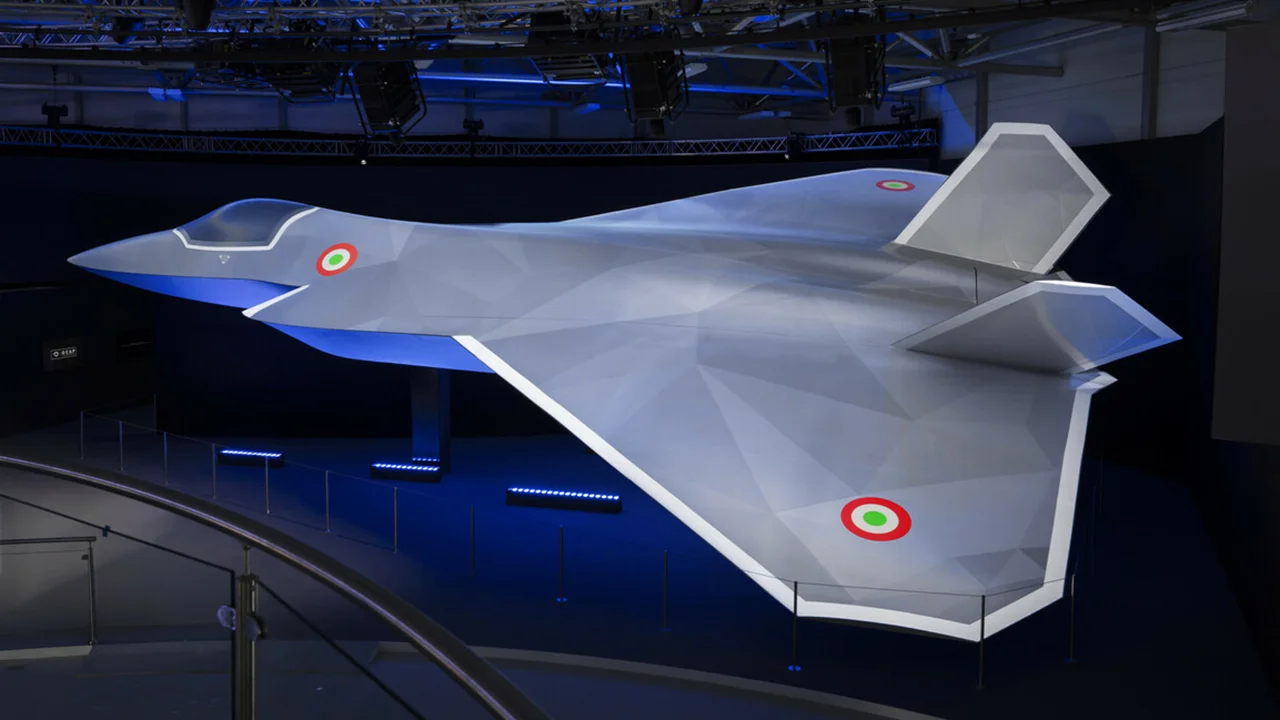
As a result, the new fighters may not enter Royal Air Force service until the late 2030s or even the early 2040s, a significant slip from the original 2035 target.
Tempest is intended to replace the Eurofighter Typhoon as Britain's primary combat aircraft; the Typhoons are scheduled to be retired by 2040. The delay could therefore deal a serious blow to the country's defence capabilities.
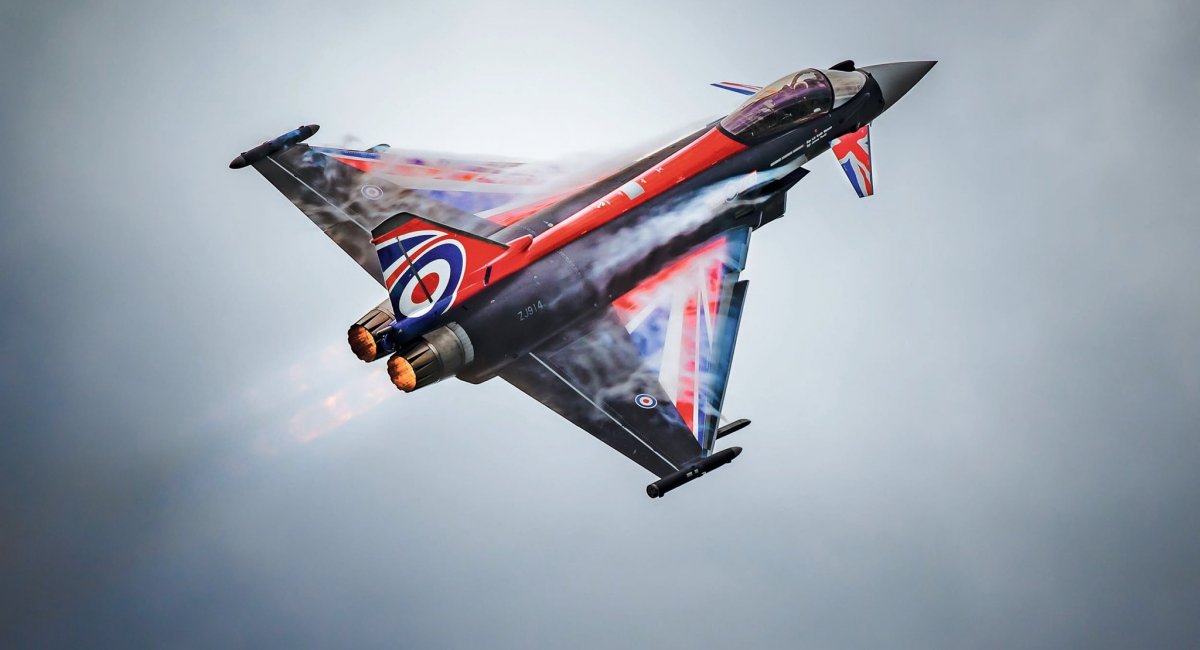
The revised timeline is attributed to a lack of British funding for GCAP and other military programmes, with fierce battles reportedly ongoing between the Ministry of Defence and the Treasury.
The Defence Investment Plan is said to prioritise drones and autonomous systems, drawing lessons from the russo-Ukrainian and Iranian wars. Increases to personnel numbers and reserves are also expected to feature.
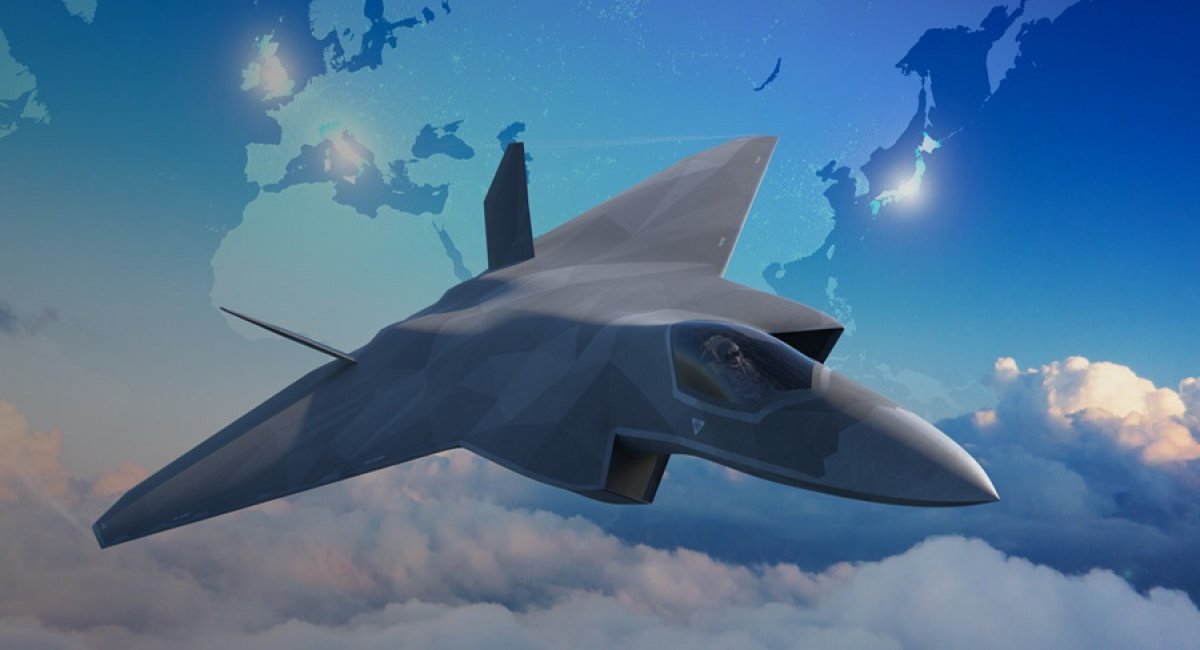
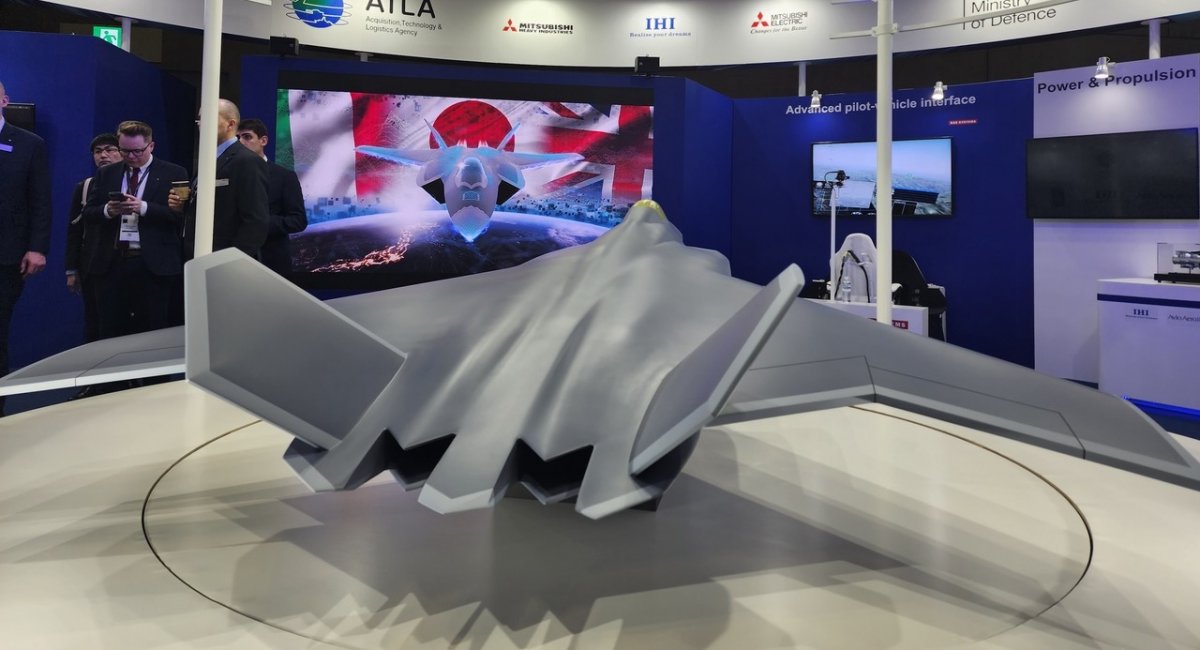
Defense Express notes that if Britain's delay in funding GCAP proves accurate, it will be a major blow to the sixth-generation fighter programme. It will inevitably cause delays for the other partners Japan and Italy who may now face pressure to increase their own contributions.
It is worth recalling that britain's payment obligations had already caused friction among partners. In early April, however, it did secure £686 million (€787 million), enough to cover costs through the end of June.
Further steps were to be provided by Britain's Defence Investment Plan, but its adoption has been delayed by months. The reason is straightforward: there is a £28 billion (€32 billion) shortfall in defence funding for the coming years.
Japan and Italy have not yet officially responded to the revised plans. This creates a deeply uncomfortable situation, however, as both countries have already committed their share of financing. Some sources have raised the possibility of GCAP collapsing altogether, though that remains a highly unlikely outcome particularly given that a joint company has already been established.
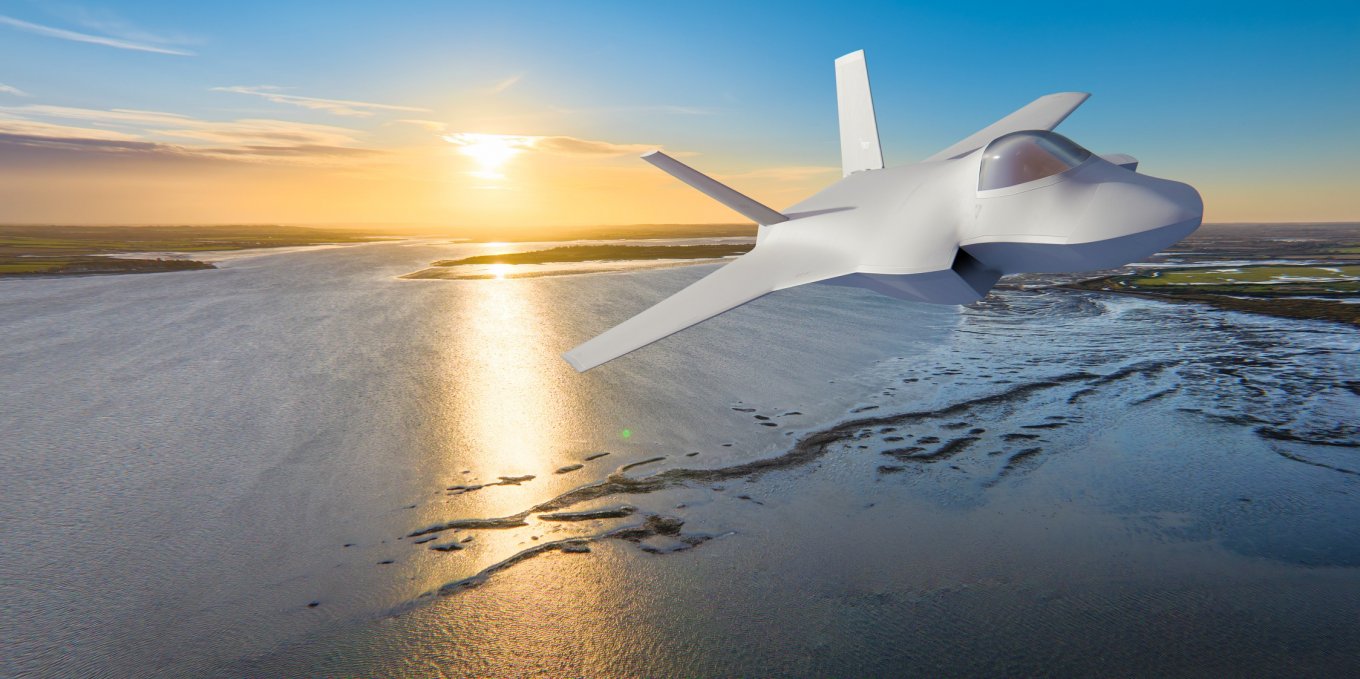
The most probable scenario at present is that the programme continues with a further timeline shift. This could affect the first flight as well, which had been scheduled for 2028. The resulting capability gap would not be britain's alone, Italy and Japan would face one too.
A sensible option would be to bring in additional partners, such as Canada, which is already actively pursuing membership and Poland, currently at an early stage of discussions. Germany, which is looking for possible alternatives to the troubled FCAS programme, could also provide a meaningful contribution.
Read more: russia's Own Tactics Turn Against It as Ukraine Expands Drone-Based Remote Mining of Logistics Routes