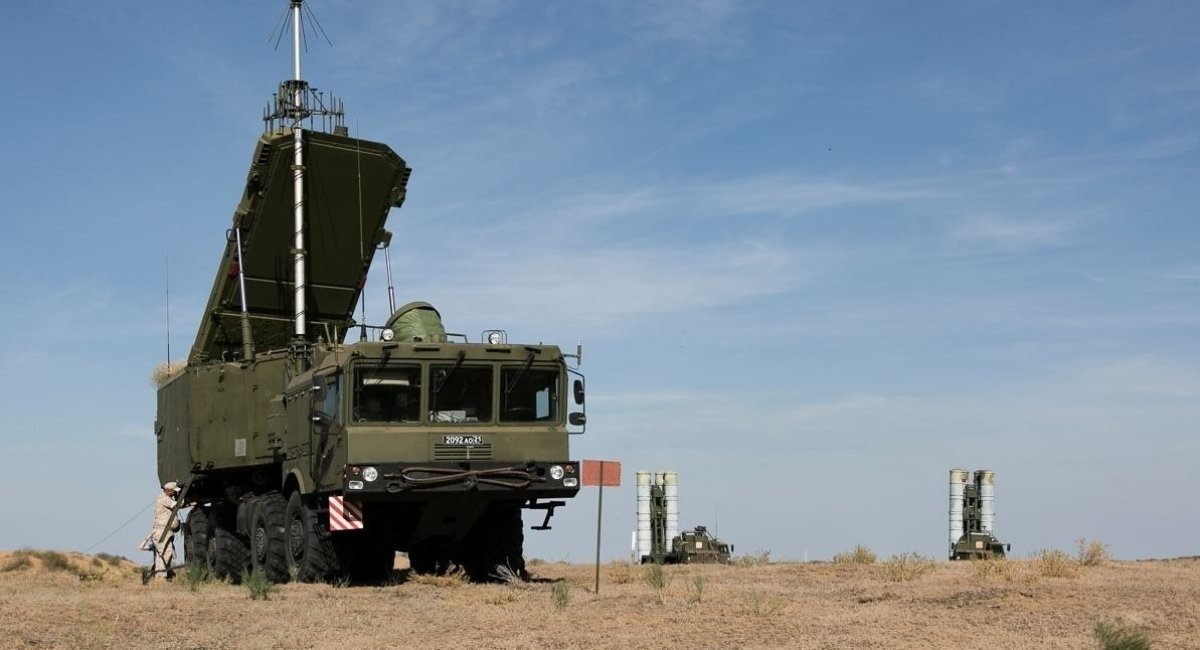
The S-400 has gained significant popularity in India — so much so that New Delhi intends to order even more systems. This enthusiasm persists despite the system's tarnished reputation, which has been damaged by its performance in the ongoing russian invasion of Ukraine.
India is reportedly prepared to pay substantial sums for S-400 missiles. For a batch of 300 missiles, New Delhi may spend more than $1.12 billion.
Read more: Why Ukraine's Fire Point FP-7 and FP-9 Ballistic Missiles Resemble russia's 48N6 from the S-400 System
To justify this procurement, Indian media outlets have actively promoted the S-400's alleged combat successes, including claims from Operation Sindoor — a clash with Pakistan in May. Indian sources assert that the system shot down up to five Pakistani fighter aircraft, including F-16s and JF-17s.
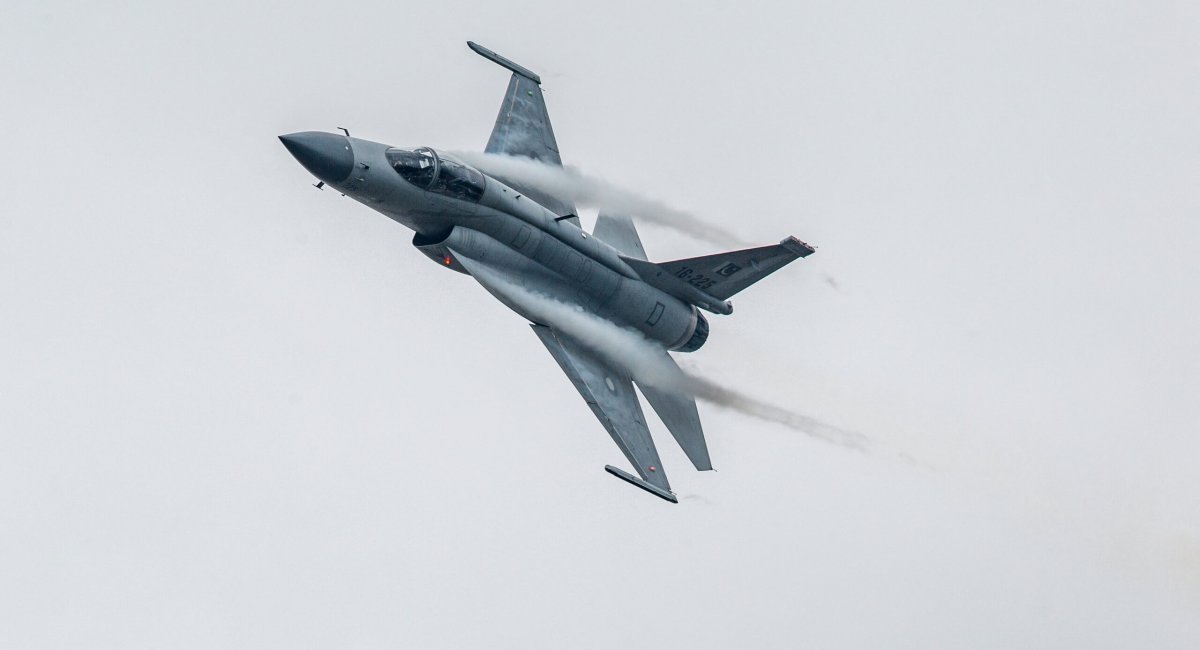
However, the most intriguing allegation concerns the reported downing of an unidentified wide-body aircraft at a range of 315 km. While Indian officials have never confirmed the incident, several media outlets in India insist the target was a Saab 2000 Erieye AEW&C — a high-value airborne early-warning aircraft, whose destruction would theoretically justify the S-400's long-range capabilities.
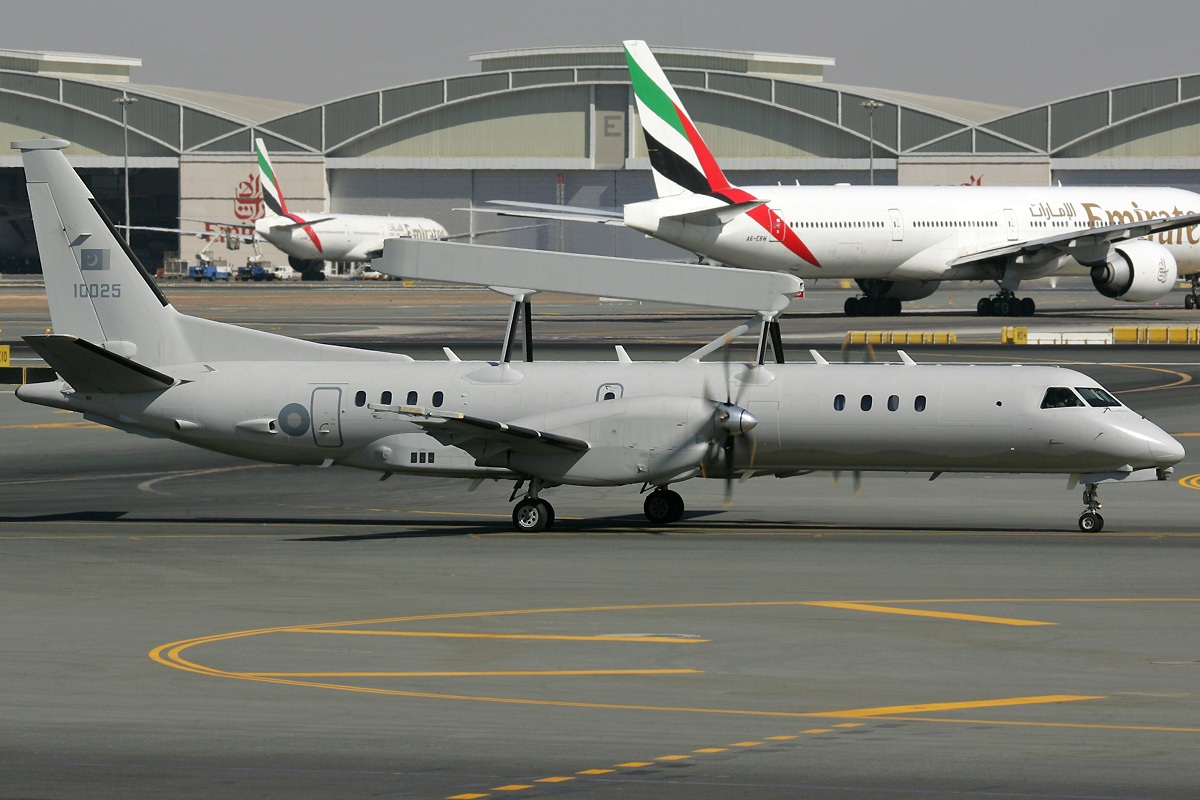
Unsurprisingly, Pakistan denies the claim, and no evidence has emerged to support it. Theoretically, such a result could be possible, but there is no independent confirmation — no satellite imagery, no wreckage photos, nothing that would normally appear after the loss of such a critical asset. This raises serious doubts about whether the incident occurred at all.
It is possible that Pakistan could conceal losses, particularly in mountainous regions where evidence is harder to collect. Islamabad, for its part, claimed notable successes: one MiG-29, one Su-30MKI, and three Rafales. However, these claims were supported with detailed briefings, crash-site coordinates, and intercepted communications.
Among all claims, the only loss independently verified is a single Indian Rafale, tail number BS-001, positively identified from recovered debris.
New Delhi, in contrast, has presented no comparable evidence. Even the single "official" statement from the Indian military — a video showing supposed Pakistani Mirage wreckage — actually shows debris from a drone powered by an internal-combustion engine (visible at the 1:00 mark).
आकाशे शत्रुन् जहि IDestroy the Enemy in the Sky.#PahalgamTerrorAttack #OperationSindoor#JusticeServed #IndianArmy@IAF_MCC @indiannavy pic.twitter.com/vO28RS0IdE— ADG PI - INDIAN ARMY (@adgpi) May 12, 2025
It is also important to note that losing a fighter is one matter; losing an AEW&C aircraft — with a larger crew and greater strategic significance — is far harder to conceal.
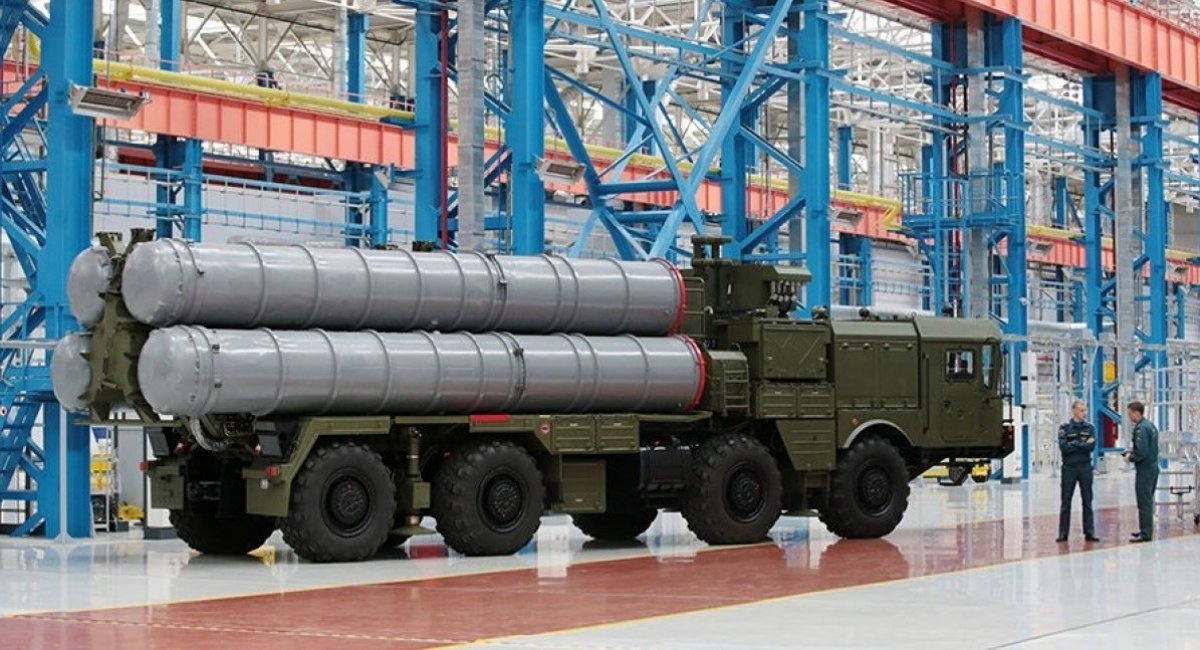
Meanwhile, during the russia–Ukraine war, numerous videos have emerged showing S-400 batteries being destroyed by various methods. This, in turn, casts further doubt on the system’s true effectiveness and makes India’s continued enthusiasm for it even more surprising.
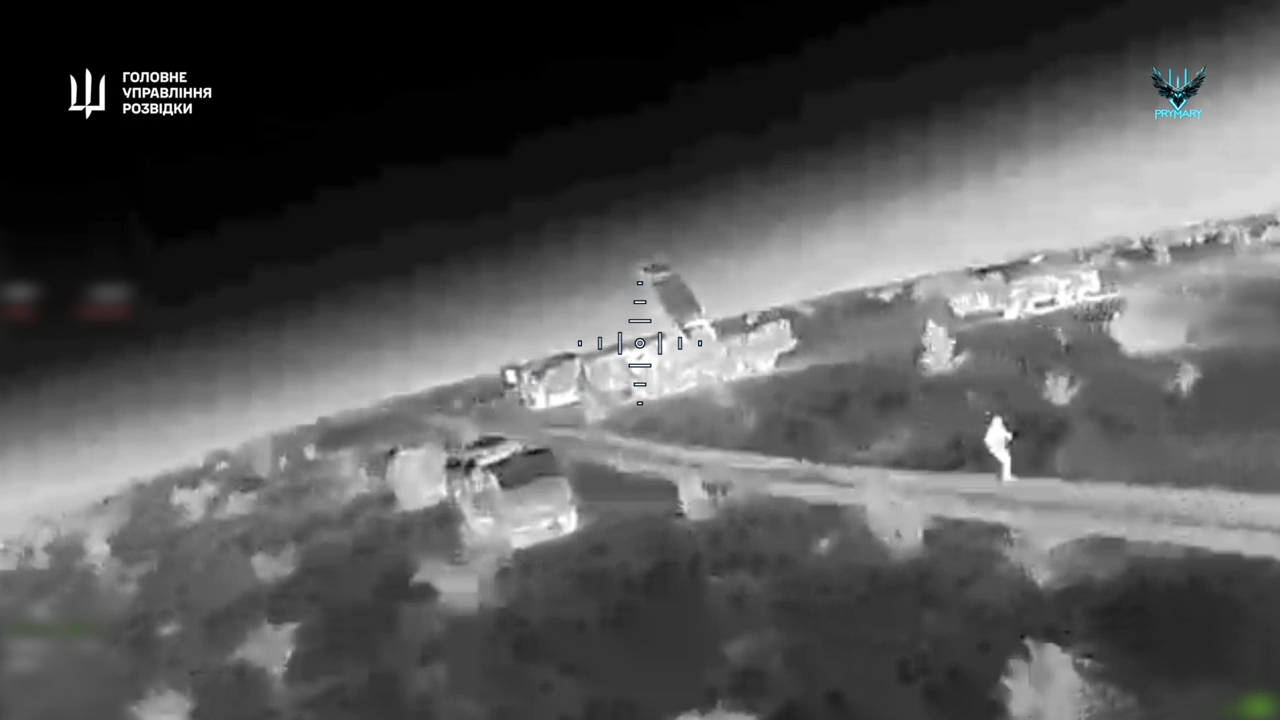
India already operates several S-400 systems and is awaiting delivery of two more, which russia owes under existing contracts. New Delhi is also seeking to purchase additional systems — a move that requires strong domestic justification.
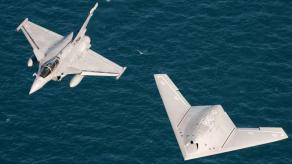
At the same time, russia is gradually losing its once-dominant position in the Indian arms market. In the fighter aircraft sector, India is shifting toward the Rafale and deepening cooperation with France and Safran on the development of a fifth-generation fighter.
Read more: India's Upcoming Deal Reveals Cost of russian S-400 Missiles