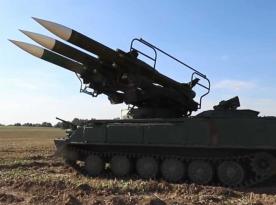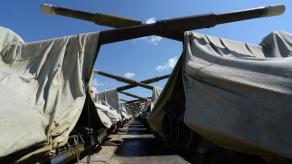
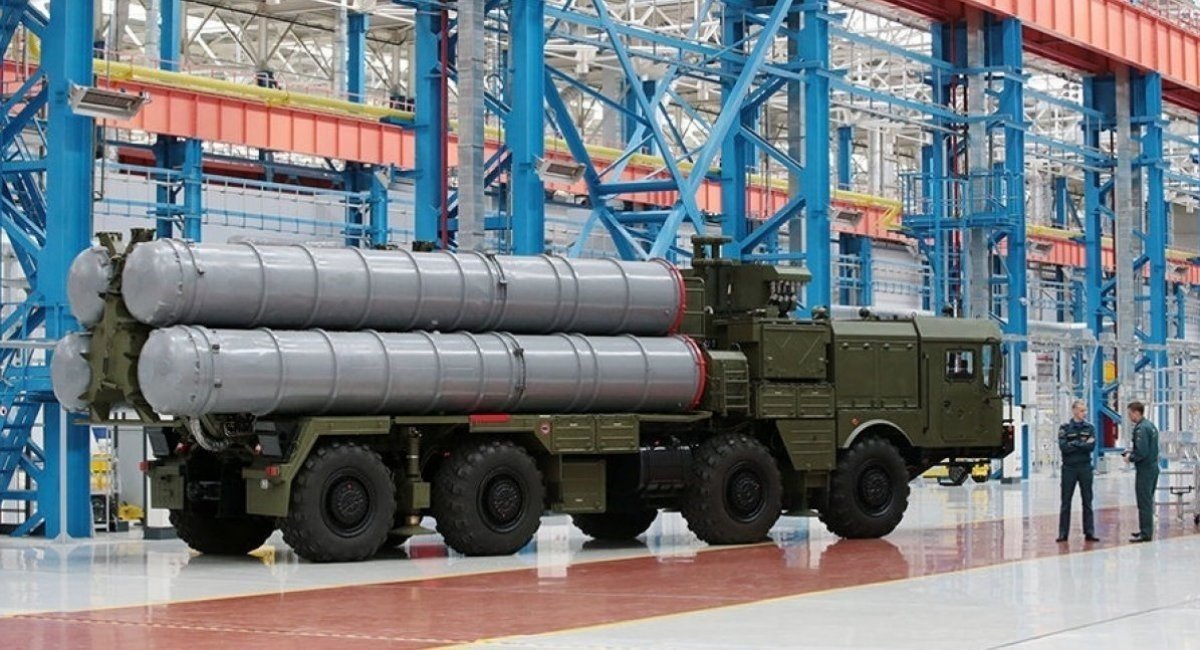
India is planning to purchase 300 missiles for the S-400 air defense systems. This is necessary to replenish stocks that were depleted during combat operations against Pakistan earlier this year.
Local officials say the purchase will take place during the current fiscal year once all necessary permits are secured. The cost is expected to exceed $1.12 billion.
Read more: Why Local Production of the French AASM Hammer Could Benefit Ukraine: Lessons from India's Experience
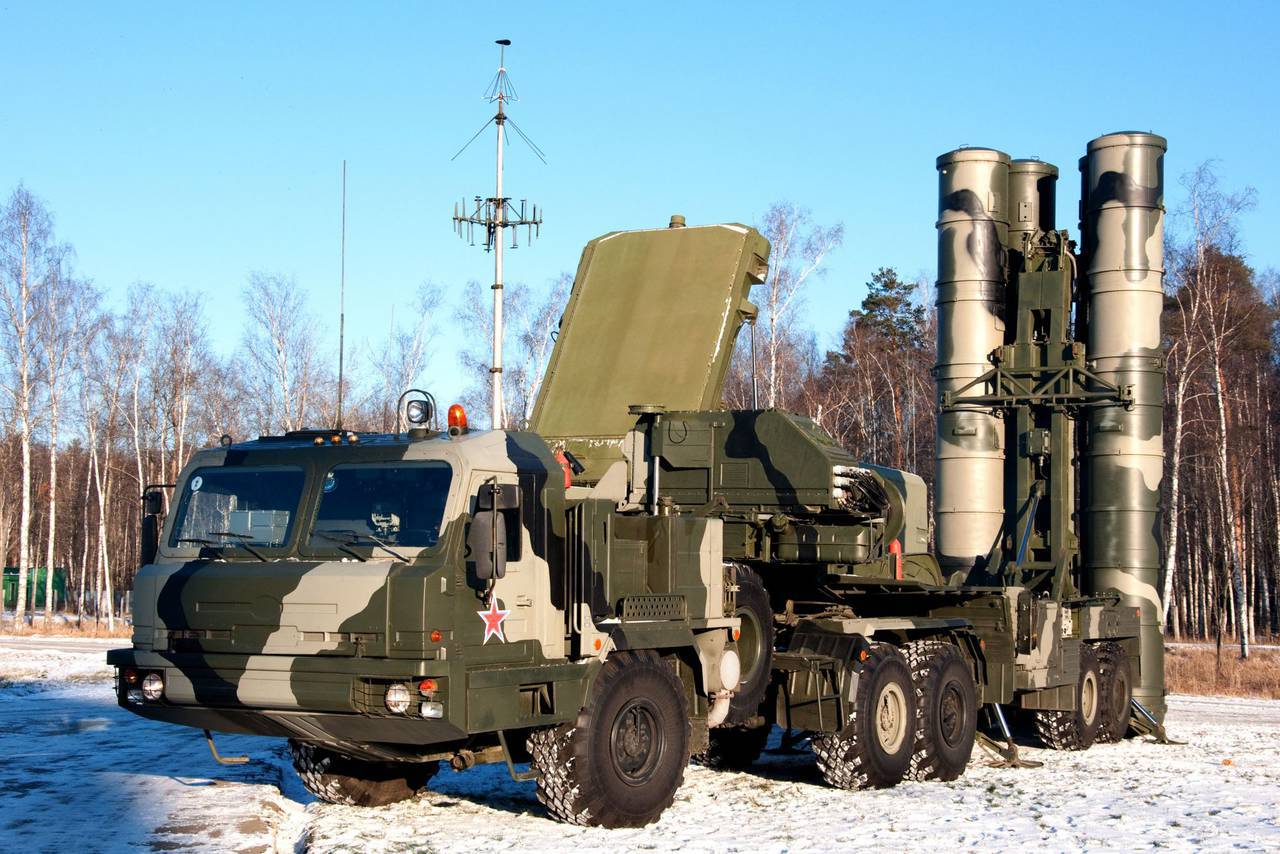
This provides a clear estimate of the cost of a single S-400 missile, which is approximately $3.73 million according to this information. According to the statements, this should be seen as the minimum cost, which will almost certainly be higher.
An important nuance is that this is an export order, which is always more expensive than purchases for domestic use. It will also most likely include various additional equipment and components for operation, but this is typically included in all contracts.
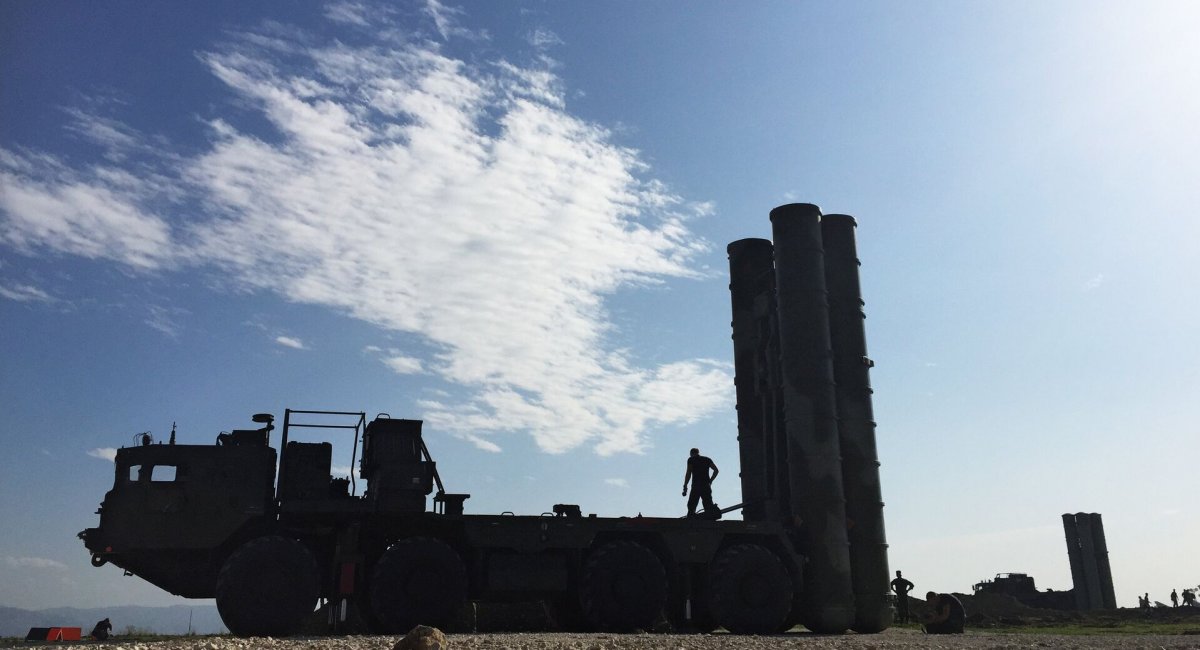
Earlier, various media reports suggested the missiles cost between $2 million and $6 million, though no exact numbers were provided. It now appears that the minimum price is $3.73 million, and the exact figure will be revealed once the contract is signed.
Even so, it is more affordable than the GEM-T, when compared to the American Patriot, which is its closest analogue in terms of capabilities. Their cost ranges from $6 million to $10–12 million, depending on the buyer and the terms of the contract.
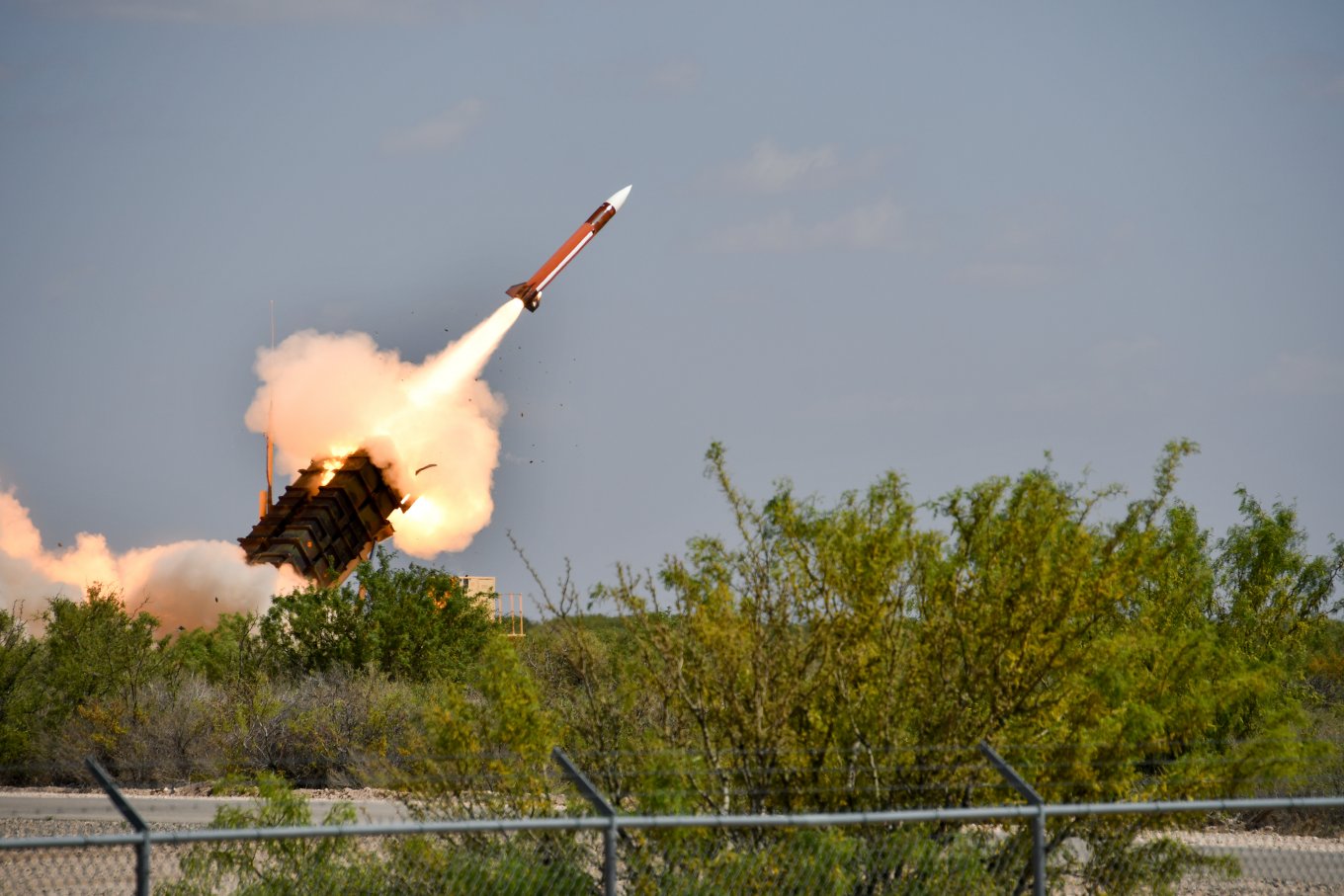
On the other hand, European Aster 30 anti-aircraft missiles are used both for ship-based air defense and as part of Ukraine's SAMP/T ground-based systems. Their range is up to 150 km in the latest iterations, and their approximate cost is up to $4 million.
It turns out that russians often advertise their air defense systems, such as the S-400, as a "more affordable" alternative to Western systems. However, these are still significant sums, which can match the price of their Western counterparts in export markets.
Read more: Why Ukraine's Fire Point FP-7 and FP-9 Ballistic Missiles Resemble russia's 48N6 from the S-400 System