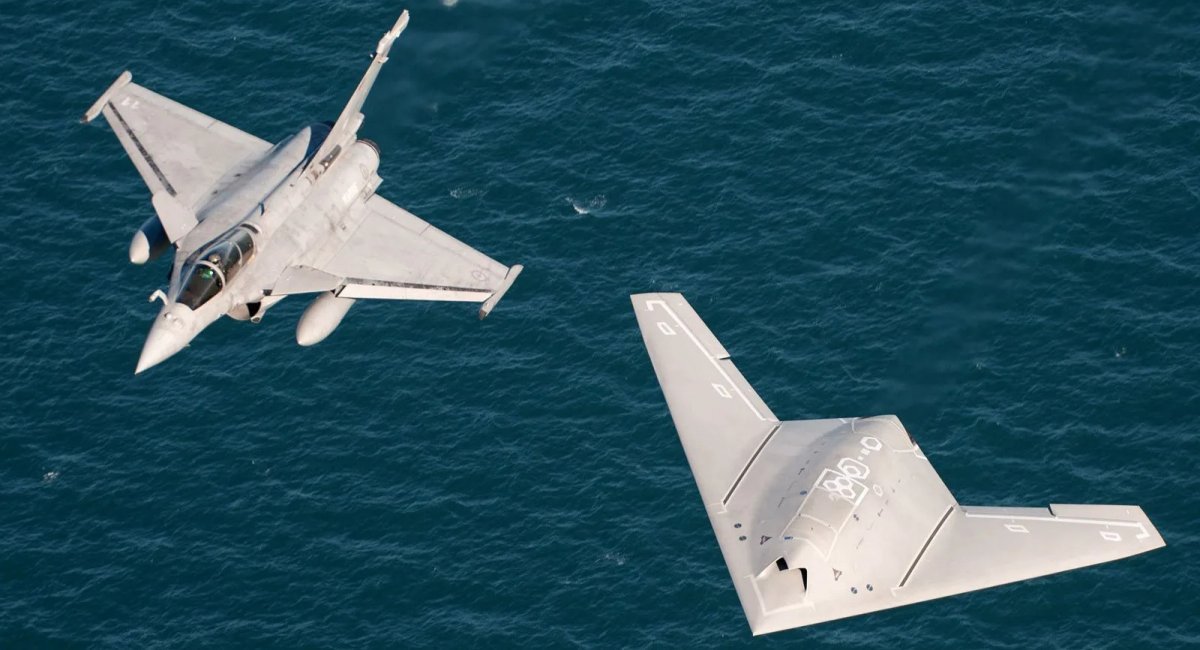
The growing risk of a potential conflict with russia in 2028–2029 is becoming increasingly serious, driving the need to speed up rearmament plans. As a result, France is seeking to acquire uncrewed loyal wingman fighters without waiting for the upgraded Rafale F5 to enter service.
According to French Air Force Deputy Chief of Staff General Dominique Tardif in an interview with Politico, the concept involves an AI-enabled drone weighing 2 to 4 tons. It is expected to operate alongside manned aircraft in combat missions.
Read more: France Faces Missile Shortage for Rafale Jets Against Shaheds, Raising Concerns for Ukraine
One notable requirement is the ability to detect and geolocate targets with greater precision, a capability that is not often emphasized. At present, the French military plans to submit a request to the defense procurement agency (DGA) to evaluate proposals from industry.
Defense Express notes that France is following a broader trend among many countries that are already actively acquiring loyal wingman drones to complement their fighter fleets. The acceleration is significant, as the Rafale F5 standard is not expected to be ready until 2030.
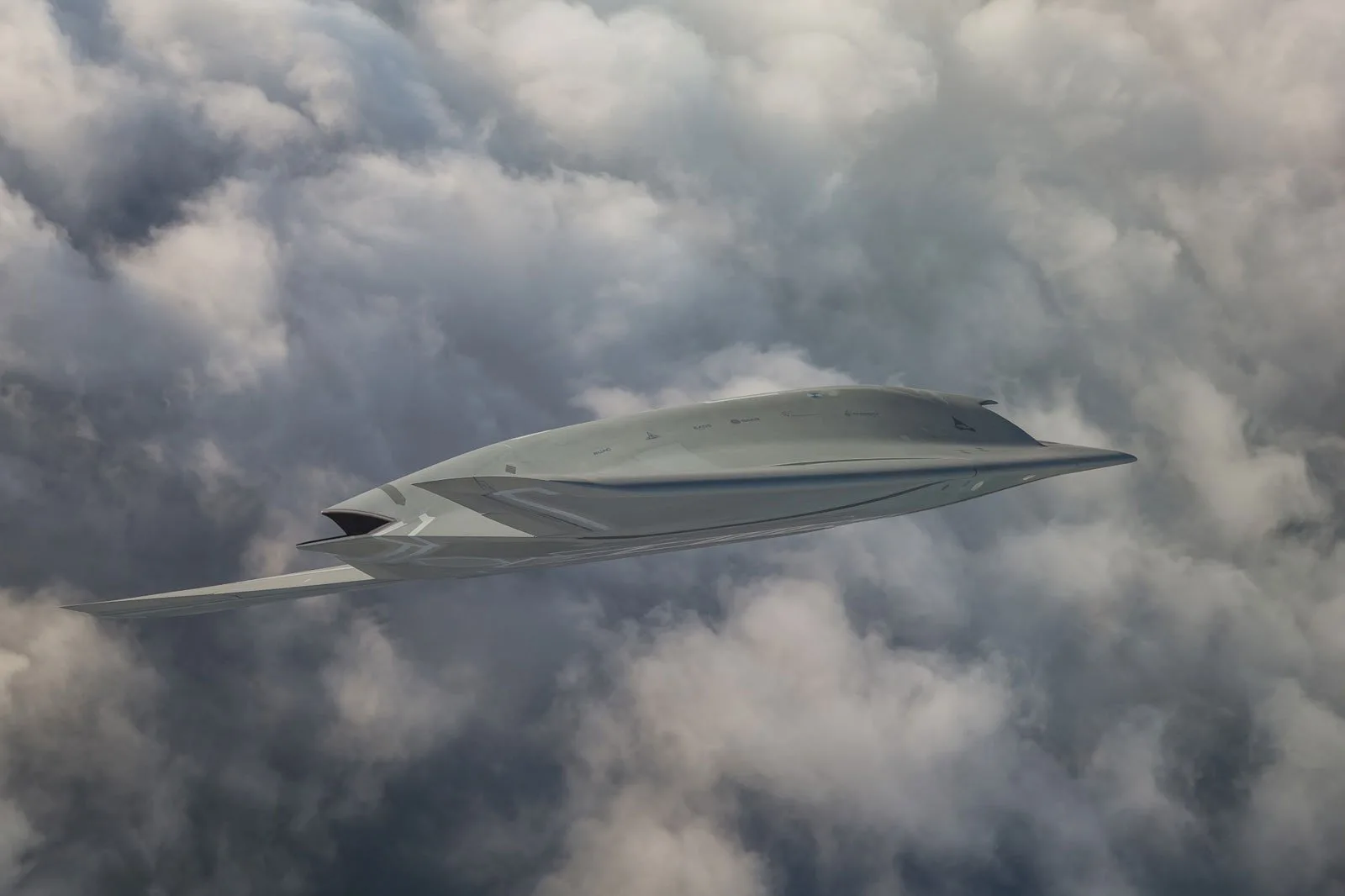
Moreover, Germany, with which the joint FCAS program is facing difficulties, is also actively searching for an uncrewed fighter solution. Options under consideration include the Australian MQ-28 Ghost Bat, which Rheinmetall is adapting, as well as the American XQ-58A Valkyrie, being further developed by Airbus.
However, France is unlikely to rely on U.S. solutions and will most likely prioritize options from Europe and its domestic defense industry. One possible candidate is the German CA-1 Europa developed by Helsing and Grob, although it has yet to fly and its level of readiness remains unclear.
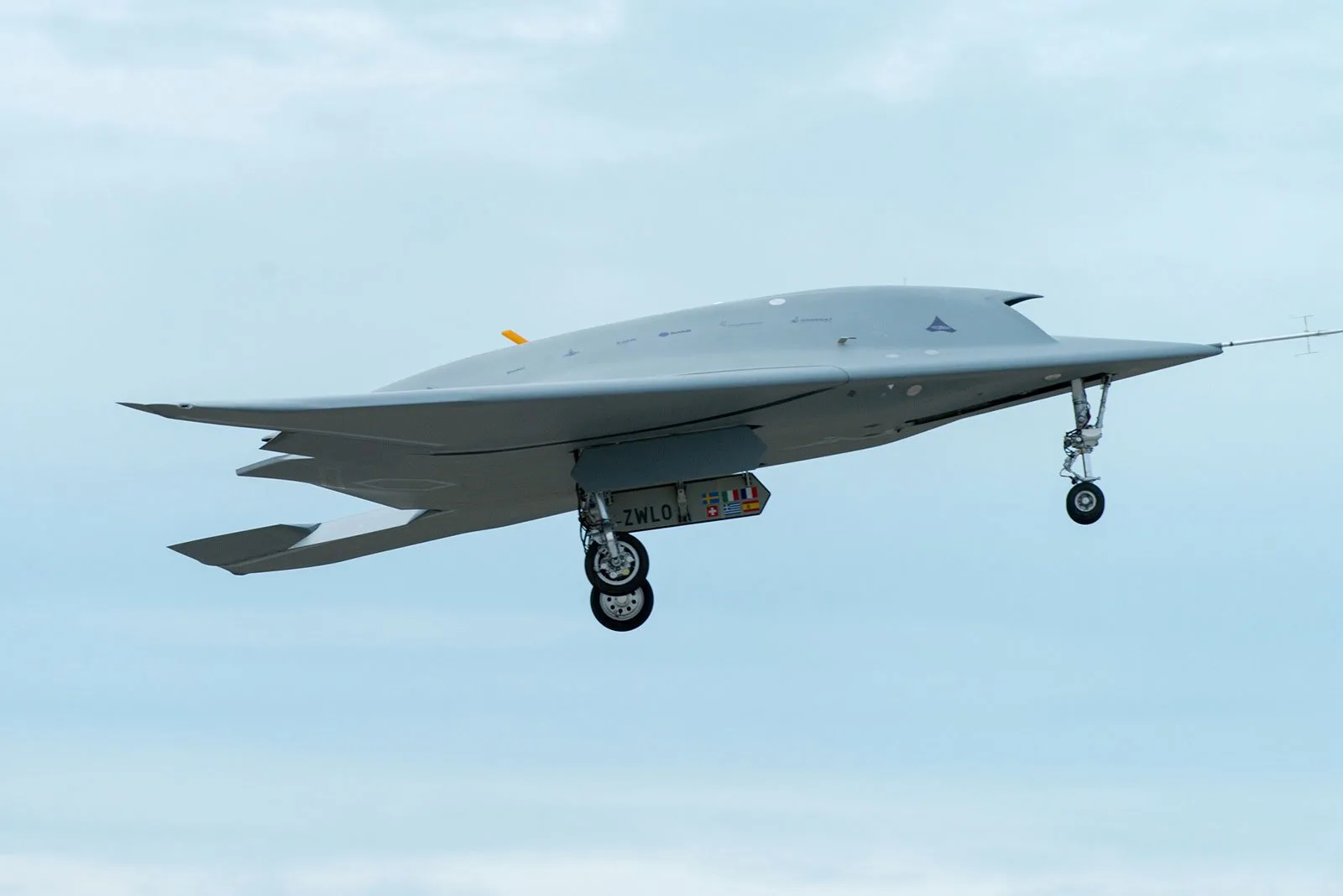
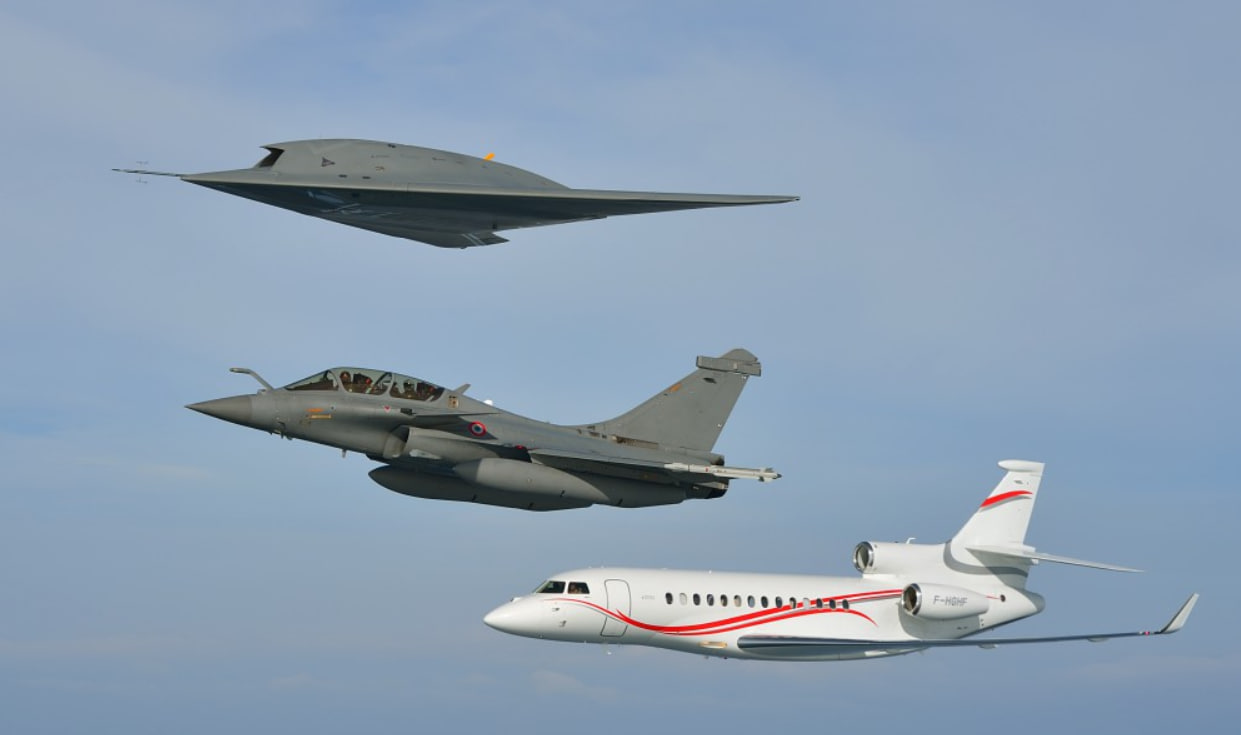
At the same time, priority may be given to French industry. France already has a relevant platform in the form of the Dassault nEUROn, which first flew in 2012 and has remained in development and testing since then.
Given the timeline of a potential conflict with russia in 2028–2029, the new uncrewed fighter would likely need to enter service within that period. This leaves only two to three years, which is a very short timeframe, especially considering that the procurement process has not yet formally begun.
Read more: France's 2037 Leclerc Retirement Deadline Forces Quick Decision, Germany's Leopard Successor May Fill Gap