


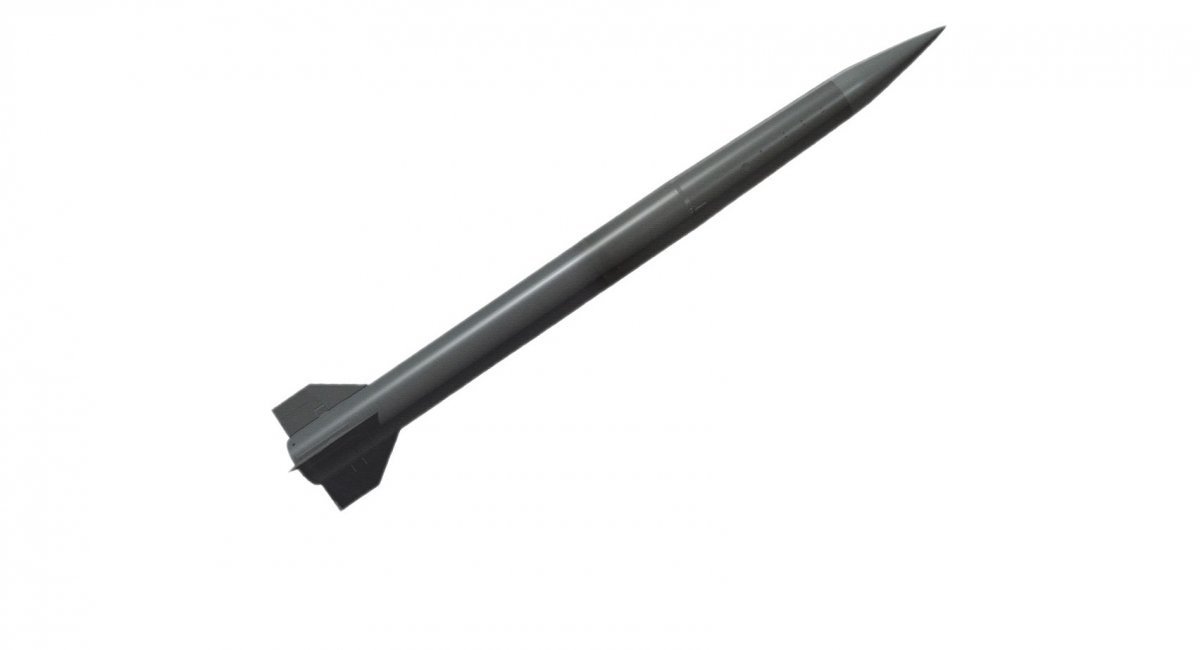
The Ukrainian company Fire Point has announced that the FP-7 ballistic missile, with a range of up to 200 km, is expected to complete its codification process by the end of this year. The FP-9, with a declared range of up to 855 km, is expected to follow.
Codification is the formal process that enables the military to begin receiving these missiles.
Read more: Photos and New Details Emerge on How Ukraine Fitted a FAB Bomb to a Tochka-U Ballistic Missile
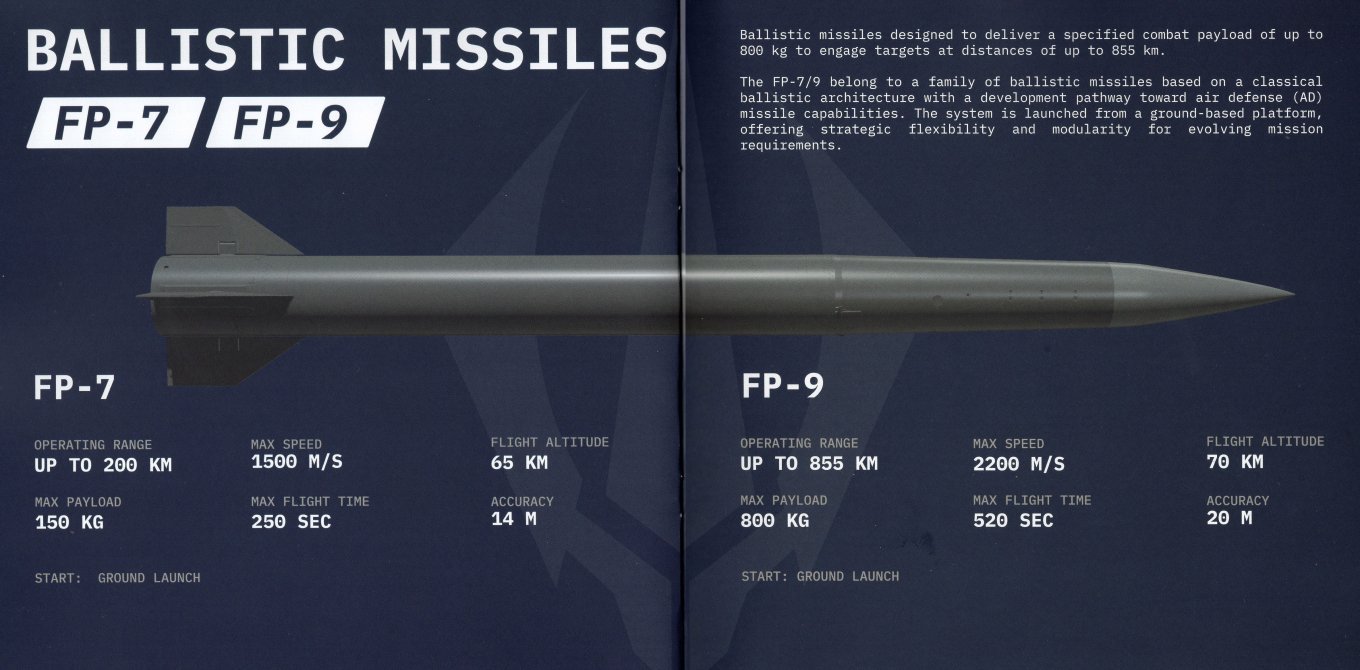
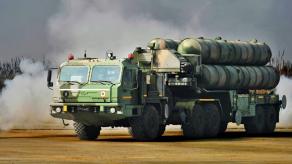
At the same time, images of the missiles, which appear to differ only in size, naturally raise the question: why do they look so similar to russia's 48N6 missiles from the S-400 system? Based on the available visuals, there is no more plausible explanation.
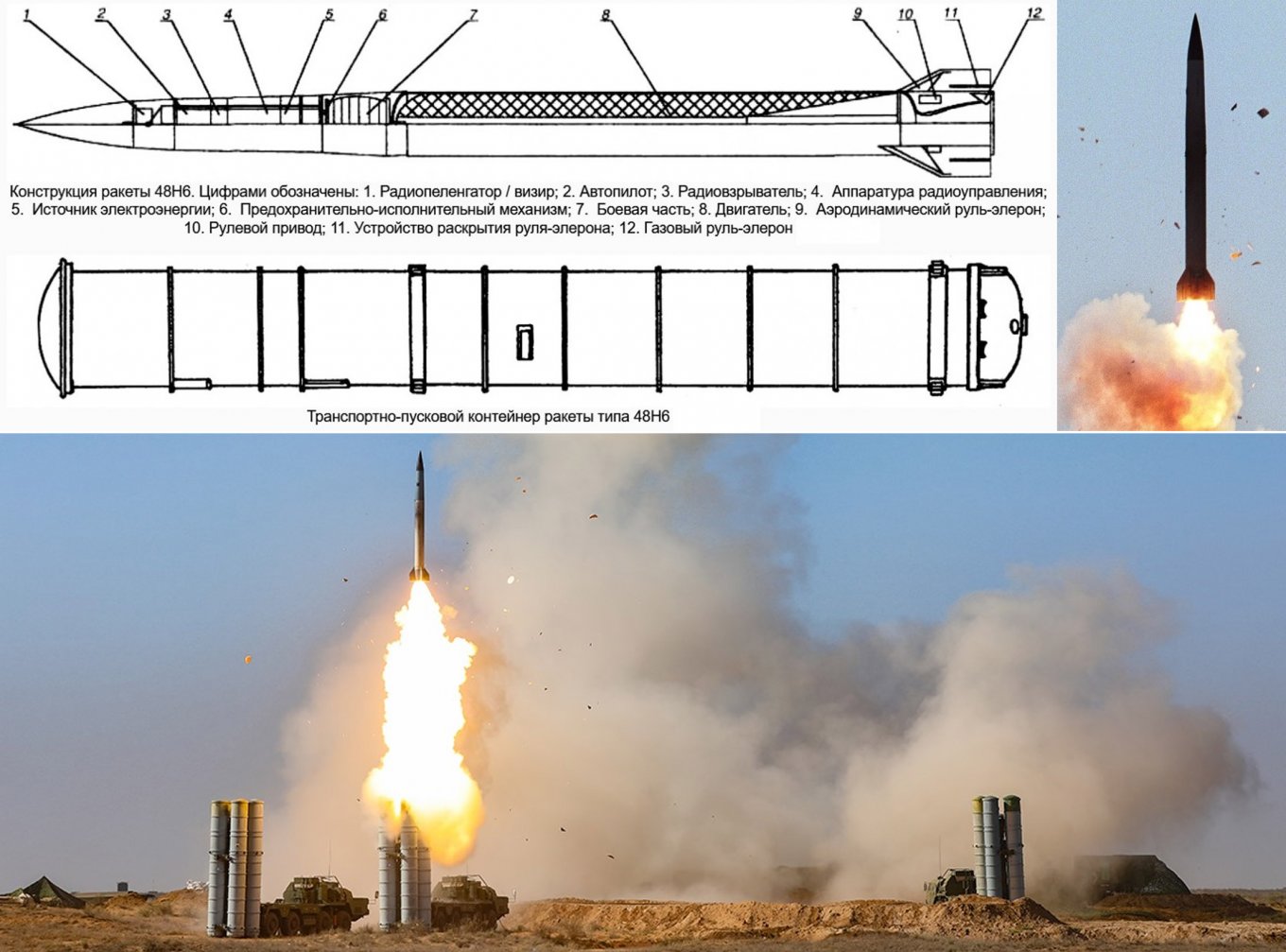
Moreover, Fire Point does not hide the fact that its missile is based on a russian design. During the company's press conference, it was explicitly described as a "cloned missile." However, it incorporates significant design changes — most notably, the Ukrainian missile uses a fully composite airframe, "which makes it lighter and capable of flying farther."
Copying enemy solutions is an effective shortcut that saves time on calculations and development, especially when the design is proven, and russia regularly uses the 48N6 for strikes against Ukrainian cities. In the case of the ballistic FP-7, all flight-control and guidance systems are entirely different, meaning the copying applies only to aerodynamic design and general control architecture.
It is also worth noting that calling the 48N6 a "russian" missile is not entirely accurate. It was developed in the 1980s during the Soviet period and entered service around 1990 as part of the modernized S-300PM and naval S-300FM systems.
Exact specifications of the 48N6 (and its export version, the 48N6E) and later upgrades are usually not provided separately from the broader S-400 system. However, the following figures are known:
48N6 family characteristics:
- length: 7.5 m
- launch weight: 1,900 kg (2,580 kg with canister)
- solid-fuel motor burn time: up to 12 seconds
- maximum speed: 1,900–2,100 m/s
- average speed: 1,190 m/s
Warhead and engagement range against air targets:
- 48N6: 150 km, 145 kg
- 48N6M: 200 km, 150 kg
- 48N6DM: 250 km, 180 kg
Declared parameters of the FP-7:
- range against ground targets: over 200 km
- warhead weight: up to 150 kg
- maximum speed: 1,500 m/s
- flight time: 250 seconds (average speed ≈ 800 m/s)
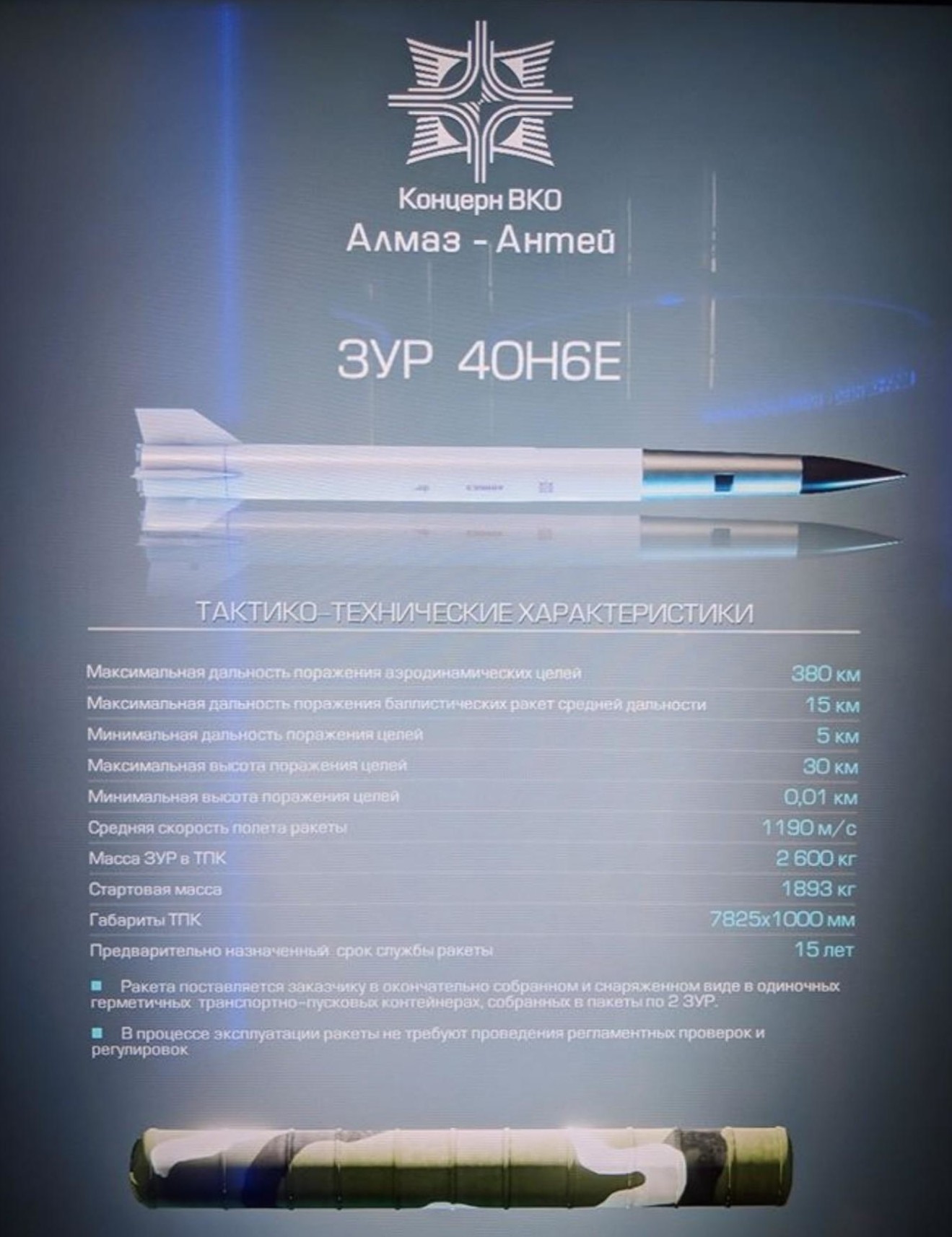
The difference in speeds between the Ukrainian ballistic missile and the russian surface-to-air missile is likely explained by different solid propellants, thrust profiles, and motor burn times.
Read more: russia Used 48N6DM from S-400 in Kyiv Strike on September 2, Ukrainian Air Defense Successfully Intercepted It