


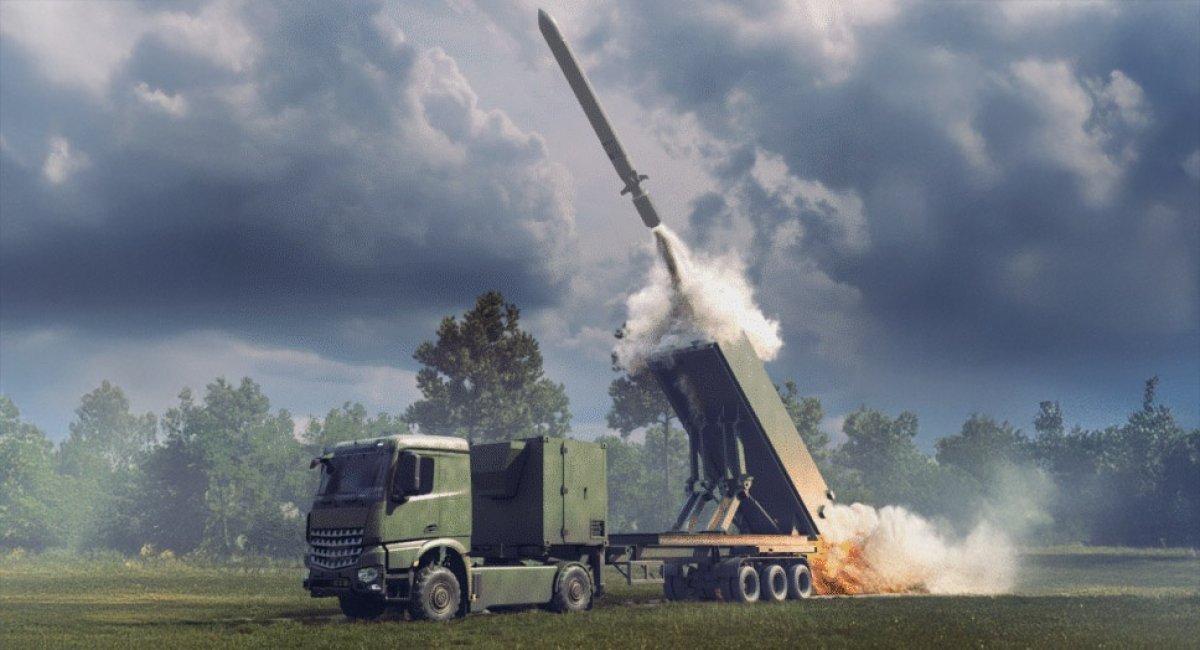
In July 2024, during the NATO summit in Washington, several European countries launched the ELSA (European Long-Range Strike Approach) defense initiative — a program aimed at creating long-range strike weapons in response to the threat posed by russian aggression. The initiative was also motivated by U.S. restrictions on Ukraine's use of American long-range weapons, which may have been a key catalyst.
The program was expected to pool the efforts of France, Germany, Italy, the United Kingdom, Sweden, Poland, and the Netherlands. But of these seven countries, four have already pursued their own national strategies. Formally, ELSA still exists — but it has not become the unifying framework it was meant to be.
Read more: Rheinmetall to Begin Production of Hundreds of Israeli HERO Strike Drones for NATO
In the past several days, two European countries have announced an urgent need for their own national long-range missiles. The Dutch Ministry of Defence has called for immediate proposals for a domestic alternative to the Tomahawk — even though the Netherlands continues procuring Tomahawks despite being part of ELSA.
Sweden, meanwhile, has declared the need for a missile with a range of up to 2,000 km to be fielded by 2030. Stockholm has already commissioned the British company GKN Aerospace to develop a "jet-powered UAV" — which is, in reality, unmistakably a cruise missile — on an extremely compressed timeline of 18 months. During this period, GKN must design not only the airframe but also the jet engine, a task assigned to Volvo Aero, GKN's Swedish subsidiary.
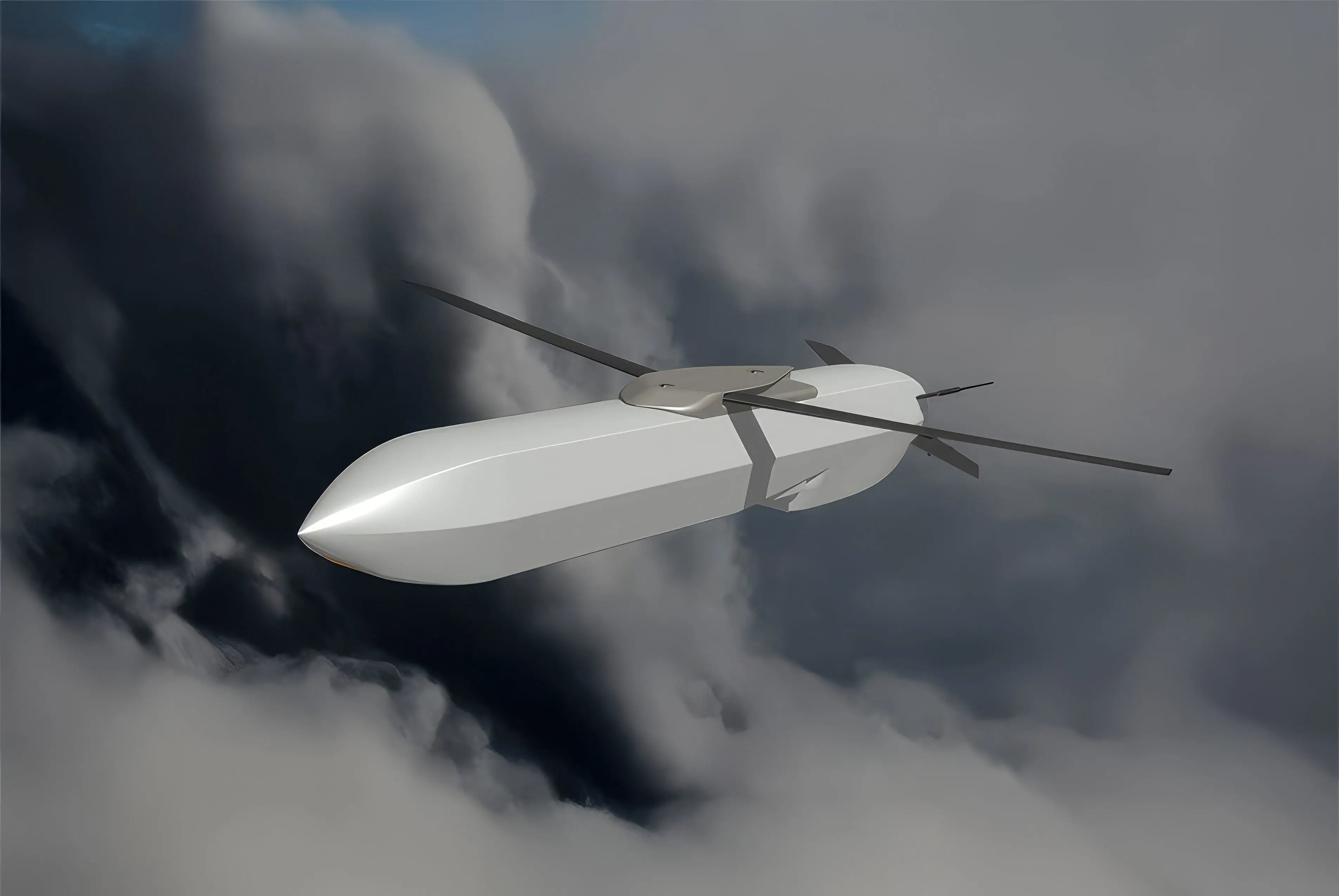
Given the decisions taken by the Netherlands and Sweden, the question arises: could these efforts eventually be combined? Official announcements already confirm that the airframe for Sweden's "jet-powered UAV" will be designed in the Netherlands by Fokker — another GKN-owned company.
The United Kingdom has also launched national development programs. Its two announced concepts — the Brakestop cruise missile and the Nightfall ballistic missile — are both intended to have ranges of around 600 km. And because GKN is a British company that could easily win the domestic contest to build a new cruise missile, there is a strong likelihood that a joint British–Swedish–Dutch cruise missile may emerge.
Germany has temporarily filled its capability gap by purchasing Tomahawks but has already allocated funding for the future Super Sonic Strike Missile — the 3SM Tyrfing — developed jointly with Norway and expected to have a range of 1,000 km. However, it is not expected before 2035.

Against this backdrop, France's 1,000-km LCM cruise missile is increasingly viewed not as part of ELSA but as an entirely national project, with test flights planned for 2028. Meanwhile, Paris's plan to develop a 2,000-km ballistic missile by 2030 is no longer even being discussed as a potential area for cooperation.
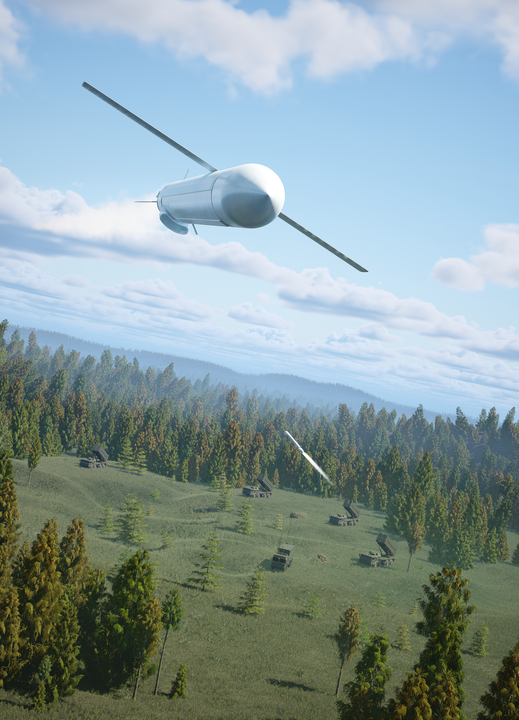
As of today, only three European countries possess genuine long-range strike capabilities beyond 1,000 km — and only two have sovereign control over them. These are:
- The United Kingdom, which fields U.S.-made Tomahawk cruise missiles and Trident ballistic missiles on its submarines.
- France, with its domestic MdCN cruise missiles and M51 ballistic missiles.
- Ukraine, which now has the operational Long Neptune, the FP-5 Flamingo nearing completion, and the industrial capacity to produce significant numbers of long-range drones.
Moreover, Ukraine is the only country in Europe with real combat experience employing long-range strike systems against russia — experience that provides far deeper and more valuable insights than many may realize.
Read more: If russia Has Built Asymmetric Advantages, from Glide Bombs to Rubikon, What Can Ukraine Do in Response?