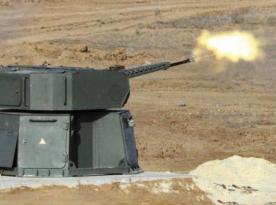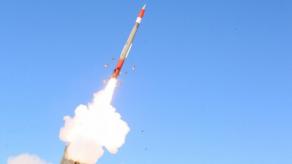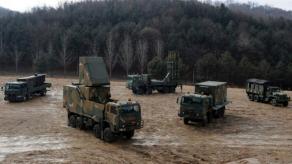
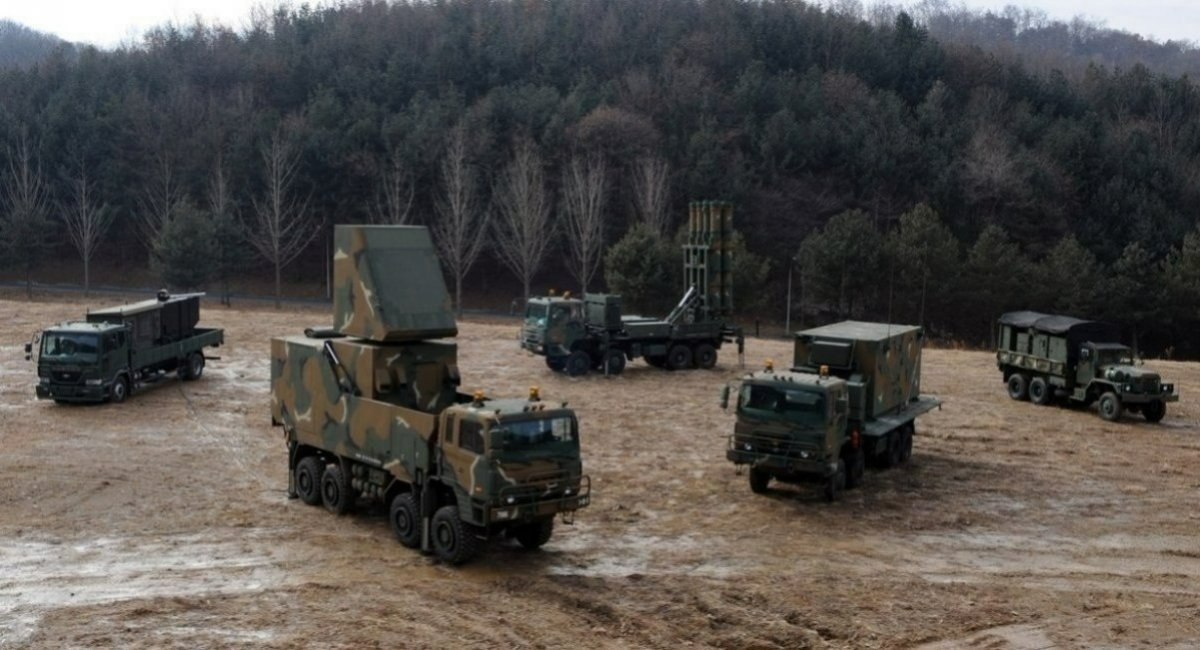
Reports indicate that South Korea is preparing to sign contracts with Qatar and Kuwait for the supply of KM-SAM II systems. The potential agreements have not yet been officially detailed.
This growing interest in KM-SAM II in the Middle East follows reports that the system performed effectively in the United Arab Emirates during the American Operation Epic Fury, where it was credited with intercepting Iranian ballistic missiles.
Read more: South Korea Supplies KM-SAM II Air Defense Systems to UAE for Ballistic Defense While Ukraine Faces Refusal
Currently, KM-SAM II systems are in service only in South Korea and the United Arab Emirates, while Saudi Arabia and Iraq are also expected to receive them under previously discussed arrangements. If contracts with Qatar and Kuwait are finalized, the number of operator countries in the region would rise to five.
Outside the Middle East, South Korea remains the only other operator of the system.
Ukraine has sought to join the list of operators since the beginning of russia's full-scale invasion, as the need for advanced air and missile defense has remained critical throughout the war.
However, South Korea has reportedly cited domestic export regulations that prohibit arms sales to countries engaged in active warfare. At the same time, previous cases suggest this policy has not always been applied consistently, as exports to the UAE proceeded while it was facing sustained missile and drone attacks from Iran.
Moreover, South Korea has reportedly supplied interceptor missiles for the system from its own stockpiles as military assistance to the UAE.
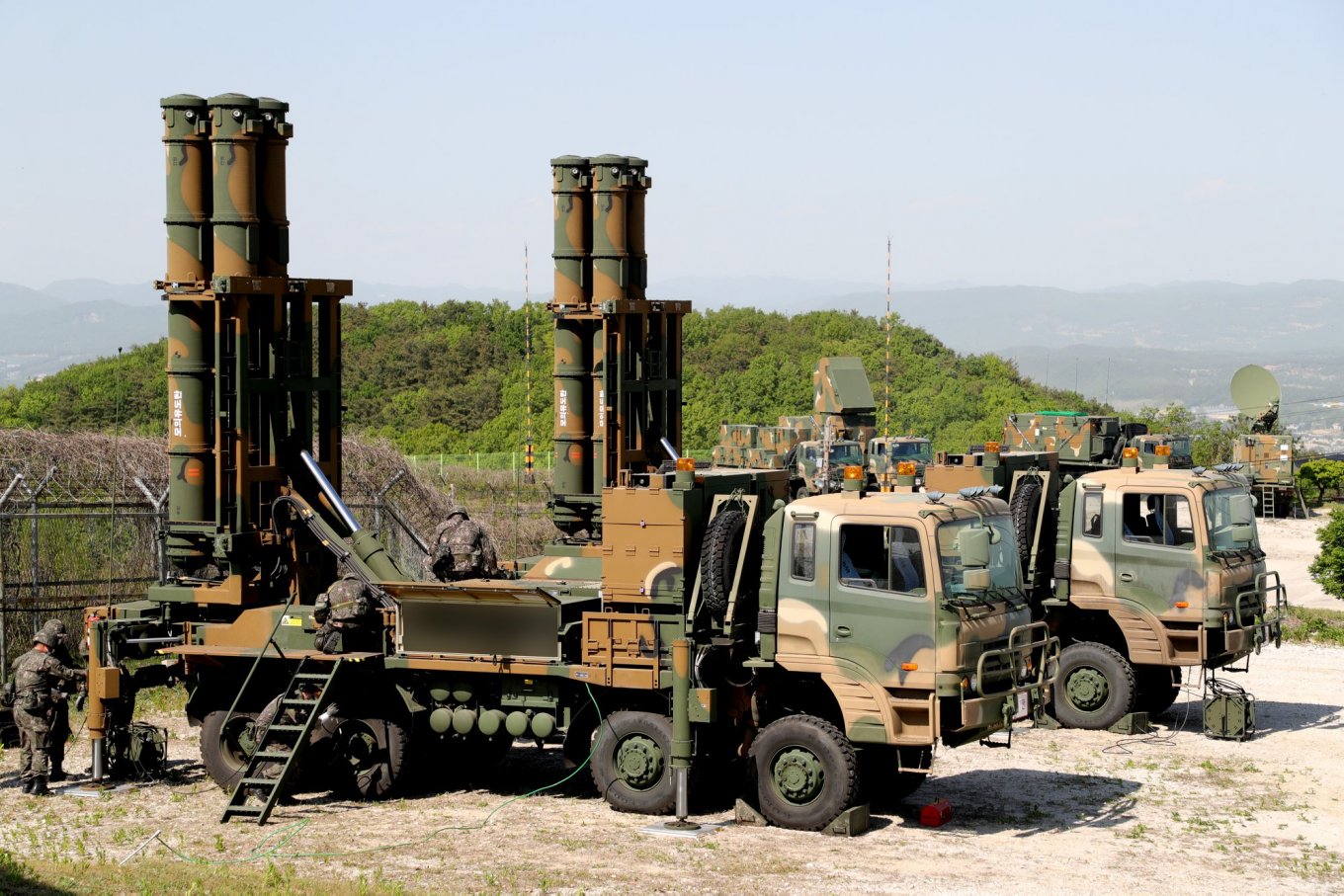
Now, Seoul appears to be moving forward with new contracts with Qatar and Kuwait, even though regional hostilities remain only partially contained. Just days ago, concerns were raised that U.S. strikes on Iran could resume, potentially triggering retaliatory attacks that might also affect Gulf states.
In addition, the current lull in hostilities remains fragile. Iran and the UAE continue to exchange intermittent strikes, while Tehran also maintains pressure through attacks on commercial shipping in and around the Strait of Hormuz.
Against this backdrop, critics argue that South Korea could, if politically willing, also consider supplying KM-SAM II systems to Ukraine. In practice, the decision appears to depend primarily on political considerations.
It is also worth noting that KM-SAM II has partial technological roots in russia, as its early development involved cooperation with the russian Almaz-Antey concern and the 9M96 missile family used in the S-400 and S-350 systems. This legacy is sometimes cited as a possible factor in export hesitation, potentially aimed at avoiding additional tensions with Moscow.
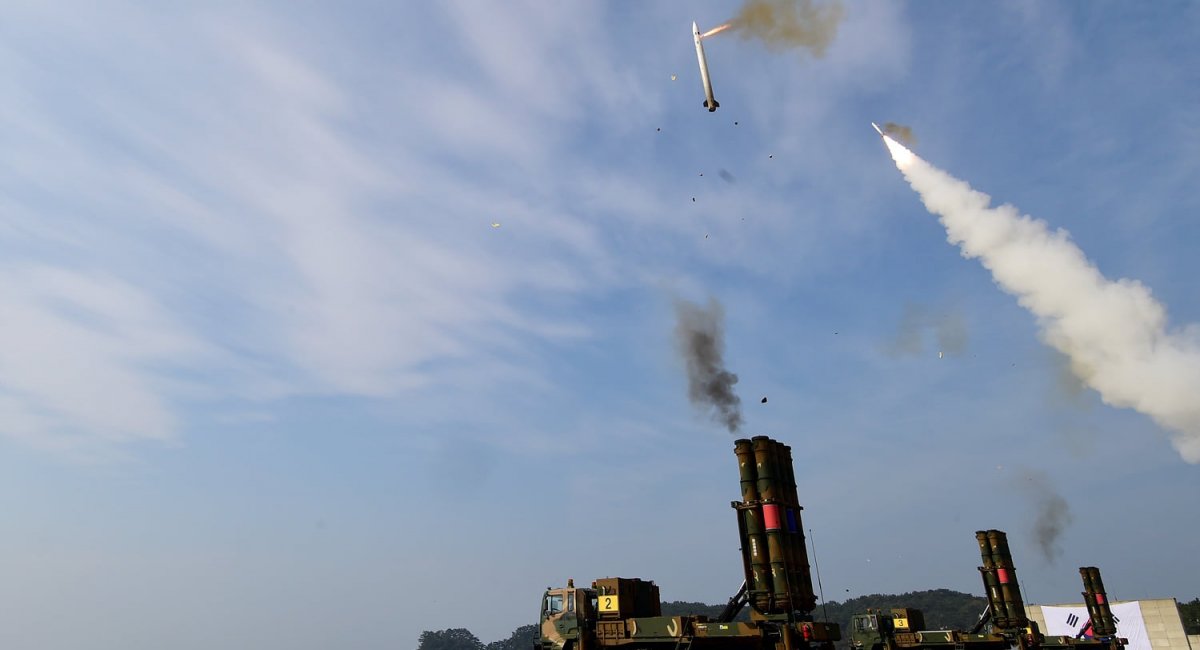
At the same time, South Korea is reportedly reassessing its approach to military support for Ukraine, including consideration of participation in the PURL program to finance non-lethal equipment and supplies sourced from the United States.
Read more: South Korea Developing Cheongung-III Air Defense to Counter North Korean Missiles, Completion Expected by 2034