

Head of Airbus Defence & Space Michael Schollhorn has expressed interest in collaborating with Swedish defense company Saab on a sixth-generation fighter program, as the European FCAS initiative continues to unravel despite all efforts by Germany and France to resolve their dispute over work-share allocation and program leadership.
He made the remarks to Swedish outlet Dagens Industri during the Airbus Defense Summit held on May 20. Schollhorn emphasized that the company has not abandoned its plans to develop a sixth-generation fighter and is currently open to alternatives in the wake of the FCAS program's failure.
Read more: WolfStorm for Modern Battlefield: The Third Assault Brigade Got Ukrainian Electric Scooters
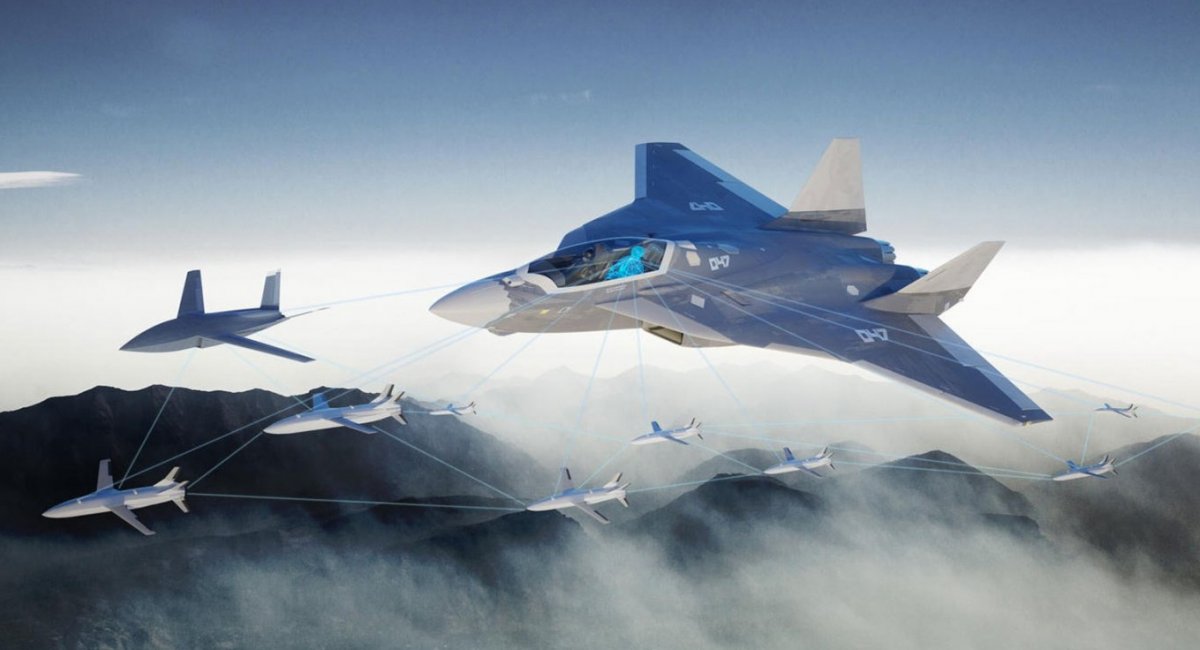
The head of Airbus's defence and space division also disclosed confidential discussions with the governments of Sweden and Germany regarding possible cooperation in this area, citing Saab's considerable experience in fighter design and production.
It is worth noting that Germany represented in the FCAS program by Airbus had already been reported last year to be considering Swedish Saab as a Plan B for its sixth-generation fighter ambitions, with consultations between the companies already underway at that time.
From Defense Express's perspective, the likelihood of such cooperation should be assessed not primarily through the lens of Airbus's plans, but through whether it would be attractive to Saab and Sweden.
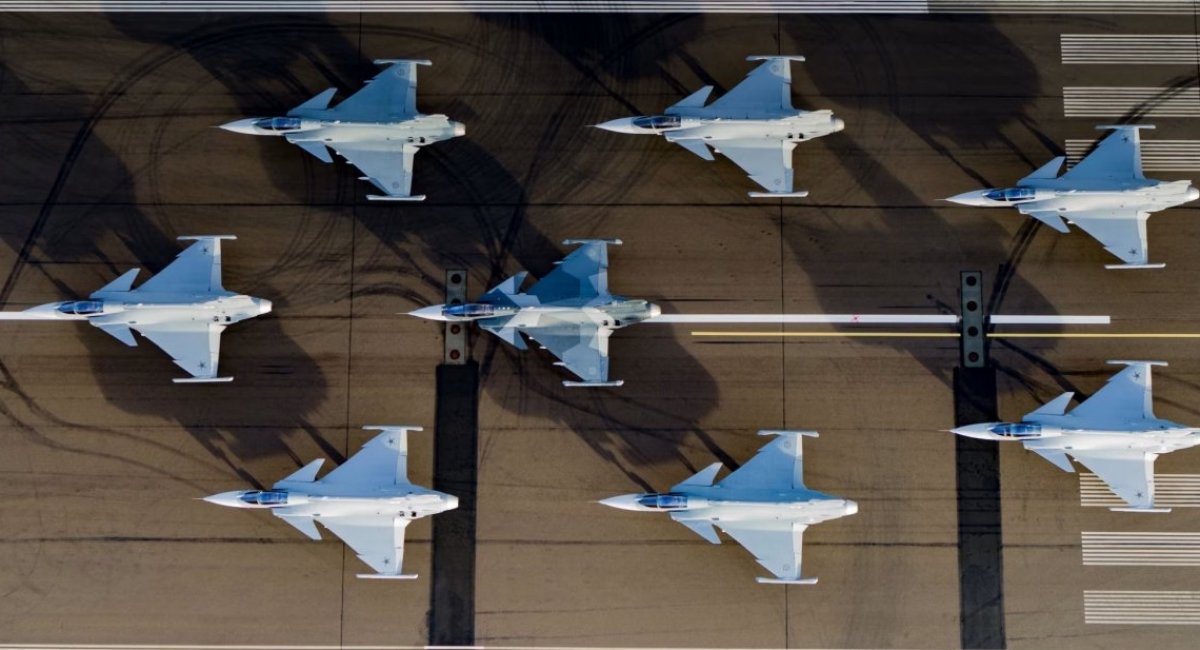
Given that the Swedish Gripen appears set to become the primary fighter of Ukraine's Air Force in the medium and long term with an official declaration on deliveries already signed the question of Swedish participation in a sixth-generation fighter program could also be of relevance to Ukraine.
It is worth recalling that Sweden had previously been involved in the parallel GCAP program (United Kingdom, Japan, and Italy), also working toward a sixth-generation fighter, but formally withdrew in 2022 for undisclosed reasons most likely the familiar sticking point of work-share distribution, particularly given Saab's ambitions as a fighter manufacturer.
Following that exit, Stockholm decided to take its time in selecting a next-generation fighter and to assess all possible options from an indigenous development to joining another program or simply purchasing whichever aircraft becomes available on the market.
In 2024, Saab received a contract from Sweden's Defence Materiel Administration for the first phase of conceptual work on a sixth-generation fighter, followed in 2025 by a further agreement running through 2027 covering technology development and demonstrator work. The agreement covers not only the fighter itself but also loyal wingman drones, which are a core element of next-generation combat aviation systems. Saab is also testing an artificial intelligence system called Centaur on its Gripen E, which will feed into sixth-generation development.
Given that the Gripen E is under current plans expected to remain in service until 2060, Saab has over 30 years to work through all aspects of next-generation fighter development. That said, the start of that work does not prevent Airbus or any other company from becoming a Saab partner in the nearer term.
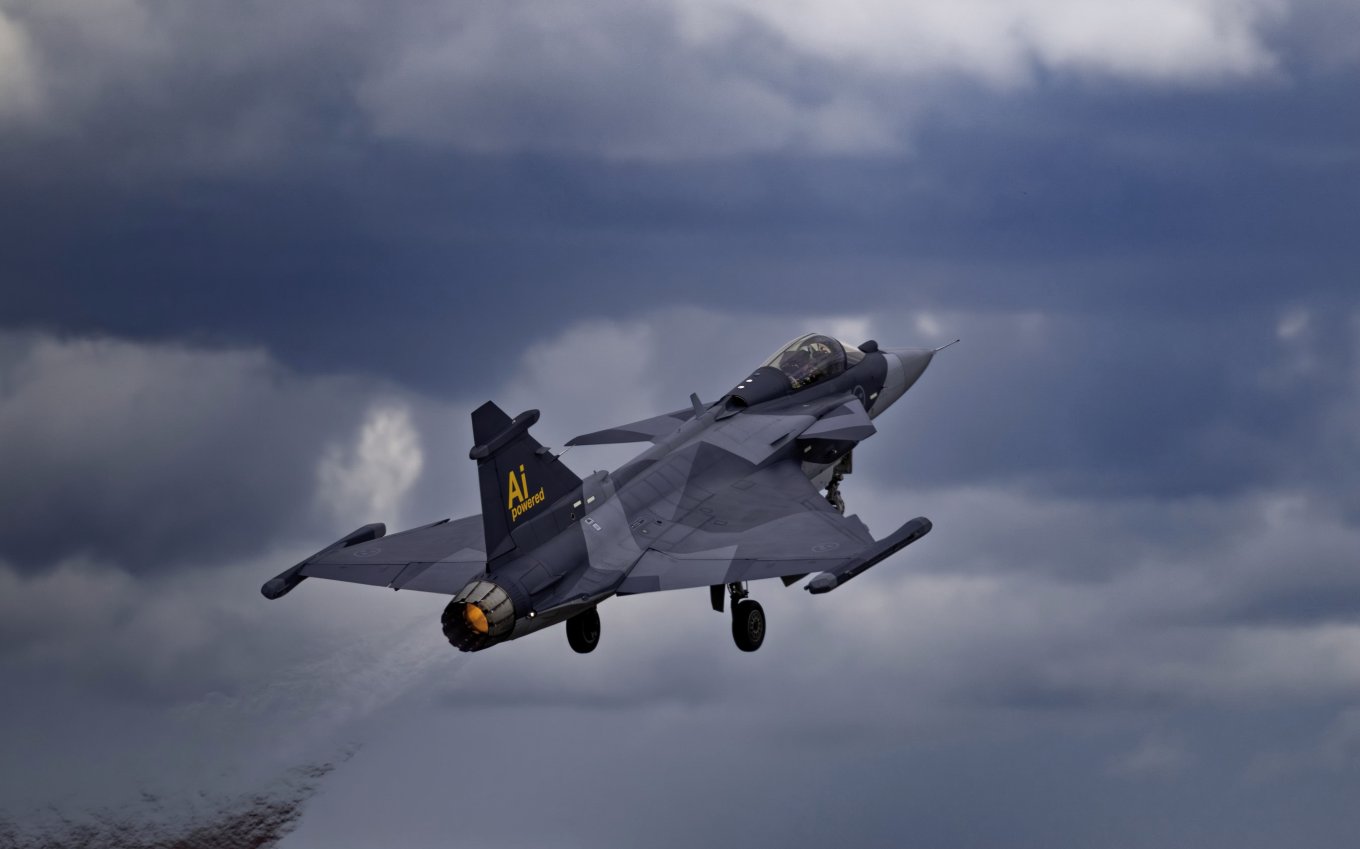
Given that a new fighter represents a very long-term horizon for Sweden, and that Ukraine plans to procure the Gripen E with a formal contract framework already announced, the question of sixth-generation fighter cooperation with Sweden may eventually become relevant to Ukraine as well — though this is a conversation for the 2050s and 2060s at the earliest.
Read more: Ukrainian MiG-29 Pilot Captures Rare Air-to-Air Kill on Video