Create a demonstration sample of a cruise missile and turbojet engine in 18 months this is exactly the task British GKN Aerospace received from Sweden's Ministry of Defense. The concluded contract, as the company and defense department report, has a price of £12 million or 150 million Swedish kronor approximately $15.8 million.
Officially, this concerns development of an unmanned aerial vehicle sample with the goal of studying potential new low-cost capabilities for Sweden's Armed Forces and Air Force. This UAV should be a flexible platform for a wide range of tasks.
Read more: Germany's Diehl Successfully Tests Cicada Anti-Aircraft Drone on KDV Vehicle
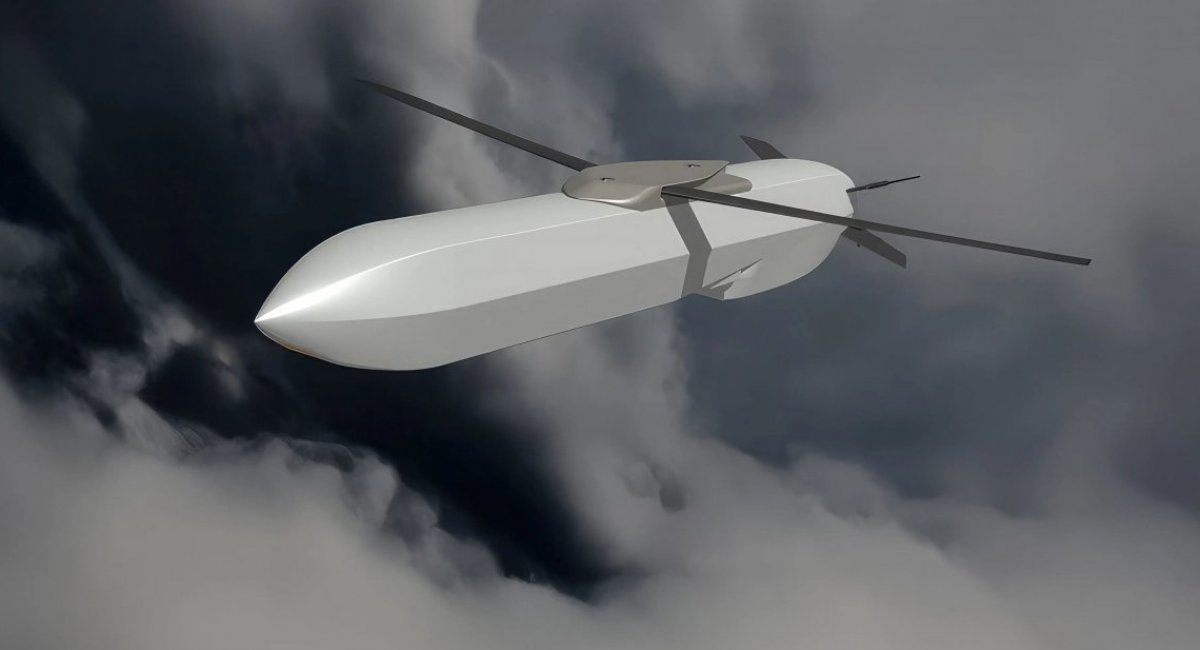
At the same time, in the published illustrative image accompanying the announcement an aircraft that is essentially a cruise missile. Moreover, given the separation of Armed Forces and Air Force, this obviously means that this long-range asset should be capable of launch from various platforms, including air platforms.
At the same time, calling it a UAV may well be a circumvention of certain international regulatory policies. Or, as in Ukraine, related to internal bureaucracy and the existence of preferential regimes for drone developers. And that's why Ukrainian missile-drones exist and ballistic drones are being developed.
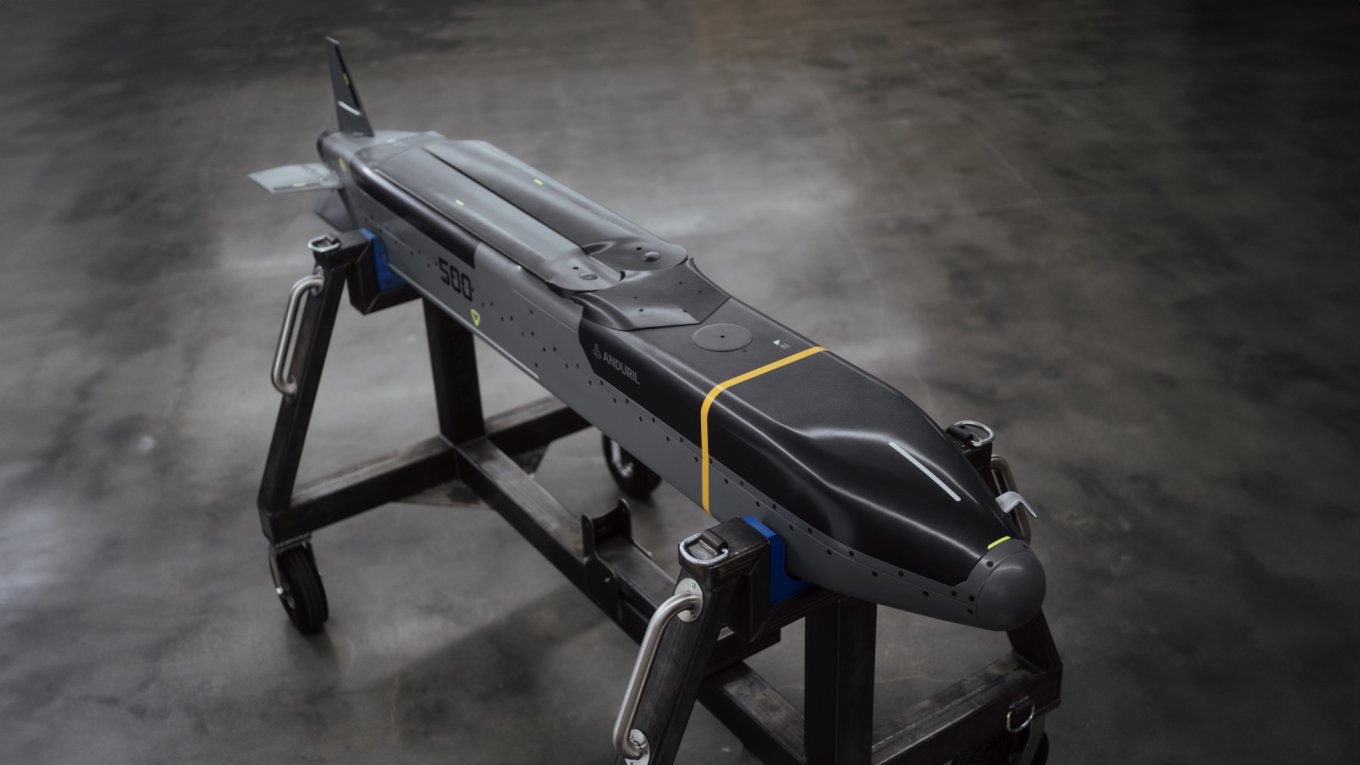
Target parameters of this product are not disclosed, and it's impossible to determine its size from photos. Therefore, this could quite well concern a miniature cruise missile, following the example of Barracuda-500 from Anduril, or a large long-range strike asset. Especially since Sweden's Ministry of Defense wants to obtain 2,000 km range missiles against russia by 2030.
Regarding contractor selection, GKN is an international company that owns Volvo Aero, which was responsible for engine production for Swedish fighters, most recently a licensed version of General Electric F404 RM12 for JAS 39 Gripen versions A/B and C/D. And as GKN notes, the new engine for what is effectively a cruise missile will be developed in Sweden. But the airframe will be developed in the Netherlands, meaning at Fokker, which also belongs to GKN.
And against the backdrop of Dutch participation in work, one can immediately recall the Dutch Ministry of Defense's call to national manufacturers to provide proposals for a Tomahawk alternative within 3 months. But with already announced requirements 1,000 km range and 100 kg warhead weight.
Whether these developments can be related is an absolutely open question, but it's unlikely that with such tight deadlines were talking about individual solutions. Especially since creating not only a cruise missile prototype but also a compact engine for it in 1.5 years is undoubtedly aggressive timelines.
Read more: Rheinmetall to Begin Production of Hundreds of Israeli HERO Strike Drones for NATO