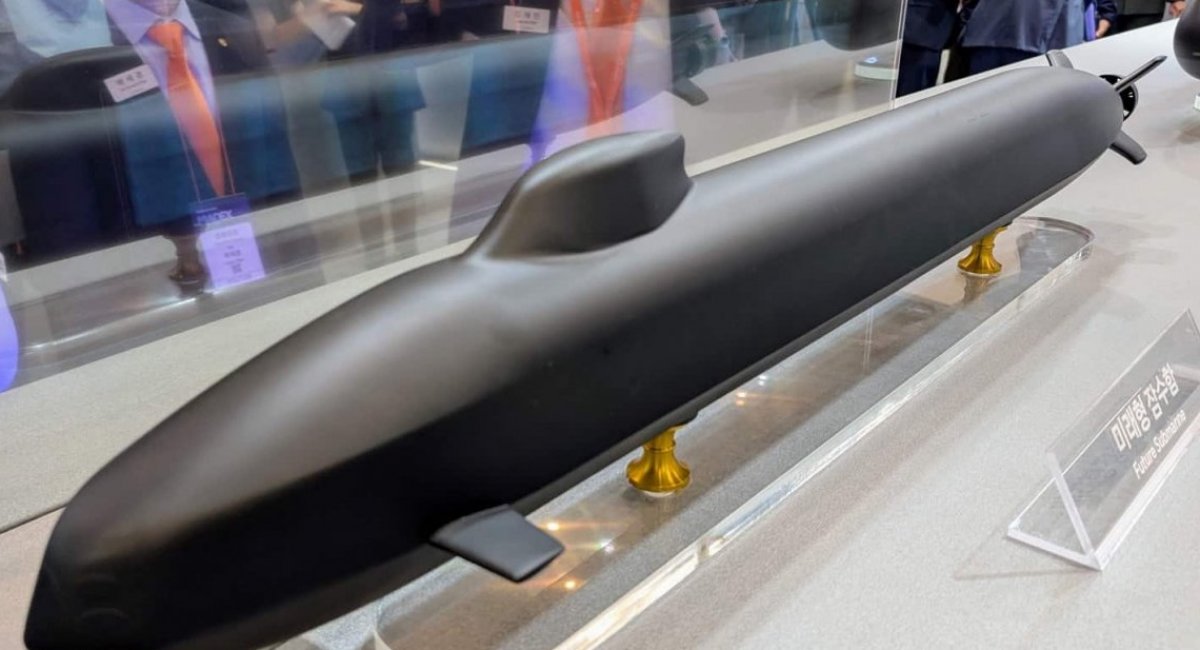
Against the backdrop of North Korea expanding its submarine fleet using russian technology, South Korea has decided to build its own nuclear-powered submarines (SSNs) under the Jangbogo-N program — though they will not enter service until the second half of the 2030s.
South Korea's Ministry of National Defense has released the corresponding Basic Development Plan, outlining the direction for the program. This is effectively a formal declaration of intent that the country has been deliberating on for some time.
Read more: Ukrainian Interceptors Encounter russia's New AI-Enabled Klin UAV Instead of Expected Lancet Drone (Video)
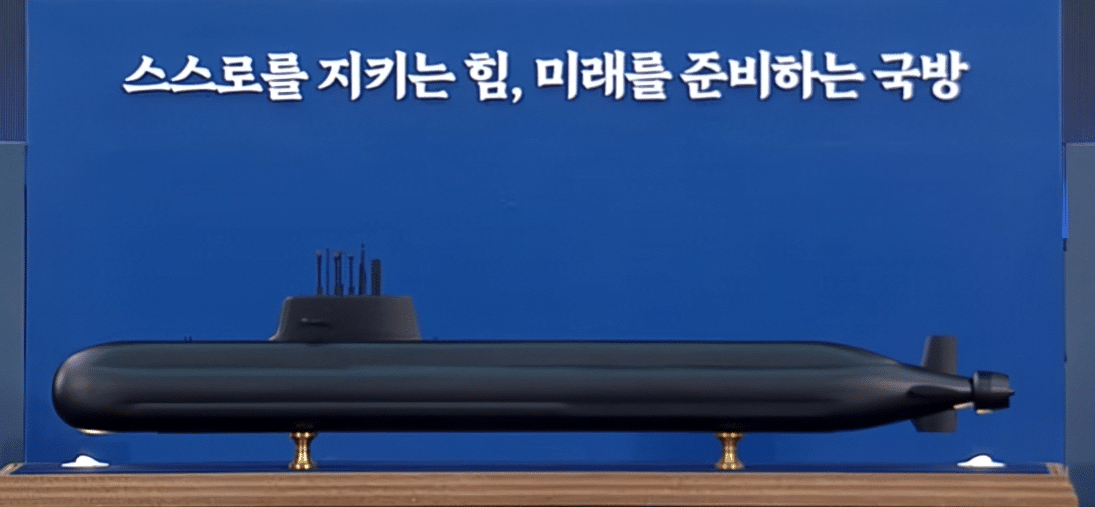
According to the document, the nuclear submarine will be powered by a low-enriched uranium reactor designed for an extended operating cycle. The program will draw on all existing achievements and experience available within South Korea's nuclear and shipbuilding industries.
The plan emphasizes that development and construction will take place entirely within South Korea in order to ensure autonomy and procurement stability, with maintenance, fuel management, and decommissioning processes also to be established domestically — covering the full lifecycle.
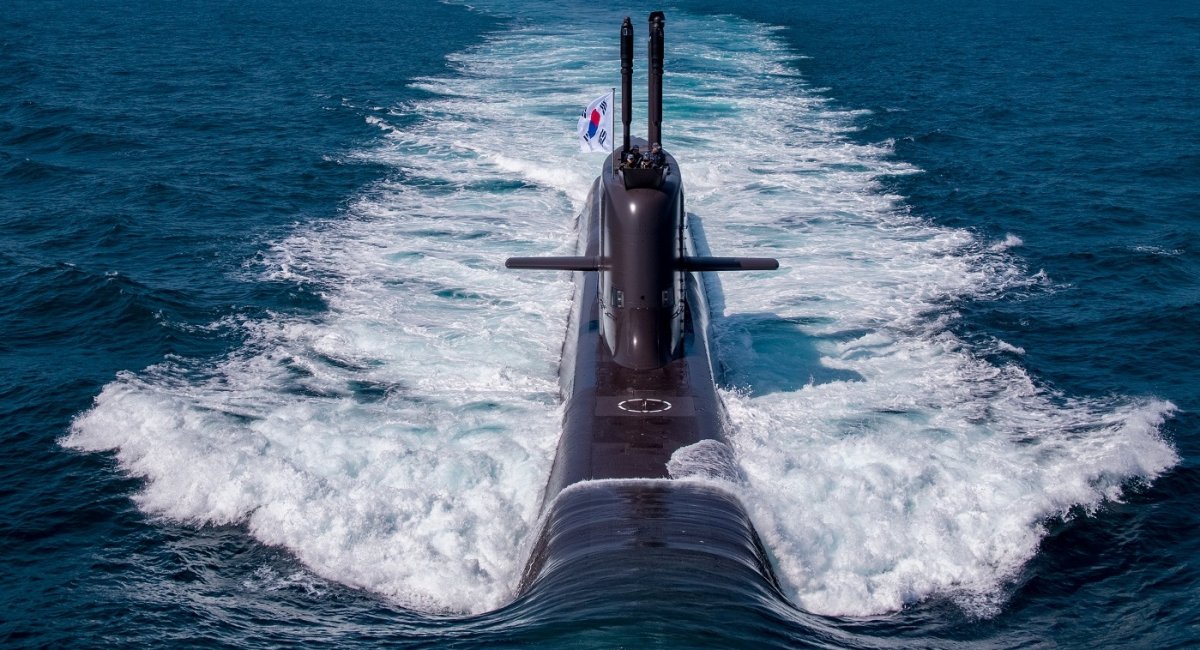
The first hull will be named ROKS Jangbogo (SS-061), with a planned launch approximately in the mid-2030s and entry into service by the end of the decade. The overall program will span 40 years — 10 years of construction followed by 30 years of active service.
Despite the emphasis on self-sufficiency, Seoul will actively cooperate with the United States on the management and safeguarding of nuclear fuel. The plan also explicitly states no intention to develop nuclear weapons.
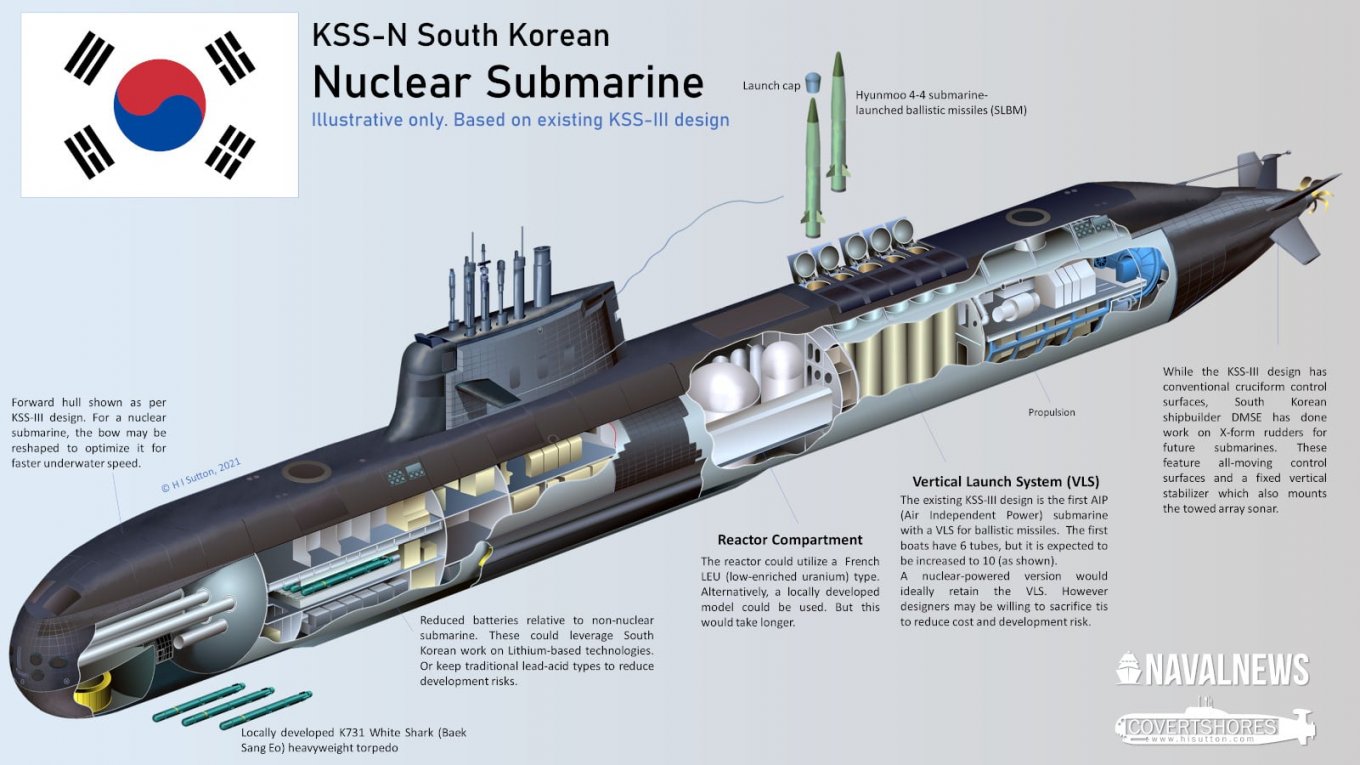
From Defense Express's perspective, this adds yet another country to the future club of nuclear submarine operators, which already includes North Korea, Brazil, Australia, and potentially Türkiye, while current active operators are the United Kingdom, the United States, russia, China, India, and France.
Looking at the picture more specifically, the entire Korean Peninsula is now working on nuclear submarines simultaneously though the timeline question is significant, given that North Korea, with russian and Chinese assistance, already has active construction underway.
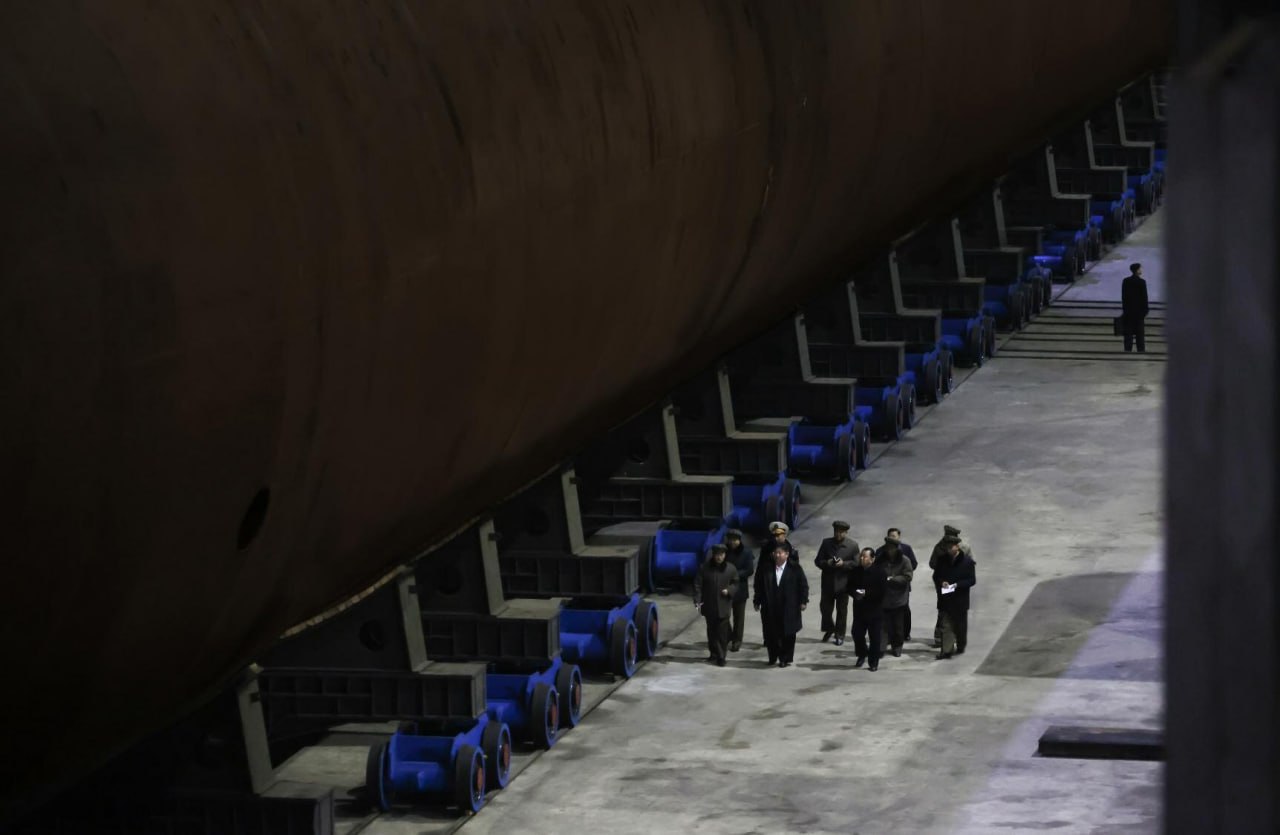
South Korea brings enormous shipbuilding expertise to this program, including submarine construction experience, as well as the capability to develop its own nuclear reactors, which power the majority of the country's nuclear power plants.
Even so, the target timeline for the first hull is a declared ten years and at this stage it remains a declaration without allocated funds, signed contracts, or practical implementation, all of which can introduce delays, though acceleration is also possible.
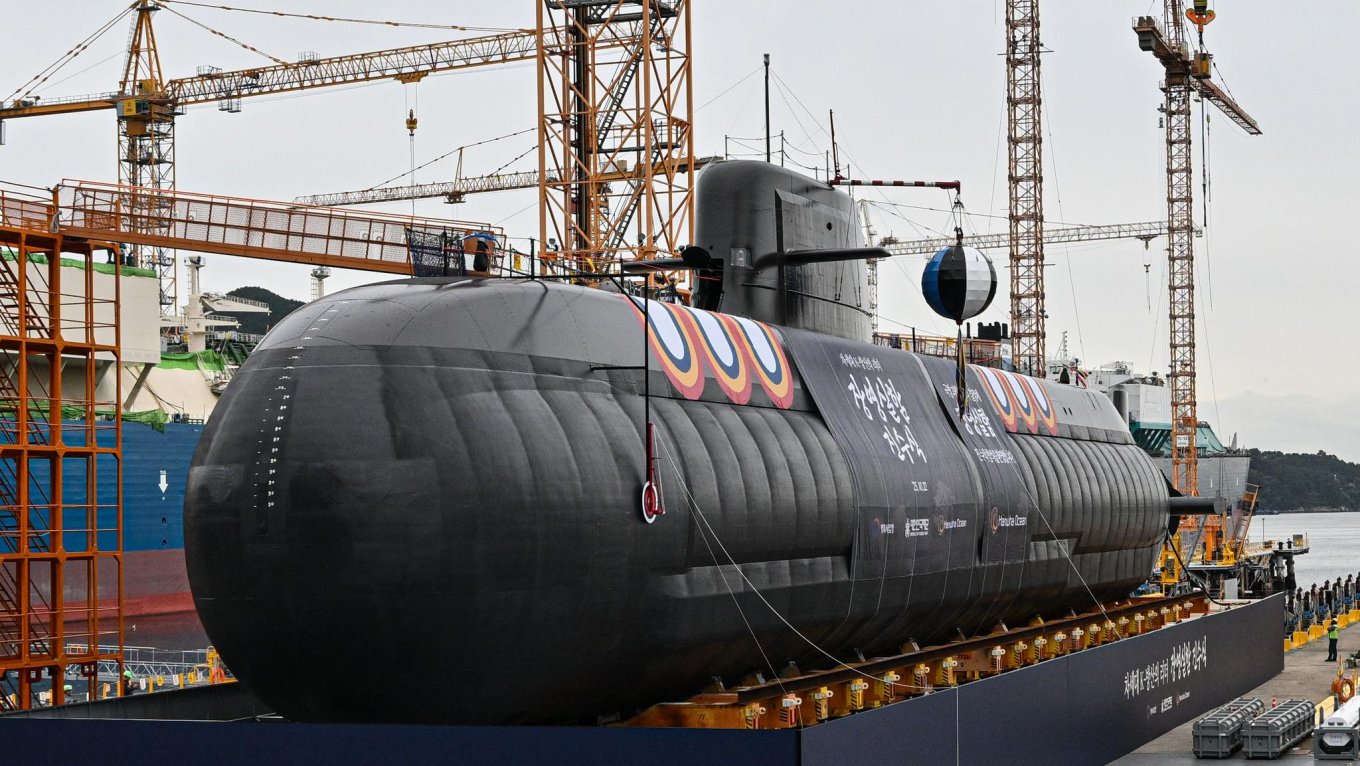
This is explained by the fact that South Korea is developing its nuclear submarine and its full lifecycle management entirely independently. By contrast, Brazil is working from a French design, while Australia has simply ordered American submarines.
Read more: France Fires Its X-Fire MLRS Launcher for First Time — Europe's HIMARS Alternative Takes a Step Forward