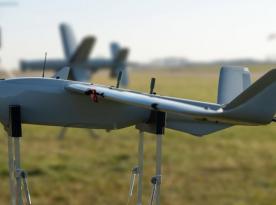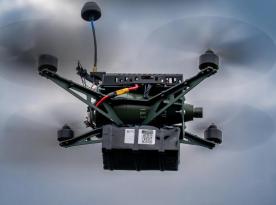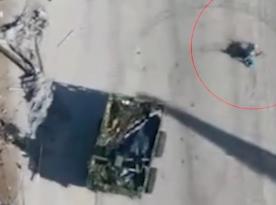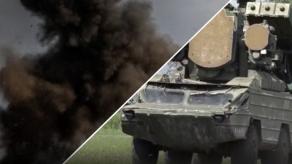
It is necessary to acknowledge that russia has succeeded in developing and accumulating several asymmetric advantages. These include the widely discussed Rubikon electronic-warfare hub and the growing threat posed by glide bombs. At the same time, Ukraine still retains a number of advantages built up in 2022–2023, which help maintain a degree of strategic balance.
However, the core problem is that both sides are currently struggling to formulate a strategy that could realistically lead to victory. This is the argument made by retired Australian Major General Mick Ryan in his publication for CSIS.
Read more: Where the Development of UGVs Is Heading and How Long We Must Wait for True Combat Robots
What Are These Asymmetric Advantages?
Ryan outlines several factors that he considers russia's accumulated asymmetric advantages:
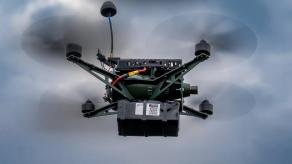
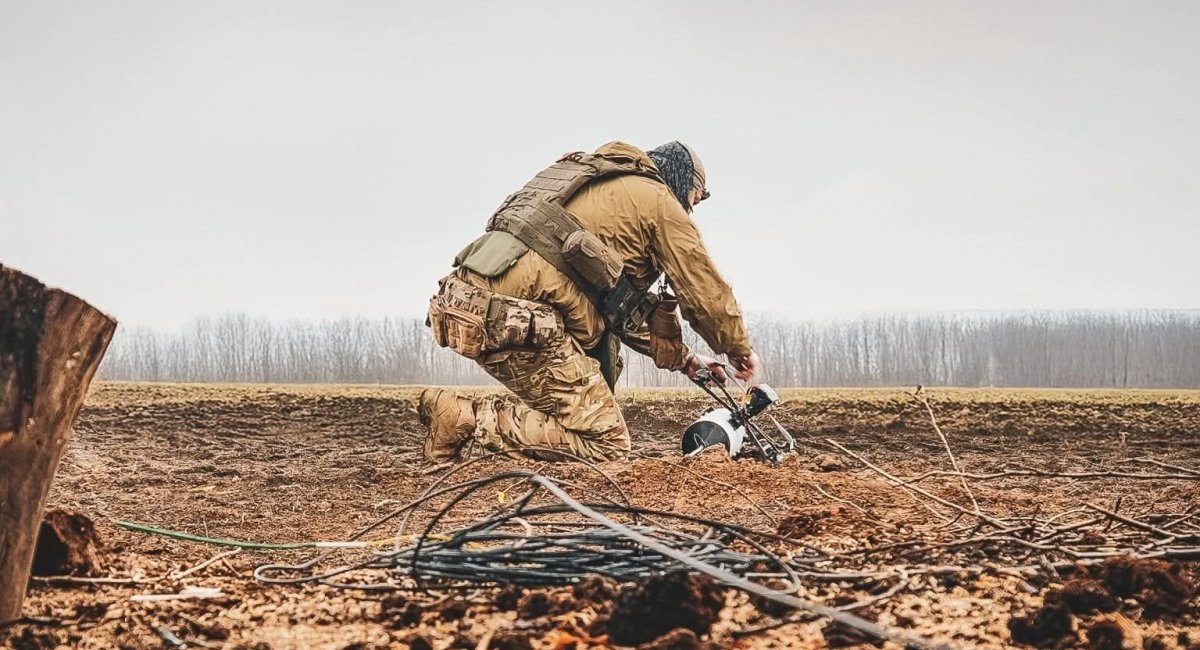
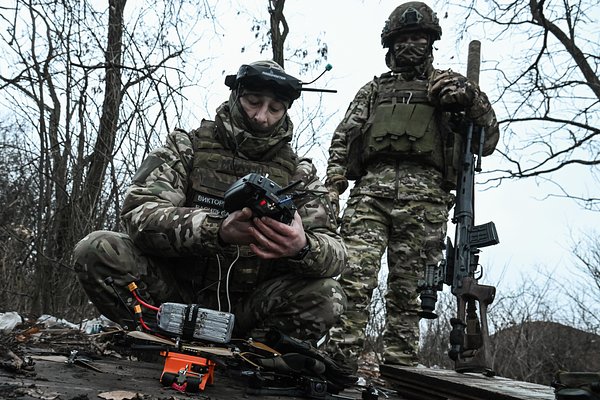
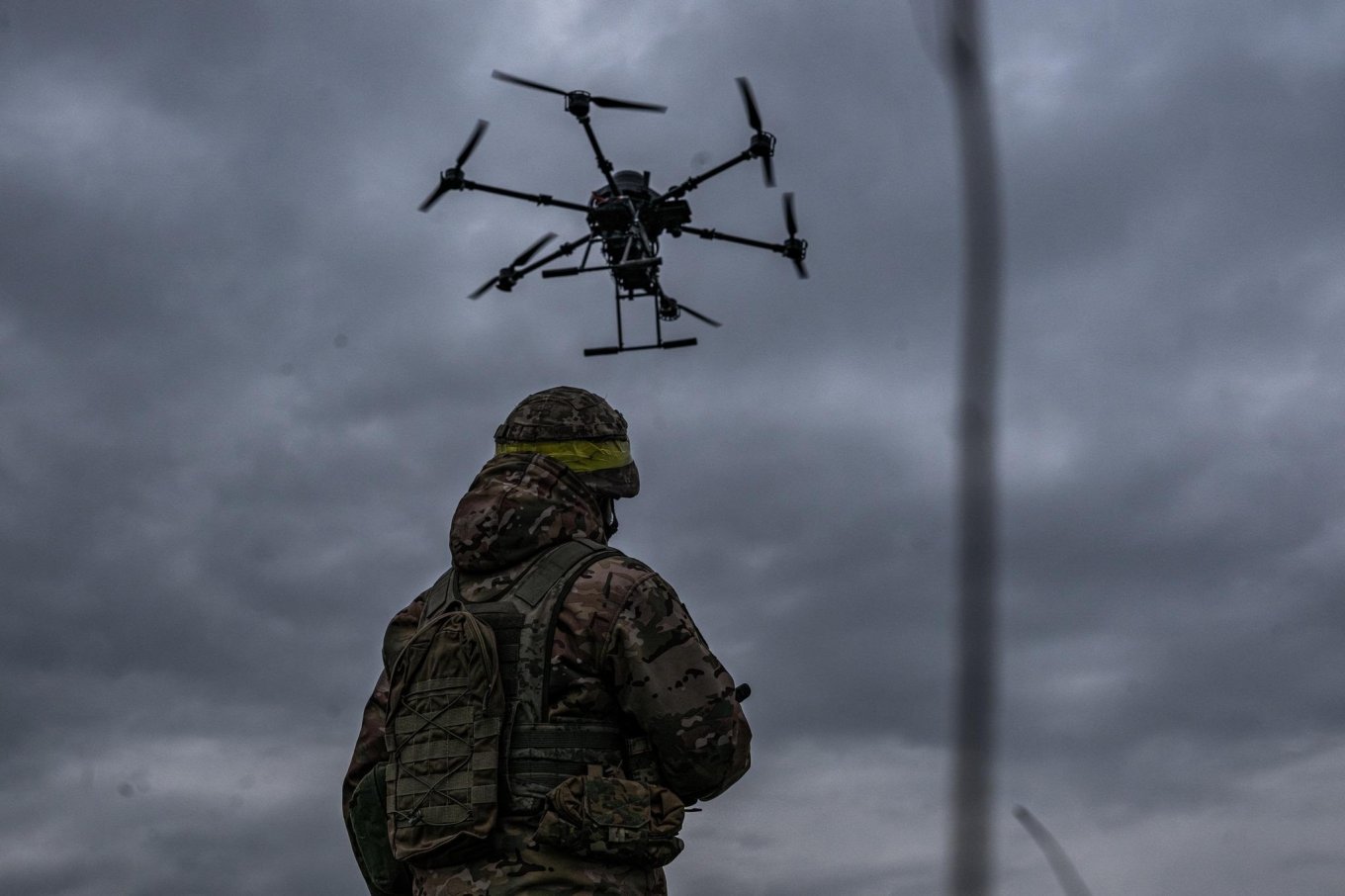
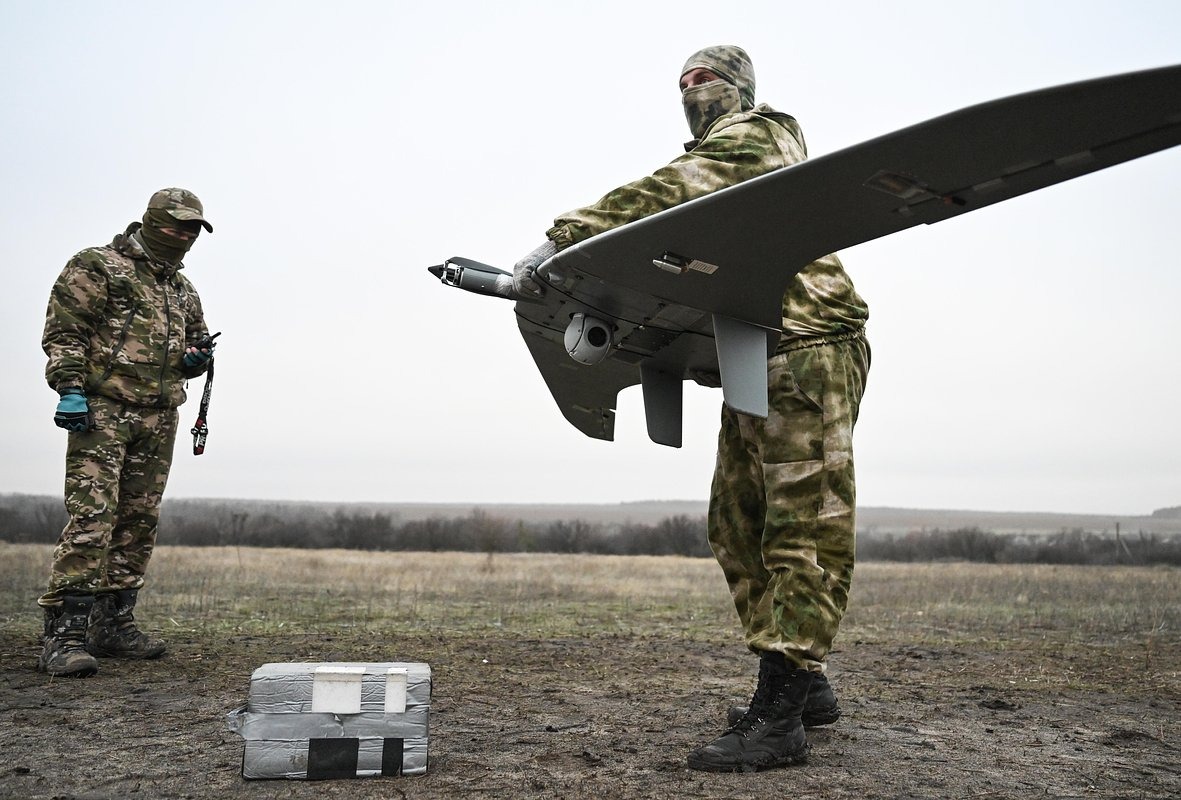
- the shift to fiber-optic-guided FPV drones for reconnaissance and strike missions;
- the creation of specialized drone-warfare units, including the Rubikon center;
- a major increase in the production and use of glide bombs;
- exploitation of manpower advantages, paired with constant tactical adaptation by assault units.
As the CSIS expert notes, "each of these advantages is a cause for concern for Ukraine." This raises additional questions: "What institutional factors allowed russia to accumulate these advantages? And has Ukraine's own improvisational spirit from 2022–2023 been eroded by excessive bureaucracy?"
Ryan closes this section with two deeper questions: "Why were these asymmetric advantages still insufficient for russia to achieve victory? And how does Ukraine continue to endure?"
Where the Strategic Problem Lies
Here at Defense Express, we want to highlight an important nuance. Mick Ryan is one of Ukraine's strongest supporters in the West. He closely follows battlefield developments and has even proposed ways for Australia to expand its defense assistance to Ukraine.
It is in this context that his remarks about both sides lacking a strategy for victory should be interpreted. His critique applies both to Ukraine, fighting a just defensive war, and to russia, the aggressor.
Regarding Ukraine, Ryan argues that for a long time the country has been more a "consumer rather than an author of strategy." At present, he writes, Ukraine lacks an "obvious theory of victory or theory of success," beyond continuing what it is already doing:
- conducting long-range strikes deep inside russia to maximize disruption,
- expanding defense cooperation with Europe,
- and preserving at least the current level of relations with the United States.
This "theory of success" may not be sufficient to force russia to abandon the war — and previous efforts in 2022–2024 did not achieve that outcome.
As for russia, its strategy appears to be to continue the war without a clearly defined political end state. The maximalist goal of fully subjugating Ukraine remains unachievable.
Paradoxically, the most advantageous option for russia would be to freeze the war and redirect its resources toward preparing for a future confrontation with NATO. But the Kremlin prefers to keep the situation "in suspension," avoiding the domestic shock that would result from reintegrating hundreds of thousands of veterans and the inevitable social destabilization this would bring.
Conclusions
Ryan's publication stands out for the balance of its assessment. On the one hand, russia has managed to accumulate several asymmetric advantages. On the other, Ukraine continues to withstand pressure despite internal challenges.
Equally important is Ryan's observation that these advantages do not resolve russia's fundamental strategic dilemma: it lacks a clear rationale for continuing the war, a viable path to achieving its original objectives, and an acceptable political exit.
Ukraine, meanwhile, has no choice but to stay on its current course, even if that course does not guarantee that the Kremlin will be compelled to end the war.
Read more: NATO Admits It Could Lose Next War, But Does Alliance Know How to Prevent It?