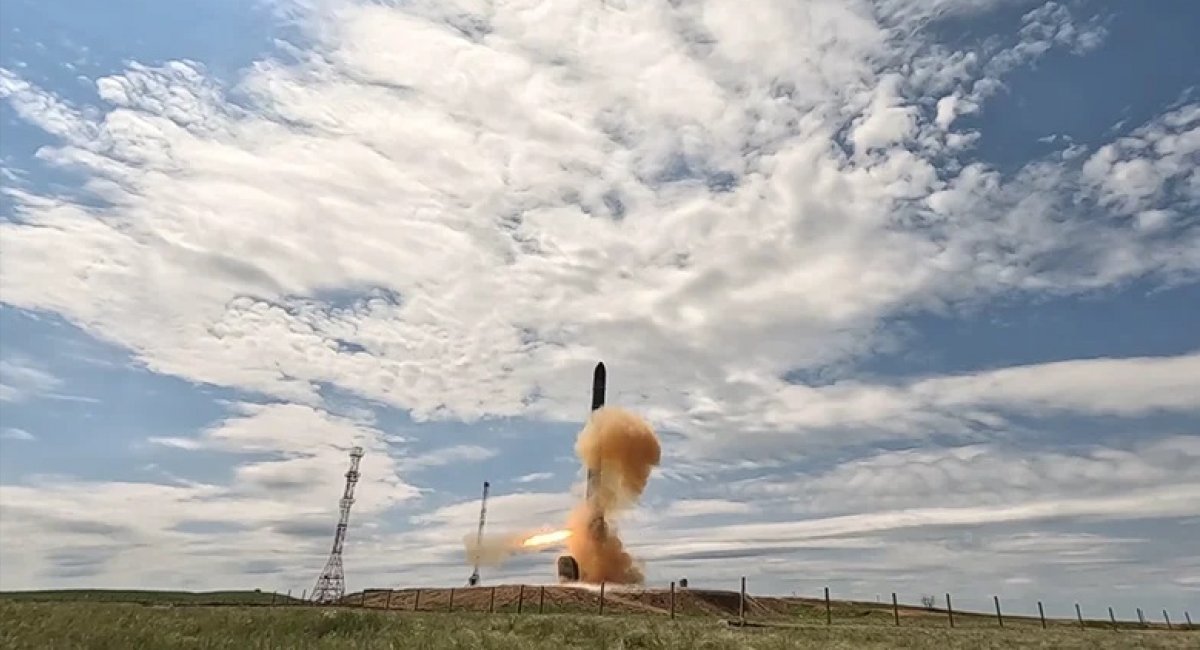
New information suggests that preparations for the May 12 launch lasted at least two months, while the launch itself was reportedly postponed at least twice. At the same time, russia has already spent several years preparing the first missile silos intended for Sarmat deployment.
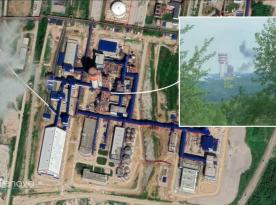
According to analysis published by the International Institute for Strategic Studies, preparations for the May 12, 2026 launch appear to have begun no later than late March, as indicated by satellite imagery showing activity at the launch site.
Read more: Lockheed Martin Builds New Plant in USA – It Will Produce Not Only THAAD, But Missiles to Intercept russia’s Sarmat ICBMs Too
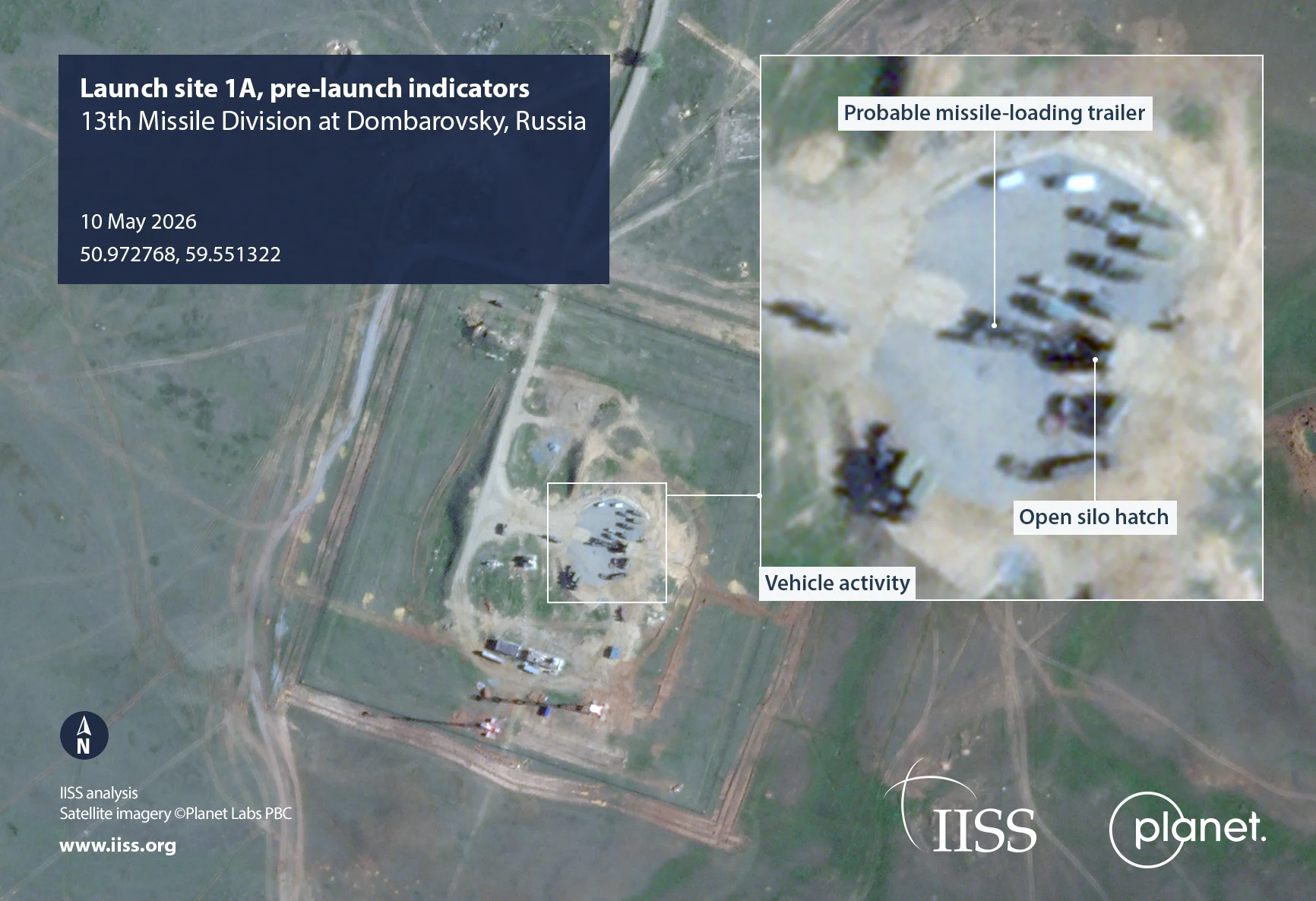
Evidence that russia postponed the launch at least twice comes from issued NOTAMs, or airspace closure notices connected to missile testing activities. Such notices were reportedly published for April 13 and again for the April 25–30 period.
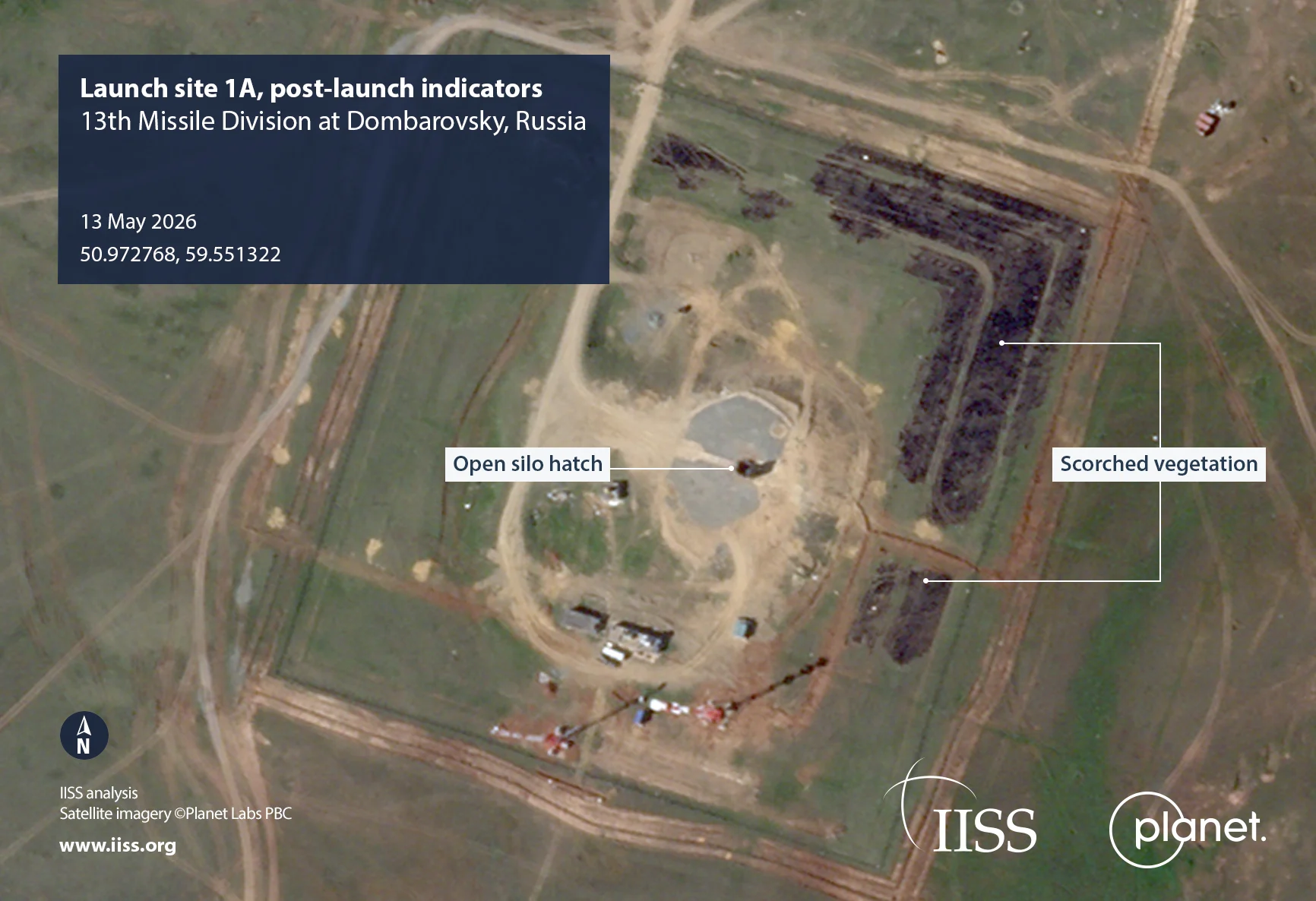
Several indicators suggest that a launch did indeed occur on May 12. Satellite imagery dated May 10 showed concentrations of heavy equipment around the missile silo, while imagery from May 13 reportedly showed the silo cover opened and scorched ground surrounding the launch site.
In addition, American Boeing RC-135S Cobra Ball aircraft were observed operating near Alaska on the same day. It is reasonable to assume these aircraft were monitoring the possible arrival of Sarmat reentry vehicles at the Kura test range on Kamchatka.
At the same time, an important distinction remains. There is now stronger evidence that the Sarmat missile successfully left the silo during the May 12 launch rather than exploding immediately after ignition, as reportedly occurred during the failed September 2024 test. However, there is still no objective confirmation that the missile's payload actually reached the Kura range.
At present, it appears russia may be preparing to place Sarmat on operational duty after only two successful test launches. Even by russian standards, that would be a relatively limited test program. For comparison, deployment of the RS-24 Yars began in 2010 only after three successful flight tests.
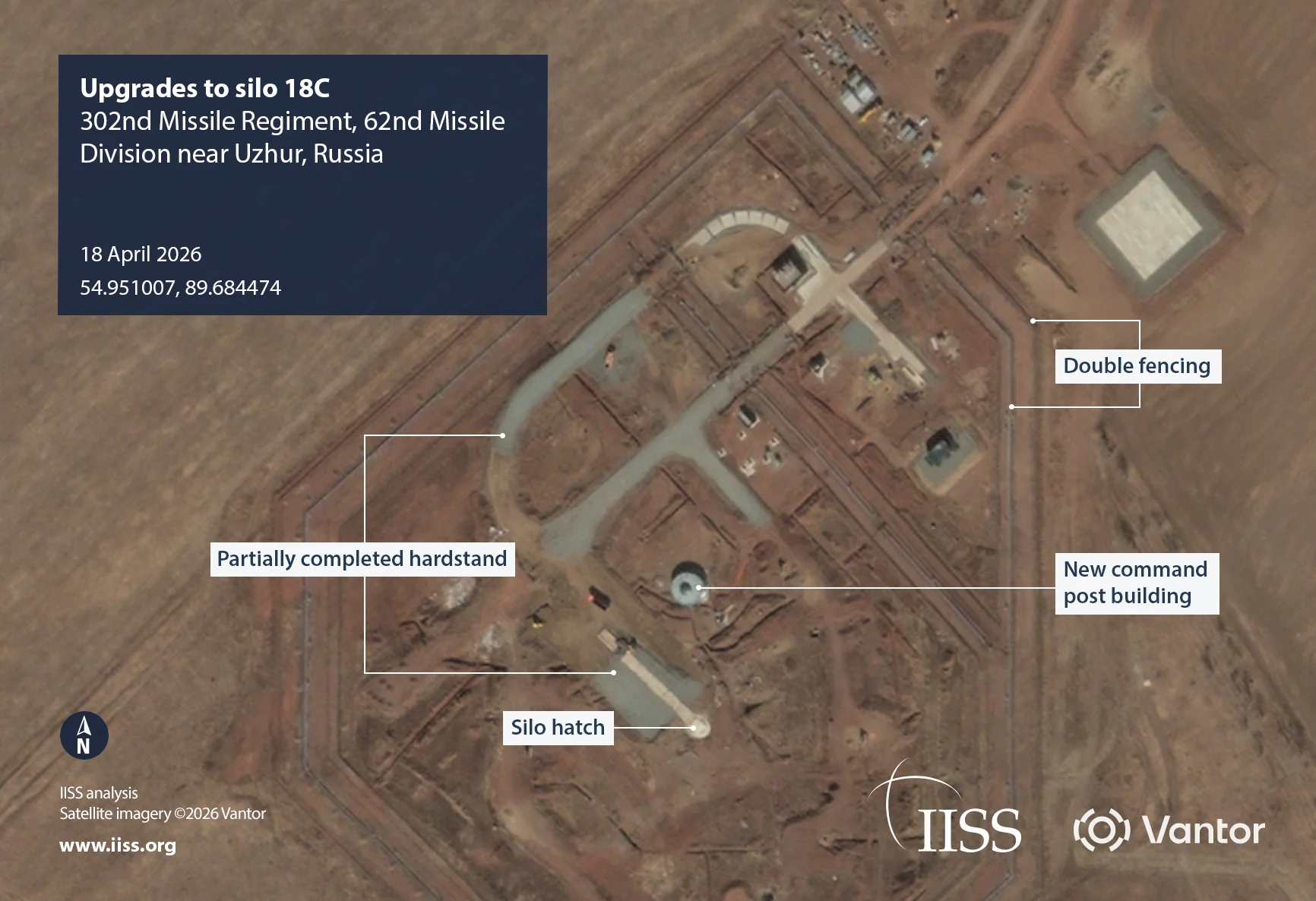
Questions surrounding the Sarmat program concern not only testing pace and reliability, but also the deployment of infrastructure itself.
Available information indicates that modernization work on the first six silos intended for Sarmat missiles began in 2021 within the deployment area of the 302nd Missile Regiment of the 62nd Missile Division. However, as of April 2026, modernization work on the final two silos reportedly had still not been completed, including construction of new command facilities, security barriers, and hardened surface infrastructure.
Overall, the emerging picture differs sharply from russian propaganda narratives.
russia continues to present the Sarmat as another supposedly "unmatched" strategic weapon and claims the missile has a range of up to 35,000 kilometers. However, the actual pace of testing and infrastructure deployment raises serious doubts about whether this missile will become the kind of "ultimate strategic instrument" portrayed by Kremlin propaganda.
Ivan Kyrychevskyi, serviceman of the 413th Raid Regiment of the Unmanned Systems Forces of Ukraine and weapons expert at Defense Express.
Read more: russia Keeps Promising Sarmat ICBM "Will Enter Combat Duty Soon" — Here's Why It Still Hasn't Happened