


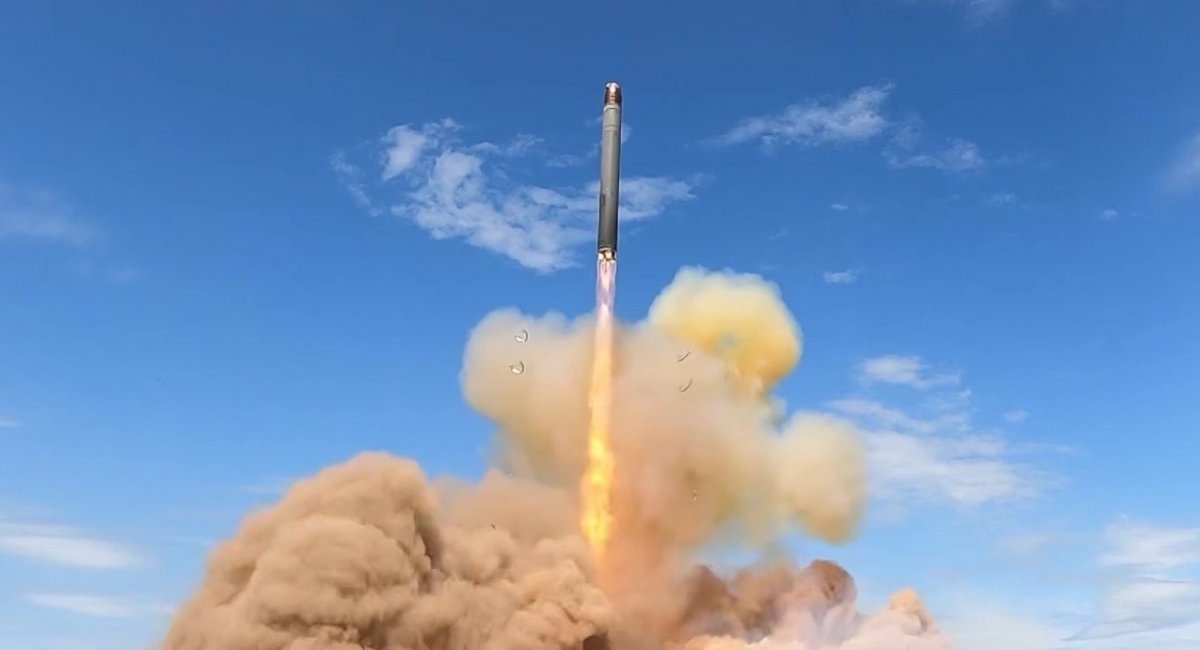
On Tuesday, May 12, russian Ministry of Defense announced the successful test of the RS-28 Sarmat intercontinental ballistic missile. The launch took place at the Kura missile test range in Kamchatka Krai and was declared a success.
The video showed the missile launching from a silo, as well as the ignition of its first-stage engines.
Read more: russia Launches Massive 892-Drone Attack Against Ukraine in Single Day
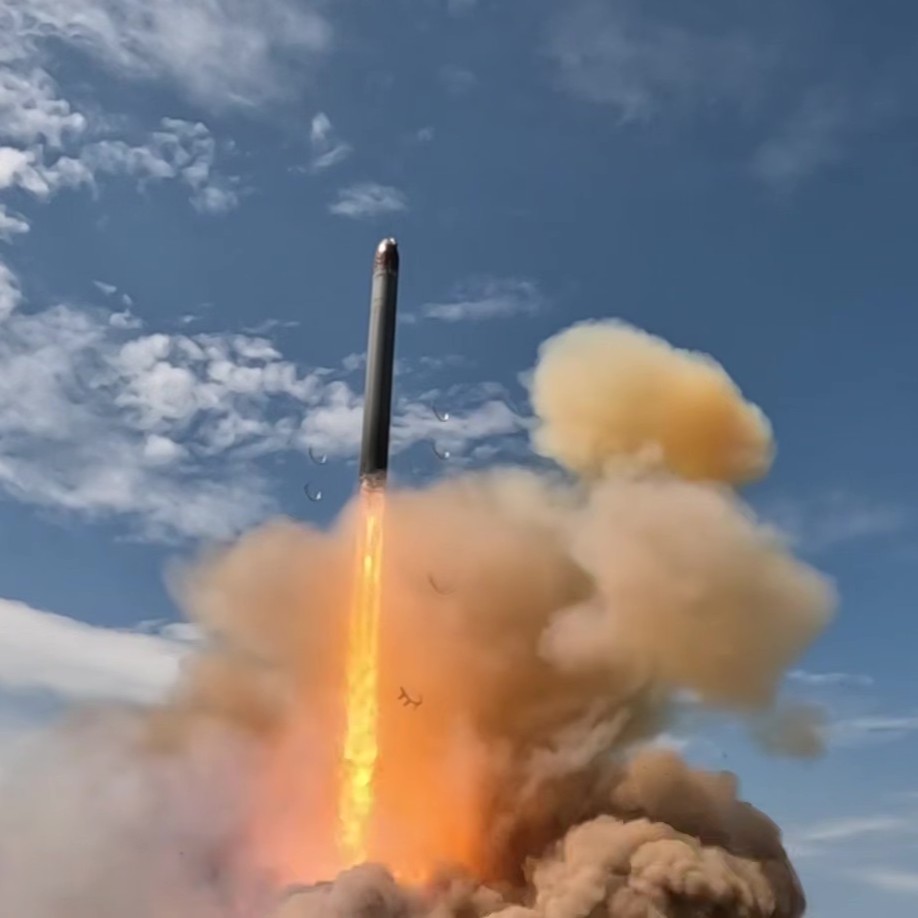
The last time this happened was on September 21, 2024, when the Sarmat exploded in its launch silo. In other words, this marks the resumption of tests for a missile that has been under development since 2011. Before this, the only known successful launch took place on April 20, 2022.
This test also gave dictator Putin another opportunity to declare that "by the end of this year, the Sarmat will indeed enter combat duty." The emphasis on "indeed" stems from the repeated announcements that the Sarmat would be put on combat duty.
Earlier Defense Express listed the key statements made by Putin and his associates announcing that the Sarmat would enter service starting in 2021. This came immediately after October 29, 2025, when Putin stated that the RS-28 Sarmat would "soon enter combat duty."
Russian opposition publication Astra has documented a total of 10 such statements since 2021—an average of two per year—each time postponing the initially announced 2022 deployment date.
At the same time, in the Soviet era, an intercontinental ballistic missile carrying nuclear warheads was typically put on alert only after a series of consecutive successful launches. In russia, efforts are being made to accelerate this process, since the R-36M2 Voevoda ICBM has long surpassed its guaranteed service life. These heavy ICBMs, listed as 46 units on paper, are responsible for delivering 460 warheads. This accounts for approximately 39% of the total 1,181 nuclear warheads deployed on land-based strategic missiles.
Read more: russia Is Installing Anti-Drone "Grills" on Bulava-Carrying Nuclear Submarines 7,200 km From Ukraine