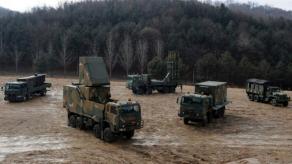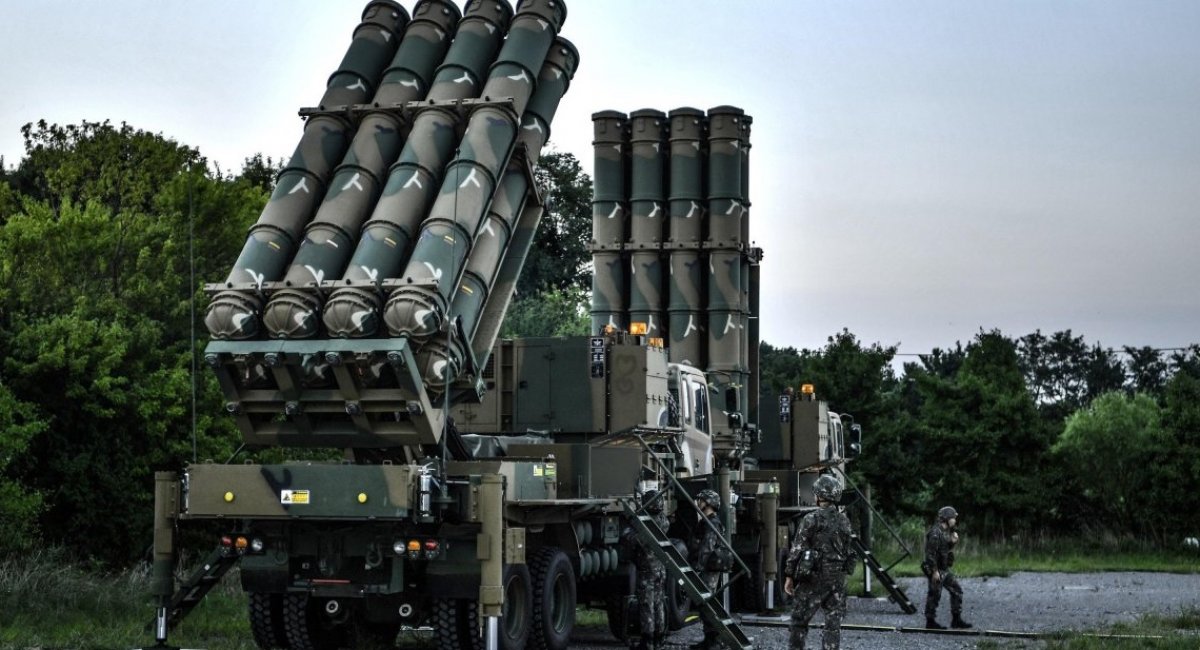
Shortage of Patriot missiles has already acted as a catalyst for more active promotion of competing systems, above all the South Korean KM-SAM II, also known as the Cheongung-II, particularly following its first successful engagement of iranian ballistic missiles in the UAE. Against that backdrop, Qatar and Kuwait are reportedly set to order the system in the near term.
Combined with earlier orders from Saudi Arabia and Iraq, this will make the South Korean system almost as widespread among Gulf states as the Patriot itself. Beyond the Arab world, other countries are also potential customers, the KM-SAM II appears, for example, on Switzerland's Ministry of Defense shortlist as it seeks a Patriot alternative.
Read more: South Korea Formally Commits to Nuclear Submarine Program, First Hull Expected by End of 2030s
Against this backdrop, a logical question arises: can the Korean KM-SAM II provide meaningful relief from the Patriot missile shortage, even setting aside South Korea's unwillingness to supply Ukraine, by simply reducing demand among current and future Patriot operators?
An analytical publication by the Korea Economic Institute of America provides some relevant figures on the production capacity of the Korean defense industry, specifically LIG Nex1, the final assembler of the complete system and its missiles, and Hanwha, which produces the launchers and radars.
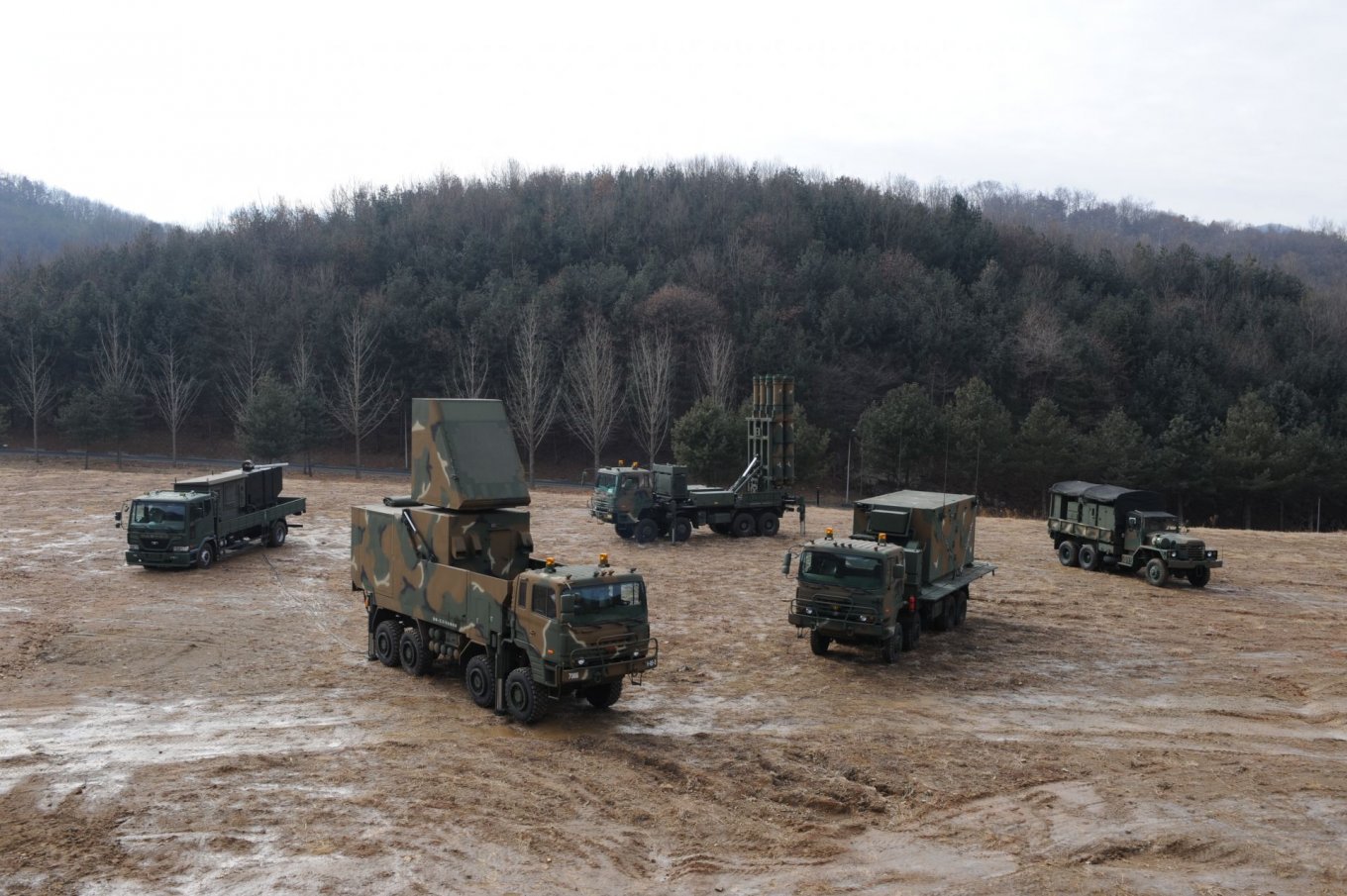
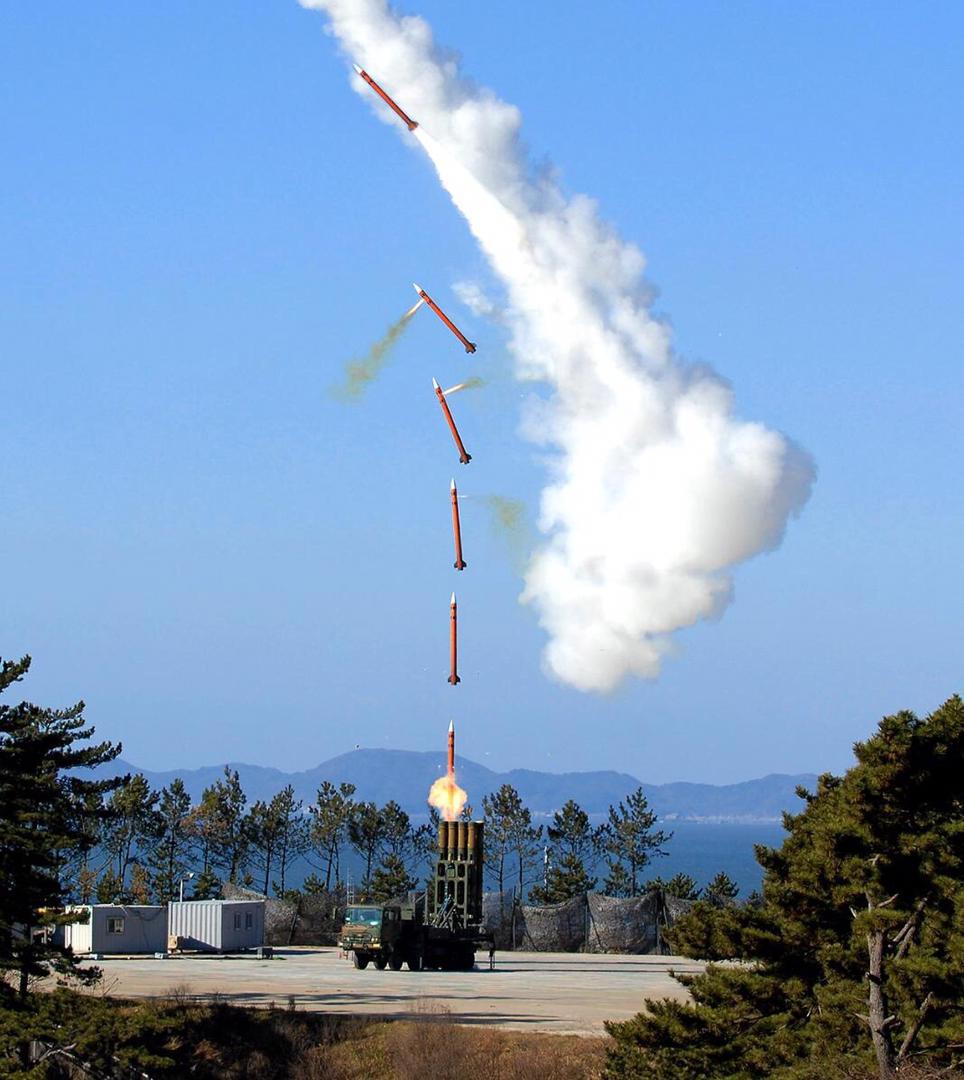
According to the institute, South Korea can produce up to eight batteries per year. The key figure, however, is missile production for the KM-SAM II, estimated at over 300 rounds per year — though this is expected to increase gradually. While the unit price is estimated at roughly one-third of the American PAC-3 MSE approximately $1.6 million per round Korean missile output is currently half that of MSE production, which stood at 620 units in 2025.
In any case, the current annual output of 300 KM-SAM II missiles is already being distributed between the UAE which is to receive 12 batteries and South Korea itself, which has plans for 7 batteries. Tellingly, at the time of the iranian ballistic missile strikes, the UAE had only one or two KM-SAM II batteries on hand, and their munitions were exhausted very quickly South Korea had to airlift 30 additional missiles from its own national stockpile.
The number of operational KM-SAM II batteries will start growing rapidly in the coming years. Saudi Arabia receives its first of 10 ordered batteries in 2028, followed shortly by Iraq, which ordered 8 batteries in 2024.
Another set of instructive figures from the publication concerns Patriot missile expenditure among Gulf states. Before the start of operations against iran, Saudi Arabia held 1,800 Patriot rounds, Qatar 1,000, and the UAE 900. Expenditure of anti-ballistic missiles across these countries is estimated at a combined 2,775 rounds.
CSIS estimates that the United States itself expended between 1,060 and 1,430 anti-ballistic Patriot missiles over the same period. Bahrain and Kuwait also employed American Patriot systems, and total anti-ballistic missile expenditure over the 39-day campaign likely approaches 4,500–5,000 rounds.
Against this backdrop, current KM-SAM II production of 300 rounds per year falls well short of what would be required and could not cover current operational demand in a crisis. The number of operators of this system is expected to grow, which will require very rapid scaling of Korean missile production. If achieved, this could begin to reduce certain countries' dependence on Patriot but only to a degree.
The key dynamic, however, is that Gulf states which have already ordered or are about to contract the Korean KM-SAM II are unlikely to abandon Patriot. They will in all probability maintain and continue purchasing munitions for both systems simultaneously, meaning the overall shortage will not diminish as a result.
Read more: Ukrainian Interceptors Encounter russia's New AI-Enabled Klin UAV Instead of Expected Lancet Drone (Video)