


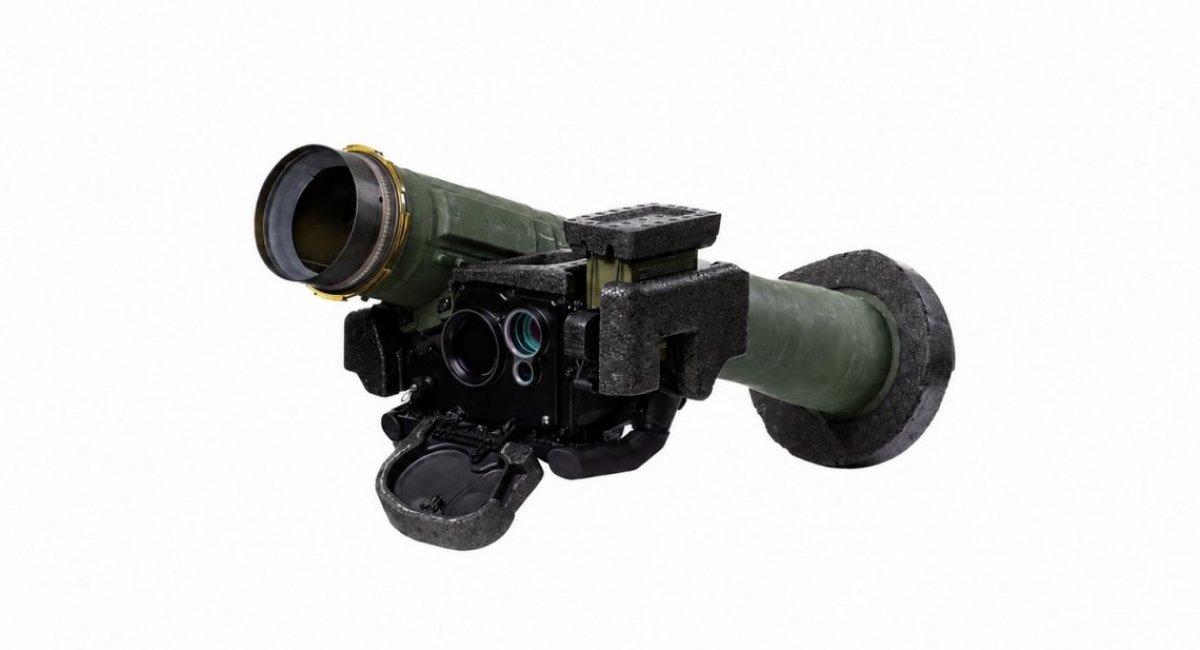
Javelin Joint Venture (JJV) has delivered the first Lightweight Command Launch Units (LWCLU) for the Javelin anti-tank guided missile system to the U.S. Army, according to a press release from RTX (Raytheon), which co-founded JJV alongside Lockheed Martin.
No further details about the delivery were provided, though the release notes that Raytheon invested $22 million in upgrading the facility that manufactures the LWCLU launchers to increase production rates.
Read more: South Korea's KM-SAM II Goes Global, Production Capacity Raises Questions About Its Role as Patriot Relief Valve
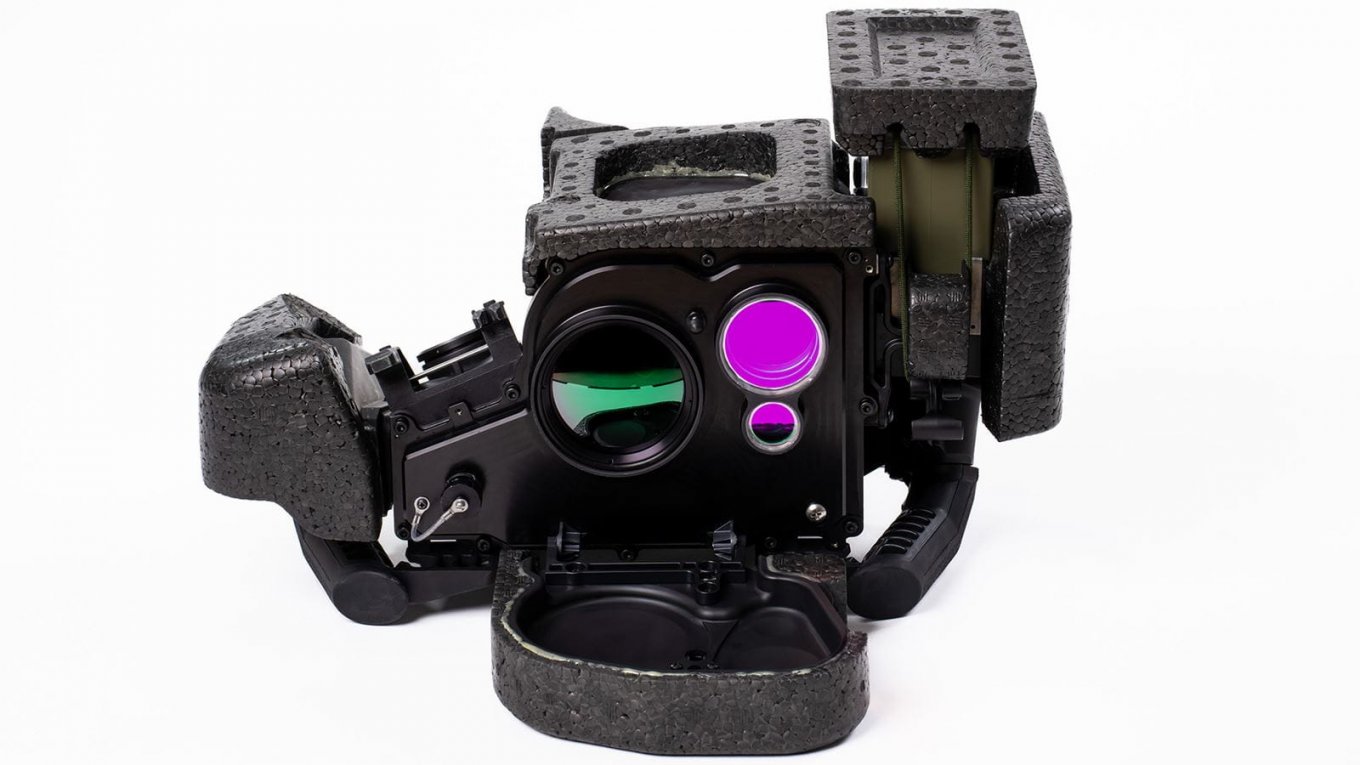
JJV Vice President and Javelin Program Director at Lockheed Martin Rich Liccion emphasized that the LWCLU delivery represents an important modernization milestone for the Javelin in contemporary military use, enhancing mobility and survivability while maintaining the same level of firepower.
From Defense Express's perspective, it is worth noting that the contract for the LWCLU was signed in June 2022 meaning it took nearly four years to deliver the first units to the U.S. Army.The question of LWCLU deliveries to Ukraine is also worth addressing. There are currently no official or even unofficial indications that such plans exist, and there are also doubts about how relevant such a delivery would be at this stage, given that ATGMs in Ukraine are increasingly being displaced by various types of drones.
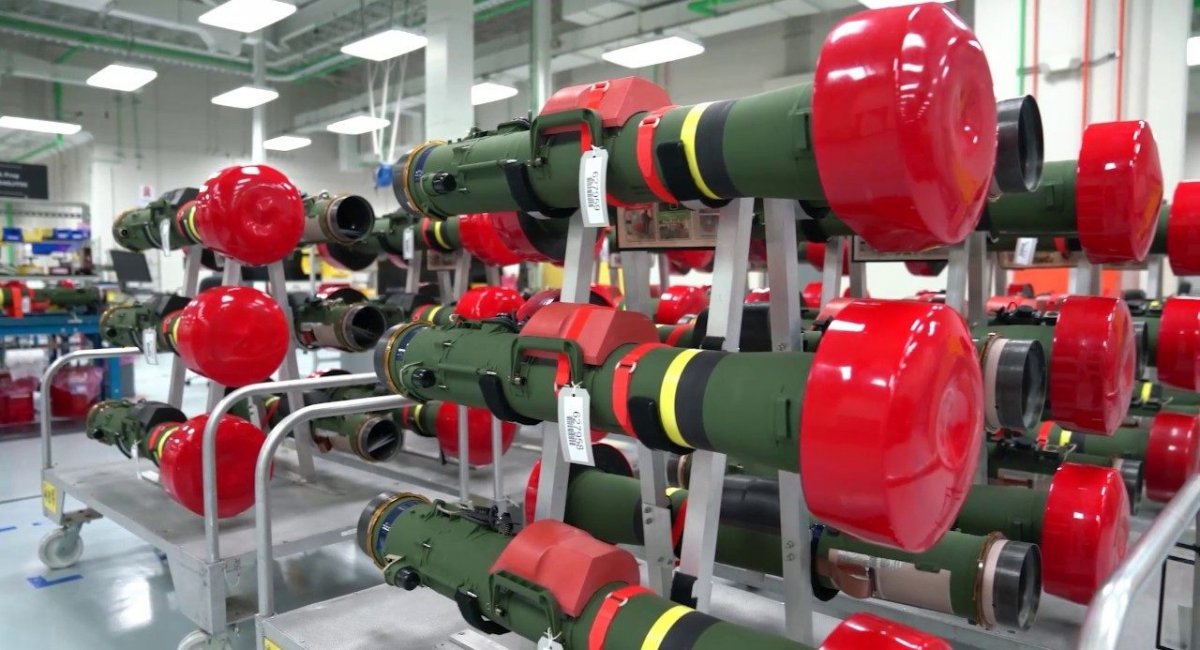
Whereas 2022 saw numerous videos of ATGMs such as the Javelin, Stugna, and NLAW being used on the battlefield to destroy russian tanks and armored vehicles, such footage is now almost impossible to find. The Javelin is also an expensive system as of 2023, the unit cost of a single FGM-148F missile for the United Kingdom exceeded $200,000.
Demand for the Javelin is nonetheless growing even in the drone era, as evidenced by ongoing production expansion efforts, and the United States acknowledged as far back as 2022 that the system would remain relevant for another 30 years.
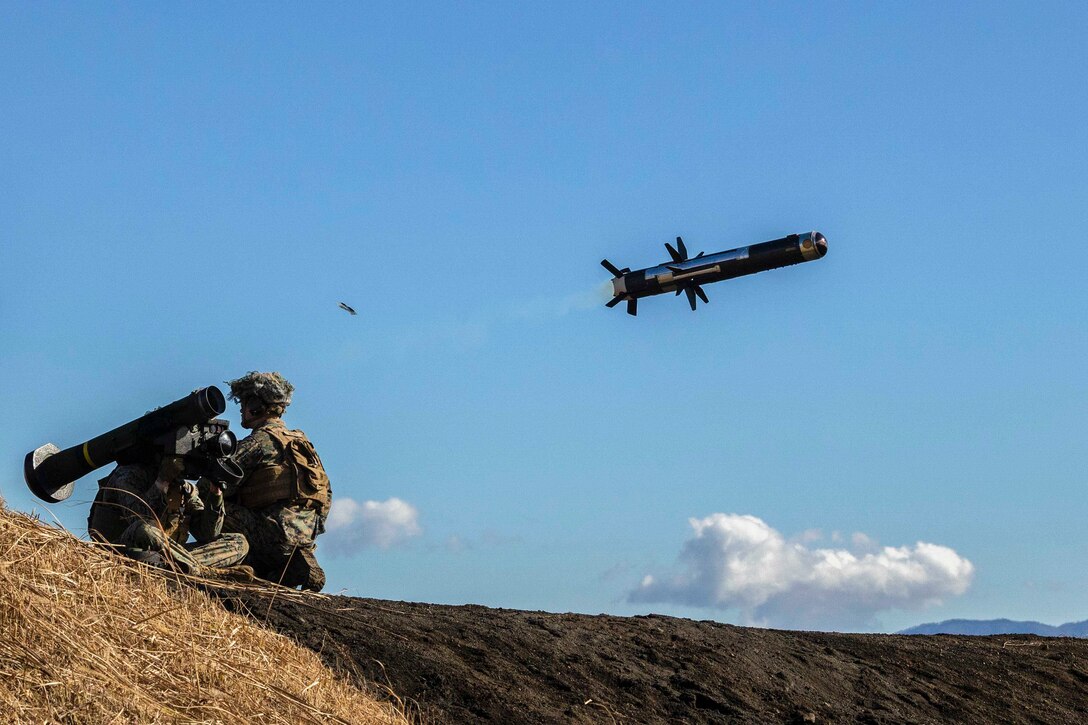
One way the weapon's relevance could be preserved is through integration on ground robotic platforms though this concept has yet to gain traction on the real battlefield.
Returning to the LWCLU itself: it was specifically designed to be compatible with all existing and future variants of the Javelin missile family. The new launcher was developed with the infantry soldier’s burden in mind weight has been reduced by a quarter and dimensions by 30%, while target detection and recognition range has been doubled.
Defense Express previously reported that propellant for Javelin and Stinger missiles can now be produced using 3D printing and what capabilities this opens up.
Read more: Long Range, Low Observable, Hard to Get: Netherlands Pursues More JASSM-ER as Post-iran U.S. Supplies Tighten