


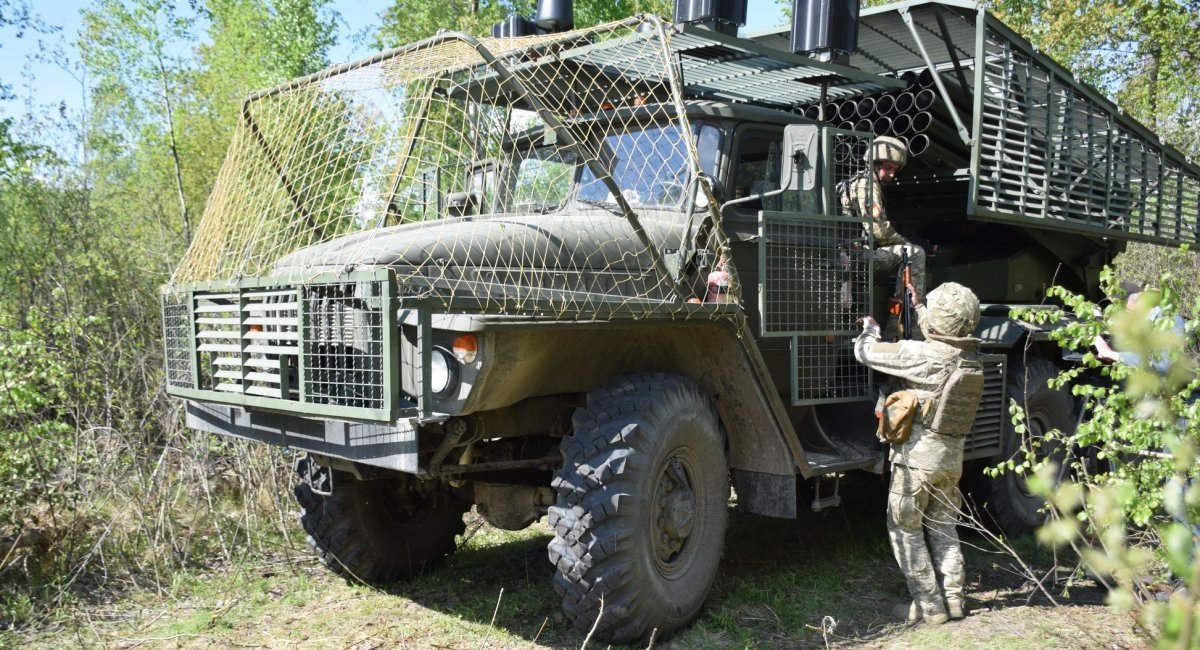
The Soviet-made 122-mm BM-21 Grad multiple launch rocket system used by the Ukrainian Armed Forces has received new anti-drone protection. This involves a combination of the long-known "barbecue grills" and more complex structures similar to those used on tanks.
The press service of the 50th Artillery Brigade has released photos of the military tactical exercises. The statement notes that the systems have been upgraded to improve firing accuracy and effectiveness, but does not provide specific details.
Read more: Ukrainian Drones Destroy Rare Type 63 MLRS, Artillery, and russian Logistics Near Lyman (Video)
From Defense Express we would like to note that The most noticeable feature of the upgraded Grad systems is the extensive additional armor. The launch tube assembly is fitted with a "grill" made of solid grating—a common feature of this type of weapon system—extending in the direction of fire.
At the same time, the complex mesh structure in front of the vehicle's cab is even more interesting. It closely resembles similar designs seen on Ukrainian tanks and armored vehicles and is already widely used in other countries, including South Korea.
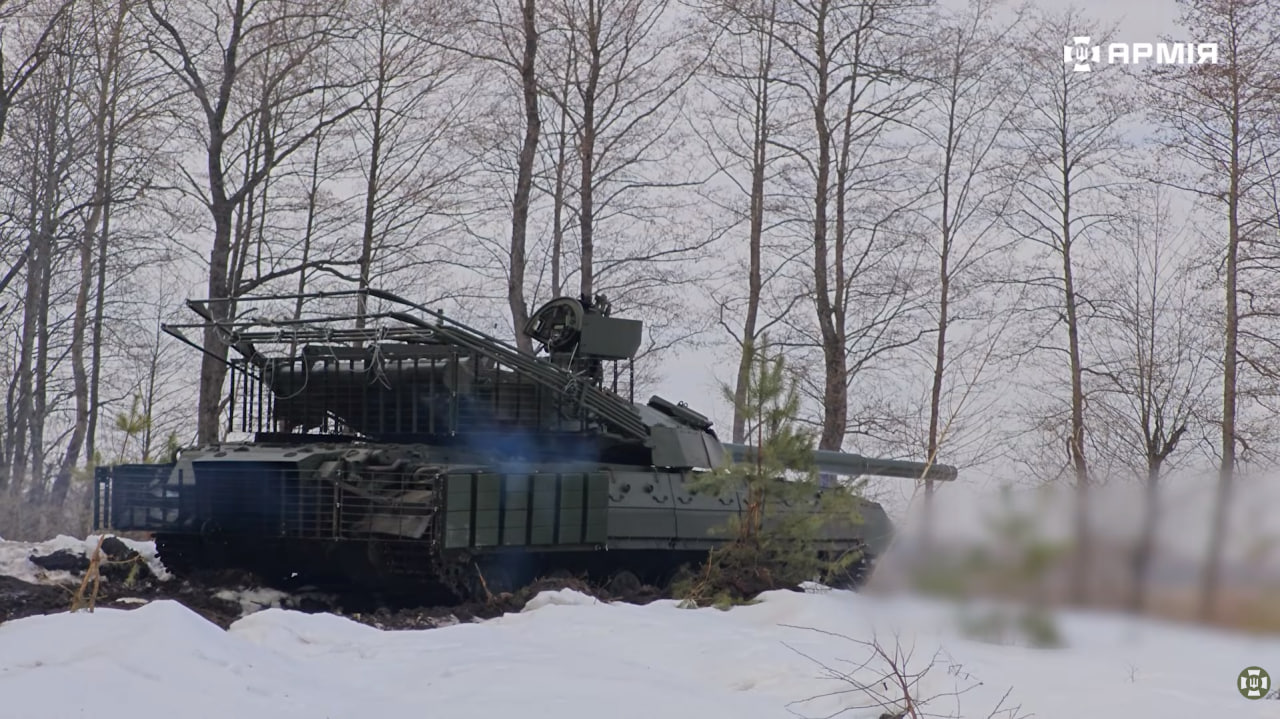
This is no coincidence, as it allows the structure to be folded up or down as needed. This allows access to the engine for maintenance or repairs. Additionally, when folded up, it may provide better visibility of the road ahead.
Among the standard features, the dome-shaped electronic warfare equipment mounted on top of the cab is particularly notable. This has become virtually mandatory for vehicles on the front lines. The doors are fitted with reinforced "grills" designed to improve crew survivability.
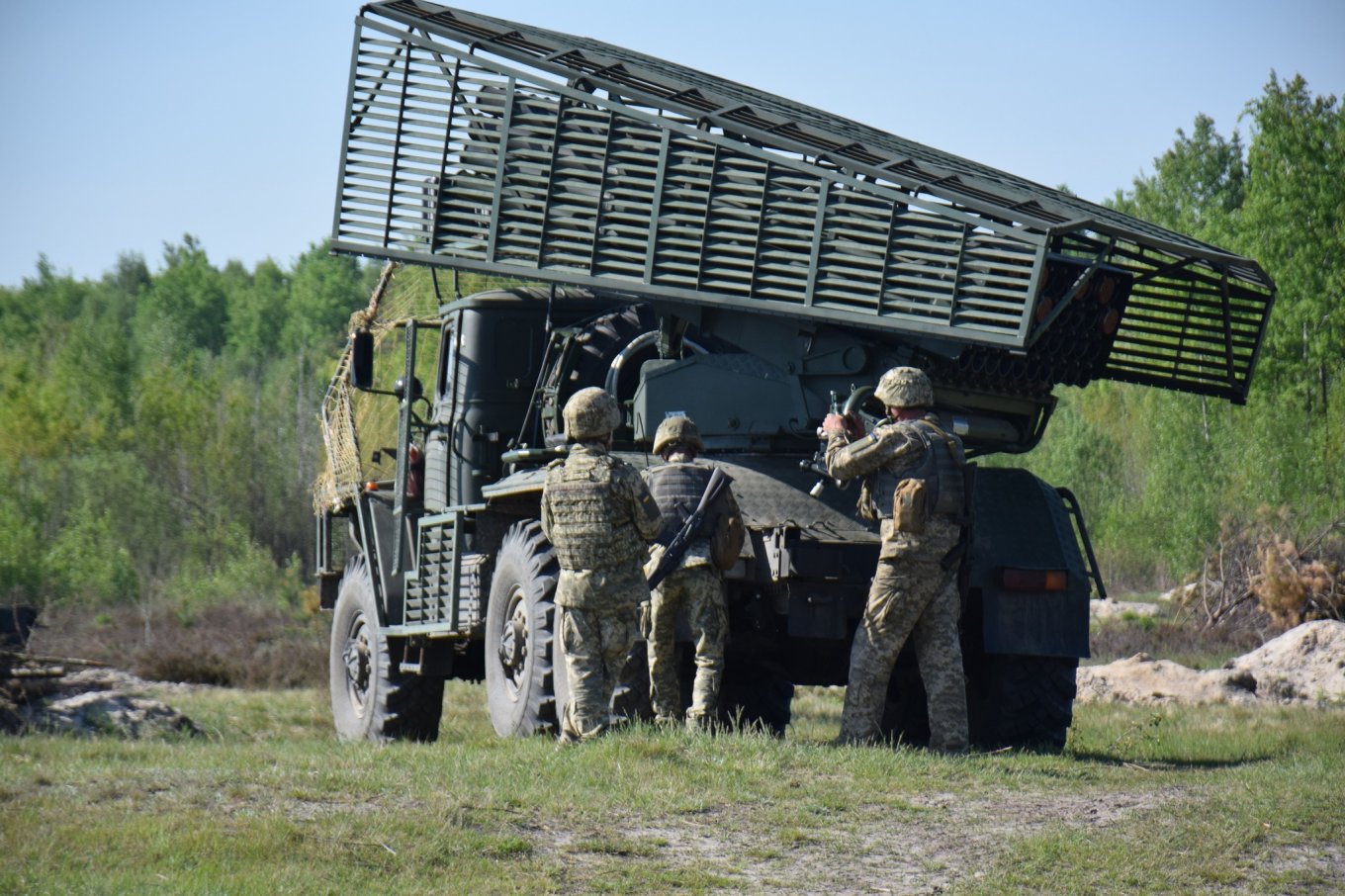
As for other aspects of the modernization, the image shows that the old Ural truck-based chassis has been retained. It is also likely that a new guidance system with modern electric drives has been installed, similar to the design used by the National Guard of Ukraine on the MAN platform.
The BM-21 Grad uses 122-mm rockets which, depending on the variant, can have a range of up to 20 km or even 40 km. Due to their widespread use and the relative affordability of their ammunition, they remain in service with Ukraine and russia, as well as many other countries, underscoring the need for improved protection against drones.
Read more: SSU Hit FSB Headquarters, Killing About 100 russian Occupiers in a Single Strike (Video)