


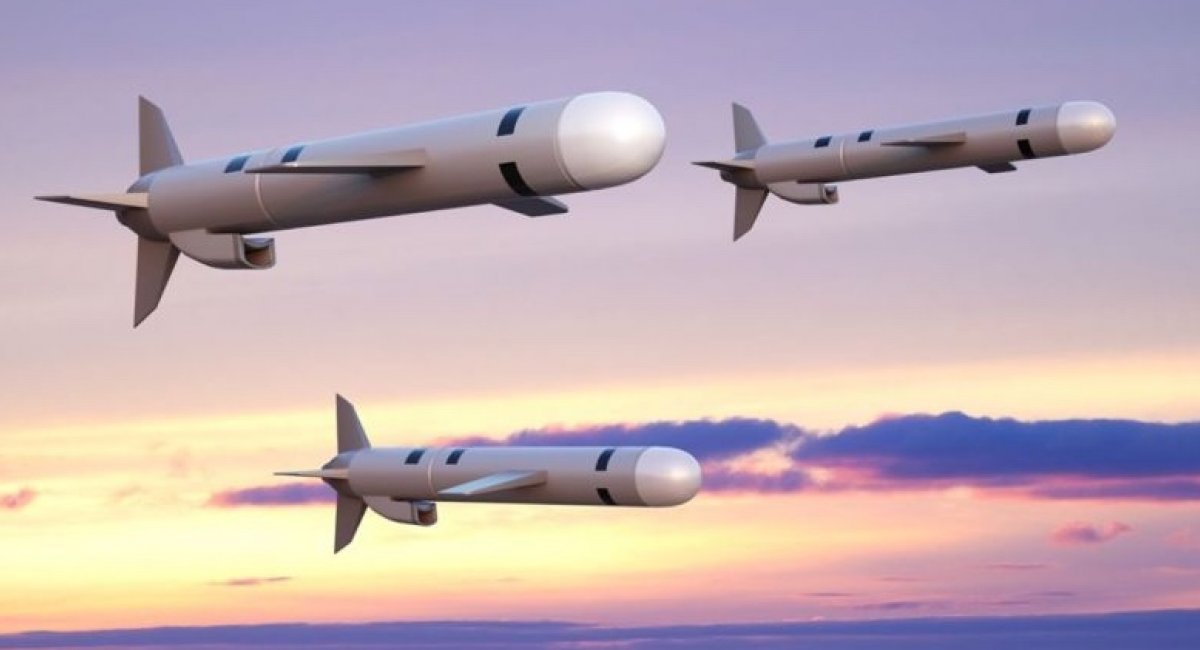
At the Munich Security Conference, U.S. Senator Lindsey Graham made his pitch explicit: "I want to give Tomahawks to Ukraine. I want the U.S. to supply Tomahawks to reach out and hurt the infrastructure that Putin counts on to build the drones and all the other stuff."
The conversation first gained momentum in fall 2025, when President Donald Trump indicated he might consider providing Ukraine with long-range missiles. At the time, the U.S. Army was simultaneously abandoning its Long Range Fires launcher program for Tomahawk, theoretically opening a window for alternative uses of the missiles. Months of discussion followed. No concrete agreements materialized.
Read more: Ten Ukrainian Drone Factories to Launch Across Europe in 2026, Where They Will Be Located and Why It Matters
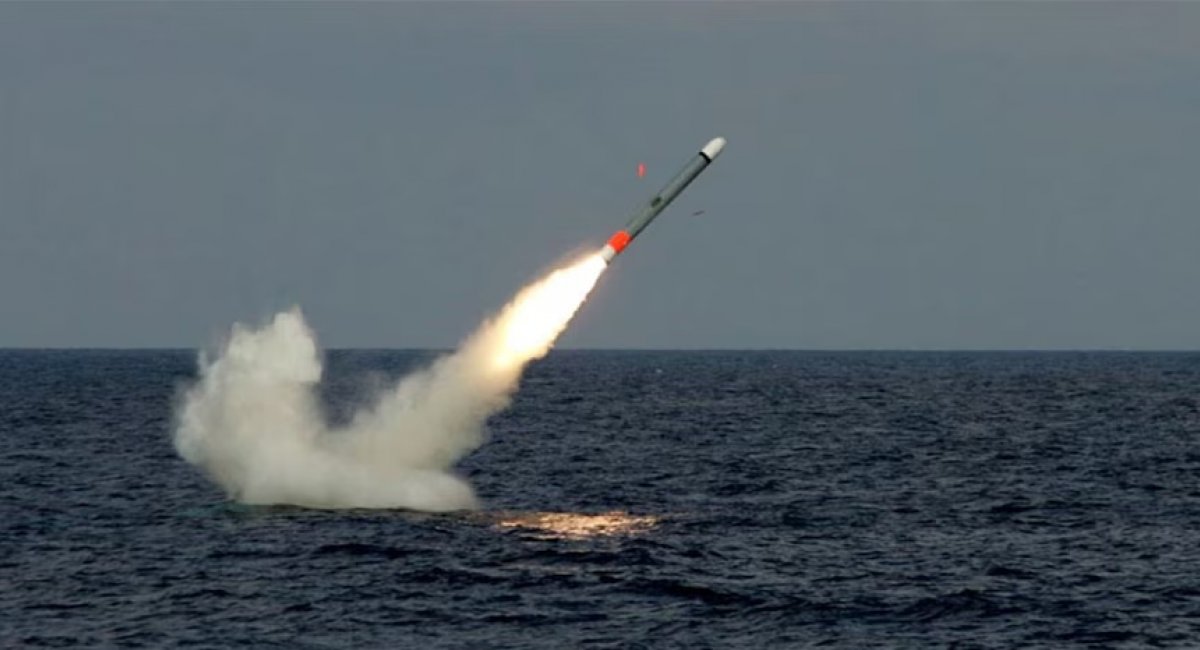
By January 2026, signals emerged that the dialogue might resume. Kyiv Post stated that Washington is increasingly convinced the only way to bring Vladimir Putin to the negotiating table is to dramatically strengthen Ukraine's hand. Their latest idea, long discussed: give Ukraine Tomahawks.
One key proponent is Dan Rice, former special advisor to Ukraine's Commander-in-Chief. Rice, the behind-the-scenes architect of previous efforts to secure U.S. approval for cluster munitions and ATACMS missiles, now believes the moment has come for something far bolder a small, undisclosed number of ground-based Tomahawk cruise missiles capable of striking deep inside russia.
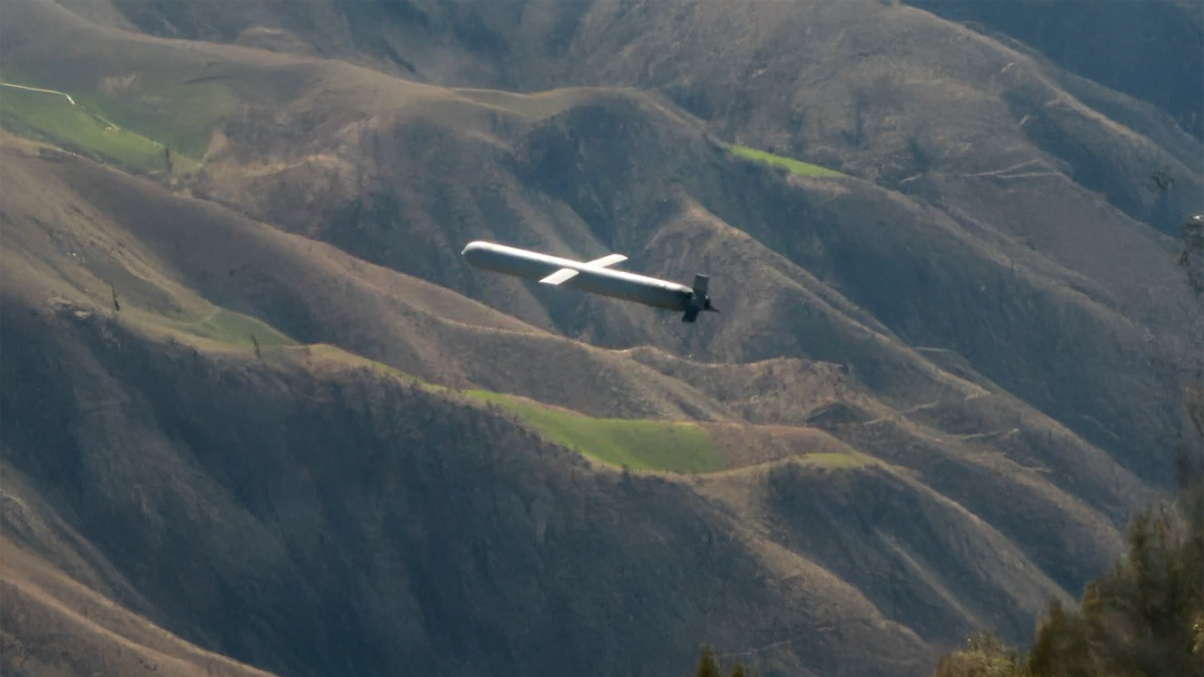
Concurrent with this political momentum, Defense Express previously reported that Raytheon has signed five separate framework agreements with the U.S. Department of War.The Pentagon plans to scale up missile production over seven years, with the goal of replenishing American stockpiles and expanding industrial capacity across several key missile programs.
According to the company, annual production of Tomahawk cruise missiles is planned to increase to more than 1,000 units. For Ukraine, this is fundamentally important: higher production rates reduce risks to U.S. defense readiness in the event some missiles are transferred to allies.
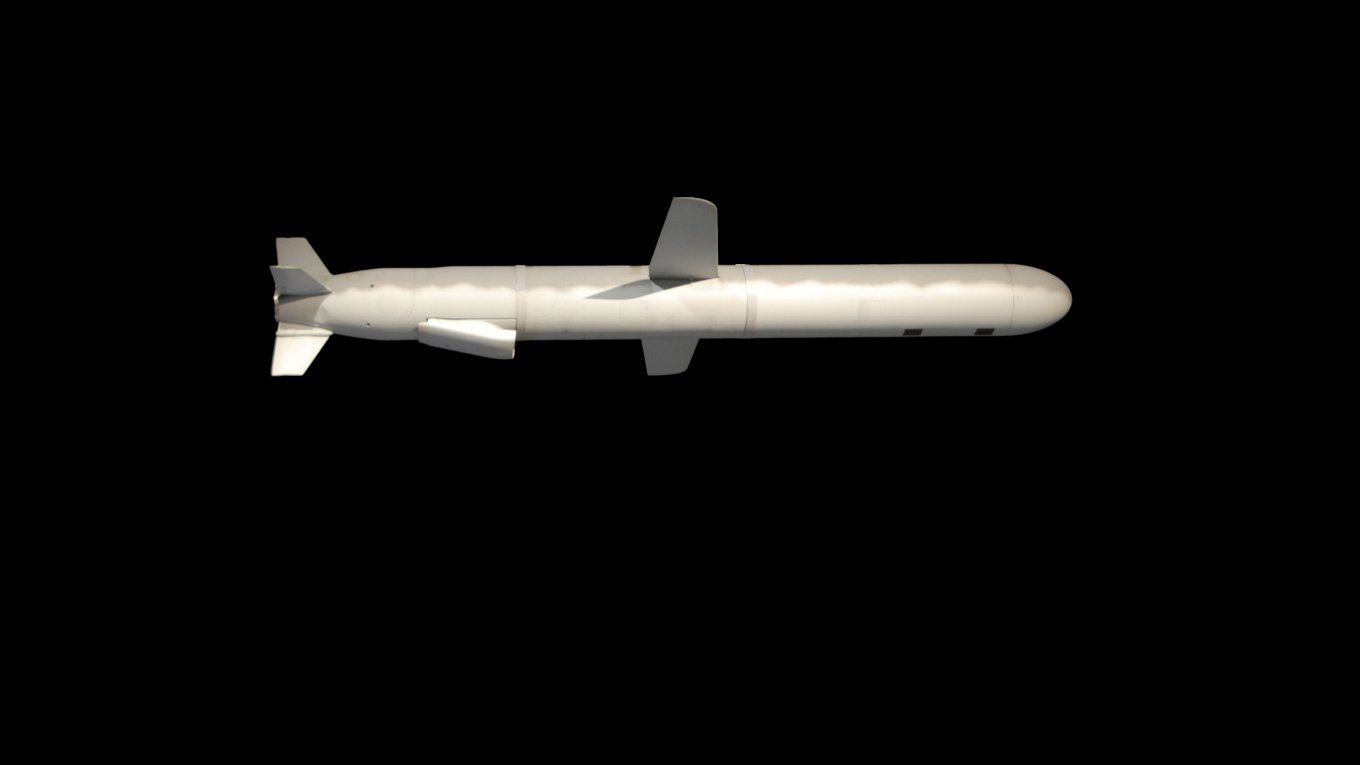
For genuine operational effect, Ukraine would need at least hundreds of these missiles. Only systematic application could impact military infrastructure deep inside russia drone production facilities, logistics hubs, ammunition depots, other strategic sites. It's unlikely the U.S. is prepared to transfer that scale, even accounting for production increases.
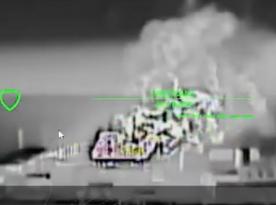
Moreover, Ukraine is already actively striking targets in russia's deep rear with its own means. Defense Forces of Ukraine regularly hit oil refineries, ammunition depots, and military infrastructure. In this sense, Tomahawks would not represent a revolution but rather a reinforcement of an already existing long-range strike strategy.
Read more: Quantum Frontline Industries Localized Production of Ukrainian UAVs in Germany in Less Than 2 Months