


Raytheon has concluded five separate framework agreements with the U.S. Department of Defense aimed at ramping up missile production over a period of up to seven years. The agreements are intended to rebuild U.S. weapons stockpiles and expand industrial output across several key missile programs.
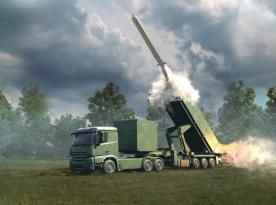
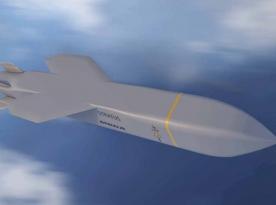
According to the company, annual production of Tomahawk cruise missiles is planned to increase to more than 1,000 units. This represents a dramatic surge compared to the current output of approximately 50 missiles per year and would provide the United States with the capacity to conduct sustained large-scale strike operations if required.
Read more: The U.S. Boosts SM-6 Output to Defend Its Fleet Against russian Kinzhal and Zircon Missiles
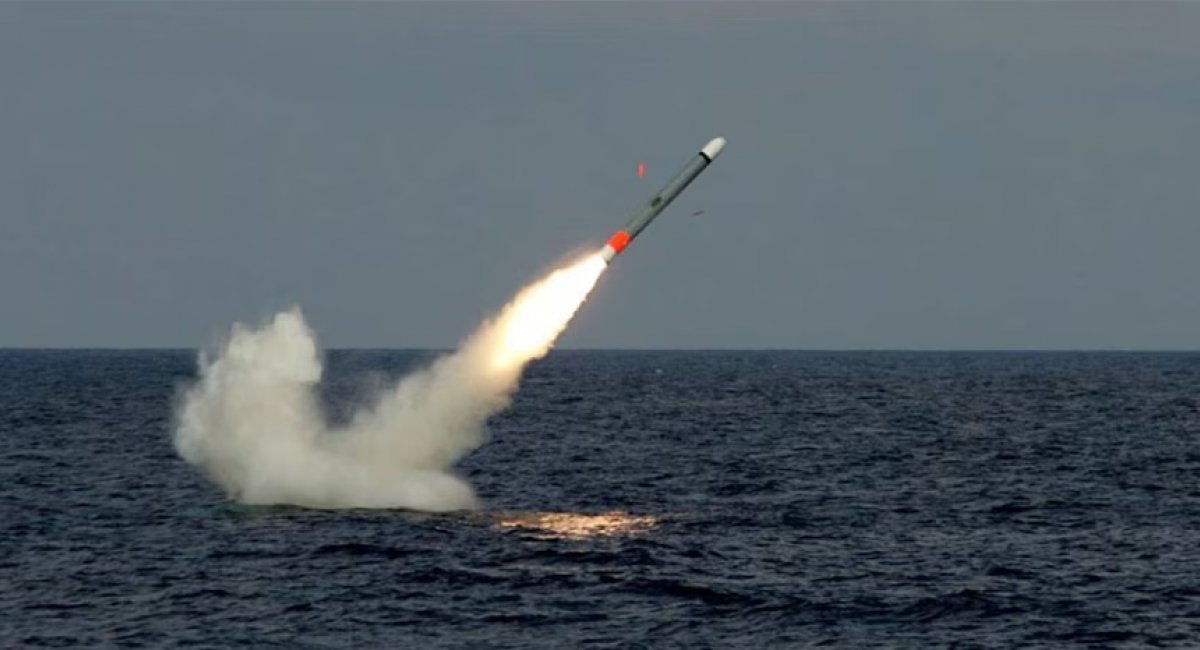
Production of AIM-120 AMRAAM medium-range air-to-air missiles is expected to reach at least 1,900 units annually. These missiles are widely used by fighter aircraft in NATO and non-NATO countries and also serve as interceptors within the NASAMS air defense system.
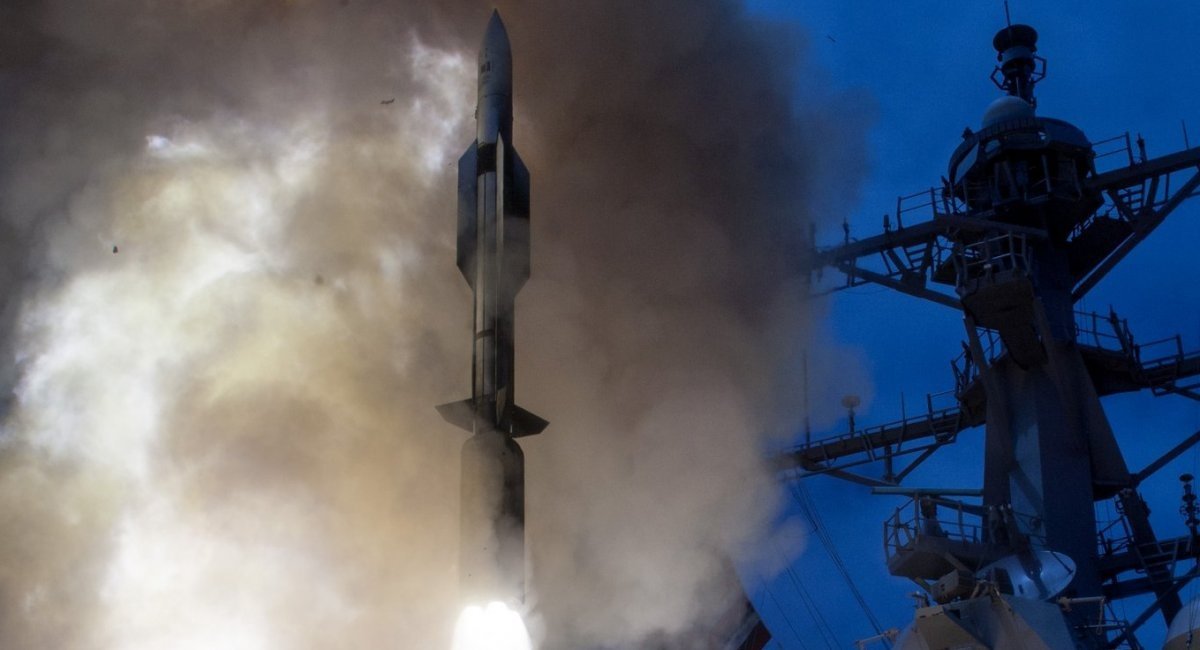
Raytheon's most advanced surface-to-air missile, the SM-6, which is capable of intercepting complex aerial threats, including hypersonic targets such as the Kinzhal and Zircon missiles, is also set for a major production increase. Output is planned to exceed 500 missiles per year, a significant figure given the missile's high cost and the current annual production rate, estimated at around 125 units.
The expansion of production of SM-3 Block IIA interceptors is also mentioned, although without specific quantities. In addition, Raytheon plans to accelerate the start of production of the newer SM-3 Block IIB variant. Both interceptor types form part of NATO's ballistic missile defense architecture as elements of the Aegis Ashore system.
According to Raytheon, production rates for the listed missile systems are generally expected to increase by a factor of two to four. Tomahawk missiles stand out in particular, with a planned twentyfold increase in output.
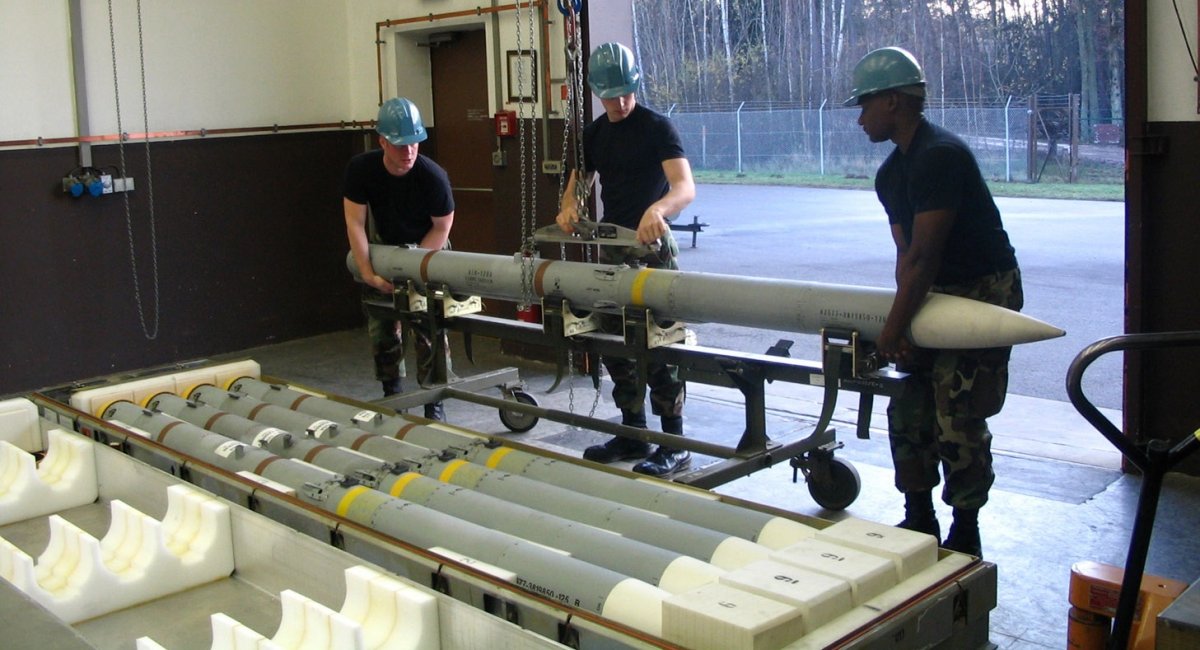
These developments are also relevant for Ukraine. The Defense Forces of Ukraine use AIM-120 missiles both within NASAMS air defense systems and on F-16 fighter aircraft, with potential future integration on Gripen fighters as well. While the United States is not currently supplying these missiles directly as part of military aid, other countries are placing relevant orders for Ukraine under the PURL initiative.
It should be emphasized that these agreements are framework arrangements, under which the Pentagon will place orders gradually in the coming years. If future contracts do not cover the projected volumes, actual production may fall short of the announced figures. Similar large-scale expansion plans are also being discussed in relation to the THAAD missile defense system.
Read more: U.S. Orders Additional Tomahawk Cruise Missiles Even Cheaper Due to Large Order