President Volodymyr Zelenskyy has announced plans to open ten joint enterprises for the production of Ukrainian drones in 2026, signaling a major expansion of Ukraine's international defense-industrial cooperation. The initiative reflects Ukraine's broader strategy of scaling up unmanned systems manufacturing through partnerships with European allies.
One of the most visible examples is the launch of production at Quantum Frontline Industries in Germany. The joint venture was created by Quantum Systems and Ukraine's Frontline Robotics. Notably, the first drone rolled off the production line less than two months after the partnership was publicly announced, underscoring the speed at which such collaborations can translate into tangible output.
Read more: BAE Systems Bofors Expansion Key to Steady Archer, Tridon Mk2, and CV90 Supply for Ukraine
Further agreements were signed on February 13, 2026, at the Munich Security Conference. Ukrainian TAF Industries concluded a memorandum with Germany's Wingcopter, a firm specializing in fully electric UAVs and advanced logistics solutions.
At the same venue, Ukraine's Airlogix, known for its Gor drone, partnered with Auterion to combine hardware and software expertise in developing AI-enabled UAVs for Ukraine and allied markets.
In most of these cases, the German side provides industrial infrastructure and administrative support, while the Ukrainian companies contribute production licenses and battlefield experience. This model allows for rapid scaling of drone output while mitigating risks associated with production concentrated in a single country.
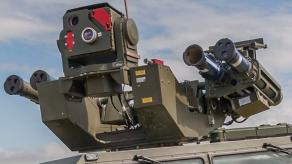
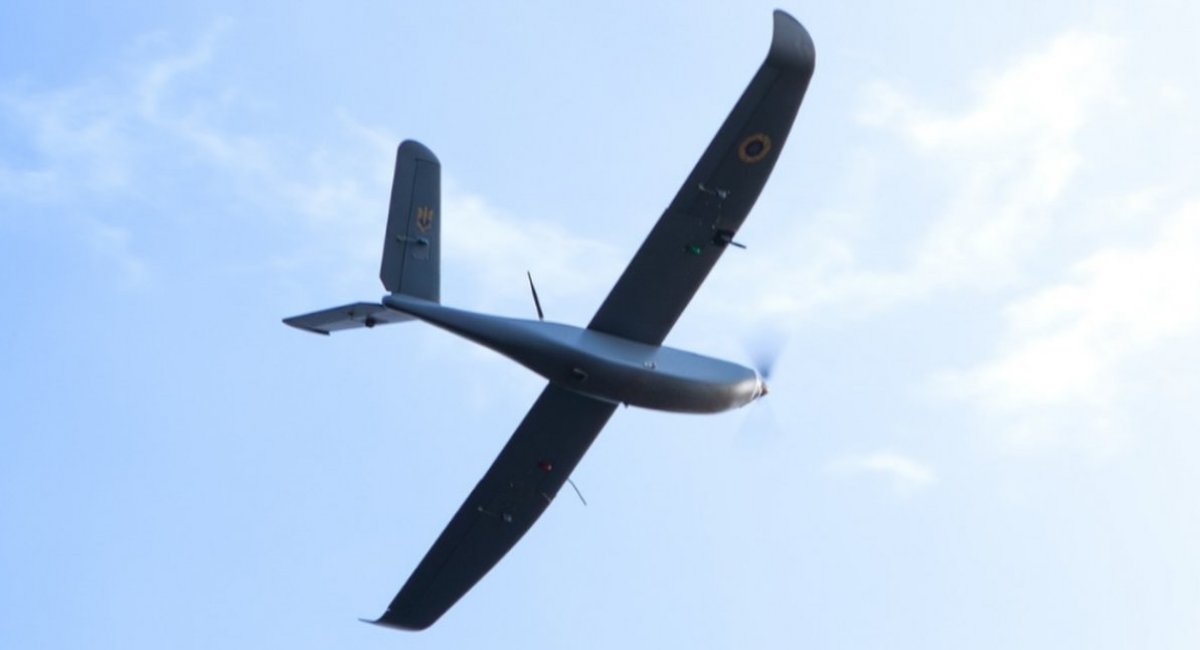
The United Kingdom has also emerged as a key partner. Ukrainian firm UkrSpecSystems has established manufacturing operations there, producing systems such as Shark reconnaissance drone and Octopus anti-air platform. Meanwhile, Skyeton partnered with Britain's Prevail Partners to form Skyeton Prevail Solutions for the production and promotion of Raybird (ACS-3) UAV. The platform has already participated in British exercises and is viewed as a potential replacement for the UK's Watchkeeper system.
Denmark is another emerging hub. Reports in late 2025 indicated that Ukrainian UAV production would begin there, potentially involving Fire Point, known for its long-range FP-1 drones and FP-5 Flamingo cruise missiles. Additionally, Danish-Ukrainian MITS Industries reportedly объединяет companies such as Tencore, Infozahyst, and Unwave, suggesting broader industrial integration even if specific factory deployments have not been publicly detailed.
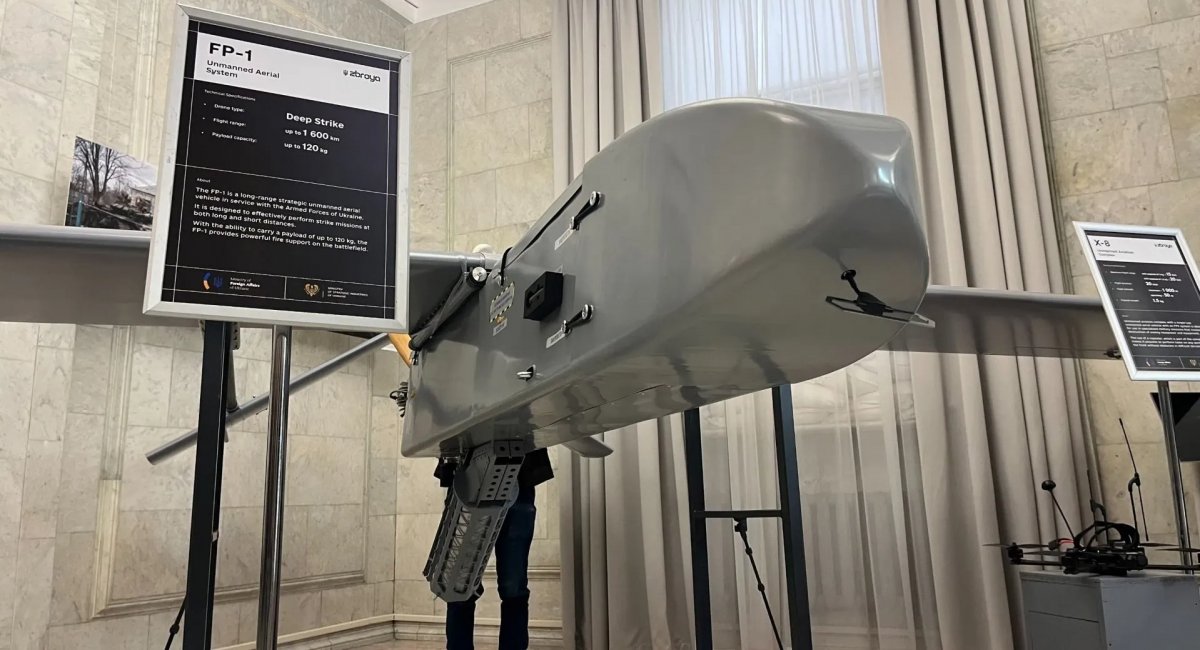
Taken together, these initiatives point to a growing network of multinational production lines for Ukrainian unmanned systems. Importantly, output is intended not only for export but also for supplying Ukrainian forces. By embedding Ukrainian drone manufacturing into European industrial ecosystems, Kyiv gains access to investment, political backing, and increased production resilience.
Although the publicly known list of partnerships is likely incomplete, the trajectory is clear. Ukraine's defense industry is moving beyond emergency wartime improvisation toward structured international integration. If the plan to launch ten new joint enterprises in 2026 materializes, it could mark a decisive step in transforming Ukrainian drone production into a durable, multinational ecosystem.
Read more: KNDS Plans Over €1 Billion Investment in German Factories to Meet Surging Demand, Rearmament