


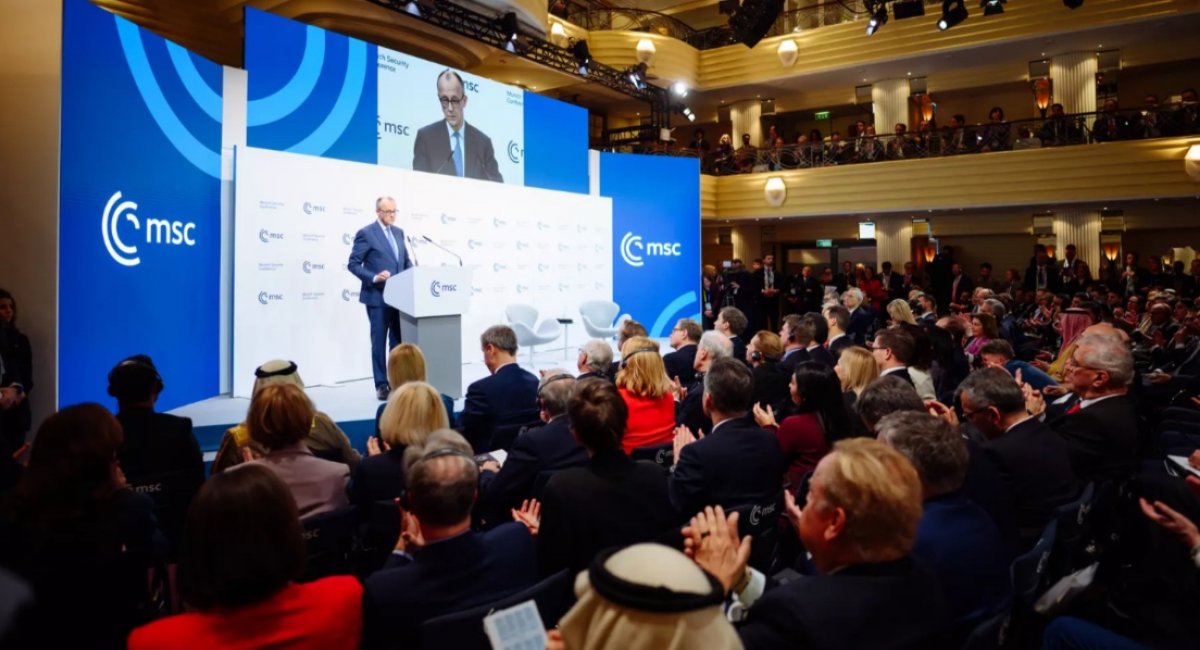
The 62nd Munich Security Conference report warns russia may be ready for a local war against a NATO country within just six months after a potential ceasefire in Ukraine. The assessment, published in the conference's annual report released ahead of the forum, set the tone for discussions focused on defense cooperation and military coordination among allies. russia is now viewed as a long-term and systemic threat to the West.
Yet Europe faces multiple challenges. Chief among them is the fracture in transatlantic relations. As isolationist sentiment grows in the United States' focus shifts toward Asia, Europe must prepare for scenarios involving partial or significant reduction of American military presence on the continent.
Read more: KNDS Plans Over €1 Billion Investment in German Factories to Meet Surging Demand, Rearmament
At the opening ceremony, Markus Söder, Minister President of Bavaria, acknowledged the strain. It's hard to imagine such a world the U.S. and Europe have always stood together, he said. But the relationship now requires a resolution: will America be ready to work with Europe as equals, rather than forcing subordination? That will require changes, possibly in the system of bureaucracy. That bureaucracy, as Defense Express has previously reported, represents a major problem one so severe it prevents European forces from shooting down russian drones over civilian and military sites.
Beyond hopes for improved relations with America, Europe must independently develop its own capabilities. The concept of European strategic autonomy has moved from aspiration to necessity. Europe finds itself in a transition period: defense budgets are growing, but actual capabilities ammunition production, air defense systems, heavy equipment have not yet reached required levels. This transitional moment is considered potentially dangerous if russia decides to test NATO's unity.
At the same time, the conference opening brought more optimistic signals. Friedrich Merz announced reforms in the defense sector, an increased role for new technologies, active procurement of air defense systems, and deployment of the first brigade in Lithuania. However, the overall context remains complex: the world has entered a new phase of open conflicts and wars, and the international order is increasingly being replaced by the politics of force.
It is important to recognize that the character of war is changing it is becoming technologically asymmetric. Ukraine's experience in the war against russia has demonstrated the critical role of drones, electronic warfare systems, and other innovative technologies. Therefore, Ukrainian experience must be integrated into the formation of new European security policy. Ukraine already effectively serves as the outpost of European security.Throughout 2025, russia has actively tested NATO countries' capabilities: incidents involving electronic warfare in the Baltic Sea and drone incursions into Alliance member territories have been recorded.
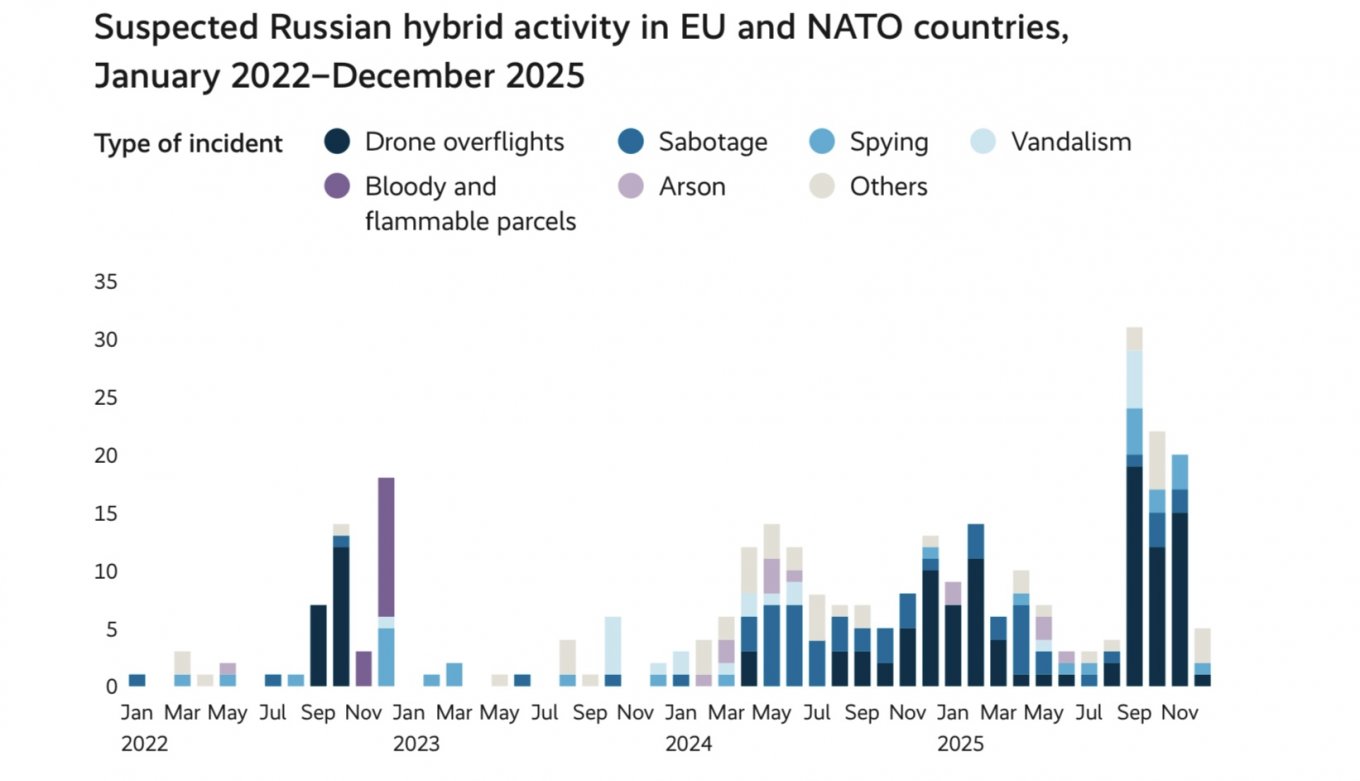
Against this backdrop, conference experts warn: if Europe does not demonstrate leadership, primarily in consolidating its defense industry and supporting Ukraine, it risks finding itself in a gray zone between competing U.S and Chinese spheres of influence.
The main task today is strengthening Europe: more freedom for decisions, less bureaucracy, greater defense capabilities, and genuine partnership in transatlantic relations.
Read more: Ukrainian 155 mm Bohdana-BG Howitzers Receive "Barbecue Grills" for Drone Defense