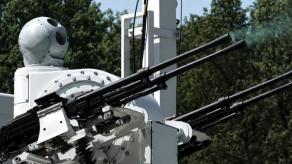



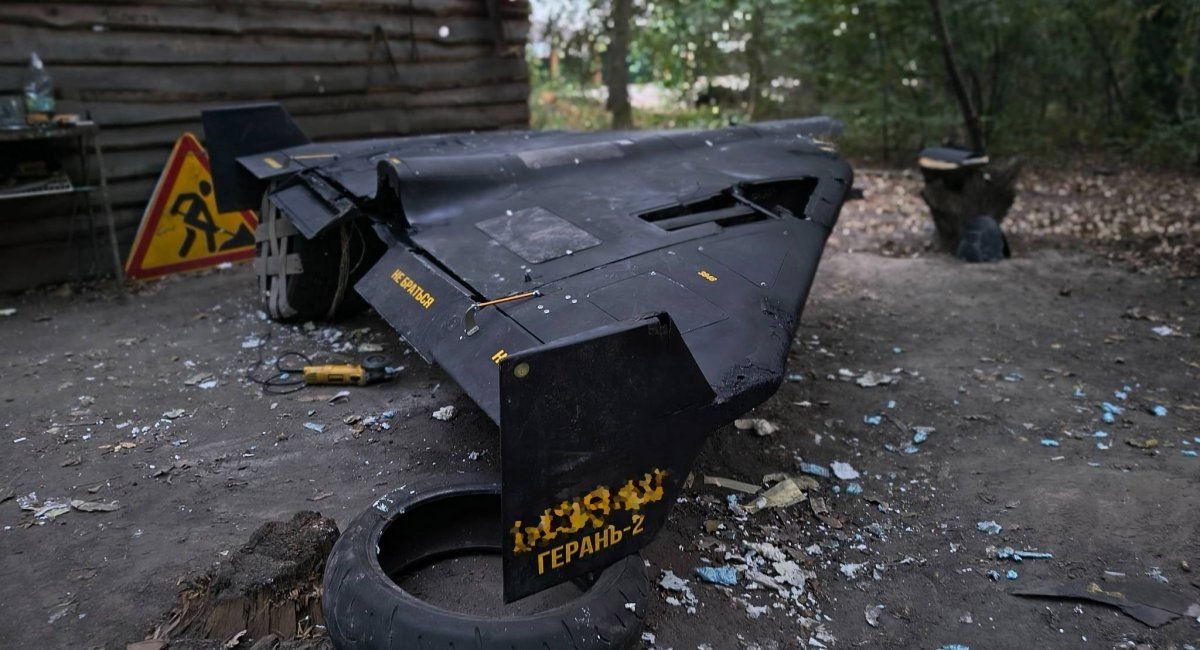
russians are carrying out a sustained, combined long-range attack using a large number of drones and missiles that they have stockpiled in recent months.
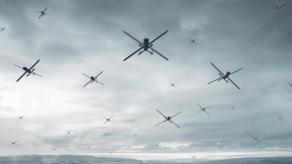
The attack began on the morning of May 13, when large waves of UAVs launched from the north and south targeted Ukraine. On May 13, the Ukrainian Air Force reported that 753 long-range UAVs of various types were detected between 8 a.m. and 6:30 p.m., including Shahed drones, their jet-powered variants, and decoy drones.
Read more: russia Is Installing Anti-Drone "Grills" on Bulava-Carrying Nuclear Submarines 7,200 km From Ukraine
By late afternoon, russians had launched new groups of Shahed drones from the northeast and south and also began missile strikes, primarily targeting Kyiv. The report on May 14 said that, as of 8 a.m., 675 drones, including decoys, had been detected, along with three Kh-47M2 Kinzhal missiles, 18 ballistic missiles, and 35 Kh-101 cruise missiles.
During the first 24 hours of this attack, the enemy deployed a total of 1,428 drones of various types. Of these, 1,362 (95%) were intercepted or neutralized, along with 82% of Kh-101 cruise missiles and 66% of ballistic missiles, some of which were not aimed at Kyiv.
As of 10 a.m., new groups of Shahed drones were detected approaching Ukraine from the north and south. Against this background, the key question is how long this long-range attack will last.
This can be assessed by examining the recent rate of russian use of long-range drones. According to Ukrainian Air Force reports since the beginning of 2026:
- January: 4,400 drones; average daily rate: 143;
- February: 5,000 drones; average daily rate: 180;
- March: 6,100 drones; average daily rate: 197;
- April: 7,200 drones; average daily rate: 240.
During the first 13 days of May, before the start of the prolonged combined attack, 2,400 drones were used, with an average daily rate of 184.
This slowdown was sufficient to build up a reserve of at least 730 drones, according to April figures. Combined with increased production, which could enable the deployment of approximately 280 units per day, this helps explain russia's ability to launch 1,400 long-range UAVs of various types within 24 hours. However, this does not mean that such a pace can be sustained indefinitely.
At the same time, to sustain a multi-day attack, russia may rely not only on drones but also on long-range missile systems, the use of which has broadly matched estimated production rates. Moreover, Kalibr and Iskander-K cruise missiles were not employed in the latest attack and could be used in the near future, alongside a smaller number of long-range UAVs and decoys.
From the Defense Express side, we urges you to join a fundraising for what is already working: One United Fundraiser: Fundraising by the Serhiy Prytula Charity Foundation for interceptor drones.

Read more: russia Keeps Promising Sarmat ICBM "Will Enter Combat Duty Soon" — Here's Why It Still Hasn't Happened