


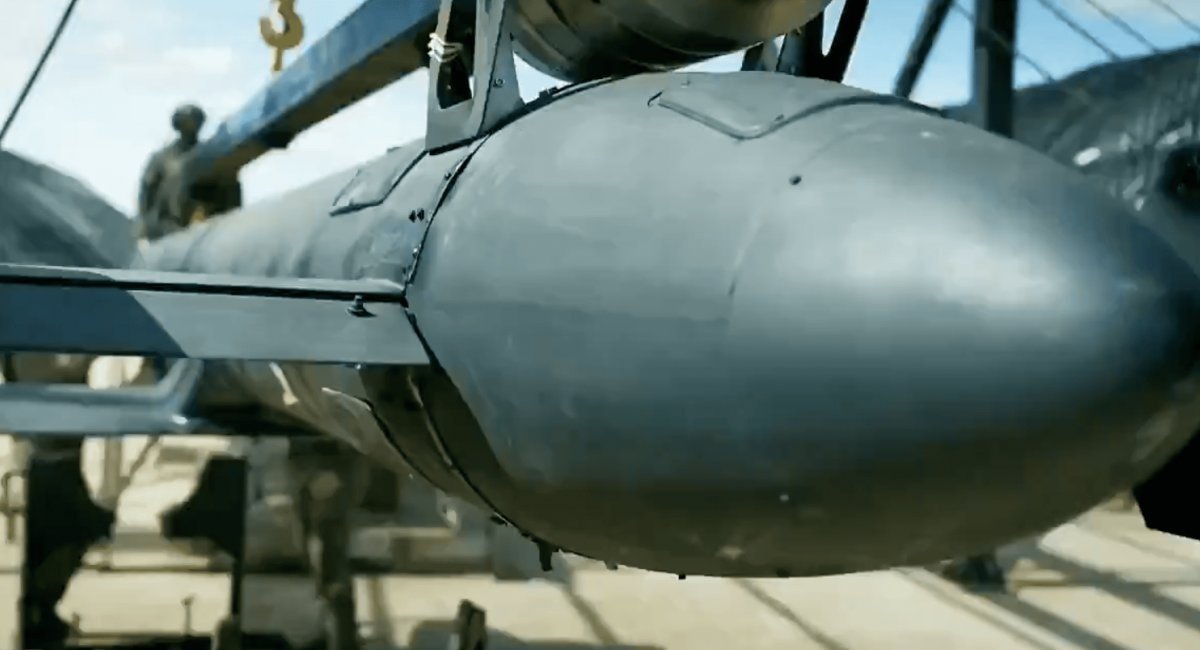
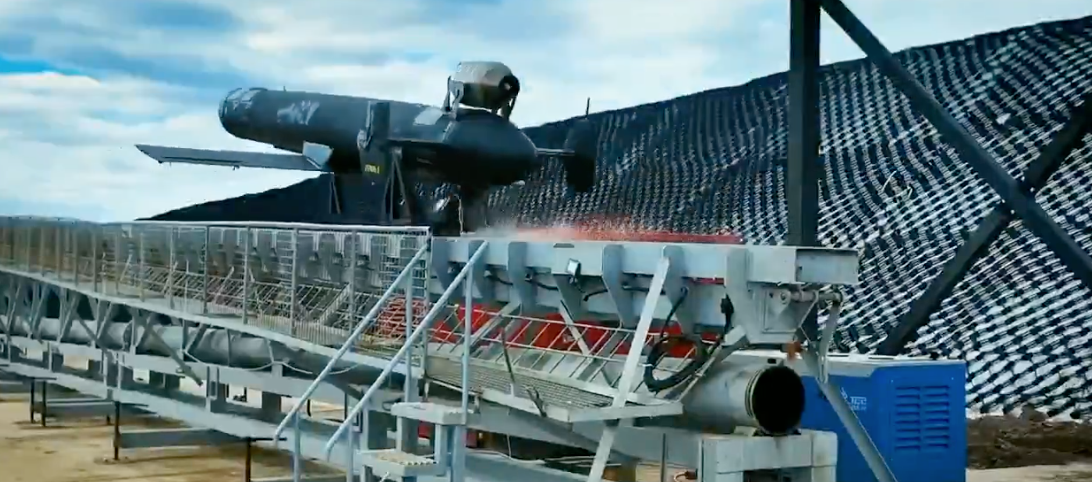
At its so-called "virtual" Victory Day parade on May 9, russia unveiled the Geran-5 cruise missile and an 80-meter launcher for the system. The footage of the missile was likely filmed at a launch site in russia's Oryol region. The video shows launches of the Geran-5. It was also previously reported that this missile could be launched from Su-25 aircraft.
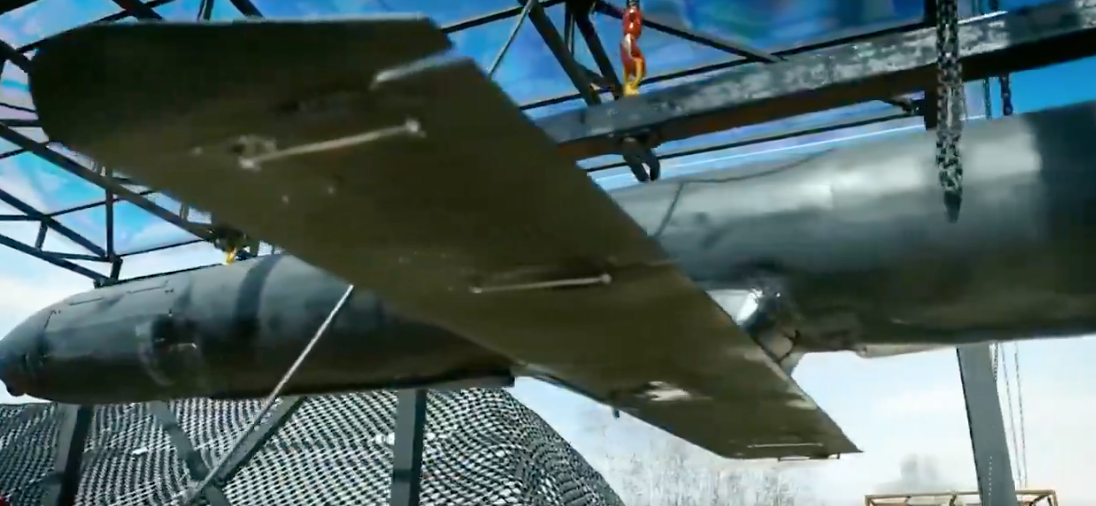
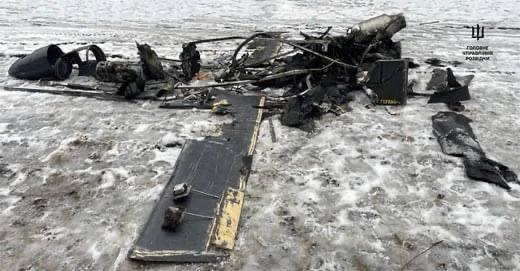
Although this is its first public appearance in russia, the weapon is already being used by russian forces in strikes on Ukraine. Earlier, the Defense Intelligence of Ukraine released photographs of Geran-5 missile debris that visually matches the model displayed at russia's so-called "parade".
Read more: North Korea Begins Production of 155mm Self-Propelled Howitzers with 60km+ Range — Could russia Acquire Them?
The Geran-5 has already been compared to Ukraine's FP-5 Flamingo and the German V-1, although technically it could be classified as part of a rapidly emerging class of "low-cost cruise missiles" in the West. Compared to Ukraine's FP-5 Flamingo, the russian Geran-5 is smaller in size, carries a much lighter 90-kg warhead—standard for the Geran series—versus the FP-5's 1-ton payload, and has a range of just 1,000 km, roughly three times shorter.
As previously reported, russian engineers appear to have drawn inspiration from the design of the Iranian Karrar when developing the Geran-5 cruise missile. At the very least, it is clear that russia copied the wing configuration, although the wings differ slightly in shape.
At the same time, the Iranian Karrar could easily be described as a copy of the American MQM-107 Streaker target drone. This reflects the cycle of drone development, as seen with the russian-Iranian Shahed/Geran-2, the Israeli Harpy, and the German DAR.
russians have also reportedly borrowed the idea from Iran's Karrar of arming their cruise missile with an air-to-air missile. In the case of the Geran-5, this would be the R-73. The design has already been tested on the Geran-2 and appears to have moved beyond testing, with russia now reportedly producing a new variant equipped with the R-60 missile.
Thanks to its jet engine, which allows the cruise missile to reach speeds of around 600 km/h, the Geran-5 poses a distinct threat, particularly if produced at scale, as it could potentially overwhelm air defense systems.

The Geran-5 uses components largely standardized across the series, including Chinese-made parts such as the engine, as well as components produced in Western countries, including the United States and Germany.
The Kometa antenna is traditionally installed on this cruise missile for navigation. Recently, the Armed Forces of Ukraine struck the manufacturer of these antennas—the VNIIR-Progress plant—which was hit by Flamingo missile.
Read more: DPRK Supplies russia With Shells for War Against Ukraine and Claims Produce Four Times More Than Usual