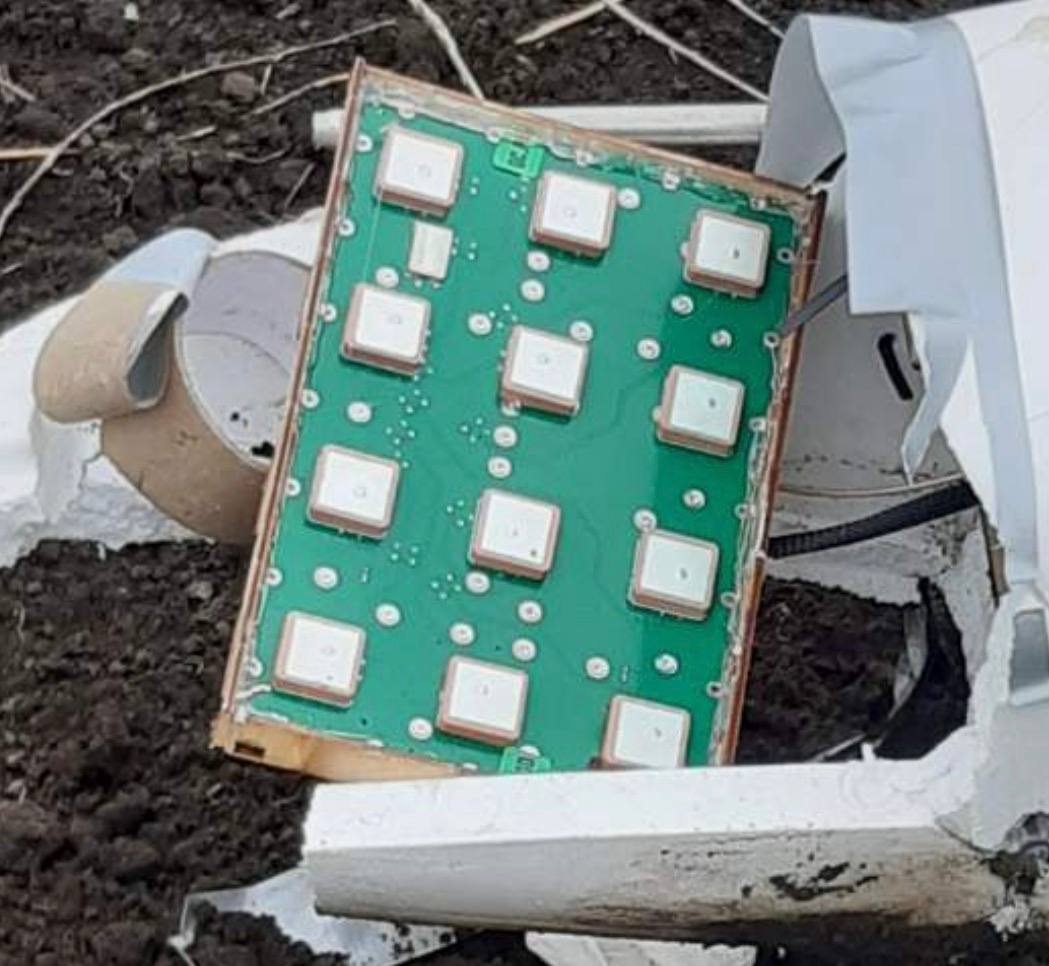
The appearance of 12-element Kometa-M arrays on the Gerbera platform suggests that russia may be scaling up production of these navigation systems. According to Beskrestnov, just a year ago russia reportedly faced shortages of Kometa units even for guided aerial bombs, with delivery queues reaching up to five months.
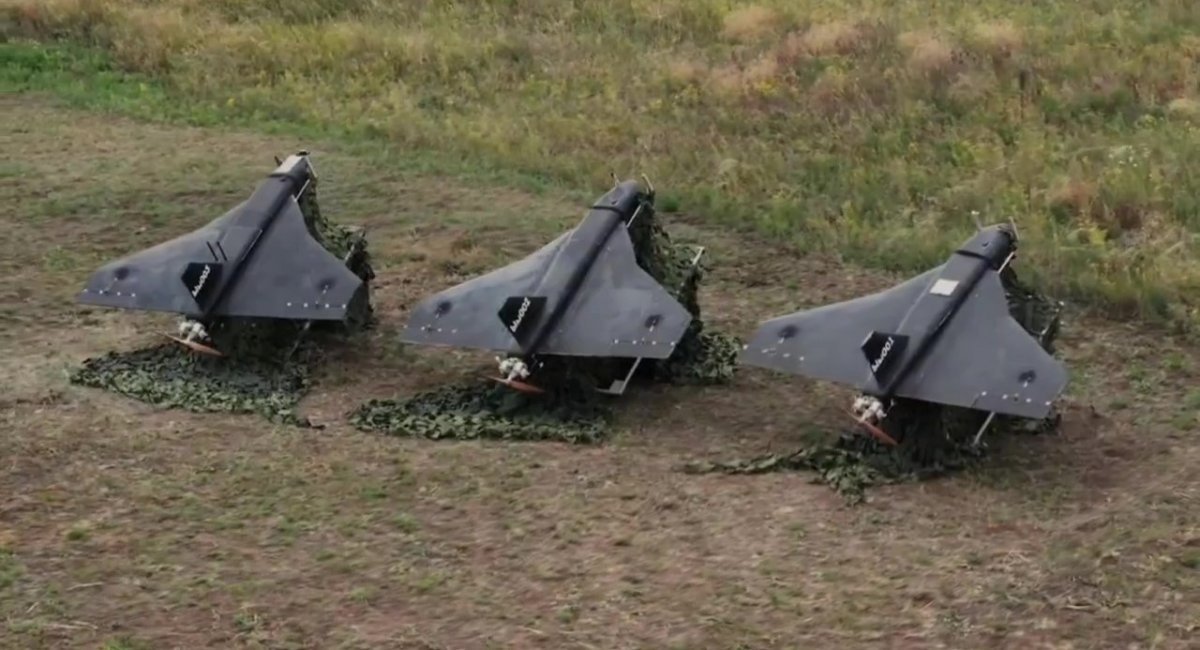
The Gerbera drone was originally developed as an ultra-low-cost platform intended primarily as a decoy to saturate Ukrainian air defense systems. Built from foam and plywood and using inexpensive Chinese electronics, it was designed for mass production at minimal cost. From the outset, however, multiple variants were presented, including reconnaissance and strike configurations.
Read more: Europe's Most Alarming Air Defense Scenario: Could It Survive a Month of Continuous russian Drone Waves?
russia began actively deploying Gerbera drones in mid-2024. Earlier, Ukraine's Defence Intelligence (HUR) linked the system's development to China's Skywalker Technology, suggesting it may have been produced specifically for russian requirements.
Although initially used as decoys, the platform was later adapted to carry warheads of up to 5 kg. Subsequent modifications reportedly added further roles, including mesh network communication relay functions and leaflet-dropping capabilities.
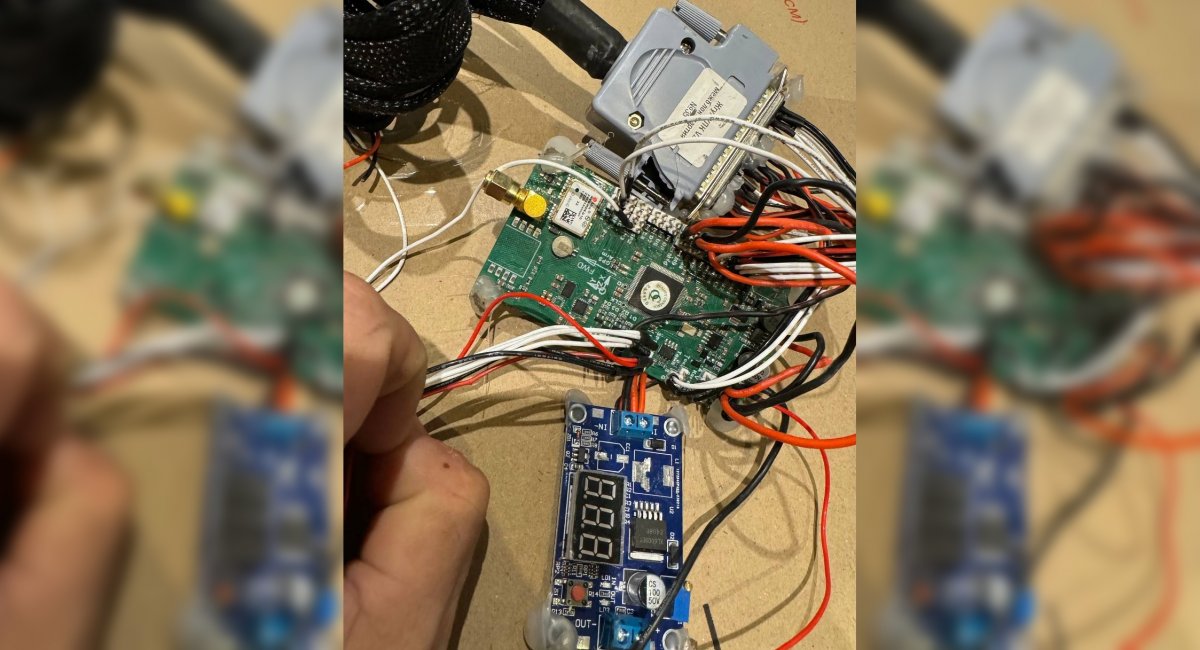
Despite these upgrades, Gerbera has remained a very low-cost system. According to Beskrestnov, early versions were deployed without anti-jamming GNSS antennas. Later, Iran-supplied four-element CRPA antennas were installed, but these gradually became less relevant for Shahed-type UAVs. russia likely redirected remaining stockpiles of such systems to the Gerbera fleet.
At present, it remains unclear how widespread the use of Kometa-M antennas on Gerbera drones has become. However, the trend indicates russia's continued effort to scale mass-produced, anti-jamming navigation modules across a growing range of weapon systems.
It also highlights the importance of striking production facilities for critical electronic warfare components deep inside russia, particularly using long-range precision weapons such as cruise missiles.
russia widely deploys Kometa anti-jamming GNSS systems across its arsenal, including guided aerial bombs and ballistic missiles. These systems are manufactured by the VNIIR-Progress enterprise.
Ukrainian Defense Forces have previously targeted the facility multiple times, most recently in early May, when it was struck by long-range drones and FP-5 Flamingo cruise missiles, damaging the main building. Earlier, russian forces reportedly attempted to protect the plant with improvised "cope cage" structures intended to defend against drone attacks. The overall impact of these strikes on production remains difficult to assess based on available information.
Read more: Ukraine-russia Robot War: Drone Units Hunt russian Hidden Waiting Drones (Video)