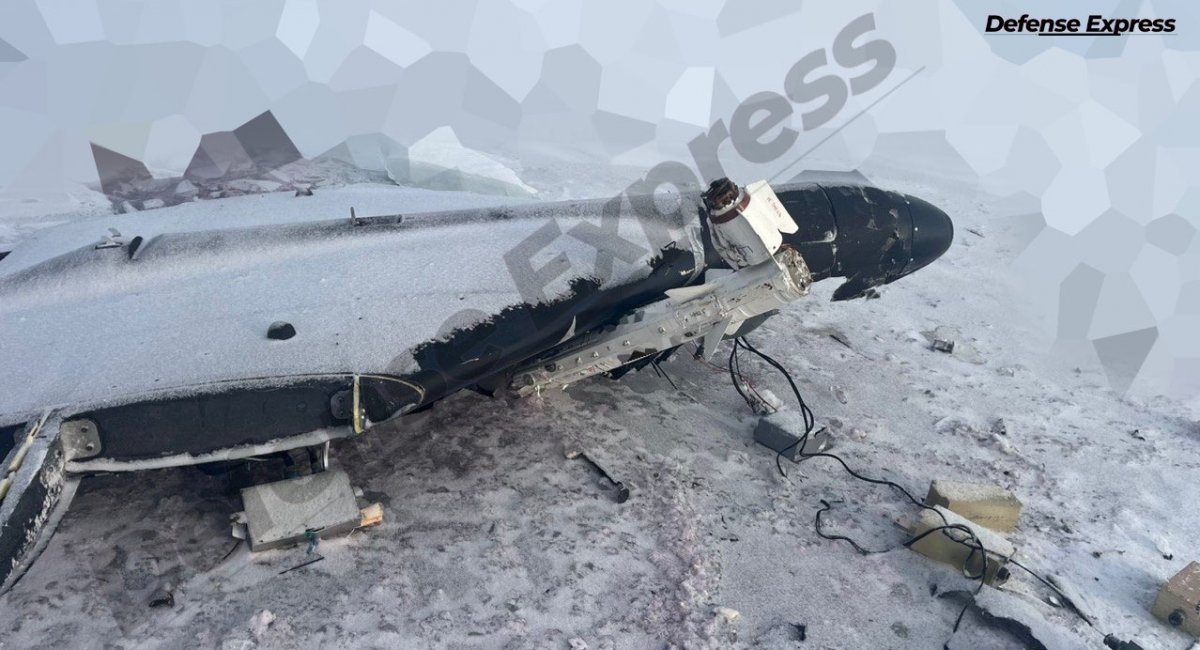
russia continues to experiment with arming Shahed drones with missiles designed to engage aerial targets. The latest case involves fitting a jet-powered Shahed, designated Geran-4, with an R-60 air-to-air missile.
A jet-powered long-range drone of this type was recently shot down by Ukraine's Defense Forces. Photographs were obtained by Defense Express from its own sources. The presence of a jet engine is clearly indicated by the visible air intake.
Read more: Ukraine Spotted With New U.S. Tempest Air Defense, But $100K Missiles Make It Pricey for Shaheds
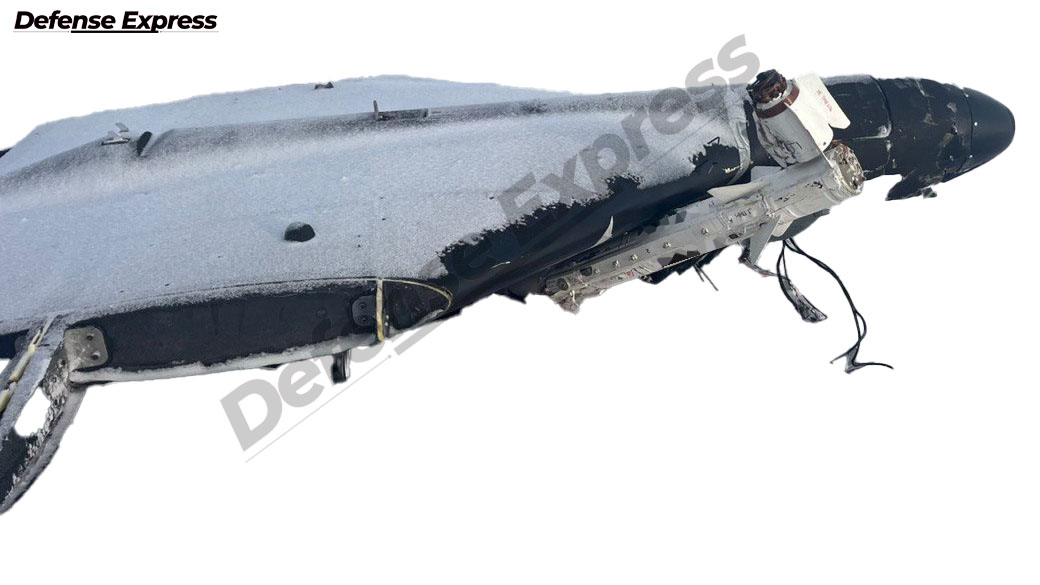
From a technical standpoint, there is no fundamental difference in how this drone–missile combination is employed compared to the earlier case of a Geran-2 armed with an R-60, first shot down on December 1, 2025. As before, the missile is mounted on a standard aircraft pylon attached along the centerline of the drone's fuselage.
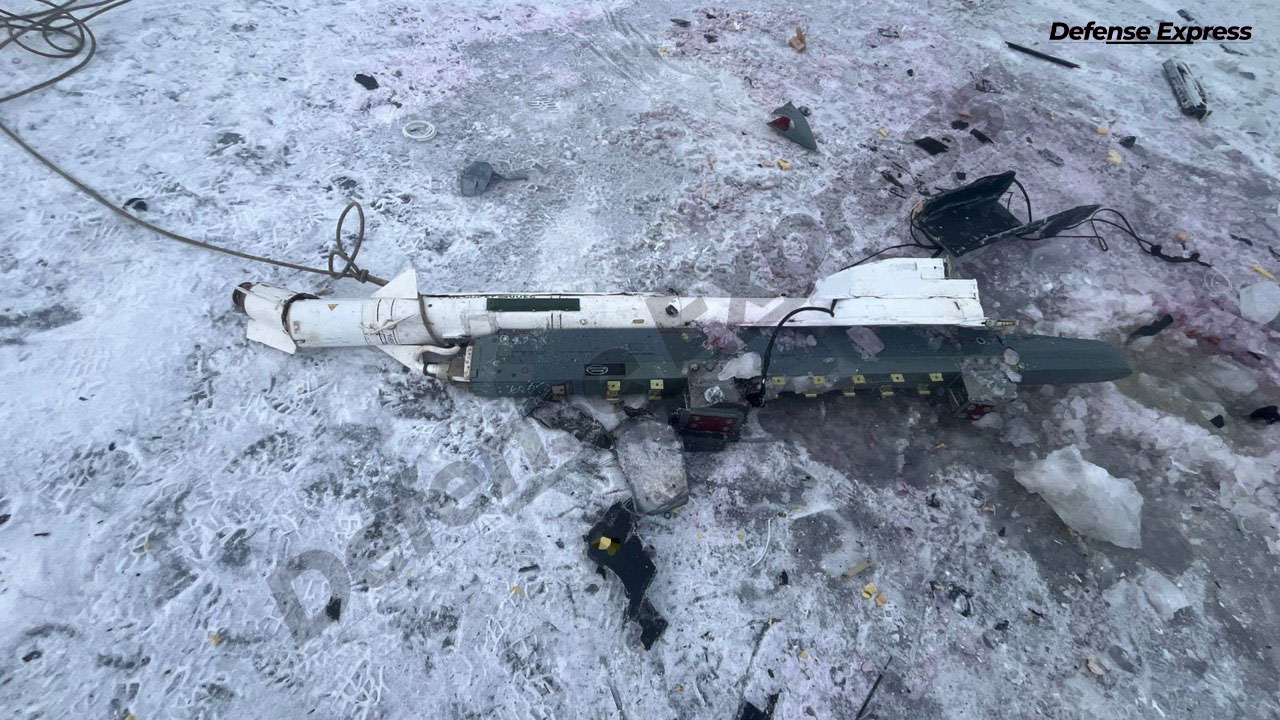
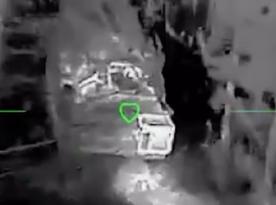
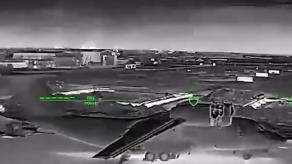
The operator, while controlling the Shahed and receiving a video feed, must visually detect the target, acquire it using the missile's infrared seeker, and then launch the missile.
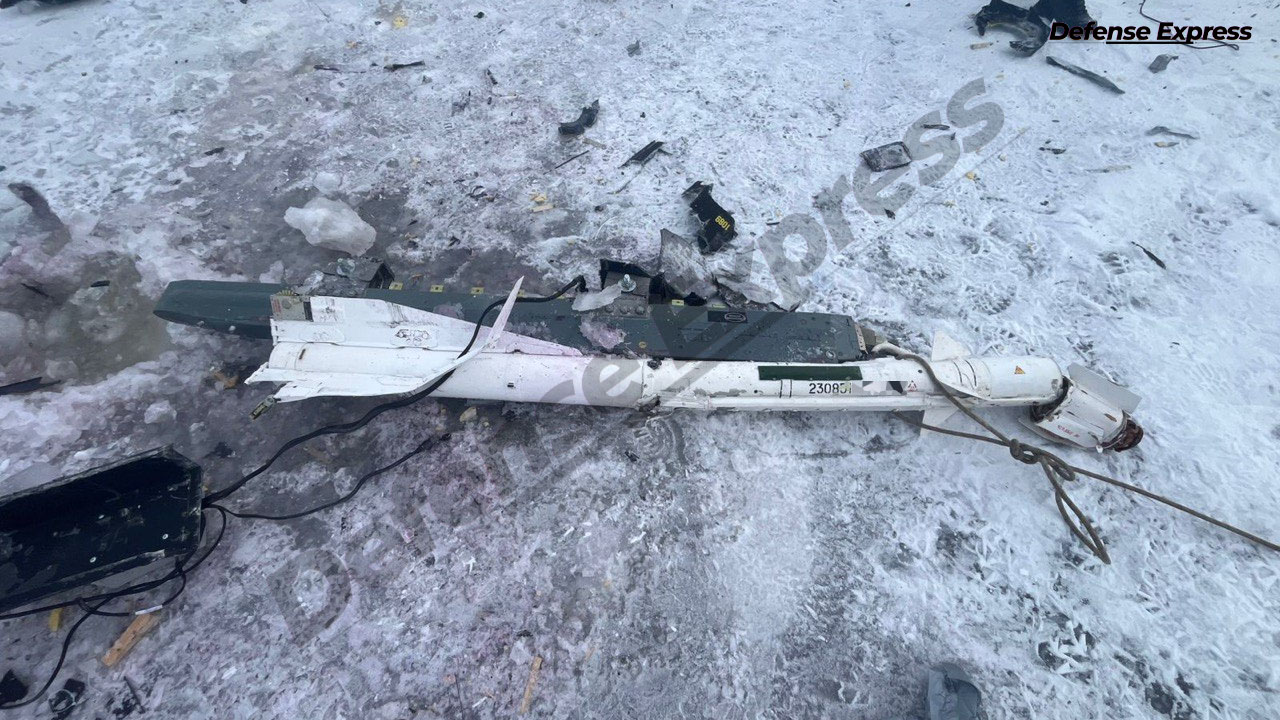
At the same time, the use of the R-60 missile on the Geran-4 objectively poses greater risks to Ukrainian pilots. The reason is the jet-powered drone's significantly higher speed, estimated at 350–500 km/h, compared to around 180 km/h for the propeller-driven Shahed. This allows the Geran-4 to close in on helicopters much faster and to maneuver more actively due to its higher speed envelope.
In addition, the R-60 missile has a launch range of up to 7–8 km. However, a major challenge for the operator remains target acquisition, as the missile's infrared seeker has a relatively narrow field of view of approximately 24–34 degrees, depending on whether it is an early R-60 variant or the R-60M.
It is also reasonable to expect that the enemy may attempt to equip jet-powered drones with man-portable air-defense systems (MANPADS). As early as January 2026, russian forces reportedly attempted to mount such systems on the Geran-2. Another potential avenue of experimentation could involve the so-called Geran-5, the Iranian Karrar, which, based on Iranian experience, can also be armed with air-to-air missiles.
Finally, it is important to note that these experiments and attempts to attack Ukrainian aircraft and helicopters using Shahed drones are made possible by the establishment of control links based on mesh-modem networks. Countering these control channels should therefore remain a top priority.
Read more: russia Debuts Geran-5 Jet-Powered Strike UAV in Attacks on Ukraine