


russian concern over Ukrainian long-range drone strikes now appears to have reached even the country’s most strategic nuclear assets.
In recent months, russian forces have increasingly covered military infrastructure and equipment with improvised anti-drone cages commonly referred to as cope cages. Similar protection measures have already been observed on military factories, diesel-electric submarines in the Baltic Sea, and patrol boats operating in the Black Sea.
Read more: How UK's Atlantic Bastion Program Could Help Ukraine Hunt russian Submarines With Naval Drones
Now such measures have reached russia's nuclear submarine fleet as well.
New satellite imagery of the russian Pacific Fleet base in Vilyuchinsk on the Kamchatka Peninsula shows anti-drone netting installed over russian nuclear submarines, according to observations published by Naval News.
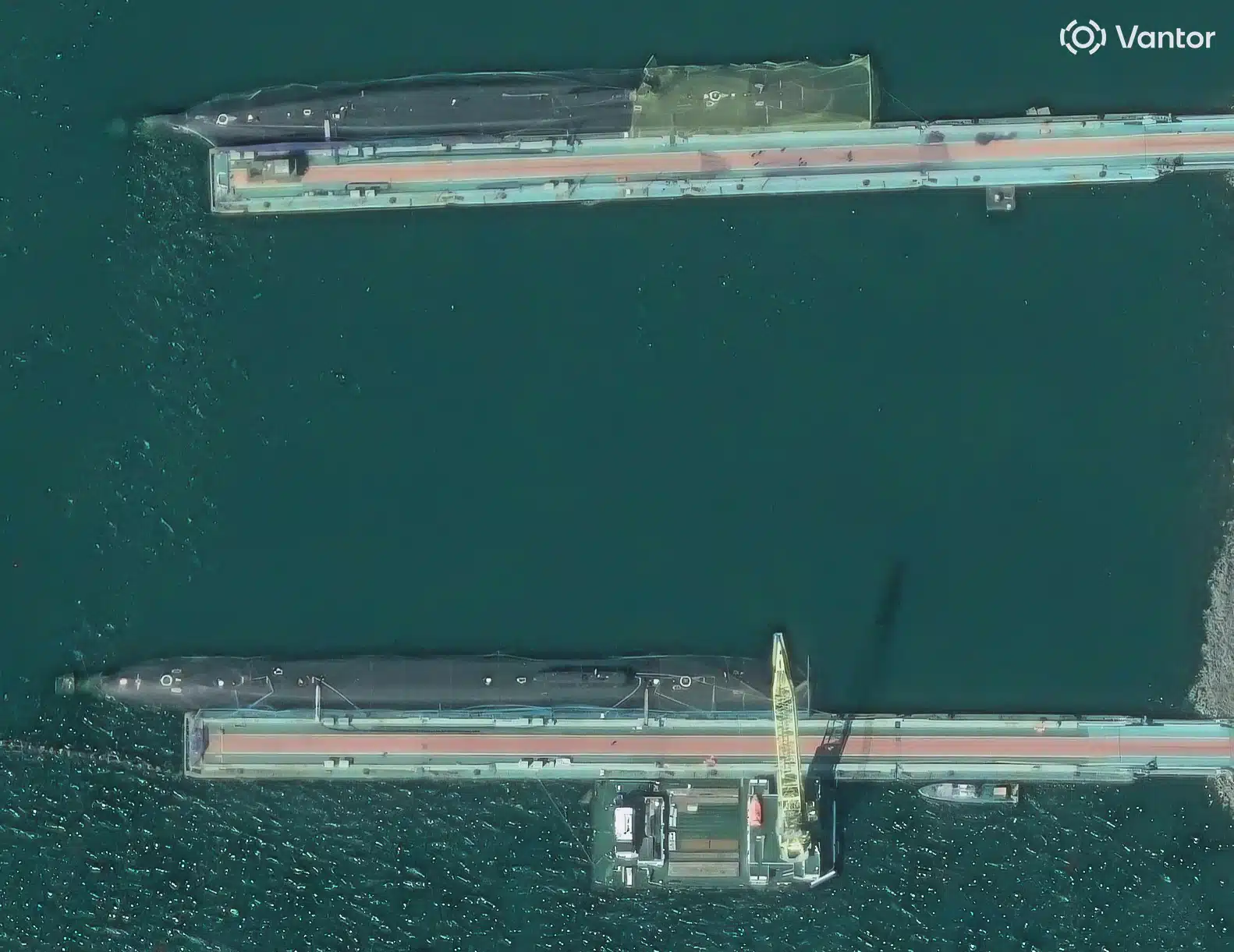
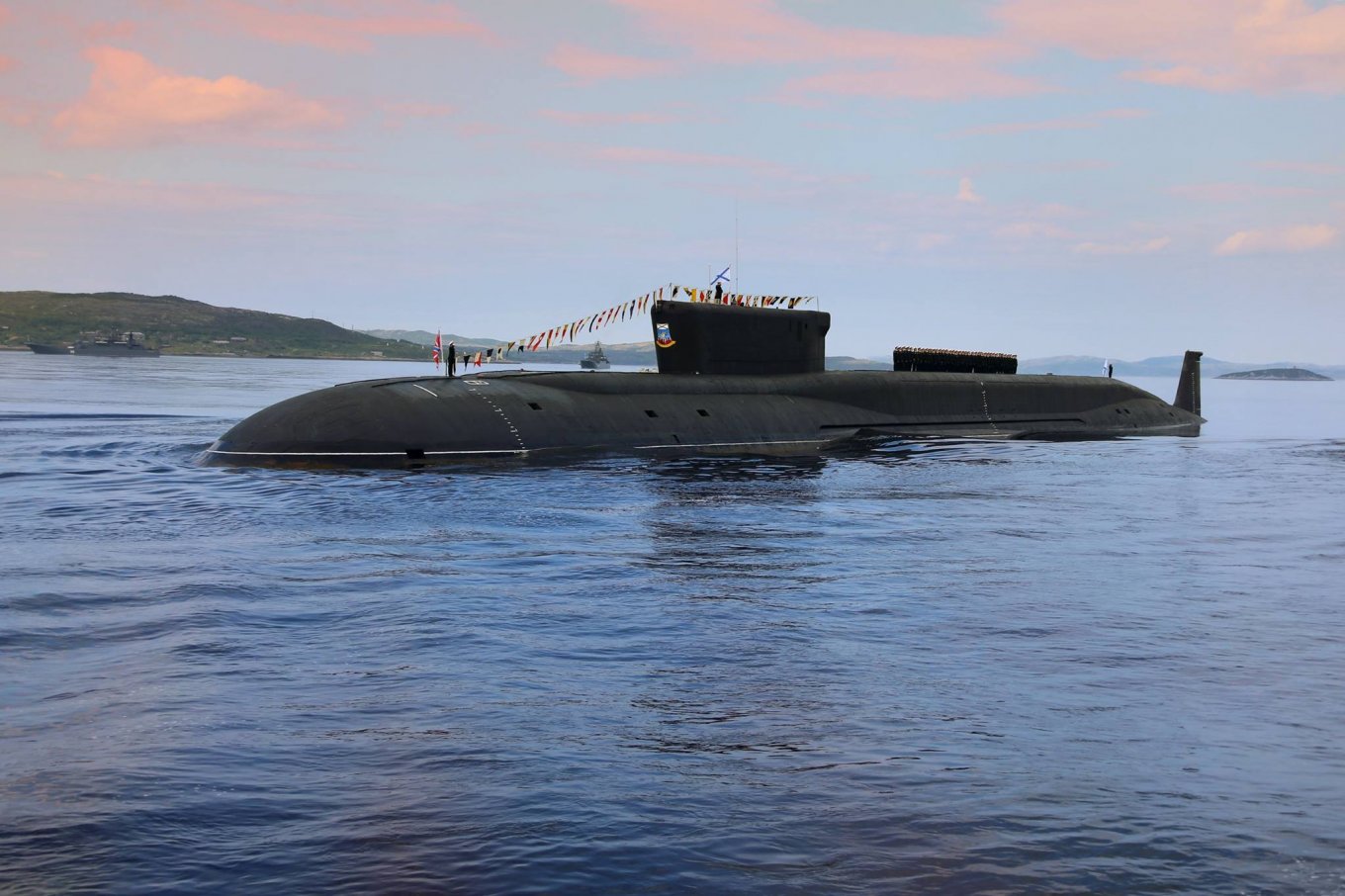
The submarines visible in the imagery are believed to be Project 955 Borei and Project 955A Borei-A class vessels.
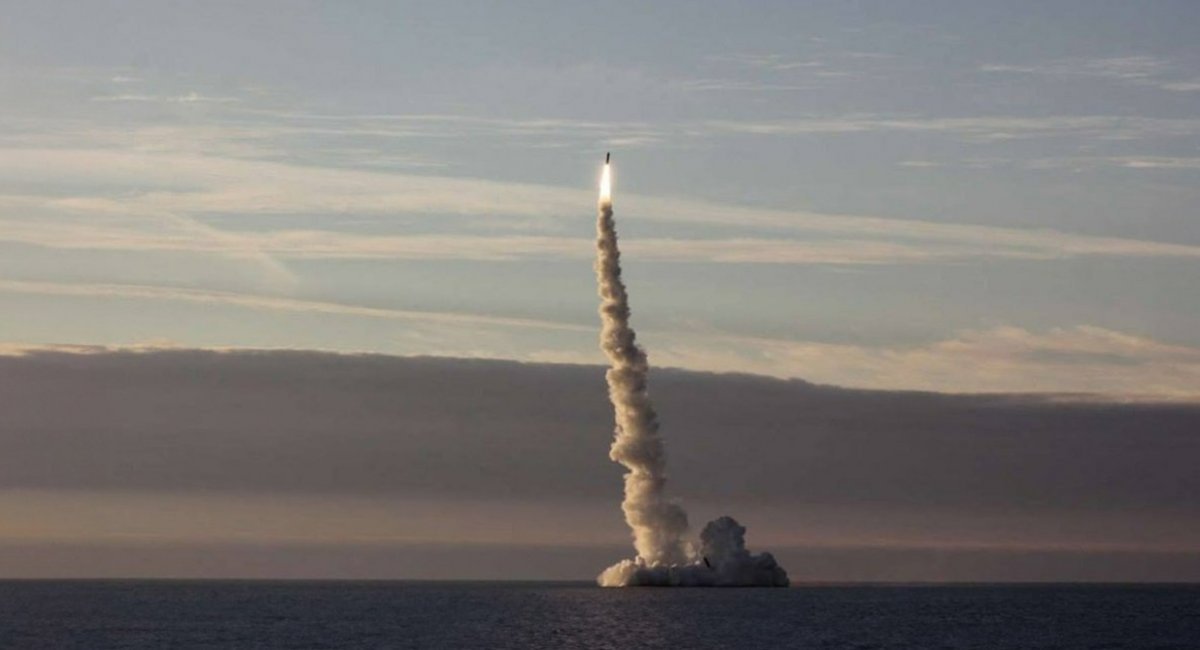
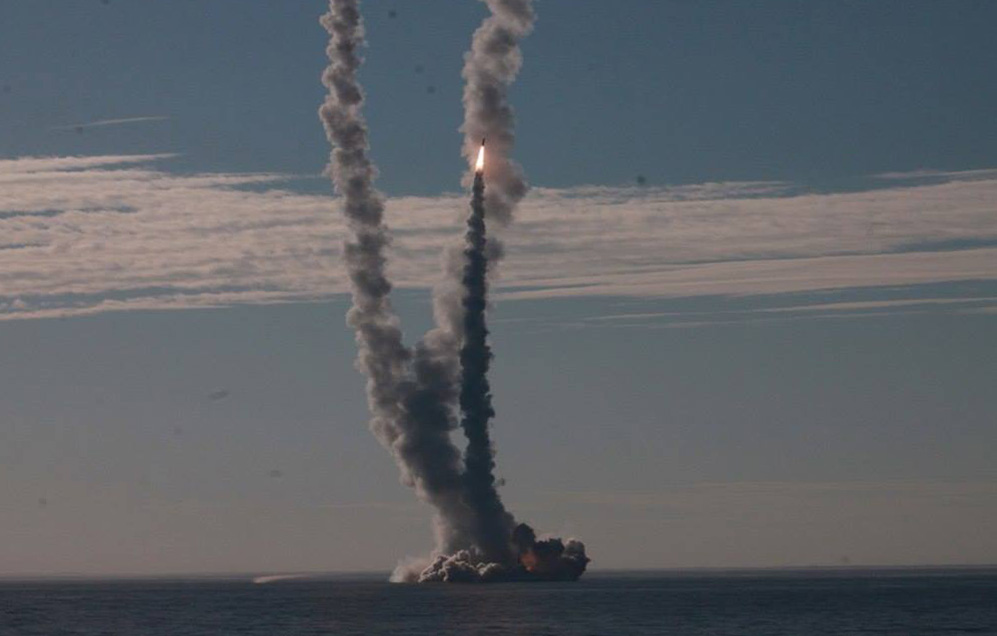
Both classes serve as carriers of the R-30 Bulava intercontinental ballistic missile, with each submarine capable of carrying up to 16 such missiles.
The satellite imagery appears to show nearly the entire exposed upper section of the submarines covered by protective netting structures.
The structures appear intended primarily for anti-drone protection rather than concealment, as they do not seem designed to visually camouflage the submarines.
At the same time, the available imagery suggests the netting and support framework are not welded directly onto the submarines themselves. Instead, the structures appear mounted along the pier and designed to be removable.
In practice, this would allow the submarines to remain protected while docked in port, with the structures removed before deployment at sea.
This differs noticeably from measures previously observed on russian diesel-electric submarines in the Baltic Sea, where rigid metal anti-drone cages, machine guns, and searchlights were mounted directly onto the hulls.
Such netting would likely offer little protection against long-range strike UAVs. Instead, these measures appear primarily intended to defend against FPV drones and drone-dropped munitions.
At the same time, the imagery demonstrates how seriously russia continues to view the threat posed by Ukrainian drone operations following last year's Operation Spiderweb.
The fact that russia is now protecting nuclear ballistic missile submarines roughly 7,200 kilometers from Ukraine illustrates the scale of those concerns.
The submarines are based inside a closed military town that serves as the main Pacific Fleet base for russia's nuclear submarine force.
Read more: russians Installed Anti-Drone Cages at VNIIR-Progress Plant, But They Proved Ineffective Against Ukrainian Flamingo Missiles