


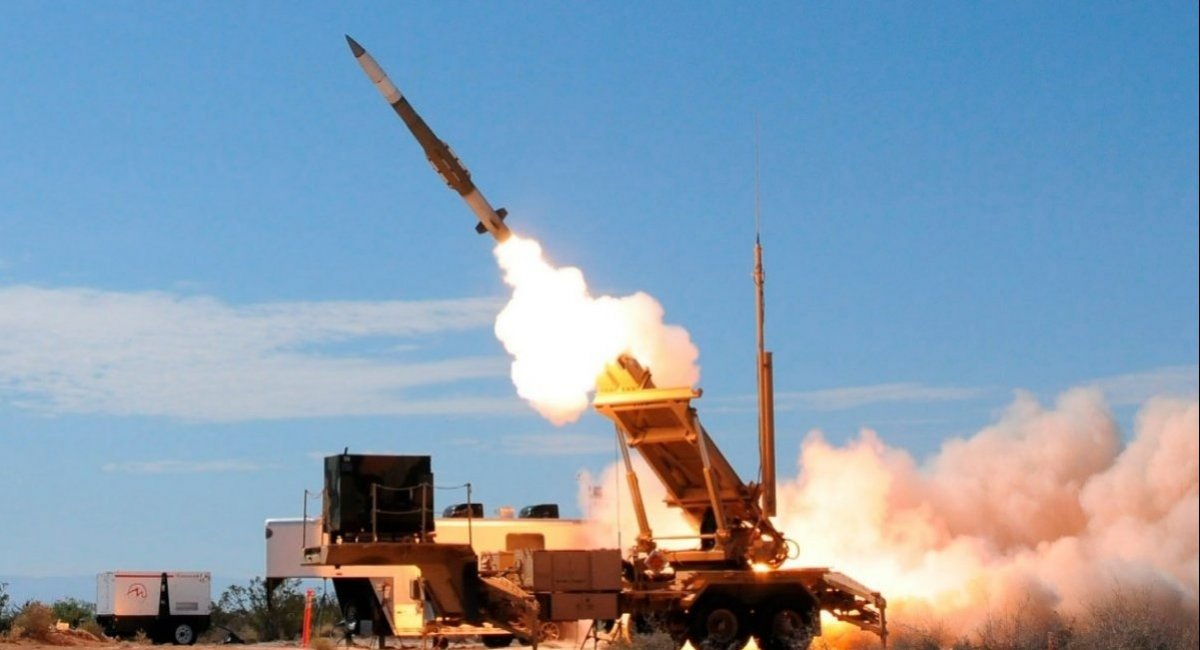
The U.S. Army is in a new request to urgently seek suppliers of components for the future low-cost anti-aircraft missile Low-Cost Interceptor (LCI) for the Patriot surface-to-air system, which will be able to replace or supplement the scarce PAC-3 MSE (Missile Segment Enhancement) anti-aircraft missiles.
The new missile will be capable of intercepting aerodynamic targets, including aircraft and drones, as well as ballistic missiles with a range of up to 1,000 km. At the same time, the new LCI missile should be able to operate in difficult weather conditions, as well as in a harsh EW environment.
Read more: Ukraine's Much-needed PAC-3 MSE Missiles Will Be Fewer as Greece Wants Saudi Arabia to Pay for Modernization of All its Patriot
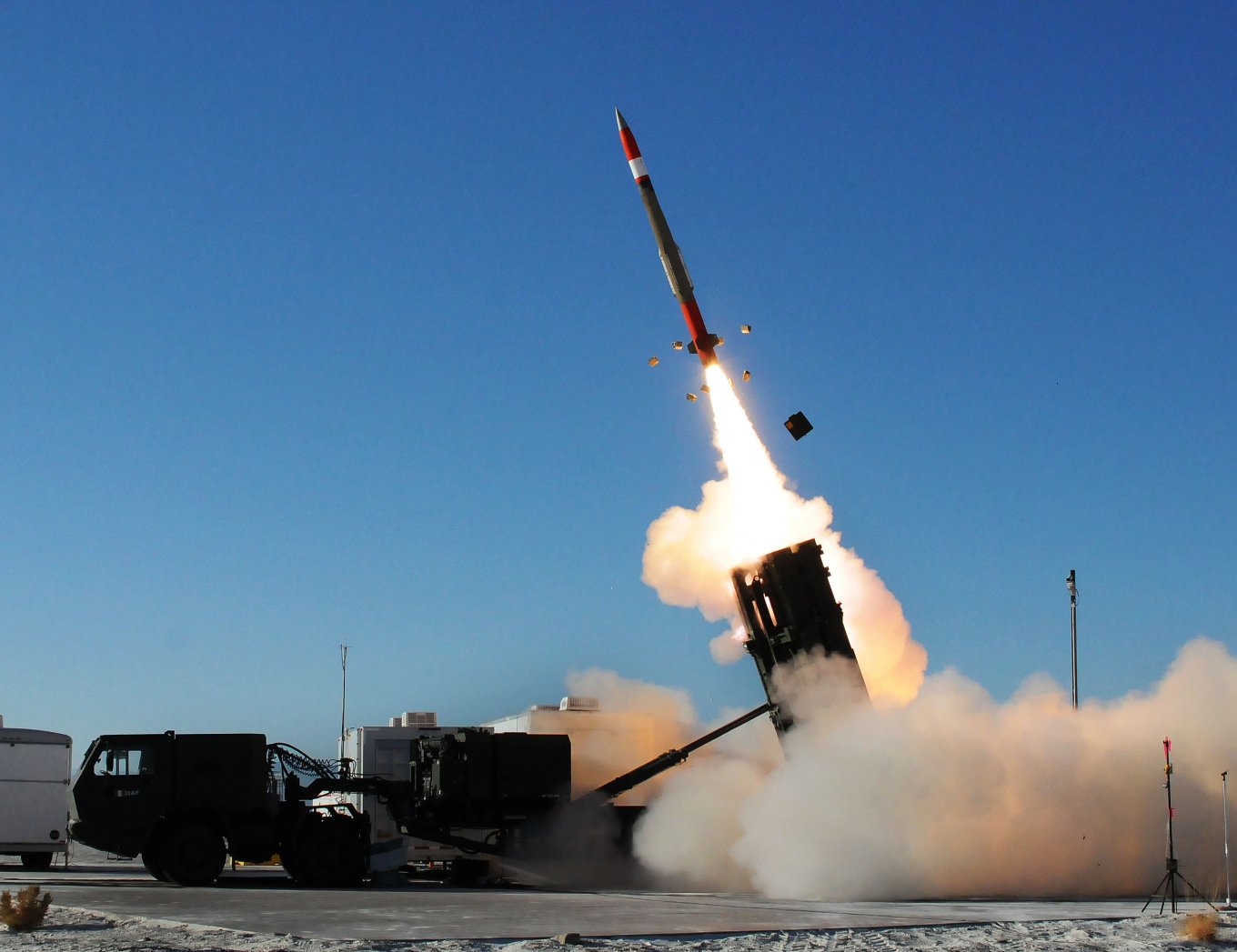
At the same time, its cost should be less than $ 1 million. For comparison, the PAC-3 MSE costs about $ 5 million. That is, the new LCI missile should cost more than 5 times less than the MSE.
This will not only make it cheaper to intercept enemy targets, but should also simplify the scaling of their production. Recall that currently only about 6-7 hundred of PAC-3 MSE are produced per year, which is not enough even to meet the needs of Ukraine, not to mention the Middle East, and a possible conflict with China.
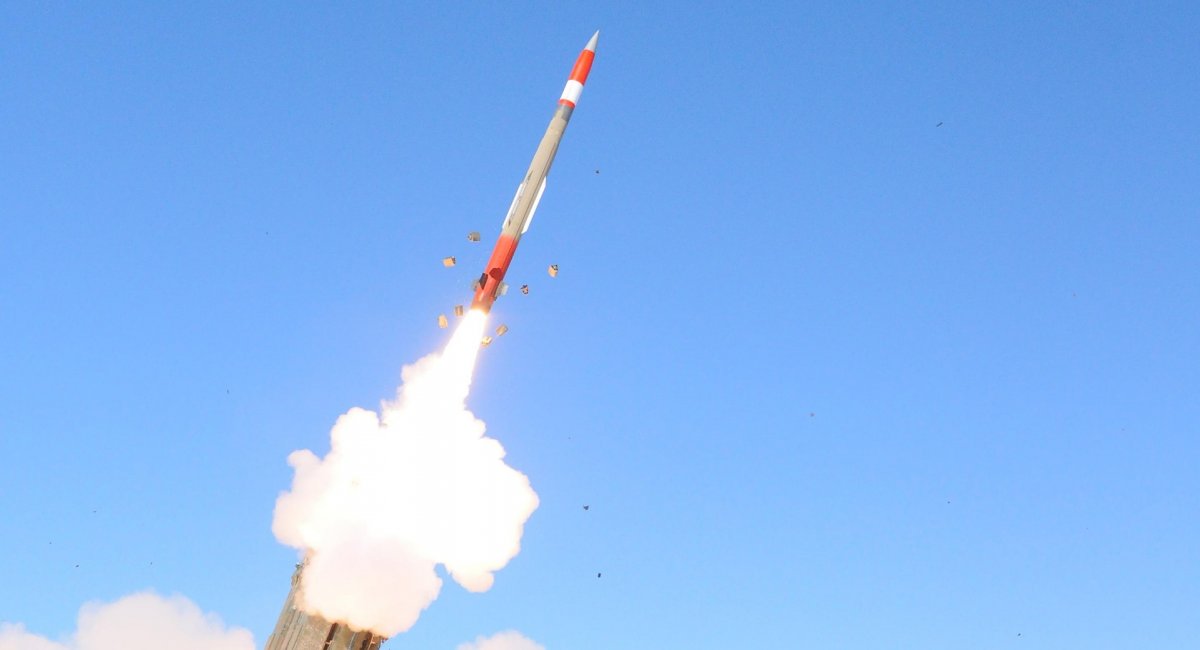
The United States plans to assemble the LCI missile from elements that companies are currently developing or from those that they already have. In particular, from the end of May, applications are being collected from companies with their technical solutions with a readiness level of TRL-4 or higher.
They are looking for homing heads, rocket engines, and control and navigation systems. In addition, applications can also be submitted by companies with ready-made anti-aircraft missiles, but in this case the readiness level must already be TRL-6. After that, in June of this year, the U.S. Army will select the best of the proposed options.
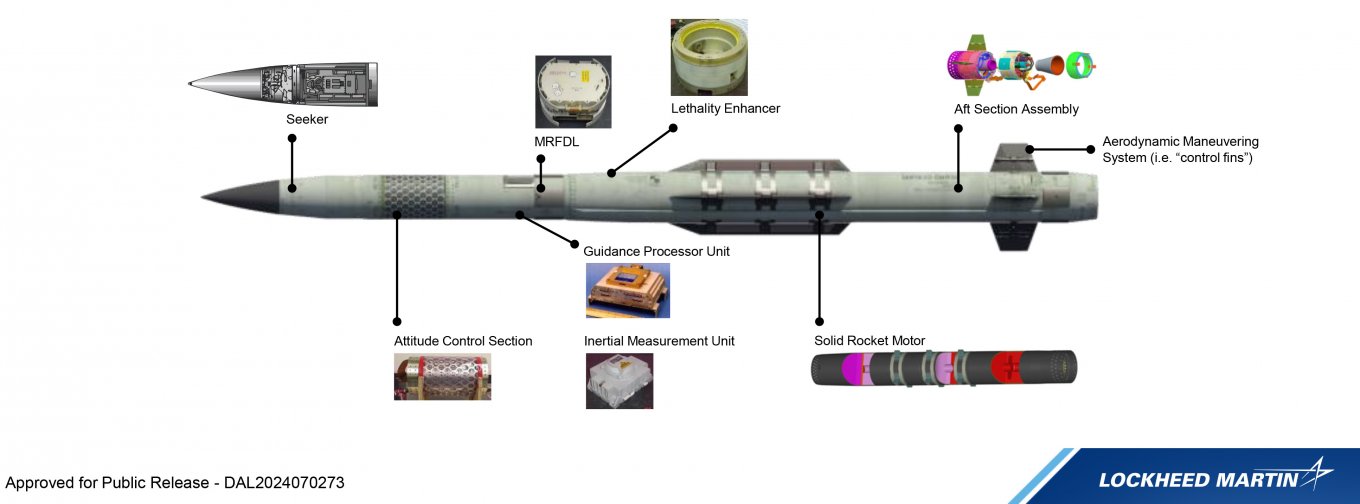
Already in the 4th quarter of the 2026 fiscal year (from July to September), they plan to begin testing the elements of the new missile, in particular, to carry out the burning of the rocket engine and checking the homing head. Already at the end of 2026, the company that will assemble all the components into a finished missile will begin to receive elements.
Given such a rapid pace, if everything goes smoothly, then the first prototype of the new LCI missile can probably be expected as early as 2027, if not earlier – but this is just an assumption. This is an extremely fast pace, which is obviously due to the global shortage of PAC-3 MSE.
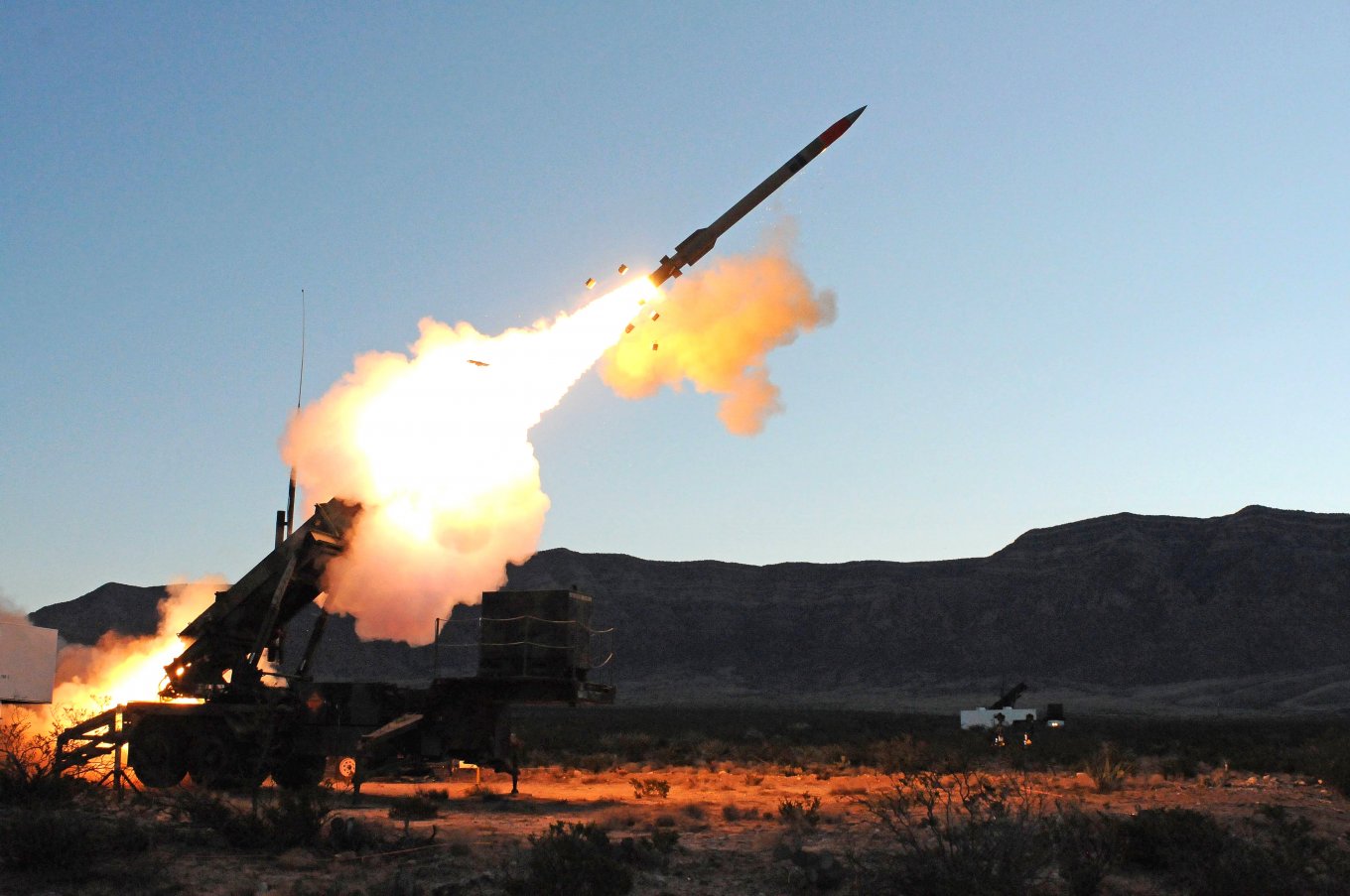
It is important that the new LCI missiles can be launched from M903 launchers of the Patriot SAM system. For Ukraine, such a rapid development of the LCI missile is really good news, because in addition to reducing demand for PAC-3 MSE, potentially in the future these missiles can also be ordered for the Armed Forces of Ukraine, because they will not require additional adaptation for existing Patriot systems.
However, even if the LCI passes all the tests in 2027 and its serial production begins, there are doubts that Ukraine will be able to get these missiles in the next few years....
Read more: How Ukrainian Interceptor Drone Operators Adopted Key Patriot MSE Feature, Other Insights Into Their Work