


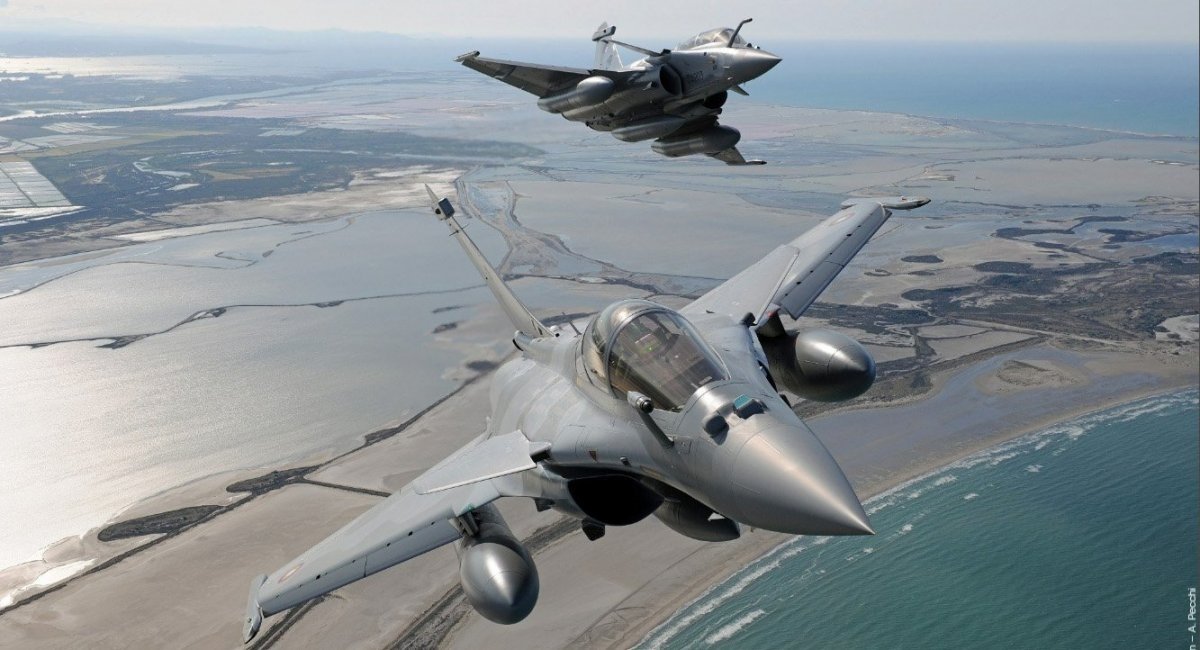
India's order for 114 French Rafale fighter jets is awaiting final signatures, expected to be completed between February 17–20 during French President Emmanuel Macron's visit to India. This will be the long-awaited conclusion of the Multi Role Fighter Aircraft (MRFA) selection process, which has lasted a full eight years.
This move will also inevitably push back deliveries of Rafale fighters for all future customers. This is due to Dassault's limited production capacity, with the company's firm order backlog set to grow from 220 to 334 aircraft in the coming days.
Read more: Tomahawks for Ukraine: Real Capability Shift or Another Round of Washington Rhetoric?
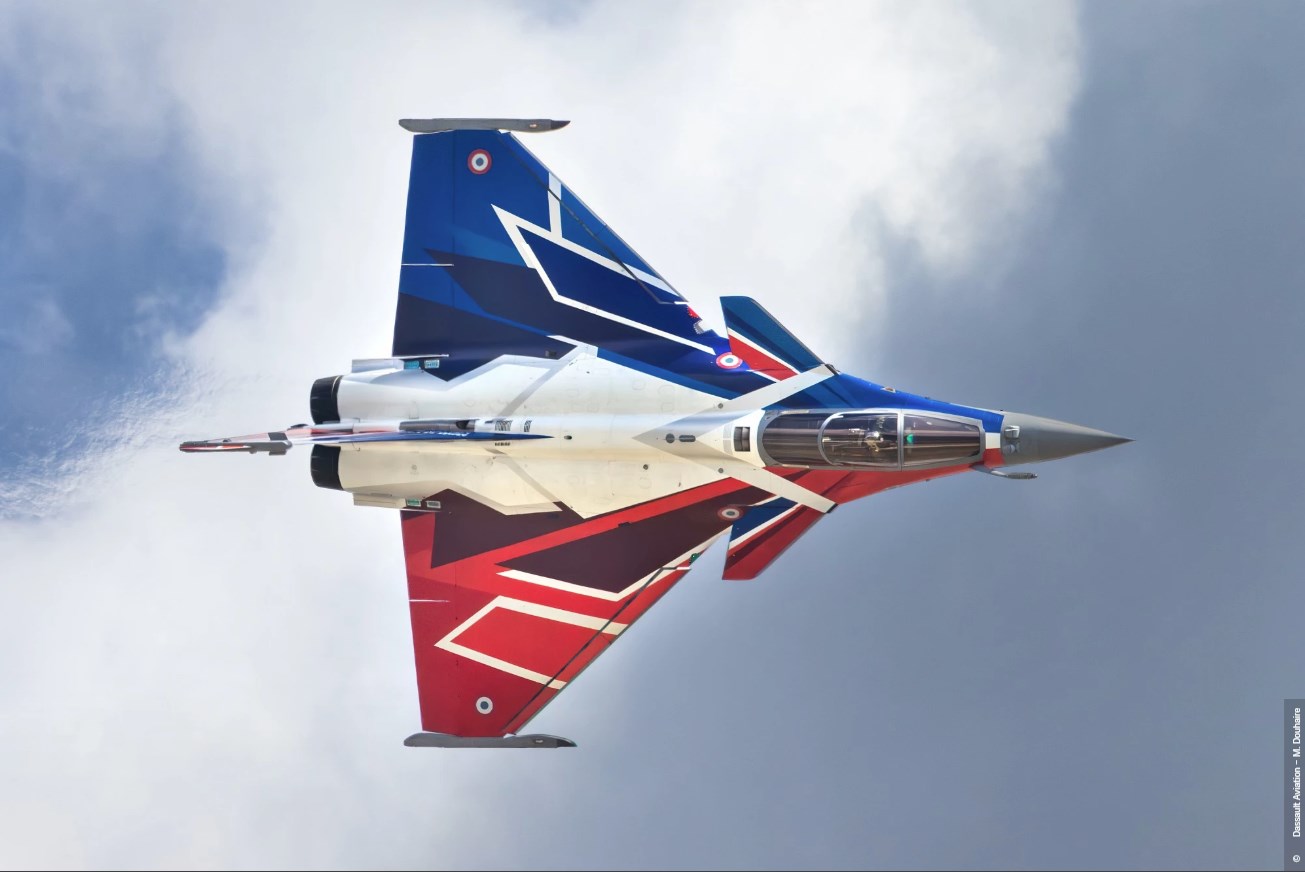
In 2025, Rafale production reached a high of 26 units, exceeding the planned target by one aircraft. At the same time, Dassault has long maintained that the production pace needs to be increased. However, the new Indian contract is planned to be implemented through localization.
In particular, only 20 Rafale fighters will be manufactured in France with delivery by 2030. The other 94 Rafales will be produced in India at facilities yet to be built. At the same time, India will not achieve 100% localization. Currently, the figure is up to 80%, which will obviously not be achieved immediately.
Moreover, the production of such complex machines as fighter jets involves numerous challenges. They will also need to be addressed simultaneously. For instance, the engine manufacturer Safran is not only expanding its own production capacities but also plans to establish a presence in India. The goal is to establish localized production of M88 engines, which are needed for the Rafale and can be integrated into existing Indian fighter jets.
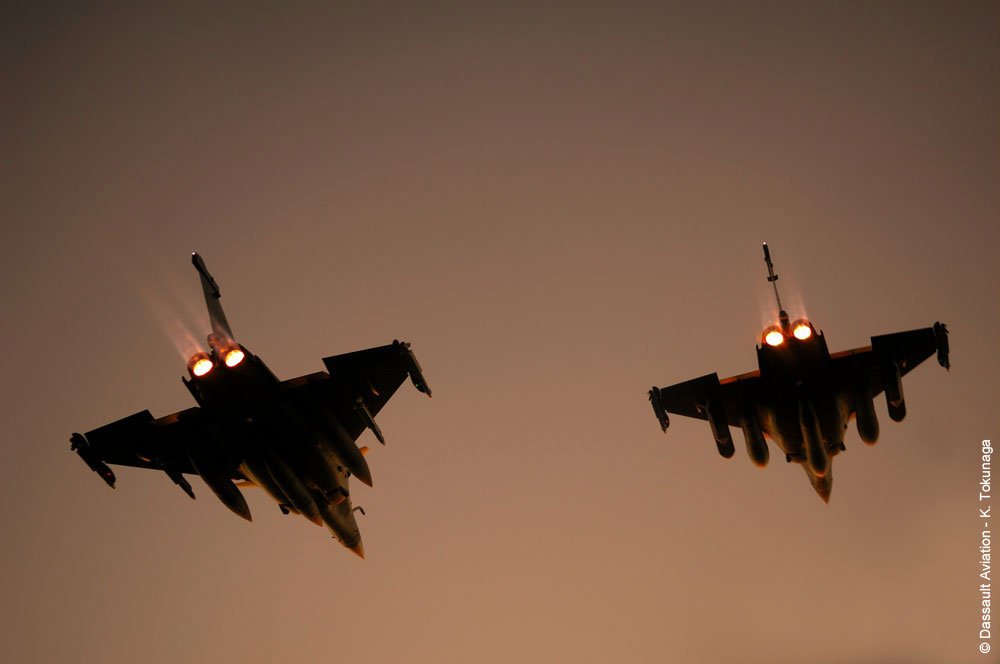
Ultimately, India's order for 114 French fighter jets means three conclusions for Ukraine, which has declared its desire to order 100 Rafales in addition to 150 Gripens.
First, if Ukraine had been able to reach an agreement with France earlier, the first 20 Rafale aircraft could have joined its Air Force by 2030. Now, the first batch of Rafale aircraft is expected to be delivered in 2030 at the earliest, assuming Dassault's plans remain unchanged.
Second, if Ukraine orders 100 Rafale aircraft, it is unlikely that Dassault will be able to deliver the fighters on time without establishing similar localized production facilities in Ukraine. This presents both a major opportunity for Ukraine's defense industry, which is confirmed to be localizing Gripen production, and a significant challenge.
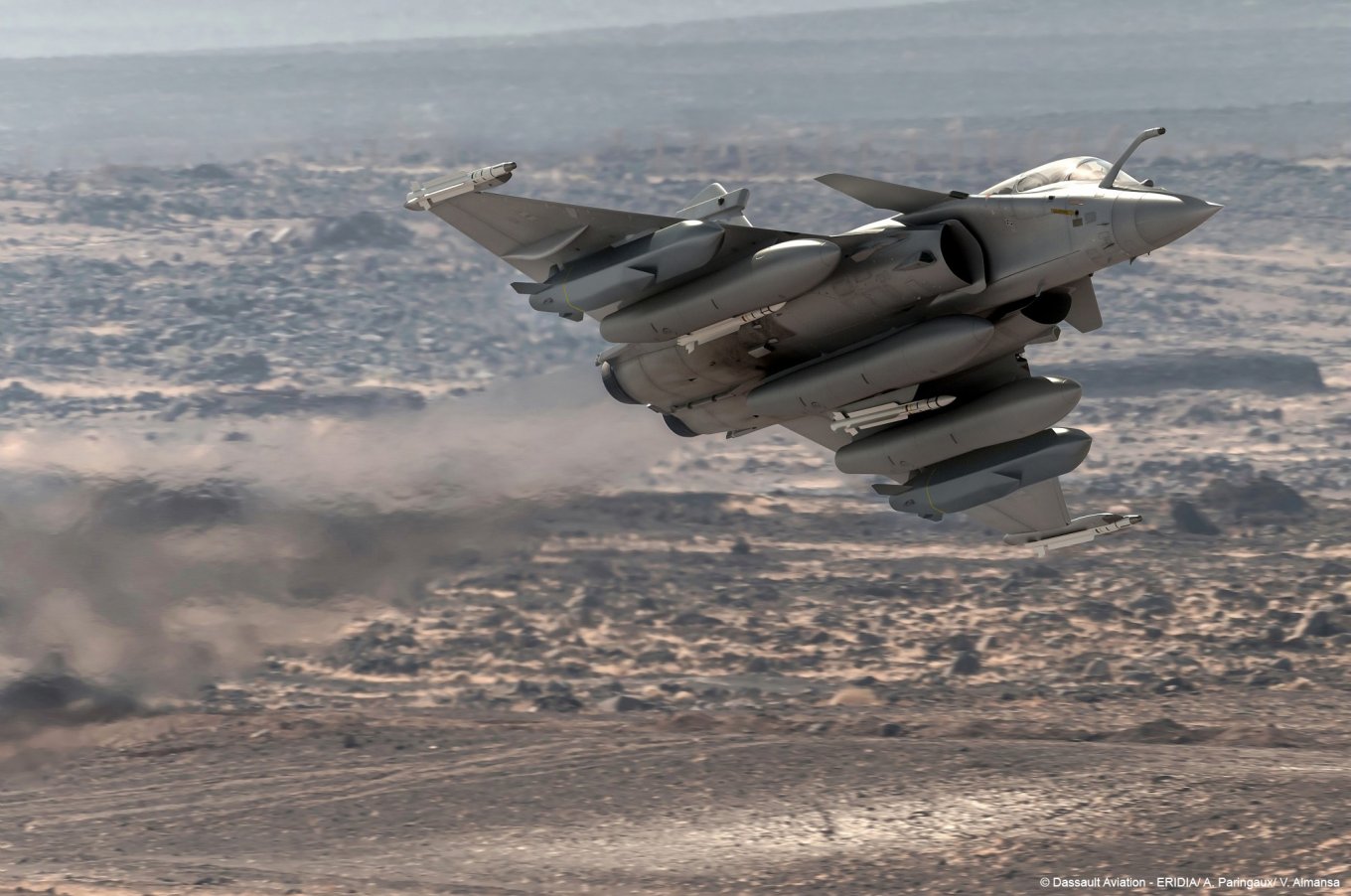
Third, the longer it takes to finalize the first Rafale order for Ukraine, the greater the risk of a longer queue and delivery delays, although it is clear that the firm order will be finalized, particularly regarding financing.
Read more: Korea Eyes Meteor and MICA for FA-50 Amid AIM-120 Complications in Strategic Market Move